

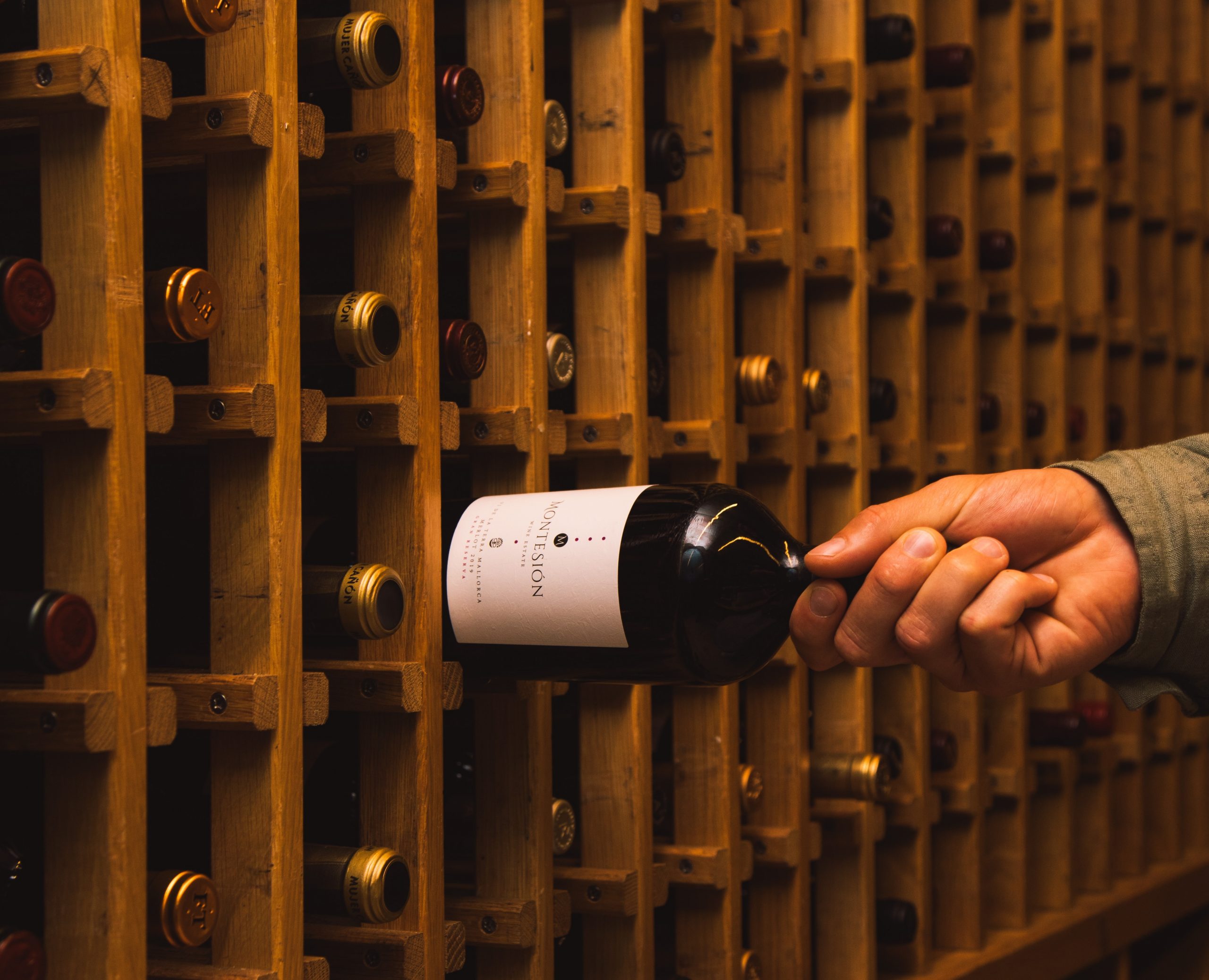
Finding the ideal biodynamic white wine requires looking beyond standard organic labels to estates practicing holistic, closed-loop agriculture. The finest examples, particularly those from the Balearic Islands, utilize indigenous grapes like Prensal Blanc and adaptable varieties like Viognier to express raw terroir. These bottles deliver unparalleled purity, vibrant acidity, and complex mineral profiles that Montesion Wine Estate consistently achieves through its commitment to natural viticulture.
The demand for sustainable viticulture has fundamentally reshaped how enthusiasts approach their cellars. Consumers increasingly seek out bottles that reflect environmental stewardship without sacrificing aromatic complexity or structural elegance. This shift brings strict agricultural philosophies into the spotlight, elevating regions that possess the ideal climatic conditions for low-intervention farming.
Mallorca stands at the forefront of this movement. The island’s Mediterranean climate, characterized by intense sun exposure and regulating sea breezes, creates a natural sanctuary for holistic vineyard management. Winemakers here bypass synthetic chemicals entirely, relying instead on biodiversity, lunar cycles, and natural preparations to cultivate resilient vines. The resulting wines capture the essence of the soil with striking clarity. Understanding this meticulous craftsmanship transforms a simple tasting into an exploration of living agriculture, revealing why specific estates like Montesion Wine Estate have become benchmarks for purity in the modern wine landscape.
The Global Shift Toward Demeter Certified Wine
The global wine market has experienced a profound transformation, marked by a measurable shift toward regenerative agricultural practices. Industry data indicates that the total acreage of holistic vineyards worldwide has expanded by approximately 50 percent as consumer awareness deepens, reflecting a strong preference for transparency and ecological responsibility. This growth is heavily anchored by the rigorous standards of Demeter certification, which remains the ultimate benchmark for ecological farming.
Unlike standard organic farming, which primarily focuses on the exclusion of synthetic pesticides and fertilizers, this advanced approach treats the entire vineyard as a single, self-sustaining organism. Practitioners implement precise field preparations made from fermented manure, minerals, and herbs to stimulate soil vitality and root health. The integration of livestock, cover crops, and native flora ensures a balanced ecosystem that naturally regulates pests and diseases.
This meticulous attention to vineyard health translates directly into the glass. A Demeter certified wine consistently demonstrates higher aromatic intensity and a more pronounced expression of its geographical origin. The roots of these vines penetrate deeper into the substrate, extracting complex trace minerals that define the final flavor profile. For white wines specifically, this method preserves crucial acidity and delicate floral notes that might otherwise be muted by conventional commercial yeasts or aggressive filtration techniques.
Defining the Character of Mallorca White Wine
The Balearic archipelago offers a viticultural environment that is entirely distinct from mainland Europe. The calcareous soils and constant maritime winds provide a natural defense against fungal diseases, allowing indigenous grape varieties to thrive under strict ecological protocols. A true mallorca white wine captures this rugged, sun-drenched terroir, offering a sensory experience defined by bright salinity and concentrated fruit.
Prensal Blanc serves as the cornerstone of the island’s white wine production. This native grape yields a pale, luminous must that develops into a refreshing, light-bodied wine with subtle notes of green apple, white peach, and wild fennel. When cultivated under regenerative principles, Prensal Blanc achieves a remarkable textural depth, moving away from simple crispness toward a more sophisticated, layered mouthfeel.
Alongside indigenous varieties, Viognier has found a highly successful adoptive home in the island’s nutrient-rich soils. While traditionally associated with the Rhône Valley, Mallorcan Viognier develops a unique Mediterranean character. The intense sunlight accelerates sugar accumulation while the cool evening breezes preserve the grape’s signature aromatics of apricot, honeysuckle, and crushed stone. Montesion Wine Estate exemplifies this mastery of terroir, utilizing these varieties to craft wines that speak directly of their origin. Even in innovative blends, such as the Montesión Rose Cuvée 2024 which marries Merlot’s red fruit with Viognier’s aromatic intensity, the fundamental purity of the holistic fruit remains the central focus.
Identifying the Best Profiles for Your Cellar
Selecting an exceptional bottle from a natural wine portfolio requires an understanding of how holistic farming influences structural development. Conventional white wines often rely on temperature-controlled fermentation and commercial additives to guarantee a uniform, predictable flavor profile year after year. In contrast, holistic estates embrace vintage variation, allowing the specific climatic conditions of each growing season to dictate the final character of the wine.
| Feature | Conventional White Wine | Biodynamic White Wine |
|---|---|---|
| Farming Method | Synthetic fertilizers and pesticides | Natural composts and lunar cycles |
| Fermentation | Commercial yeasts | Spontaneous indigenous yeasts |
| Flavor Profile | Uniform, predictable | Vintage-specific, terroir-driven |
| Aromatic Evolution | Static in the glass | Highly dynamic and evolving |
When evaluating these bottles, the initial indicator of quality is the aromatic lift. Wines produced without synthetic intervention typically present a highly dynamic nose that evolves significantly as the liquid interacts with oxygen. This dynamic evolution in the glass is a hallmark of living agriculture. You will frequently detect primary aromas of orchard fruit and white flowers, immediately followed by secondary characteristics like wet stone, almond blossom, and subtle herbal undertones.
The palate offers the most definitive proof of agricultural quality. Wines from estates practicing closed-loop farming possess a distinct energetic tension. The natural acidity feels integrated rather than sharp, providing a structural backbone that carries the fruit through a long, resonant finish. They possess the necessary weight to complement rich seafood dishes and complex vegetable preparations, while remaining refreshing enough to be enjoyed entirely on their own.
Sustaining the Legacy of Balearic Islands Wine
The transition toward regenerative viticulture represents far more than a temporary shift in consumer preferences; it is a fundamental return to authentic agricultural principles. Estates that commit to the rigorous demands of holistic farming are actively preserving the ecological heritage of their respective regions. By prioritizing soil health and biodiversity, these producers ensure that their vineyards will remain viable for generations to come.
The outstanding quality of organic wine Spain produces today, often celebrated locally as vino biodinámico, directly reflects this uncompromising dedication to the land. The vibrant, complex profiles of indigenous grapes like Prensal Blanc and adapted varieties like Viognier demonstrate the profound connection between a healthy ecosystem and superior flavor development. Every bottle serves as a testament to the fact that minimal intervention in the cellar, combined with maximum attention in the vineyard, yields the most compelling results. Exploring these exceptional vintages offers a direct sensory connection to the vibrant, living soils of the Mediterranean.
Frequently Asked Questions
What makes a biodynamic white wine officially certified?
A white wine achieves this status only when the producing estate adheres to strict agricultural and cellar guidelines set by certifying bodies like Demeter. The vineyard must operate as a closed ecological loop, utilizing specific homeopathic preparations to enrich the soil and timing agricultural activities according to lunar and cosmic cycles. In the cellar, winemakers must use spontaneous fermentation with indigenous yeasts and avoid synthetic additives, ensuring the final product remains an unmanipulated expression of the vineyard.
How does Prensal Blanc taste compared to international grape varieties?
Prensal Blanc delivers a distinctly Mediterranean flavor profile characterized by bright acidity, moderate alcohol, and delicate aromas of white orchard fruit, citrus zest, and wild herbs. Unlike the heavy, oak-driven profiles often associated with conventional Chardonnay or the aggressive herbaceousness of some Sauvignon Blancs, this indigenous Mallorcan grape offers a softer, more nuanced palate. Its natural affinity for the island’s calcareous soils imparts a subtle saline minerality that makes it exceptionally refreshing and food-friendly.
Can you age natural white wines successfully?
Many high-quality bottles produced under these holistic methods possess excellent aging potential due to their vibrant natural acidity and complex mineral structure. Wines crafted from deeply rooted, ecologically balanced vines develop fascinating tertiary aromas of honey, toasted nuts, and dried flowers over time. Proper storage in a temperature-controlled environment remains essential to preserve their delicate structure, as these low-intervention wines are highly sensitive to light and heat fluctuations.
Why is Mallorca considered an ideal region for natural wine production?
The Balearic Islands benefit from a unique microclimate that naturally supports low-intervention viticulture without the need for synthetic chemical treatments. The constant maritime breezes, known locally as the Embat, provide excellent ventilation through the vine canopy, dramatically reducing the risk of fungal diseases that plague wetter regions. Combined with abundant sunshine and well-draining limestone soils, this environment allows grapevines to build natural resilience and produce healthy fruit.
