

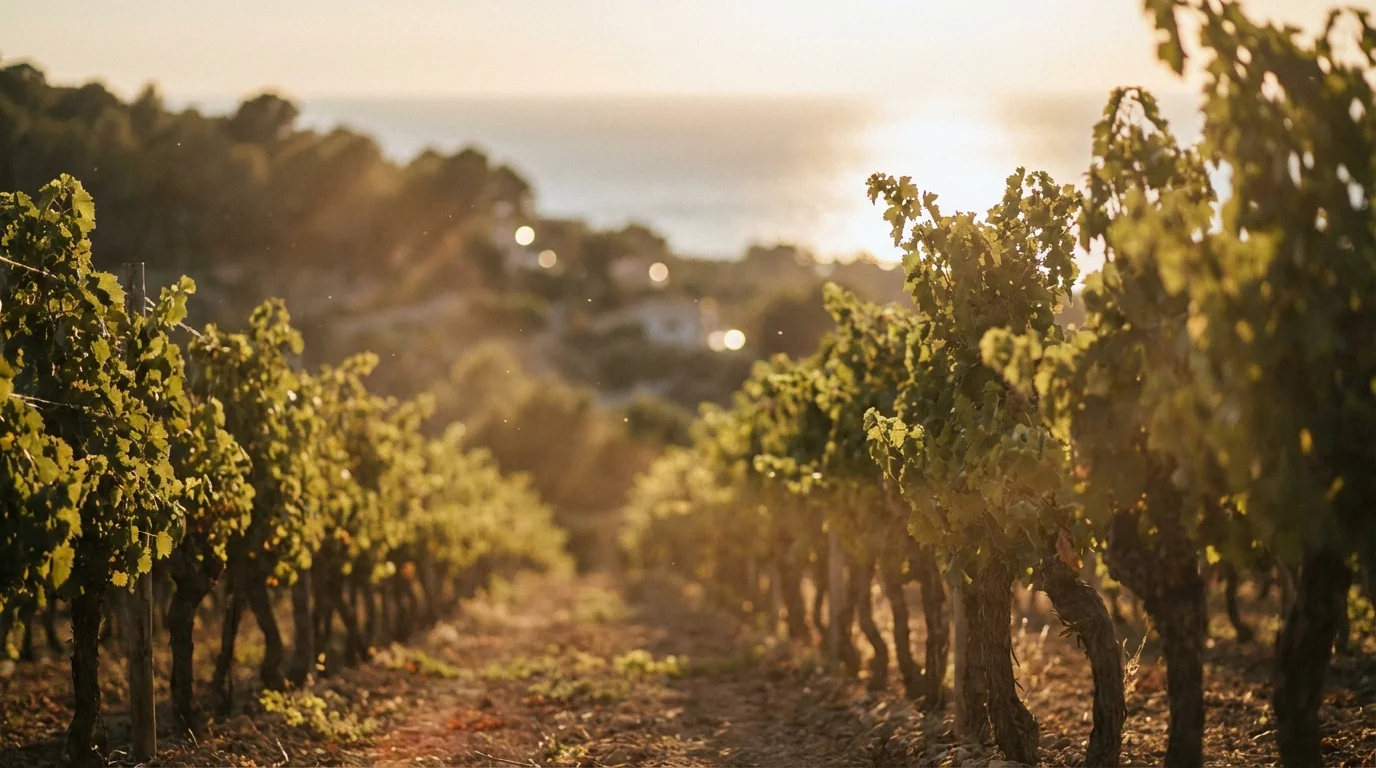
The distinct character of prensal blanc wine stems directly from the dynamic interplay between Mallorca’s sun-drenched microclimates and cooling maritime winds. By implementing rigorous biodynamic practices, viticulturists at Montesion Wine Estate help these indigenous vines adapt to intense heat while preserving their signature crisp acidity. This natural synergy between soil preparation, coastal breezes, and native grape genetics creates a resilient agricultural ecosystem capable of producing exceptional vintages year after year.
A fundamental shift occurs in global viticulture as collectors increasingly seek out indigenous varieties that express a genuine sense of place. The Balearic archipelago presents a fascinating case study in environmental adaptation, where ancient grapes thrive under challenging climatic conditions. Cultivating vines on an island battered by salty winds and baked by intense summer sun demands more than conventional farming techniques. It requires a holistic approach that treats the vineyard as a self-sustaining organism. As weather patterns fluctuate, the methods used to protect and nurture these vines command significant attention from agricultural scientists. The combination of native genetics and specialized ecological farming provides a blueprint for resilient agriculture, demonstrating how traditional knowledge elevates the final product.
Navigating the Complexities of Mallorca Wine Regions
The geographical diversity across the island creates a mosaic of growing conditions that profoundly impact grape development. Within the various Mallorca wine regions, the topography shifts dramatically from the sheltered foothills of the Tramuntana mountains to the exposed central plains. This varied landscape dictates the amount of sunlight, wind exposure, and temperature fluctuation that each vineyard experiences daily. Vines planted in iron-rich, rocky soils absorb and reflect heat differently than those rooted in clay, altering the ripening trajectory of the fruit.
Understanding mediterranean viticulture requires analyzing the balance between thermal accumulation and moisture retention. Statistical data indicates that indigenous white varieties, essential for crafting prensal blanc wine, typically require approximately 2,800 to 3,000 hours of annual sunshine to achieve optimal phenolic ripeness. However, this intense solar radiation must be managed carefully to prevent the grapes from losing their natural malic acid. The thermal diurnal range plays a critical role in this process. When temperatures drop after sunset, the vines recover from heat stress, allowing the fruit to develop complex aromatic compounds rather than merely accumulating sugar.
- The central plateau experiences higher daytime temperatures, accelerating sugar accumulation.
- Coastal vineyards benefit from maritime humidity, moderating extreme heat spikes.
- Elevated terraces provide natural drainage and cooler nights, essential for maintaining crispness.
Biodynamic Wine Practices as a Climate Shield
Cultivating resilient vineyards in a demanding Mediterranean environment requires moving beyond basic organic principles to embrace a fully integrated agricultural philosophy. Producing authentic biodynamic wine involves utilizing specific field preparations that actively enhance the plant’s ability to withstand environmental stress. Instead of relying on synthetic fertilizers, practitioners focus on building deep, structurally sound soils that act as natural water reservoirs. This approach encourages vine roots to penetrate deep into the limestone bedrock, securing access to essential minerals during extended dry periods.
The application of horn silica serves as a prime example of how these methods influence plant physiology. Sprayed as a fine mist over the canopy during the early morning hours, this quartz-based solution enhances light metabolism and strengthens the cellular walls of the leaves. Research shows that vines treated with these preparations demonstrate a higher resistance to fungal pressures and an improved ability to regulate transpiration during heatwaves. Achieving Demeter certification requires strict adherence to these cycles, ensuring every intervention aligns with the natural rhythms of the season.
| Management Practice | Conventional Viticulture | Biodynamic Approach | Impact on Vine Health |
|---|---|---|---|
| Soil Nutrition | Synthetic NPK fertilizers | Composted manure and herbal preparations | Builds humus, improving drought resistance |
| Pest Control | Systemic chemical pesticides | Biodiversity, cover crops, natural predators | Creates a self-regulating ecosystem |
| Canopy Management | Standardized mechanical hedging | Manual adjustment based on lunar cycles | Optimizes airflow naturally |
The Influence of Saline Breezes and Market Trends
The proximity to the Mediterranean Sea acts as a defining architectural force in the structure of island vintages. The Embat, a localized sea breeze driven by thermal gradients, sweeps across the vineyards during the hottest parts of the day. This wind carries microscopic salt particles, depositing a fine saline layer on the grape skins. For anyone seeking a premium white wine mallorca, this subtle salinity presents itself as a distinct mineral finish on the palate, cutting through the natural fruit weight of the indigenous varieties.
This maritime influence extends far beyond flavor profile, directly impacting the health of the vineyard. The constant movement of air prevents stagnant humidity from settling within the fruit zone, drastically reducing the risk of powdery mildew. This natural disease resistance is a cornerstone of producing high-quality organic wine Spain, where strict regulations limit the use of heavy copper applications. The global beverage market experiences a continual structural shift as consumer preferences pivot toward this type of environmental accountability. Long-term market analyses reveal that demand for low-intervention categories consistently grows by an estimated 14% annually.
Within this expanding sector, natural wine from island estates commands attention by focusing entirely on quality and ecological integrity at Montesion Wine Estate.
Sustaining Quality Through Natural Adaptation
The intersection of unique microclimates and rigorous ecological farming creates a blueprint for the future of Mediterranean agriculture. The continued success of these indigenous vines relies heavily on the careful management of soil health, canopy architecture, and natural biodiversity. By viewing the vineyard as a cohesive, living system rather than a factory for fruit production, viticulturists successfully mitigate the harshest effects of a changing climate.
The resulting vintages serve as a liquid record of the growing season, capturing the intense solar radiation, the cooling maritime winds, and the mineral-rich soils of the island. This dedication to authentic expression ensures that every bottle communicates the distinct character of its origin. As the global appreciation for terroir-driven, ecologically responsible agriculture expands, Balearic Islands wine will undoubtedly serve as a vital reference point for sustainable viticulture worldwide. Cultivating resilience requires patience, observation, and an unwavering respect for natural cycles. The commitment to these enduring principles guarantees that the legacy of native island grapes, and the resulting prensal blanc wine, will endure for generations, offering consumers a pure taste of the Mediterranean environment. Every harvest reinforces the profound connection between the land and the final vintage.
Frequently Asked Questions
What makes the climate in Mallorca suitable for indigenous grape varieties?
The island features a dynamic Mediterranean climate characterized by intense solar radiation, minimal summer rainfall, and significant maritime influence. Indigenous vines have evolved over centuries to thrive in these exact conditions, developing deep root systems to access subterranean moisture and thicker skins to prevent sunburn. The constant presence of sea breezes naturally cools the vineyards during peak afternoon heat, allowing the grapes to maintain their crucial malic acidity while achieving full phenolic ripeness.
How does biodynamic farming protect vineyards from extreme heat?
Ecological farming methods focus heavily on soil structure and organic matter retention, which acts as a natural sponge for winter rainfall. By applying specific preparations like horn manure and utilizing cover crops, the soil maintains a lower surface temperature and retains moisture far longer than conventionally tilled earth. Furthermore, the application of silica preparations strengthens the cellular structure of the vine leaves, enhancing their ability to regulate transpiration and resist physiological stress.
Why is Demeter certification significant for Mediterranean viticulture?
This rigorous certification guarantees that a vineyard operates as a closed, self-sustaining ecological loop without the use of synthetic chemicals. In a delicate island ecosystem, adhering to these strict standards prevents soil degradation and protects the local water table. For the consumer, the certification serves as an absolute assurance of purity, indicating that the vino biodinámico accurately reflects its specific terroir and was produced using the highest level of environmental stewardship.
