
The Montesión Viognier 2023 represents a benchmark for biodynamic viticulture at Montesion Wine Estate in the Balearic Islands, offering a highly aromatic profile defined by white peach, honeysuckle, and a distinct mineral tension. Cultivated under strict Demeter certification standards, this vintage captures the unique terroir of the estate. It delivers a refined expression of a classic varietal perfectly adapted to the Mediterranean climate.
Global demand for terroir-driven, sustainable viticulture continues to reshape the premium beverage market, positioning the Balearic Islands as a critical focal point for innovation. Connoisseurs increasingly seek out bottles that reflect absolute ecological harmony without sacrificing structural complexity. The island’s unique limestone-rich soils and maritime breezes provide an exceptional canvas for cultivating expressive, resilient grape varieties. Against this backdrop, understanding the meticulous processes behind a premium biodynamic production at Montesion Wine Estate offers valuable insights into the future of Mediterranean winemaking. Adapting specific varieties to local microclimates requires precise agricultural methodologies and deep respect for the natural environment. Exploring this vintage reveals exactly how natural wine production methods elevate aromatic intensity, structural balance, and overall longevity.
What Defines the Aromatic Profile of the Montesión Viognier 2023?
Evaluating the sensory characteristics of the Montesión Viognier 2023 requires a close and methodical examination of its structural components and aromatic layers. The vintage opens with an intense bouquet of white peach and apricot, interwoven with subtle notes of honeysuckle and jasmine. This distinct aromatic complexity stems directly from the extended ripening period facilitated by the estate’s specific microclimate, which allows the grapes to develop deep flavor profiles while retaining their essential acidity.
Beyond the primary fruit notes, the wine exhibits a striking mineral tension that perfectly balances the natural richness of the grape. This distinct minerality reflects the limestone-heavy soils of the estate, providing a crisp, persistent finish that effectively cleanses the palate. Winemaking interventions remain intentionally minimal to preserve the absolute integrity of the fruit, utilizing indigenous yeasts for fermentation and avoiding aggressive filtration methods. The resulting profile is both opulent and highly precise, offering an authentic representation of the vineyard’s ecological health and vitality.
- Primary aromas of ripe peach, apricot, and subtle citrus blossom
- Secondary notes of crushed almond and wet stone minerality
- A textural weight that coats the palate without feeling heavy
- A bright, persistent acidity that drives a long, clean finish
How Does Biodynamic Farming Elevate a Mallorca White Wine?
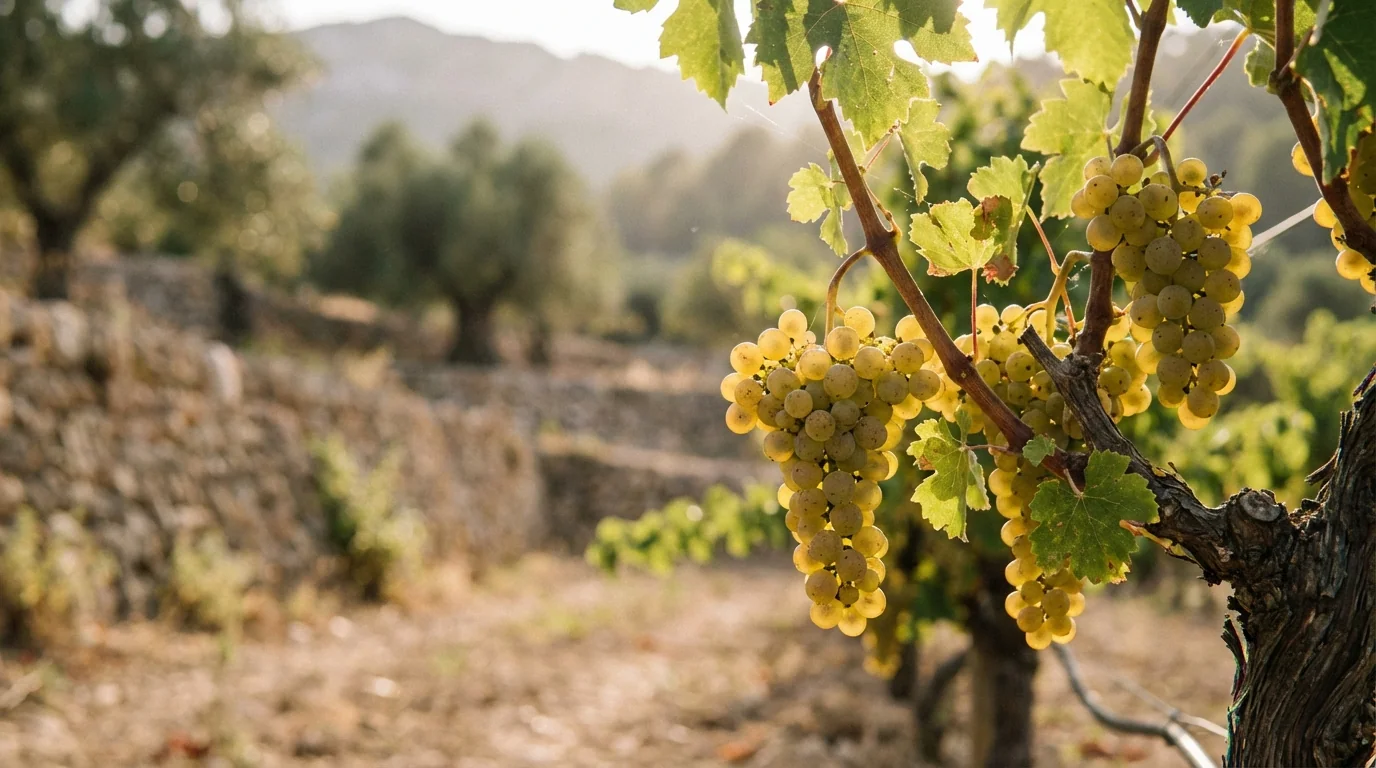
The transition from conventional agriculture to strict biodynamic practices fundamentally alters the physiological development of the vine from the root to the canopy. A premium Mallorca white wine relies heavily on deep root systems to access hidden water reserves and essential nutrients during the arid Mediterranean summer months. By applying specialized preparations like horn manure and horn silica, the estate actively stimulates robust root growth and significantly enhances the plant’s overall photosynthetic efficiency. These dedicated practices foster a vibrant, living soil microbiome, allowing the vines to express the true mineral character of their specific agricultural parcel.
Market data underscores a significant and accelerating shift toward these rigorous agricultural standards across the peninsula. Spain now dedicates over 130,000 hectares to organic viticulture, representing a massive portion of the global organic beverage market. However, achieving status as a Demeter certified wine remains a highly exclusive accomplishment, with only a tiny fraction of those organic estates meeting the stringent biodynamic requirements. This strict certification guarantees that every agricultural decision aligns with natural astronomical cycles and prioritizes long-term ecological regeneration over sheer production volume.
- Enhanced drought resistance due to deeper, more established root networks
- Thicker grape skins that naturally protect against intense solar radiation
- Higher concentrations of aromatic compounds resulting from balanced vine stress
- Greater vintage consistency despite naturally fluctuating weather patterns
Comparing the Viognier Expression Across the Balearic Islands
The Balearic Islands present a fascinating laboratory for cultivating white varietals, with distinct microclimates yielding vastly different expressions of the same grape. While indigenous grapes dominate local production, international varieties carefully adapted to biodynamic principles offer compelling alternative flavor profiles. The limestone soils and constant maritime winds create an ideal environment where grapes can achieve full phenolic ripeness without losing their crucial acidic backbone. This structural balance is particularly vital for a varietal known for its tendency toward over-ripeness in warmer southern climates.
To accurately contextualize these regional variations, analyzing the structural differences between conventionally farmed and biodynamically cultivated vines provides a clear picture of the quality delta. The meticulous approach to canopy management and soil health directly influences the final concentration of the must. The estate also utilizes this varietal’s exceptional aromatic intensity in other formats to add complexity to different blends.
| Viticulture Method | Aromatic Intensity | Acidity Retention | Soil Expression | Certification Level |
|---|---|---|---|---|
| Conventional Farming | Moderate | Low | Muted | None |
| Standard Organic | High | Medium | Apparent | EU Organic |
| Biodynamic Estate | Exceptional | High | Pronounced | Demeter Certified |
This comparative analysis clearly highlights why strict adherence to ecological principles is a practical necessity for producing world-class vino biodinámico in a challenging Mediterranean climate.
The Future Trajectory of Island Viticulture
Balearic viticulture evolution points decisively toward methodologies that prioritize ecological resilience and terroir transparency. The Montesión Viognier 2023 serves as a definitive proof of concept, demonstrating that rigorous farming standards directly correlate with exceptional sensory profiles. First, integrating biodynamic preparations fundamentally strengthens the vine’s natural defenses, ensuring consistent quality across challenging climatic conditions. Second, achieving a balanced, aromatic profile in a warm Mediterranean climate requires meticulous canopy management and deep understanding of local soil composition.
Furthermore, the growing consumer preference for a verified natural wine underscores a broader market shift toward authenticity and environmental stewardship. The estate’s commitment to Demeter certification ensures that every bottle reflects an uncompromised dedication to these principles. By cultivating indigenous varieties alongside carefully adapted international grapes, the property continues to define the apex of sustainable winemaking. This approach guarantees that the resulting vintages capture the exact essence of their origin, offering a pure, unadulterated reflection of the island’s unique ecological landscape.
Frequently Asked Questions
What makes a wine Demeter certified?
A Demeter certification indicates that an agricultural product meets the strictest international standards for biodynamic farming. This requires the complete elimination of synthetic fertilizers and pesticides, replacing them with specific homeopathic preparations that enhance soil vitality and plant health. The entire farm must operate as a closed-loop, self-sustaining ecosystem that promotes biodiversity and aligns agricultural activities with astronomical calendars. This rigorous verification process ensures the highest level of ecological integrity.
How should you serve a biodynamic viognier?
To maximize the aromatic complexity of a biodynamic viognier, serve the bottle slightly chilled between 10 and 12 degrees Celsius. Over-chilling mutes the delicate floral notes of honeysuckle and jasmine, while serving it too warm can accentuate the alcohol and diminish the mineral tension. Decanting the bottle for twenty minutes prior to consumption allows the volatile compounds to open up, fully revealing the depth of the stone fruit profile.
Does organic wine from Spain age well?
Premium organic wine Spain produces possesses excellent aging potential, often outperforming conventionally farmed equivalents. Biodynamic practices encourage thicker grape skins and deeper root systems, resulting in higher concentrations of natural antioxidants and balanced acidity. These structural components act as natural preservatives, allowing the bottle to evolve gracefully in the cellar for five to eight years, developing complex tertiary notes of honey and toasted nuts.
What foods pair best with Mallorca white wine?
A structured, aromatic Mallorca white wine pairs exceptionally well with rich seafood dishes, roasted poultry, and mildly spiced Mediterranean cuisine. The bright acidity cuts through cream-based sauces, while the intense stone fruit flavors complement the savory elements of traditional island stews. The underlying mineral tension also makes it an ideal companion for soft, bloomy rind cheeses and fresh local produce.
