
The Balearic Government recently launched direct financial support for estates adopting biodynamic viticulture in Mallorca. This specific 2026 funding package helps vineyards cover the steep transition costs associated with achieving Demeter certification. Consequently, regional authorities aim to improve soil water retention and combat persistent drought conditions across the islands. These measures firmly establish the region as a growing hub for regenerative agriculture, a path long championed by Montesion Wine Estate.
Mallorca faced historically low rainfall during the winter of 2025, pushing agricultural water reserves to critical limits. Therefore, the local government shifted its strategy away from emergency irrigation relief toward long-term soil resilience. The newly announced vineyard aid for 2026 specifically targets the foundational health of the earth. Naturally, organic farming offers a baseline, but regenerative practices take survival a step further. Specifically, biodynamic methods increase soil humus, which acts like a giant sponge. In fact, a mere one percent increase in soil organic matter can hold an additional 20,000 gallons of water per acre.
Because of this dramatic efficiency, the Conselleria de Agricultura now directly subsidizes the rigorous transition period required for official certification. Previously, many independent growers hesitated to abandon conventional chemical fertilizers due to temporary yield drops. Now, this financial safety net removes that initial economic barrier. Ultimately, this policy validates the demanding path that established biodynamic estates like Montesion Wine Estate have championed for years. Readers will understand exactly how these new Balearic agriculture subsidies operate and why they fundamentally secure the future of island winemaking.
Why do the 2026 vineyard subsidies prioritize soil water retention?
Persistent drought fundamentally threatens the survival of traditional Mediterranean agriculture. Consequently, regional lawmakers realized that surface-level water management fails to address the root cause of vineyard stress. The new Balearic agriculture subsidies tackle this crisis by treating the soil as a living ecosystem rather than a dead medium. Specifically, the government funds practices that actively rebuild the microbial life beneath the vines. Healthy microbial networks create better soil structure, allowing rare rainwater to penetrate deeply instead of running off the hardened surface.
Furthermore, chemical fertilizers severely deplete this natural sponginess over time. Therefore, transitioning away from synthetic inputs becomes a matter of agricultural survival rather than mere environmental idealism. Biodynamic preparations, such as horn manure, specifically stimulate root growth and humus formation. As a result, vines develop deeper root systems capable of accessing hidden moisture reserves during the scorching July and August heat.
Moreover, this proactive approach significantly reduces the overall municipal water burden. Instead of relying on external irrigation, vineyards become self-sustaining microclimates. The 2026 funding specifically rewards estates that implement these advanced moisture-retention strategies. Indeed, officials recognize that supporting these ecological transitions costs far less than managing catastrophic crop failures down the line. Thus, the financial package directly links ecological responsibility with long-term agricultural viability.
What does achieving Demeter certification in Spain actually require?
Transitioning a conventional vineyard to a fully recognized biodynamic estate involves a grueling, multi-year commitment. Typically, the conversion process takes at least three years of strict adherence to international standards. During this period, growers must completely eliminate synthetic pesticides, herbicides, and chemical fertilizers. Instead, they must rely on precise botanical preparations and lunar planting calendars to manage vine health. Consequently, labor costs often spike during these initial years because workers must perform many tasks entirely by hand.
Additionally, Demeter certification in Spain demands rigorous audits and meticulous record-keeping. Farmers must document every natural input, from composted animal manure to specific herbal sprays. Because the entire farm must operate as a closed, self-sustaining organism, external inputs remain heavily restricted. For instance, estates must dedicate at least ten percent of their total land to biodiversity preservation, such as forests or insect habitats.
Naturally, this strict framework causes a temporary drop in grape yields as the vines withdraw from chemical dependency. The newly announced vineyard aid 2026 directly addresses this exact financial vulnerability. By bridging the revenue gap during the three-year conversion, the government empowers smaller growers to take the leap. Therefore, the funding acts as a crucial catalyst for expanding organic wine in Spain without bankrupting the farmers.
How will this funding reshape the future of Mallorca wine?
Financial backing from the local government dramatically accelerates the island’s shift toward premium, terroir-driven production. Historically, bulk wine production relied heavily on chemical interventions to force high yields from exhausted soils. However, the current market for Balearic Islands wine demands authenticity, ecological responsibility, and distinct regional character. By subsidizing the biodynamic transition, authorities effectively push the entire regional industry upscale, cementing sustainability in Mallorca as a core economic driver.
Consequently, indigenous grape varieties like Callet, Manto Negro, and Prensal Blanc will thrive in these restored soils. These native plants evolved over centuries to withstand local climate extremes, making them perfect candidates for regenerative farming. Furthermore, healthy, living soils translate directly into more complex flavor profiles in the glass. When vines dig deeper through vibrant, mineral-rich earth, they produce fruit with unparalleled concentration and vitality.
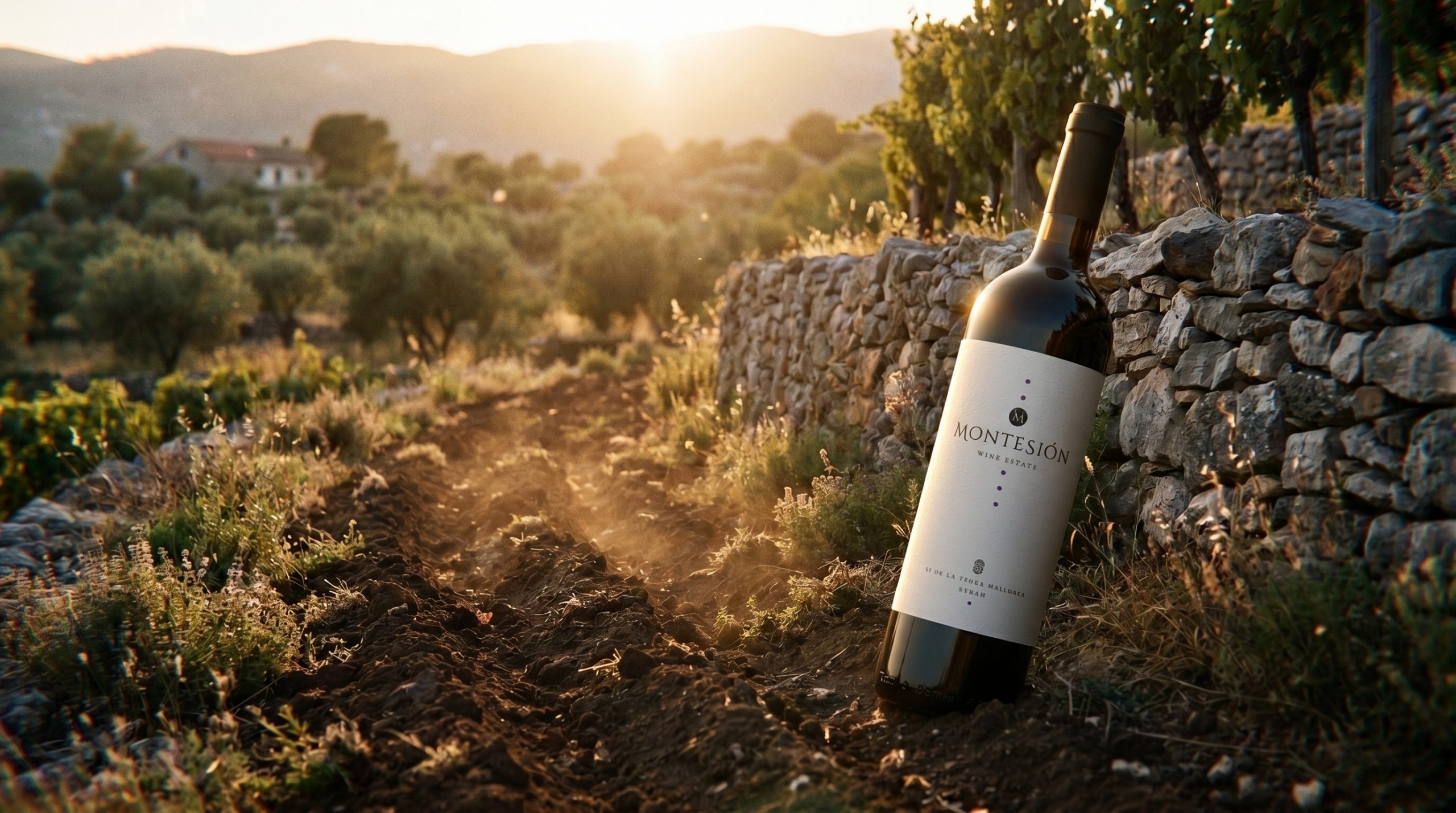
For example, crafting exceptional natural wine requires pristine fruit that speaks clearly of its origin. This philosophy shines through the Montesión Syrah Amphora 2021, a still red wine aged in Italian stoneware vats. Because the amphora breathes like the earth itself, it perfectly preserves the bold, deep fruit flavors cultivated in thriving, chemical-free vineyards. Ultimately, as more estates utilize these new subsidies, the overall reputation of regional vintages will rise globally.
| Farming Approach | Soil Water Retention | Average Transition Time | Certification Standard |
|---|---|---|---|
| Conventional | Very Low | None | None |
| Organic | Moderate | 3 Years | EU Organic Leaf |
| Biodynamic | Extremely High | 3+ Years | Demeter |
Securing the agricultural legacy of the Balearic Islands
The recent government initiative represents a massive victory for sustainable farming advocates across the region. First, these targeted subsidies directly address the escalating climate crisis by prioritizing soil health and water retention. Second, the financial support removes the terrifying economic risks associated with the strict three-year conversion period. Therefore, many hesitant growers will finally transition their operations toward truly regenerative practices.
Moreover, this policy shift fundamentally elevates the global standing of local vintages. When regional authorities financially back rigorous ecological standards, they signal a total commitment to uncompromising quality. Consequently, consumers worldwide will increasingly associate the islands with premium, environmentally responsible viticulture.
Ultimately, this governmental validation proves that working in harmony with nature remains the only viable path forward. Estates that committed to this demanding philosophy years ago now serve as vital models for the broader agricultural community. As the industry evolves, the deep, living soils of the Mediterranean will continue to produce extraordinary, resilient harvests for generations to come.
Frequently Asked Questions
What is the primary focus of the new Balearic agriculture subsidies?
The newly announced financial aid specifically targets the severe transition costs faced by vineyards shifting to regenerative farming. Because the region suffers from persistent drought, the government wants to promote techniques that drastically improve soil water retention. Consequently, the funding helps farmers abandon chemical fertilizers and rebuild the microbial life within their earth. This proactive strategy ultimately protects the local agricultural sector against future climate extremes.
Why does Demeter certification in Spain take so long to achieve?
Securing this prestigious ecological label requires a mandatory, heavily audited conversion period lasting at least three years. During this time, the soil must completely detoxify from all previously used synthetic chemicals and herbicides. Furthermore, the vineyard must establish a completely self-sustaining ecosystem that relies solely on natural botanical preparations and compost. Therefore, the strict international standards demand immense patience and significant manual labor before granting official approval.
How does biodynamic viticulture in Mallorca combat drought conditions?
This specialized farming method systematically increases the organic humus content within the vineyard soil over several seasons. Because humus acts like a massive natural sponge, it captures and holds rare rainwater deep underground. Additionally, the absence of synthetic chemicals encourages vine roots to grow much deeper in search of nutrients. As a result, the plants can easily access hidden moisture reserves during the intense summer heat without requiring external irrigation.
