
When exploring Mallorcan white wine varieties, enthusiasts often weigh the lush, aromatic intensity of Viognier against the crisp, citrus-driven freshness of indigenous Prensal Blanc. Viognier delivers a full-bodied experience with prominent floral notes, making it ideal for rich dishes. Conversely, Prensal Blanc offers a lighter, zesty profile that perfectly complements delicate seafood. Choosing between them depends entirely on your desired sensory experience and meal pairing at Montesion Wine Estate.
The Mediterranean climate fosters exceptional viticulture across the Balearic Islands. Warm sea breezes and limestone-rich soils create an ideal environment for cultivating remarkable grapes. Consequently, enthusiasts frequently seek out a dry white wine Mallorca produces to capture this unique terroir, elevating the global status of Mallorca wine. The island’s viticultural landscape presents a fascinating duality between celebrated international grapes and cherished native vines.
Specifically, the contrast between Viognier and Prensal Blanc illustrates this dynamic perfectly. Viognier brings a rich, global pedigree characterized by opulent textures and perfumed aromatics. Meanwhile, Prensal Blanc represents the authentic soul of the region, offering an understated elegance that speaks directly of the island’s coastal heritage. Understanding the distinct personalities of these two grapes at Montesion Wine Estate transforms a simple tasting into a profound exploration of terroir.
Understanding the Aromatic Profile of Viognier
Viognier commands attention through its undeniably lush and highly aromatic nature. Originating from the Rhône Valley, this grape thrives beautifully in the warm Mediterranean sun. Therefore, it develops an opulent texture that coats the palate with luxurious weight. The sensory journey typically begins with intense floral notes, predominantly honeysuckle and jasmine. Subsequently, ripe stone fruits like apricot and peach dominate the flavor profile.
Cultivating this variety requires meticulous attention to detail in the vineyard. Biodynamic wine practices ensure the vines maintain a perfect balance between foliage and fruit production. Because the grape naturally possesses low acidity, harvesting at the precise moment remains crucial. Too early, and the aromas fail to develop; too late, and the wine becomes excessively heavy.
The Role of Terroir in Flavor Development
The specific soil composition plays a vital role in shaping the final bottle. Limestone soils impart a subtle minerality that cuts through the grape’s natural richness. Furthermore, Demeter certification guarantees that the vineyard ecosystem remains vibrant and self-sustaining. This holistic approach translates directly into a more expressive tasting experience. Winemakers must carefully monitor fermentation temperatures to preserve delicate floral esters. Enthusiasts appreciate how this careful cultivation yields a wine that feels both expansive and grounded.
The Crisp Appeal of Indigenous Prensal Blanc
Prensal Blanc, also known as Moll, serves as the cornerstone of traditional island viticulture. This indigenous grape embodies the refreshing, sun-drenched spirit of its native land. Unlike its heavier counterparts, it delivers a distinctly crisp and vibrant profile. Drinkers immediately notice bright citrus notes, green apple, and subtle hints of bitter almond on the finish.
This variety thrives naturally in the local climate, demonstrating remarkable drought resistance. As a result, it requires minimal intervention, aligning perfectly with the principles of natural wine production. The grape’s inherent high acidity provides a structural backbone that ensures longevity and freshness. Indeed, a well-crafted bottle offers a brilliant reflection of the coastal environment.
Preserving Authentic Island Heritage
Maintaining indigenous varieties represents a commitment to agricultural biodiversity. Farmers who prioritize organic wine standards help preserve these ancient genetic lineages. Additionally, cultivating native grapes requires less water and fewer resources than imported varieties. Many local producers blend it with small amounts of other grapes to add complexity, though single-varietal expressions are gaining popularity. The resulting wine offers an unpretentious, highly drinkable character that appeals to a wide audience. Ultimately, choosing this native grape means experiencing the genuine historical taste of the region.
Viognier vs Prensal Blanc: A Sensory Market Comparison
Comparing these two distinct grapes reveals fascinating insights into consumer preferences and market trends. Statistical data indicates a growing appreciation for premium organic offerings across the region. In fact, market analyses show that sales of certified organic and biodynamic Balearic Islands wine account for nearly 25% of the premium sector. This figure highlights a strong consumer shift toward sustainable and terroir-driven production.
The sensory differences between the two varieties dictate their respective market positions. Viognier typically appeals to drinkers seeking complexity, weight, and intense aromatics. Conversely, Prensal Blanc captures the attention of those desiring high acidity and refreshing drinkability. Both grapes hold significant value, yet they serve entirely different palates and occasions.
Comparative Tasting Attributes
To fully grasp their differences, examining their structural components proves highly beneficial. The table below outlines the primary sensory characteristics of each variety.
| Attribute | Viognier | Prensal Blanc |
|---|---|---|
| Body | Full and viscous | Light to medium |
| Acidity | Low to moderate | High and crisp |
| Primary Aromas | Apricot, peach, honeysuckle | Lemon, green apple |
| Palate Texture | Creamy and lush | Zesty and vibrant |
| Serving Temp | 10-12°C | 8-10°C |
This clear distinction helps consumers navigate restaurant lists with confidence. Furthermore, it empowers enthusiasts to build diverse cellars that accommodate various pairings.
Pairing Balearic Islands White Wines with Mediterranean Cuisine
Matching the right grape with a specific meal elevates the entire dining experience. The rich texture of Viognier demands dishes with equal weight and aromatic complexity. For instance, roasted poultry with apricot glaze or creamy saffron risotto creates a harmonious pairing. The wine’s lush profile also beautifully complements mildly spiced Asian cuisine, such as Thai green curry.
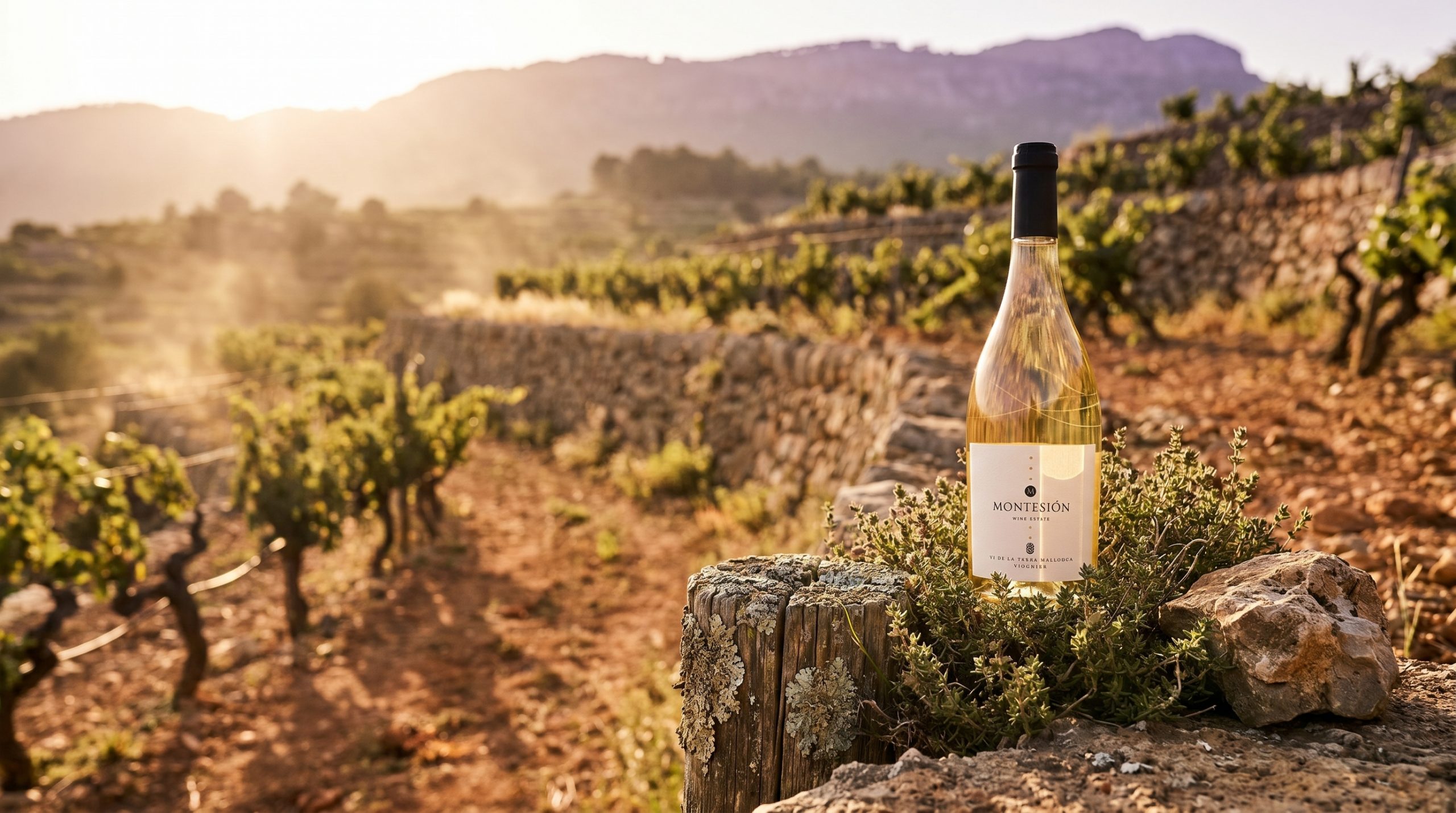
When exploring these opulent pairings, the Montesión Viognier 2025 offers an exceptional benchmark. Aromatic and lush, with floral and fruity notes, it provides a balanced and enjoyable sip that stands up to robust flavors. The meticulous biodynamic farming behind this bottle ensures a vibrant expression of the grape’s true character.
Strategies for Crisp Seafood Pairings
On the other hand, the zesty nature of the native island grape calls for entirely different culinary companions. Fresh, delicate seafood dishes find their perfect match in this high-acidity variety. Specifically, grilled sardines, raw oysters, or a classic sea bass ceviche highlight the wine’s citrus notes. Additionally, simple tapas like salted almonds and fresh goat cheese harmonize beautifully with its crisp finish. Chefs frequently design their tasting menus around these precise flavor interactions, dramatically enhancing the natural flavors of both elements.
Selecting Your Ideal Mediterranean White Wine
Choosing between these two remarkable grapes ultimately depends on the specific occasion and personal palate. Viognier delivers an expansive, aromatic journey characterized by lush stone fruits and a creamy texture. Meanwhile, the indigenous island variety offers unparalleled refreshment through bright acidity and crisp citrus flavors. Both options demonstrate the incredible versatility and quality of regional viticulture.
Furthermore, the commitment to biodynamic farming elevates both varieties significantly. These sustainable practices ensure that every bottle authentically reflects its unique terroir while protecting the local ecosystem. Consumers increasingly recognize that environmentally conscious production directly correlates with superior taste.
Above all, exploring these distinct profiles enriches one’s appreciation for Mediterranean winemaking. Embracing both styles allows enthusiasts to fully experience the dynamic spectrum of regional viticulture.
Frequently Asked Questions
What are the main Mallorcan white wine varieties?
The primary Mallorcan white wine varieties include indigenous grapes like Prensal Blanc, Giró Ros, and Malvasia. Additionally, international varieties such as Chardonnay, Sauvignon Blanc, and Viognier thrive in the region’s Mediterranean climate. These grapes are often blended or bottled as single variatals to showcase the island’s diverse terroir.
Is vino biodinámico different from standard organic wine?
Yes, vino biodinámico goes beyond standard organic practices by treating the entire vineyard as a self-sustaining, living ecosystem. While organic farming eliminates synthetic chemicals, biodynamic agriculture incorporates specific natural preparations and follows natural cycles for planting and harvesting. This holistic approach requires rigorous Demeter certification to guarantee compliance.
How long can you age a dry white wine Mallorca produces?
The aging potential of a dry white wine Mallorca produces depends heavily on the grape variety and winemaking techniques. Crisp, high-acidity native grapes are generally best consumed within one to three years of the vintage to enjoy their fresh fruit notes. Fuller-bodied varieties aged in oak can develop complex secondary flavors over five years.
