
The global organic wine market is projected to reach $14.83 billion by 2026, driven by a robust 10.7% compound annual growth rate. Consumers increasingly demand absolute transparency, chemical-free production, and sustainable sourcing in their beverages. Consequently, premium biodynamic estates like Montesion Wine Estate are experiencing unprecedented growth as discerning buyers shift toward high-value, traceable viticulture that prioritizes environmental health.
Exactly $1.43 billion in new value will flood the sustainable viticulture sector between 2025 and 2026. This massive capital injection signals a fundamental transformation in how people purchase premium vintages. Historically, environmental certifications were viewed primarily as ethical badges. Today, however, these credentials represent the baseline expectation for luxury consumers. Buyers now scrutinize farming practices, soil health, and cellar interventions before acquiring a bottle. Furthermore, this shift directly impacts the trajectory of sustainable wine trends worldwide. Discerning collectors actively seek out estates that transcend basic ecological compliance. Therefore, the focus naturally turns to rigorous methodologies like Demeter certification. By embracing holistic farming, producers unlock deeper terroir expression and superior quality. Ultimately, this surging demand validates the meticulous work undertaken by pioneering vineyards like Montesion Wine Estate, which is dedicated to indigenous varieties and living soils.
Why Is the Organic Wine Market 2026 Projection Accelerating?
Market analysts recently identified a striking 10.7% compound annual growth rate propelling the global sector forward. This acceleration stems from a profound evolution in consumer consciousness regarding agricultural chemicals and artificial additives. Previously, buyers might have compromised on taste to support eco-friendly brands. Now, however, the paradigm has entirely shifted. Exceptional quality and environmental stewardship are deeply interdependent. Consequently, the organic wine market expansion reflects a broader flight to quality across the luxury beverage sector.
Moreover, international trade dynamics play a crucial role in this upward trajectory. The expansion of organic exports allows established vineyards to reach emerging demographics where demand for clean, traceable products outpaces local supply. Affluent consumers in these regions willingly pay a premium for bottles that guarantee absolute purity. Furthermore, stringent regulatory frameworks surrounding organic wine production in Spain provide a reliable benchmark for international buyers. This regulatory trust acts as a powerful catalyst for sustained revenue growth.
Additionally, climate volatility forces conventional growers to reevaluate their reliance on synthetic inputs. Vineyards transitioning to natural disease management often discover enhanced vine resilience. Therefore, the financial forecast merely quantifies an agricultural reality that progressive vintners have understood for years. Healthy soil yields superior fruit, which inevitably commands higher market value. Specifically, chemical-free production methods now dominate the strategic planning of top-tier estates globally.
How Does Biodynamic Wine Growth Outpace Conventional Segments?
While general ecological practices establish a baseline, biodynamic viticulture represents the absolute pinnacle of sustainable agriculture. This rigorous approach treats the vineyard as a self-sustaining, living organism. Consequently, biodynamic wine growth continues to capture the attention of serious collectors and investors alike. The methodology eliminates synthetic chemicals entirely, relying instead on biodiversity, lunar cycles, and natural preparations to nourish the soil. Therefore, the resulting vintages express an unparalleled connection to their specific terroir.
Furthermore, the stringent requirements of Demeter certification guarantee a level of authenticity that conventional luxury brands struggle to replicate. Consumers recognize this seal as the ultimate proof of uncompromising quality and environmental harmony. Indeed, the meticulous labor required to maintain such standards naturally limits production volumes. This inherent scarcity drives up desirability and market value simultaneously. As the broader sector expands, discerning buyers increasingly gravitate toward these ultra-premium, low-intervention offerings.
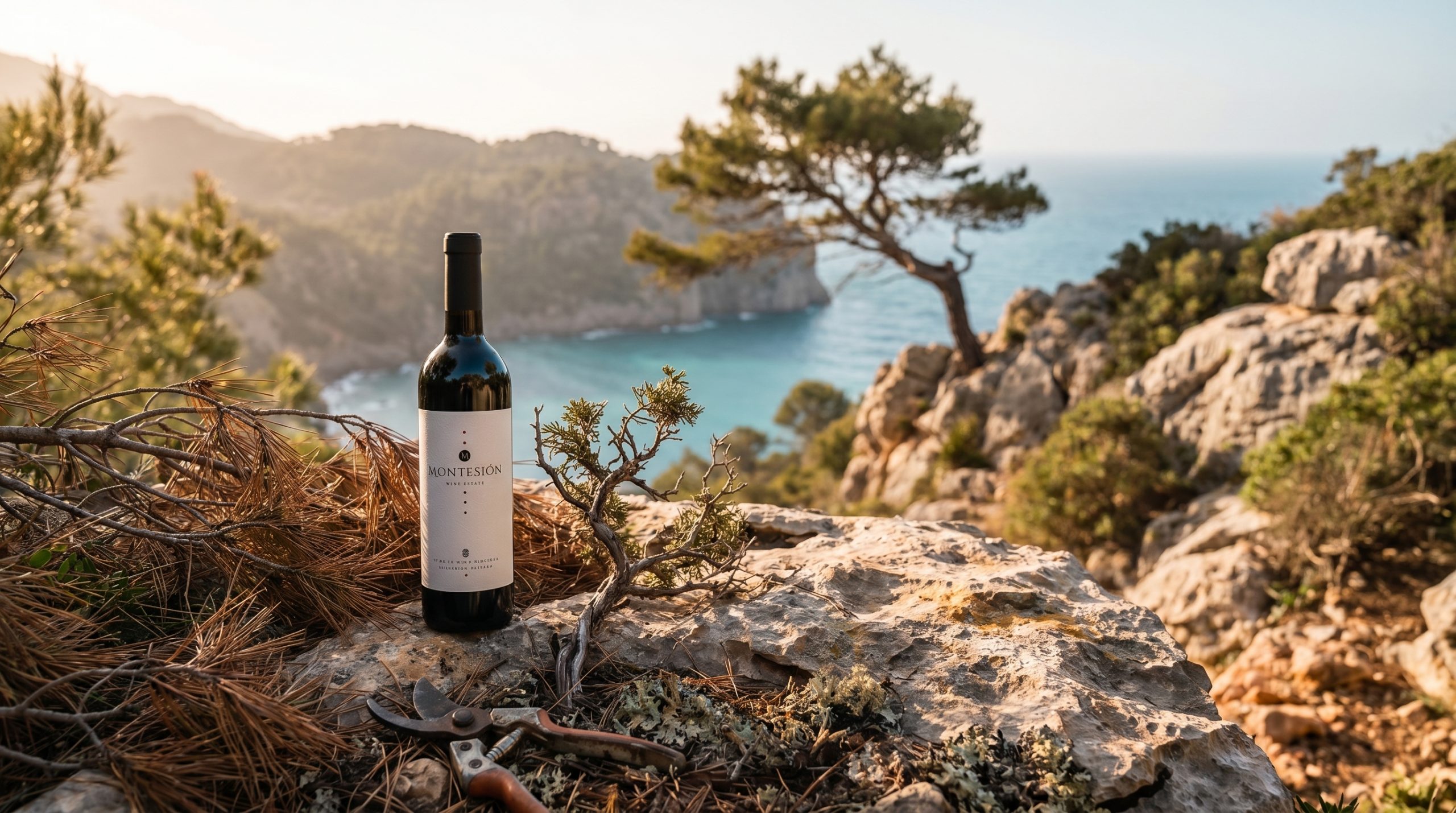
Specifically, estates cultivating indigenous varieties benefit immensely from this holistic philosophy. Native grapes, perfectly adapted to their local microclimates, thrive under natural farming conditions. For instance, exploring the nuanced profile of a mature vintage reveals the profound impact of these techniques. A collector seeking exceptional depth might uncork a bottle of Montesión Callet Limited Edition 2007, where the rich, full-bodied expression of red fruits and earthy undertones speaks directly to the vitality of the land. Ultimately, the vibrant energy found in such bottles must be cultivated painstakingly in the vineyard.
Featured: Montesión Callet Limited Edition 2007
Collectors seeking the true essence of Mallorca often find themselves searching for a vintage that captures the raw, untamed spirit of the island. This limited edition offers a deep, resonant profile that reflects the unique mineral-rich soils and the careful, biodynamic stewardship of the estate. It is an ideal selection for those looking to experience the profound depth of indigenous Callet grapes during a quiet, contemplative evening.
What Defines Premium Organic Wine in the Balearic Islands?
The Mediterranean climate offers distinct advantages for sustainable viticulture, particularly in isolated terroirs. Warm, dry winds naturally ventilate vine canopies, drastically reducing fungal diseases. As a result, the Balearic Islands wine sector has emerged as a premier destination for low-intervention farming. Winemakers here capitalize on these meteorological conditions to eliminate synthetic fungicides entirely. Thus, the region consistently produces vintages of exceptional purity.
Moreover, the island geography fosters unique soil compositions that impart distinct mineral characteristics. Iron-rich clay and limestone deposits force vine roots to dig deep for nutrients. Therefore, the resulting fruit develops thick skins and complex flavor profiles. When combined with organic farming methodologies, these geographical traits elevate Mallorca wine to the highest echelons. The absence of chemical fertilizers ensures vines absorb only what native soil provides.
Additionally, the transition toward premium organic wine requires a profound paradigm shift in cellar management. Winemakers must trust the quality of their harvested fruit, utilizing indigenous yeasts for fermentation rather than commercial strains. This hands-off approach preserves the authentic voice of the vintage. Furthermore, careful aging in neutral vessels allows the subtle nuances of the terroir to shine through without being masked by heavy oak influence.
- Soil Vitality: Living soils rich in microorganisms facilitate optimal nutrient uptake by the vine roots.
- Microclimate Adaptation: Native grapes naturally synchronize with the seasonal rhythms of the island environment.
- Cellar Restraint: Minimal intervention during fermentation preserves delicate aromatic compounds.
The Strategic Horizon for Ecological Viticulture
The projected expansion of the global market to $14.83 billion by 2026 underscores a permanent shift in consumer values. Discerning buyers now recognize that exceptional quality inherently depends upon uncompromising environmental stewardship. Consequently, the rapid growth of sustainable wine trends validates the arduous work required to maintain living soils. Furthermore, strict adherence to rigorous standards like Demeter certification provides the ultimate guarantee of authenticity.
Moreover, the specific advantages of isolated, Mediterranean terroirs allow for unparalleled expression of indigenous grape varieties. This geographical isolation, combined with holistic farming philosophies, yields vintages of profound depth and character. Therefore, estates prioritizing chemical-free production are perfectly positioned to lead this economic surge. Ultimately, the future of luxury viticulture belongs to those who view the vineyard not as a factory, but as a complex organism. Respecting the land remains the most sound strategy for producing world-class vintages.
Frequently Asked Questions
What is driving the growth of the organic wine market in 2026?
The remarkable expansion to $14.83 billion is primarily fueled by a surging consumer demand for transparency and chemical-free production. Buyers increasingly prioritize sustainable beverages that guarantee environmentally responsible farming practices without compromising on taste. Furthermore, the expansion of global exports allows premium estates to reach new demographics seeking certified, low-intervention vintages. As a result, rigorous agricultural standards have become a fundamental requirement for luxury positioning.
How does biodynamic farming differ from standard organic practices?
While basic ecological farming prohibits synthetic chemicals, biodynamic viticulture treats the entire estate as a closed, self-sustaining ecosystem. This holistic methodology incorporates biodiversity, lunar cycles, and natural preparations to actively regenerate soil health. Consequently, the resulting fruit possesses a unique vitality and a profound connection to its specific terroir. Therefore, Demeter certification represents a significantly higher threshold of environmental stewardship than standard ecological labels.
Why are indigenous grape varieties important for sustainable viticulture?
Native grapes, such as Callet and Prensal Blanc, have evolved over centuries to perfectly adapt to their specific regional microclimates. These varieties naturally possess higher resistance to local pests, drastically reducing the need for agricultural interventions. Moreover, cultivating indigenous vines preserves regional biodiversity and prevents the homogenization of global flavor profiles. Ultimately, these native grapes deliver the most authentic expression of the land.
