

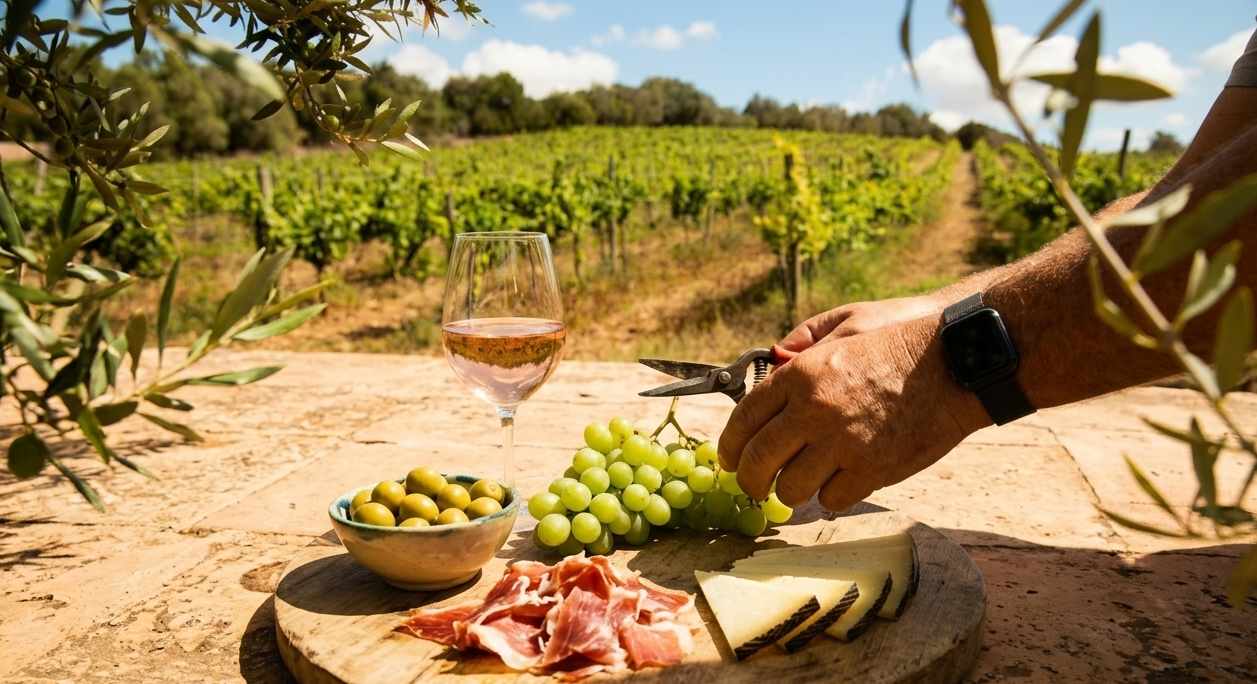
Selecting the right Mallorcan wine transforms a warm summer evening into an unforgettable sensory experience. Indigenous varieties like Callet, Prensal Blanc, and Viognier thrive in the island’s Mediterranean climate, producing wines that naturally complement seasonal cuisine. Understanding how to identify quality indicators, serve at optimal temperatures, and pair with local dishes ensures you’ll enjoy every bottle to its fullest potential.
Mallorca’s wine renaissance has positioned the island as a serious contender in the Spanish wine landscape. The combination of ancient winemaking traditions, volcanic soils, and sea breezes creates distinctive flavor profiles that differ markedly from mainland Spanish wines. Whether you’re exploring a local wine shop in Palma or dining at a coastal restaurant, knowing how to navigate Mallorcan wine labels and varieties empowers you to make confident selections. This guide walks you through the essential steps for choosing, serving, and enjoying wines from the Balearic Islands during the warmest months of the year.
Step 1: Identify Quality Mallorcan Wine Labels
Authentic Mallorcan wines carry specific designations that signal quality and origin. Look for the IGP Vi de la Terra de Mallorca certification on the label-this protected geographical indication guarantees the grapes were grown and vinified on the island according to established standards. Wines bearing this mark undergo rigorous testing for typicity and quality before reaching consumers.
Beyond regional certification, Demeter certification indicates biodynamic farming practices. This international standard represents the highest level of organic viticulture, requiring winemakers to follow lunar cycles, use natural preparations, and maintain closed-loop ecosystems. Demeter-certified wines often display more pronounced terroir characteristics because the vines develop deeper root systems and more complex relationships with their environment. Montesion Wine Estate exemplifies this commitment to biodynamic viticulture, producing wines that express the unique character of Mallorca’s volcanic soils.
Indigenous grape varieties deserve special attention when scanning labels. Callet, Mallorca’s signature red grape, produces wines with moderate tannins and red fruit flavors balanced by earthy undertones. Prensal Blanc, the island’s traditional white variety, offers crisp acidity and citrus notes ideal for warm weather. Viognier, though originally from France’s Rhône Valley, has adapted remarkably well to Mallorcan conditions, yielding aromatic wines with lush tropical fruit character.
Vintage dates matter more than many casual wine drinkers realize. Mallorcan wines from drier, hotter years tend toward fuller bodies and higher alcohol levels, while cooler vintages produce wines with brighter acidity and more delicate aromatics. A 2020 vintage label, for instance, signals a year with ideal ripening conditions-dry, mild weather that allowed grapes to develop concentrated flavors without excessive sugar accumulation.
Finally, examine the alcohol content listed on the label. Mallorcan wines typically range between 13% and 14.5% alcohol by volume. Higher percentages suggest riper fruit and warmer growing conditions, while lower percentages often indicate wines designed for earlier consumption and lighter food pairings.
Step 2: Master Optimal Serving Temperatures for Summer
Temperature dramatically affects how wine tastes, yet most people serve summer wines too cold or too warm. White wines benefit from chilling between 8°C and 12°C-cold enough to emphasize refreshing acidity but warm enough to allow aromatic compounds to volatilize. Place bottles in the refrigerator for approximately 90 minutes before serving, or submerge them in an ice bucket filled with equal parts ice and water for 20 minutes.
Rosé wines occupy a middle ground, performing best at 8°C to 10°C. The Montesión Rose Cuvée 2025 exemplifies this category-its blend of Merlot, Chardonnay, Cabernet Sauvignon, and Viognier creates a Provençal-style wine with pale onion-skin color and vibrant strawberry aromatics. Served at the proper temperature, its tropical fruit notes and balanced freshness make it an ideal aperitif for terrace gatherings.
Red wines present the biggest temperature challenge during summer. The standard room temperature guideline assumes a 18°C to 20°C environment, but summer rooms often reach 25°C or higher. Instead, aim for 15°C to 17°C for full-bodied reds and 12°C to 15°C for lighter styles. This means refrigerating red wines for 30 to 45 minutes before serving, then allowing them to warm gradually in the glass.
Light-bodied reds with lower tannin levels can handle even cooler temperatures. A slight chill enhances their fruit-forward character and makes them more refreshing alongside grilled vegetables or seafood. Consider serving indigenous Callet wines at the cooler end of the red wine spectrum-their moderate structure and red fruit profile adapt well to this treatment.
Invest in a simple wine thermometer to eliminate guesswork. Digital models provide instant readings and cost less than a single premium bottle. Insert the thermometer into the bottle or wrap it around the outside, then adjust accordingly. Over time, you’ll develop intuition for proper serving temperatures, but precision matters when showcasing the nuanced flavors of quality Mallorcan wines.
Step 3: Create Perfect Food Pairings with Mediterranean Cuisine
Mediterranean cuisine and Mallorcan wine evolved together over centuries, creating natural flavor synergies. Start with the fundamental principle: match wine intensity to food intensity. Delicate white fish preparations pair beautifully with aromatic white wines, while robust meat dishes require structured reds with firm tannins.
Seafood dominates summer tables across the Balearic Islands, making white wine pairing essential knowledge. Grilled prawns, octopus salad, and fresh oysters all benefit from wines with pronounced acidity and mineral character. The citrus notes and crisp finish of Prensal Blanc-based wines cut through the richness of olive oil dressings while complementing the briny sweetness of shellfish.
Traditional Mallorcan dishes like pa amb oli-bread rubbed with tomato and drizzled with olive oil-call for wines that won’t overpower simple ingredients. Medium-bodied whites or light rosés work perfectly here, especially when the bread is topped with local cheese or sobrasada sausage. The key lies in matching the wine’s fruit intensity to the topping’s flavor concentration.
Grilled meats and vegetables benefit from red wines with sufficient structure to stand up to char and smoke flavors. However, summer grilling often involves lighter preparations than winter roasts. A wine like the Montesión Viognier 2025 bridges the gap beautifully-its lush texture and exotic fruit aromatics complement both grilled chicken and vegetable skewers without overwhelming delicate seasonings.
Rice dishes, particularly paella variations, present unique pairing challenges because they combine multiple protein sources and bold seasonings. Choose versatile wines that offer both acidity and body. Rosé wines excel here, as their fruit-forward character harmonizes with saffron and paprika while their refreshing quality balances the dish’s richness. The aromatic intensity and balanced structure of a well-made Mallorcan rosé can tie together the diverse flavors in a seafood paella.
Desserts require special consideration during warm weather. Fresh fruit-based desserts pair naturally with aromatic white wines that echo similar fruit flavors. Alternatively, serve a slightly chilled red wine with chocolate-based desserts-the contrast between cool wine and rich chocolate creates an unexpectedly pleasant sensation.
Step 4: Build Your Mallorcan Wine Selection Strategy
Developing a systematic approach to wine selection saves money and prevents disappointing purchases. Begin by identifying three to four reliable producers whose style aligns with your preferences. Visit their tasting rooms when possible, as direct interaction with winemakers provides insights no label can convey. Ask specific questions about vineyard practices, harvest dates, and aging techniques-producers passionate about quality will eagerly share this information.
Create a reference system for tracking wines you enjoy. A simple notebook or smartphone app suffices-record the producer, vintage, grape varieties, and your tasting impressions. Note the context too: what you ate, the temperature, who joined you. Wine appreciation depends heavily on circumstance, and these details help you recreate successful experiences.
Diversify your selections across wine styles rather than buying multiple bottles of the same wine. Purchase one or two bottles each of a white, rosé, and red to cover different meal occasions and guest preferences. This approach also allows you to explore the range of Mallorcan viticulture without committing to large quantities of any single style.
Consider the aging potential when selecting wines. Most Mallorcan whites and rosés are designed for consumption within two years of vintage, emphasizing fresh fruit character over development complexity. Red wines, particularly those aged in oak barrels, can evolve beautifully for five to ten years or more. If you discover a red wine you love, buying multiple vintages allows you to experience how the producer’s style evolves year to year.
Build relationships with knowledgeable wine merchants who specialize in Spanish regional wines. These professionals taste extensively and can guide you toward bottles that match your stated preferences. Describe wines you’ve enjoyed in detail-specific flavor notes, body, and finish-rather than using vague terms like “smooth” or “nice.” The more precise your communication, the better recommendations you’ll receive.
Quick Checklist: Your Mallorcan Wine Essentials
Before your next wine purchase or tasting experience, verify you’ve covered these fundamentals:
- Check labels for IGP Vi de la Terra de Mallorca certification and Demeter biodynamic designation
- Identify indigenous grape varieties: Callet for reds, Prensal Blanc for whites, Viognier for aromatics
- Chill white wines to 8°C-12°C, rosés to 8°C-10°C, and reds to 12°C-17°C depending on body
- Match wine intensity to food intensity-delicate dishes with lighter wines, robust preparations with structured wines
- Pair seafood with high-acid whites, grilled meats with medium-bodied reds, rice dishes with versatile rosés
- Build a diverse selection across styles rather than multiple bottles of one wine
- Record tasting notes including context, food pairings, and serving conditions
- Establish relationships with specialized wine merchants who understand Spanish regional wines
- Consider aging potential when purchasing-whites and rosés for immediate enjoyment, reds for potential cellaring
- Invest in a wine thermometer to ensure proper serving temperatures
These steps transform wine selection from guesswork into an informed, repeatable process that consistently delivers satisfying results.
Frequently Asked Questions
What makes Mallorcan wines different from other Spanish wines?
Mallorcan wines express unique characteristics shaped by the island’s volcanic soils, maritime climate, and indigenous grape varieties. The constant sea breezes moderate temperatures and create significant diurnal variation-warm days followed by cool nights-allowing grapes to develop concentrated flavors while retaining natural acidity. Indigenous varieties like Callet and Prensal Blanc have adapted to these conditions over centuries, producing flavor profiles distinct from mainland Spanish grapes. Additionally, many Mallorcan producers embrace biodynamic and organic farming practices at higher rates than other Spanish regions, resulting in wines that emphasize terroir expression and minimal intervention winemaking.
How long can I store opened Mallorcan wine during summer heat?
Opened wine deteriorates faster in warm conditions because heat accelerates oxidation reactions. White and rosé wines remain drinkable for two to three days when refrigerated immediately after opening and sealed with a proper wine stopper. Red wines last slightly longer-three to four days-because their tannin content provides some oxidation protection. However, summer temperatures above 25°C can reduce these timeframes by half if bottles are left at room temperature. Invest in a vacuum pump system to remove oxygen from partially consumed bottles, extending their lifespan by an additional day or two. Alternatively, transfer remaining wine to smaller containers to minimize air contact.
Should I decant Mallorcan red wines before serving?
Decanting benefits depend on the wine’s age and structure. Young, tannic red wines-particularly those aged in oak barrels-open up significantly after 30 to 60 minutes of air exposure, softening harsh tannins and allowing fruit flavors to emerge. Older red wines with sediment require careful decanting to separate clear wine from deposits, but extended aeration can strip delicate aged characteristics. For most Mallorcan reds consumed within five years of vintage, a brief 15 to 30 minute decanting period enhances the drinking experience without risk of over-oxidation. During summer, consider decanting red wines and then placing the decanter in the refrigerator for 15 minutes to achieve optimal serving temperature.
Can I pair Mallorcan wines with non-Mediterranean cuisine?
Mallorcan wines pair successfully with diverse cuisines because their balanced acidity, moderate alcohol levels, and fruit-forward profiles create versatile flavor bridges. Aromatic white wines complement Asian dishes featuring ginger, lemongrass, and coconut, while structured red wines match well with Latin American grilled meats and mole sauces. The key lies in analyzing the dish’s dominant flavors-spice level, fat content, acidity, and cooking method-then selecting a wine that harmonizes rather than clashes. However, Mallorcan wines shine brightest alongside Mediterranean ingredients because they evolved to complement olive oil, tomatoes, seafood, and herbs native to the region.
