
Biodynamic wine and organic wine are often mentioned in the same breath, yet they represent distinctly different philosophies and practices. Understanding the differences between biodynamic wine vs organic wine matters if you care about what goes into your glass and how it was grown. Both approaches reject synthetic chemicals, but biodynamic viticulture goes further-it treats the vineyard as a living ecosystem guided by cosmic rhythms and holistic principles.
The distinction shapes everything from certification requirements to farming methods to the final wine in your bottle. For consumers navigating the crowded marketplace of “green” wines, clarity on these differences can transform purchasing decisions from guesswork into informed choice.
What Defines Organic Wine?
Organic wine production operates within a strict regulatory framework established by the European Union. According to mdpi.com, organic agriculture is governed by EU Council Regulation EC No. 834/2007 and EC No. 203/2012, creating clear, enforceable standards that apply across all member states. This legal structure means organic certification carries official recognition and consistent meaning across borders.
The core principle of organic viticulture is simple: eliminate synthetic pesticides, herbicides, and fungicides from the vineyard. Organic farmers replace chemical interventions with natural alternatives-sulfur dust for mildew, copper compounds for disease prevention, and mechanical methods for weed control. Soil health becomes central; organic practitioners build fertility through composting, cover cropping, and crop rotation rather than relying on synthetic nitrogen fertilizers.
In the winery itself, organic winemakers face fewer restrictions than their biodynamic counterparts. They may use selected yeasts to initiate fermentation, apply temperature control during fermentation, and employ certain oenological practices to stabilize or clarify wine. Sulfites-a naturally occurring preservative also added in small quantities-are permitted up to 150 mg per liter in organic white and rosé dry wines, compared to lower limits in conventional production.
Certification requires annual inspection, soil testing for chemical residues, and documented vineyard management practices. The process is straightforward: meet the regulatory checklist, pass inspection, renew yearly. Organic certification costs money and demands administrative effort, but the pathway is transparent and well-established. For this reason, organic wine remains the more accessible entry point into sustainable viticulture for many producers.
The Biodynamic Distinction: Philosophy Meets Practice
Biodynamic viticulture shares organic farming’s rejection of synthetics but adds a layer of philosophical depth rooted in anthroposophy-a spiritual science developed by Rudolf Steiner in the 1920s. According to dovepress.com, biodynamic agriculture views the farm as a living organism, with soil, plants, animals, and humans interconnected through cosmic and terrestrial rhythms. This holistic vision guides daily decisions in ways that extend beyond regulatory compliance.
Biodynamic practitioners begin with organic principles as a foundation-synthetic chemicals are prohibited-but then apply additional practices unique to biodynamic farming. Special preparations derived from natural materials (compost, minerals, plant matter) are applied according to lunar and planetary cycles. These biodynamic preparations, sometimes called Steiner preparations, are distributed at precise times believed to enhance soil vitality and plant resilience. Planting, pruning, harvesting, and cellar work all follow a biodynamic calendar aligned with cosmic events rather than convenience.
The philosophy assumes that everything in the universe resonates with interconnected energy. Biodynamic farmers believe these practices help the vineyard develop its full potential, producing grapes of superior quality and complexity. Whether viewed through a scientific or spiritual lens, the result is measurable: biodynamic vineyards typically show greater biodiversity, more resilient soil structure, and vines with deeper root systems.
Certification through Demeter-the international biodynamic authority since 1927-is more demanding than organic certification. According to dovepress.com, Demeter approved its first standards for biodynamic winemaking in 2008. Demeter certification requires not only compliance with organic regulations but also adherence to strict biodynamic protocols in both vineyard and cellar. The certification cost is higher, the inspection process more rigorous, and the standards themselves more restrictive. Yet for estates committed to the philosophy, Demeter certification represents the gold standard-a public declaration of dedication to regenerative agriculture.
Winemaking Practices: Where Certification Becomes Tangible
The differences between organic and biodynamic become most visible during winemaking. Organic producers enjoy flexibility; they can inoculate selected yeasts, apply temperature control, use various additives, and employ modern stabilization techniques. These tools help ensure consistency and prevent spoilage-practical advantages in a commercial setting.
Biodynamic winemaking, by contrast, minimizes intervention. Spontaneous fermentation-allowing wild yeasts naturally present on grape skins to initiate fermentation-is the norm. Temperature control is often avoided to allow fermentation to progress at its natural pace. Additives are restricted to the absolute minimum. Sulfites, the primary preservative, are used sparingly-far below the levels permitted in organic wine. Physical methods (filtration, settling, racking) are preferred over chemical ones whenever possible.
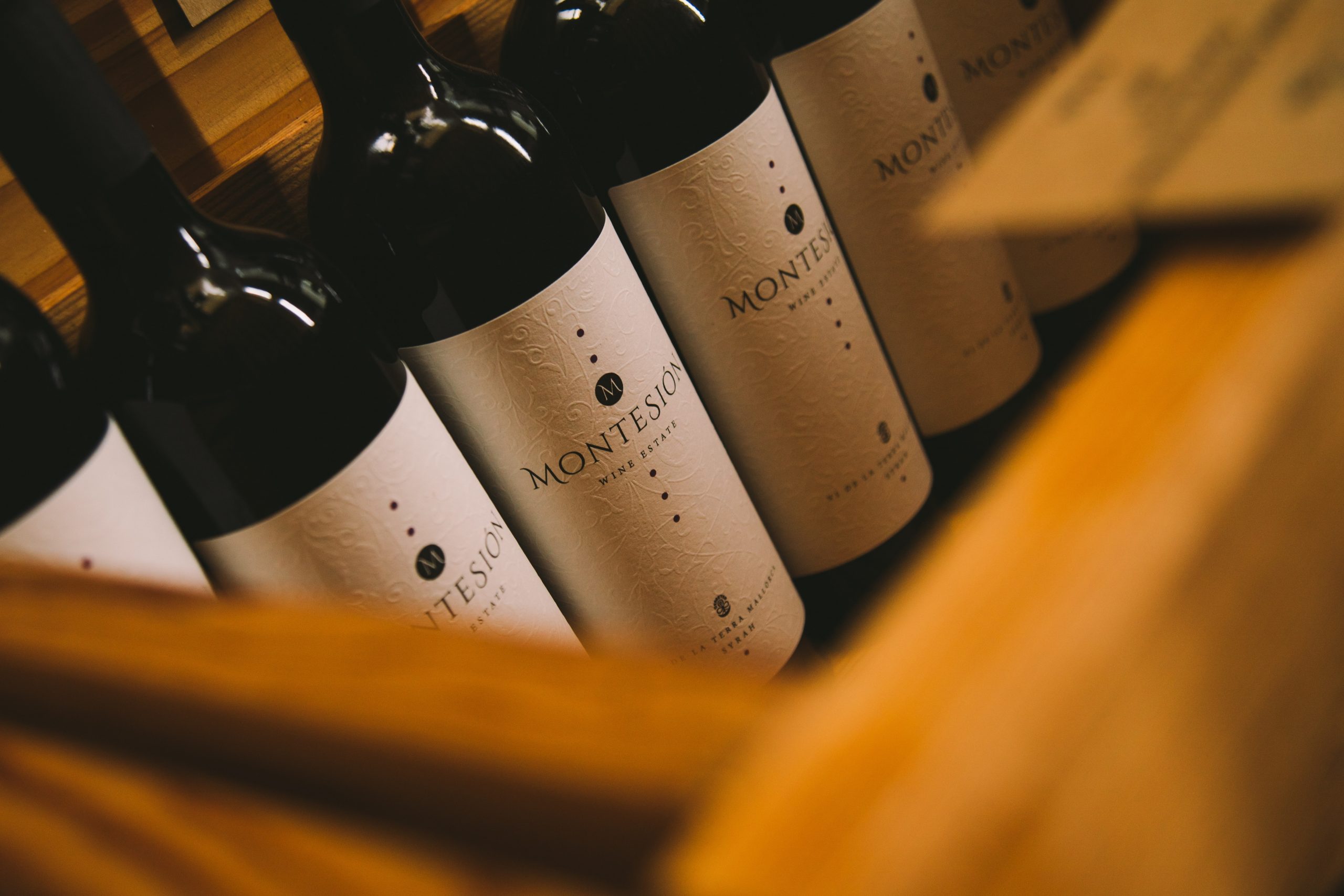
This restraint reflects the biodynamic belief that the wine should preserve the vineyard’s energy and the grape’s essence. Less intervention means the wine expresses terroir more directly-the specific character of soil, climate, and vintage flows into the bottle with minimal human alteration. For winemakers like those at Montesion Wine Estate, this philosophy shapes every decision from harvest to bottling. The result is wine that tastes alive, complex, and deeply connected to its origin.
Featured: Son Naava Olive Oil 3,5L
As you explore the philosophy of minimal intervention and regenerative agriculture in winemaking, discover how the same principles extend to your table. Son Naava Olive Oil embodies this commitment-crafted with biodynamic practices and Demeter certification, each bottle captures the essence of land and intention. Pair it with your biodynamic wine to complete a sensory experience rooted in shared values of sustainability and quality.
Quality, Terroir, and What These Certifications Mean for Taste
Does certification guarantee better wine? Not automatically. Organic and biodynamic vineyards produce excellent wines; so do some conventional vineyards managed with care and restraint. However, the practices underlying each certification do influence wine character.
Organic wines often display clean fruit expression and clarity-the natural flavors of the grape variety shine through without chemical interference. Biodynamic wines tend toward greater complexity, deeper mineral character, and a sense of place that feels more pronounced. This reflects not just the absence of chemicals but the active cultivation of soil health and biodiversity. Healthier soil produces more complex grapes; more complex grapes make more interesting wine.
Terroir-the complete expression of a vineyard’s geography, geology, and microclimate-emerges more forcefully in biodynamic wines precisely because intervention is minimized. The wine becomes a direct translation of the land, unfiltered by modern winemaking technology. For consumers seeking wines with character and story, this distinction matters.
Frequently Asked Questions
What is the main difference between organic and biodynamic wine?
Organic wine production eliminates synthetic pesticides and follows regulatory standards set by the European Union. Biodynamic wine production meets all organic requirements but adds additional practices based on anthroposophical principles, including applications of natural preparations timed to lunar and planetary cycles, and stricter limits on winemaking interventions. Biodynamic farming treats the vineyard as a living organism and requires Demeter certification, which is more rigorous than organic certification.
Is biodynamic wine always better quality than organic wine?
Biodynamic and organic wines can both be exceptional. Quality depends on many factors including grape variety, vintage conditions, winemaking skill, and terroir. However, biodynamic practices often produce wines with greater complexity and mineral character because the emphasis on soil health and minimal intervention allows terroir to express itself more fully. The difference is philosophical and practical rather than absolute-biodynamic represents a deeper commitment to regenerative agriculture, but excellent organic wines exist, and some conventional wines are also outstanding.
How do I know if a wine is truly biodynamic or organic?
Organic wine in the European Union carries an official organic certification logo and meets EU regulations EC 834/2007 and EC 203/2012. Biodynamic wine displays the Demeter certification logo, which indicates the wine was produced according to Demeter standards and verified by an independent Demeter certifier. Look for these logos on the label or bottle. According to dovepress.com, Demeter certifies wines as either “made from biodynamic grapes” or “biodynamic wine,” with the latter representing stricter standards for winemaking practices.
