
Mallorca wine has earned a reputation for expressing the Mediterranean in a distinctly local voice. The island’s sun, sea winds, dry soils and native grapes create bottles with freshness, texture and a subtle saline edge. A 2024 report on a Mallorcan estate’s new releases showed how strongly Mallorca’s wine identity now depends on place, rather than imitation. (elespanol.com)
On April 24, 2024, El Español featured a Mallorcan wine project built around more than 40,000 vines and over 10 hectares of vineyards in the Pla de Mallorca. The report focused on a rosé made from Callet and a white based on Prensal Blanc, both presented as fresh, balanced expressions of the island. Their appeal came from a simple idea: Mediterranean character should be tasted, not merely described. (elespanol.com)
That idea still matters in 2026. Mallorca’s wine sector is gaining attention because it combines indigenous varieties, demanding conditions and a growing commitment to responsible farming. The result is a regional style with its own rhythm. Wines can feel bright and generous, yet never lose the tension created by wind, limestone, low rainfall and intense summer light.
Why Mallorca wine tastes like a landscape
A vineyard in Mallorca does not grow in isolation. It sits within a wider agricultural landscape shaped by almond trees, olive groves, dry-stone walls and maritime air. These surroundings influence how the island is farmed, but they also influence how visitors understand its wines. A glass becomes part of a landscape rather than a separate luxury product.
The 2024 feature highlighted several details that explain this connection. The Mallorcan estate’s vines receive around 300 days of sunshine each year, while warm winds help refresh the vineyard and support even ripening. Those conditions can produce ripe fruit, but the sea-influenced air also helps preserve freshness and contributes a light saline impression. (elespanol.com)
However, sunshine alone does not define a regional wine. The island’s native grapes carry much of the identity. Callet can bring red-fruit energy, earthy depth and a gentle Mediterranean warmth. Prensal Blanc often offers floral lift, citrus freshness and a clean mineral line. These varieties make the wines recognisable without demanding heavy extraction or excessive oak.
That balance explains why the phrase best wine in Mallorca cannot refer to one universal bottle. The strongest examples depend on the occasion, the vintage, the dish and the drinker’s sense of place. A lively rosé can speak more clearly at a seaside lunch than a powerful red. Likewise, a textured white may reveal the island better beside grilled fish than beside a complicated tasting menu.
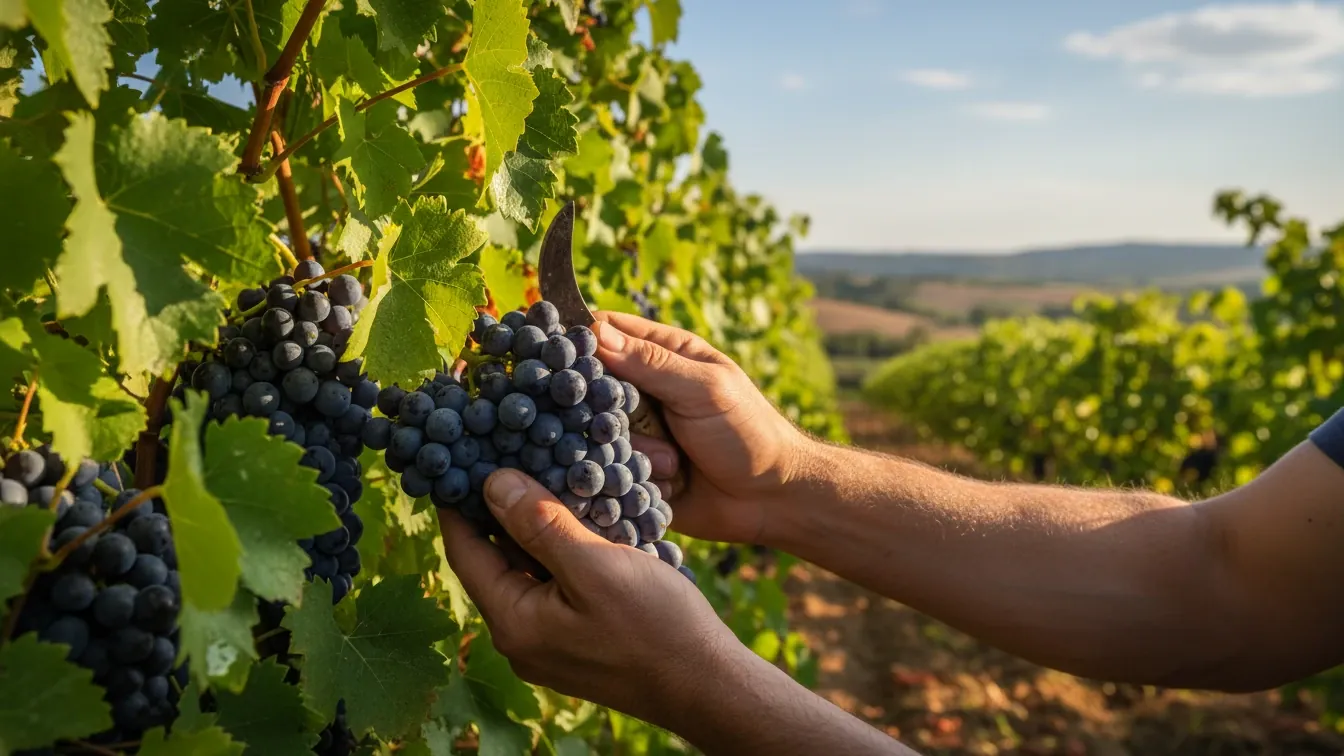
The current interest in Mallorca wine also reflects a wider change in consumer expectations. Drinkers increasingly want to know where grapes grew, how they were harvested and whether the farming respects the land. Hand harvesting, restrained intervention and native varieties now carry practical meaning. They show that a wine’s identity begins long before fermentation.
How biodynamic wine gives local character more depth
The Mediterranean is beautiful, but farming here is not easy. Summer heat arrives with little rainfall, water remains precious and soils must retain enough life to support vines through difficult months. For that reason, biodynamic wine is not simply a philosophical label. In the vineyard, it becomes a daily discipline built around observation, timing and restraint.
Demeter-certified farming takes that discipline further by treating the estate as a living system. Soil, plants, animals and biodiversity form part of one agricultural cycle. The approach does not promise that every vintage will taste identical. Instead, it allows the vineyard to respond to its conditions while protecting the biological health that makes future harvests possible.
At a biodynamic wine estate in Porreres, including Montesion Wine Estate, this perspective can be seen in the relationship between vineyard work and winemaking. Grapes are selected and harvested by hand. Fermentation begins spontaneously, without added yeasts or bacteria, and temperature control helps preserve the fruit’s clarity. Stainless steel tanks provide precision, while ageing vessels such as French oak or Italian stoneware shape texture without erasing the origin of the wine.
That method suits Mallorca because the island already offers plenty of flavour. Overworked wines can lose the distinction between ripe fruit and heavy alcohol. Careful farming and measured cellar work allow the grape to remain articulate. The final wine can feel generous, yet still finish with lift.
A useful comparison is olive oil. The best Mallorcan oil does not taste like a laboratory exercise in purity. It tastes of green fruit, sunlight and the timing of the harvest. Wine works in a similar way. A bottle should not taste like a formula for Mediterranean style. It should taste like one specific place during one specific year.
For visitors searching for wine activities in Mallorca, this agricultural context changes the experience. A tasting becomes more than a sequence of aromas. It becomes a way to understand why Callet behaves differently from Cabernet Sauvignon, why Prensal Blanc matters to the island and why farming choices influence the glass.
Destacado: Montesión Viognier 2025
When the island’s warmth calls for a white with freshness and character, Montesión Viognier 2025 brings a luminous, aromatic expression to the moment. Its layered texture and expressive fruit make it a graceful choice for a relaxed Mediterranean lunch or an evening shared outdoors.
What the Mediterranean looks like in a modern rosé
Rosé often reveals a region’s character with unusual speed. Its lighter structure leaves little room for excessive oak or aggressive extraction, so freshness and fruit must work together. The style featured by El Español followed that logic, presenting a Callet-based rosé with red-fruit aromas, balanced acidity and enough versatility for salads, fish, rice and local sausages. (elespanol.com)
A contemporary Mallorcan rosé can therefore act as a bridge between vineyard and table. It works as an aperitif, yet it can also carry a meal. That flexibility mirrors island cooking, where grilled seafood, rice dishes, vegetables, cured meats and soft cheeses often share the same table.
This is where a wine such as Montesión Rose Cuvée 2025 fits naturally into the conversation. Its pale onion-skin colour suggests a Provençal silhouette, while the blend of Merlot and Viognier brings ripe strawberry, balsamic notes, banana and lychee. The palate remains fresh and balanced, making it suitable for fish, pasta, rice dishes, white meats or an unhurried first glass.
The wine also reflects a broader approach to Mallorca’s modern identity. Its grapes come from hand-harvested vineyards near Porreres, and fermentation takes place in stainless steel under controlled temperatures. Traditional methods and spontaneous fermentation preserve a sense of movement in the wine. It feels polished, but not detached from the vineyard.
That detail matters because Mediterranean wine is sometimes reduced to a visual fantasy: bright buildings, blue water and a chilled bottle. The more interesting reality is less decorative. It includes dry soils, careful canopy work, early morning harvests and decisions made around heat. The freshness in the glass is earned.
Why indigenous grapes matter beyond the island
Mallorca’s native varieties offer the region a chance to compete through identity rather than volume. International grapes can perform well in many climates, but local grapes carry historical memory. They tell drinkers that the wine could not have been made in quite the same way elsewhere.
Callet is especially valuable because it combines Mediterranean warmth with moderate structure. It can produce reds with ripe fruit, earthy undertones and integrated tannins, while also showing brightness in rosé. Prensal Blanc offers another point of difference, particularly for drinkers seeking aromatic whites with freshness and a distinct island profile.
Viognier adds a different dimension. Its floral intensity and exotic fruit character can bring generosity to a blend, but careful harvesting keeps that richness from becoming heavy. In a warm climate, balance matters more than sheer aromatic power.
Together, these grapes help define a future for organic wine Spain that feels rooted rather than fashionable. They support a regional story built on biodiversity, responsible farming and culinary connection. The same principles also strengthen the reputation of Balearic Islands wine in international markets.
The lasting lesson from the 2024 article is not that one bottle has captured the whole Mediterranean. No single wine can do that. The stronger lesson is that Mallorca has the raw materials and the confidence to speak for itself. Its sun gives fruit, its winds preserve tension and its native grapes provide the accent.
Today, the island’s most compelling wines are not trying to become generic luxury products. They are becoming more precise versions of themselves. That is the real opportunity for biodynamic producers: to show that environmental care and regional character can reinforce each other.
A bottle from Porreres can carry more than flavour. It can carry the timing of a harvest, the resilience of a dry vineyard and the quiet influence of the sea. That combination gives Mallorca a distinctive place among Mediterranean wine regions. It also explains why local varieties remain central to the island’s future.
For estates working under Demeter principles, the connection becomes even clearer. Healthy soils support resilient vines, resilient vines preserve fruit quality and expressive fruit gives the wine a credible sense of origin. The process is agricultural before it is commercial.
In that sense, the phrase embottling the Mediterranean is not just a poetic headline. It describes the way a well-made Mallorcan wine compresses climate, culture and careful work into one practical object. The bottle travels, but the identity stays firmly on the island. Montesion Wine Estate reflects this balance through its biodynamic approach and focus on Mallorca’s indigenous character.
