

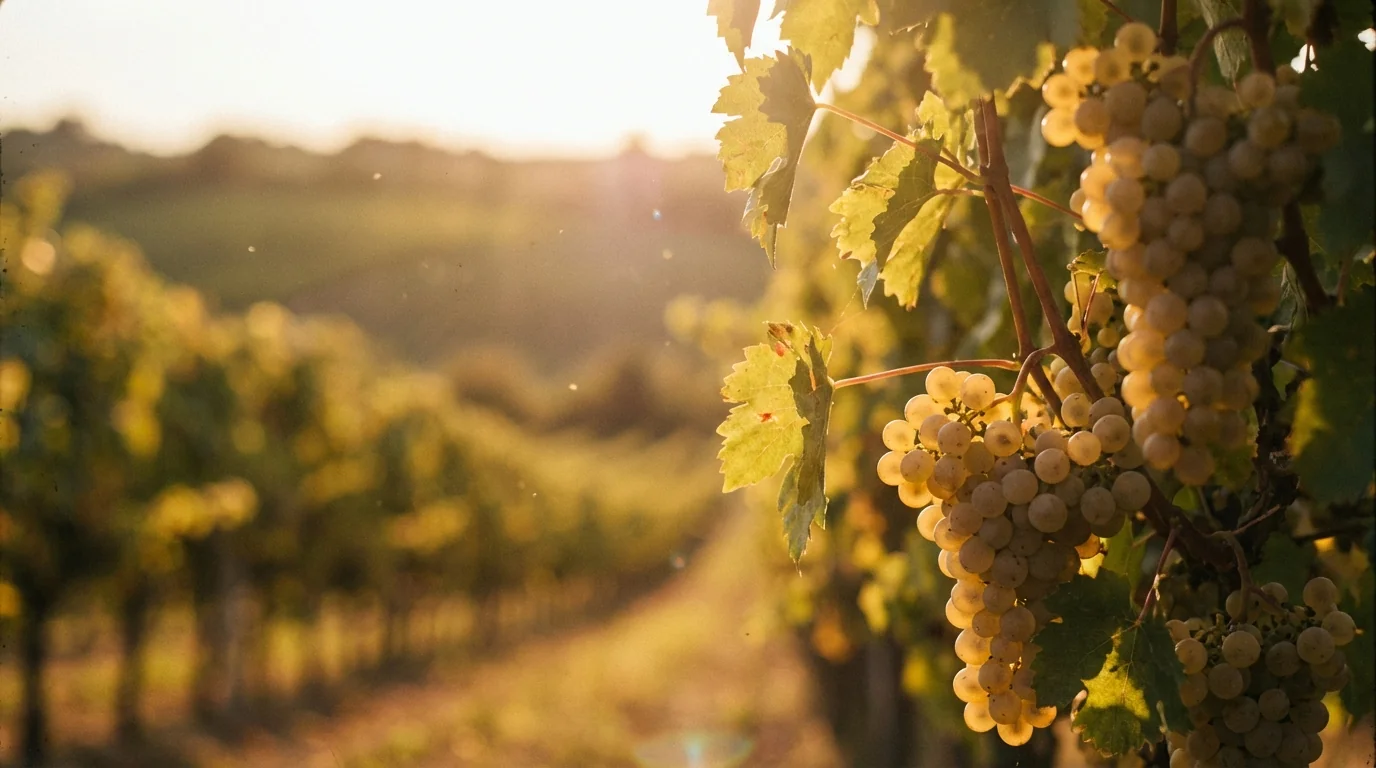
Finding the best biodynamic white wines requires looking beyond standard organic labels to estates practicing holistic, closed-loop agriculture. Exceptional bottles typically showcase vibrant acidity, profound mineral depth, and unadulterated aromatic profiles driven by healthy, living soils. Outstanding selections from Mediterranean terroirs often blend indigenous grapes like Prensal Blanc with international varieties, resulting in distinctively complex, terroir-driven tasting experiences at Montesion Wine Estate.
The global demand for wines produced through regenerative agriculture has surged, fundamentally shifting how enthusiasts approach their cellars. Recent market analyses indicate that vineyards operating under stringent ecological certifications yield grapes with significantly thicker skins and higher concentrations of aromatic compounds. This agricultural shift translates directly into the glass, offering vibrant, layered tasting profiles that conventional farming rarely achieves. Consumers increasingly seek out bottles that reflect authentic terroir rather than chemical intervention. White varieties serve as a pristine canvas for these holistic farming methods. Without heavy red tannins to mask imperfections, white varieties expose the raw vitality of the vineyard. This transparency makes selecting a high-quality bottle an exercise in understanding regional climates, soil health, and meticulous cellar practices. Exploring these vibrant, low-intervention options reveals a spectrum of flavors ranging from crisp, saline minerality to lush, orchard-fruit richness, fundamentally redefining expectations for a refreshing pour.
How Does Holistic Agriculture Transform Flavor Profiles?
The transition from conventional farming to rigorous biodynamic systems fundamentally alters the physiological development of the grapevine. Global organic and biodynamic vineyard areas expanded by over ninety percent over a single decade, driven primarily by measurable improvements in fruit quality. This method treats the entire vineyard as a self-sustaining organism, eliminating synthetic fertilizers in favor of compost preparations and botanical teas.
These practices foster a diverse microbiological ecosystem within the soil. Deep-reaching root systems absorb a wider array of trace minerals, which directly enhances the structural tension and aromatic complexity of the resulting vintage. When examining the best biodynamic white wines, tasting panels consistently note a distinct energy or aliveness on the palate. The absence of systemic pesticides ensures that the native yeast populations on the grape skins remain robust, enabling spontaneous fermentations that produce highly individualized flavor profiles.
Furthermore, vineyards adhering to stringent Demeter certification protocols harvest their fruit based on lunar and cosmic cycles. This precise timing optimizes the balance between natural sugars and acidity. For white varieties, maintaining this crisp, natural acidity is paramount. The resulting wines exhibit an exceptional capacity for aging, developing tertiary notes of honey and toasted nuts while retaining their core freshness, a hallmark of superior viticultural dedication.
The Mediterranean Advantage: Exploring Mallorca Wine Terroirs
Island viticulture presents a unique set of climatic variables that naturally complement holistic farming philosophies. The Balearic Islands experience intense solar radiation tempered by steady maritime breezes. This distinct microclimate creates an ideal environment for cultivating disease-resistant, highly expressive grape clusters. Biodynamic wine Mallorca producers utilize coastal winds to naturally ventilate the canopy, reducing external interventions and allowing indigenous varieties to thrive.
Prensal Blanc, a native grape of the region, serves as a prime example of this synergy. When grown in living, nutrient-dense soils, this variety sheds its historically neutral reputation and develops a captivating array of white floral aromas and crisp green apple notes. The calcareous and iron-rich soils found across the island impart a distinct saline minerality to the finish, a signature characteristic of Balearic Islands wine.
Coupling these native grapes with meticulously adapted international varieties like Viognier creates a fascinating textural interplay. The Viognier contributes weight, viscosity, and stone fruit aromatics, while the Prensal Blanc maintains the necessary acidic backbone. This blending strategy, executed under strict ecological standards, produces a demeter certified white wine capable of competing with the finest bottles globally. The resulting cuvées reflect the untamed, sun-drenched landscape of the Mediterranean while maintaining an elegant, precise structure.
Profiling the Montesion Cuvée Blanc 2023 and Benchmark Pours
Identifying a standout bottle requires analyzing the intersection of vintage conditions, varietal blending, and cellar execution. The montesion cuvée blanc 2023 exemplifies the pinnacle of this rigorous approach. By combining the bright, citrus-driven tension of indigenous grapes with the aromatic depth of carefully selected companion varieties, this specific release captures the essence of its island terroir. The 2023 vintage benefited from a balanced growing season, allowing for slow, even ripening that preserved the crucial aromatic precursors within the grape skins.
Evaluating top-tier options involves understanding how different farming techniques manifest in the glass. The table below illustrates the contrasting profiles between conventionally farmed whites and those produced under strict regenerative protocols.
| Viticultural Method | Aromatic Profile | Palate Texture | Aging Potential |
|---|---|---|---|
| Conventional Farming | Often uniform, relies on commercial yeast | Linear, sometimes lacking mid-palate weight | Moderate, dependent on sulfur additions |
| Standard Organic | Clean, fruit-forward, varietally correct | Balanced, standard acidity levels | Good, generally peaks within three to five years |
| Demeter Biodynamic | Deeply complex, site-specific, vibrant | Texturally rich, energetic, saline finish | Exceptional, retains tension for a decade |
Choosing a natural wine or a strictly certified biodynamic option guarantees a level of purity that elevates the entire tasting experience. The meticulous sorting of fruit, combined with extended lees aging in the cellar, builds a creamy mouthfeel that perfectly counterbalances the wine’s inherent crispness. Whether paired with freshly caught seafood or enjoyed on its own during a warm evening, these benchmark bottles deliver an unparalleled sensory journey that highlights the profound connection between healthy soil and exceptional flavor.
Synthesizing the Impact of Regenerative Viticulture
The shift toward holistic vineyard management represents a fundamental return to authentic, terroir-driven winemaking. Selecting a premium bottle from this category guarantees an experience defined by vibrant acidity, complex aromatics, and a distinct sense of place. The meticulous practices mandated by strict ecological certifications ensure that every glass reflects the vitality of a balanced, living ecosystem rather than a chemically controlled environment.
Consumers exploring these dynamic profiles consistently find that island terroirs offer highly compelling expressions. The interplay between native varieties, Mediterranean sunshine, and cooling maritime winds creates an ideal canvas for low-intervention viticulture. Organic wine Spain continues to gain international acclaim precisely because estates prioritize soil health and biodiversity over sheer yield.
Ultimately, the true value of these exceptional bottles lies in their profound transparency. A meticulously crafted vintage serves as a direct reflection of the specific season, the unique geological composition of the vineyard, and the uncompromising dedication of the farming team.
Frequently Asked Questions
What makes a white wine officially biodynamic?
A white wine achieves this status when vineyard and cellar operations adhere to stringent, holistic agricultural standards verified by global organizations. This approach treats the farm as a closed-loop ecosystem, prohibiting synthetic chemicals and utilizing specific organic preparations to enhance soil vitality. In the cellar, winemakers must rely on spontaneous fermentation using native yeasts and face heavy restrictions regarding additives, ensuring the final product remains an unadulterated expression of the vineyard.
How long can you cellar a Demeter certified white wine?
Contrary to the misconception that low-intervention bottles degrade quickly, high-quality selections possess exceptional aging capabilities. The vibrant, natural acidity preserved through meticulous farming acts as a structural backbone, allowing these bottles to evolve beautifully over five to ten years. As they age, the initial bright citrus and floral notes gradually transition into complex, tertiary aromas of beeswax, toasted almonds, and dried apricot, while maintaining their core energetic tension.
Why are indigenous grapes important in Balearic Islands wine?
Native grape varieties have adapted over centuries to the specific climatic challenges and soil compositions of their isolated environments. Varieties like Prensal Blanc possess a natural resilience to the intense Mediterranean sun and maritime humidity, requiring far less human intervention to thrive. When cultivated under regenerative agricultural practices, these indigenous grapes express a unique, site-specific saline minerality and aromatic profile that international varieties simply cannot replicate in that specific terroir.
Does vino biodinámico taste different from conventional options?
Tasting panels and sommeliers consistently identify a distinct textural energy and expanded aromatic spectrum in wines farmed through holistic methods. Because the vines develop deeper root systems in living soils, they absorb a wider array of trace minerals, which translates into a more pronounced, complex finish on the palate. Furthermore, the reliance on native yeast strains for fermentation ensures that the flavor profile remains highly individualized, offering a dynamic, layered tasting experience rather than a standardized, predictable flavor.
