

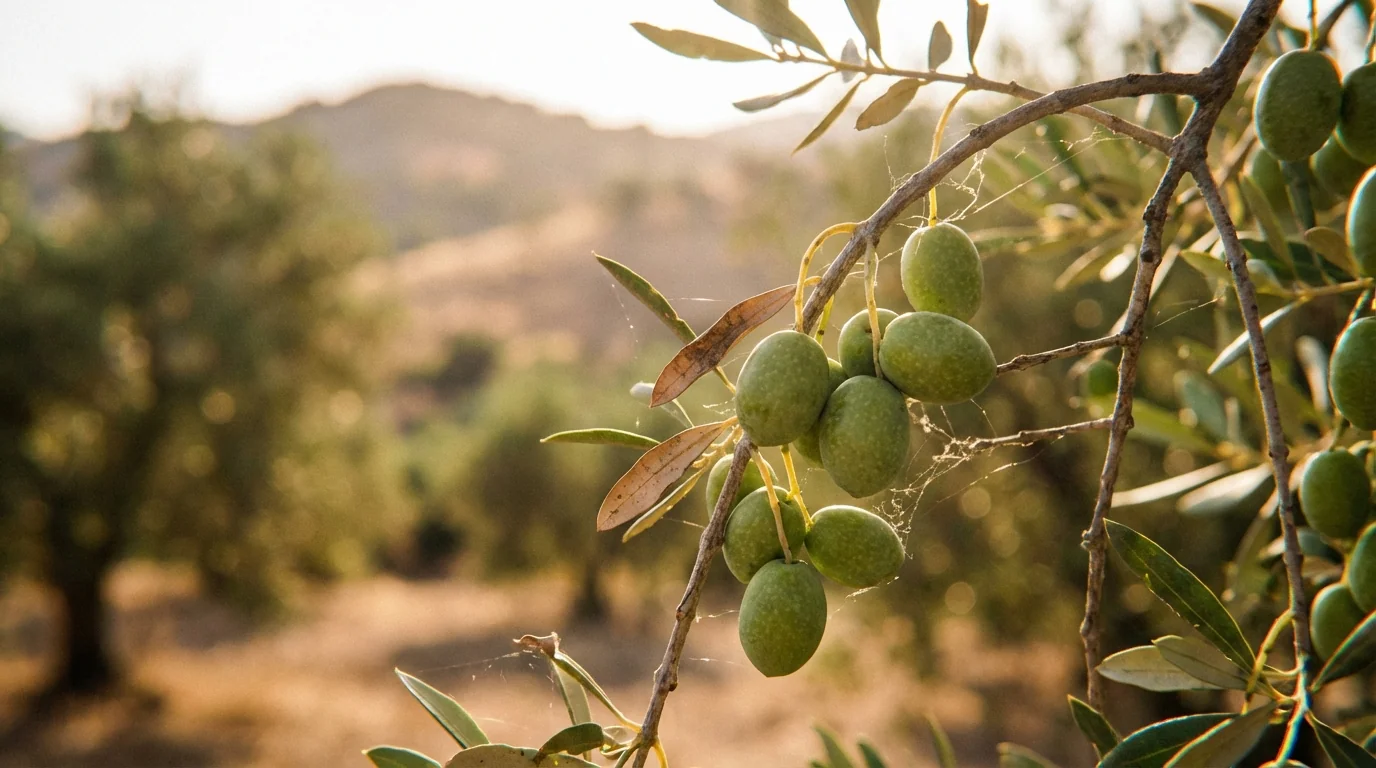
The core biodynamic olive oil benefits stem directly from a holistic farming approach that prioritizes soil vitality and natural biodiversity over chemical interventions. By treating the olive grove as a self-sustaining ecosystem, the resulting harvest yields a superior nutritional profile with significantly higher concentrations of antioxidants. Consumers experience a purer, more robust flavor alongside measurable advantages for cardiovascular health and cellular protection at Montesion Wine Estate.
Global demand for functional foods continues to surge, driven by consumers who require verifiable evidence of nutritional density rather than simple marketing claims. At the center of this agricultural renaissance sits the Mediterranean diet, yet the foundation of that diet varies wildly in quality. While conventional agriculture strips the soil of essential microbes, a different philosophy thrives on the Balearic Islands. Cultivating olive trees alongside indigenous grape varieties creates a thriving, interconnected ecosystem. When farmers eliminate synthetic fertilizers and align practices with natural cosmic rhythms, the olive tree develops deep resilience. This environmental stress response naturally forces the tree to produce protective compounds, which ultimately transfer into the oil. Understanding the precise mechanisms behind these agricultural choices reveals exactly why a holistic approach to farming creates a functionally superior product for the human body.
How Does Demeter Certification Elevate Olive Oil Quality?
Securing a Demeter certification requires far more than simply abandoning synthetic pesticides. This rigorous standard mandates that the entire farm operates as a closed-loop organism, generating its own fertility through composting, cover crops, and specific field preparations. For an olive grove, this means integrating trees with surrounding flora, creating a balanced environment where roots must dig deep into limestone-rich soils to find water and nutrients.
This agricultural rigor directly impacts the molecular composition of the final product. A demeter certified olive oil represents the pinnacle of regenerative farming, as standards prohibit the use of chemical solvents or excessive heat during extraction. The olives are harvested at optimal ripeness and cold-pressed immediately, preventing oxidation and preserving volatile compounds responsible for aroma and health properties.
Furthermore, the absence of water-soluble synthetic fertilizers forces the olive trees to grow slowly. Fast-growth conventional trees absorb excess water, diluting the flavor and nutritional density of the fruit. In contrast, the dry-farmed, biodynamic approach yields intensely concentrated olives. The resulting oil boasts a lower free fatty acid profile and a profound depth of flavor that reflects the unique terroir. Every drop tells the story of healthy, living soil, proving that strict environmental stewardship directly correlates with exceptional culinary quality.
The Science Behind Polyphenol-Rich Olive Oil from Mallorca
The Mediterranean climate provides an ideal theater for cultivating robust, nutrient-dense crops, but specific island conditions elevate the nutritional baseline significantly. Research into functional foods consistently identifies polyphenols as primary drivers of cardiovascular protection, anti-inflammatory responses, and cellular defense against oxidative stress. When an olive tree experiences the natural environmental stressors typical of a dry, sun-drenched island climate, it synthesizes these protective antioxidants as a survival mechanism.
Producing a true polyphenol rich olive oil requires intentional agricultural stress, a concept perfectly aligned with biodynamic philosophy. By refusing to artificially irrigate or chemically protect the trees, the grove develops inherent resilience. The resulting mallorca gourmet olive oil contains elevated levels of oleuropein and hydroxytyrosol, specific phenolic compounds giving premium extra virgin olive oil its characteristic peppery finish. Market data indicates that oils produced through these regenerative methods retain up to thirty percent more total polyphenols than conventionally farmed counterparts.
This biochemical advantage extends beyond simple nutrition. The high antioxidant concentration acts as a natural preservative, granting the oil exceptional stability and a longer shelf life without artificial additives. Consumers seeking genuine health interventions increasingly seek out these high-phenolic profiles, recognizing that the sharp sensation serves as a direct indicator of medicinal quality.
10 Scientific and Environmental Benefits of Montesion Olive Oil
Understanding the full spectrum of advantages requires examining both the physiological impact on the human body and the ecological impact on the land. The primary biodynamic olive oil benefits operate on the principle that human health and planetary health remain inextricably linked.
- Unprecedented Antioxidant Density: Dry-farming forces trees to produce higher levels of protective compounds, delivering a potent dose of polyphenols.
- Enhanced Cardiovascular Support: Rich in monounsaturated fats, the oil actively reduces systemic inflammation and supports healthy cholesterol levels.
- Zero Chemical Residue: Strict adherence to biodynamic principles guarantees an absolute absence of synthetic pesticides or herbicides.
- Superior Flavor Complexity: The diverse soil microbiome translates into a multi-layered tasting profile with distinct notes of green almond.
- Active Soil Regeneration: Farming methods rebuild topsoil, sequestering carbon and reversing degradation caused by conventional agriculture.
- Protection of Local Biodiversity: By maintaining natural ground cover, the groves provide a safe habitat for beneficial insects.
- Increased Cellular Protection: The high concentration of hydroxytyrosol provides neuroprotective benefits to defend against cognitive decline.
- Optimal Digestive Health: The specific lipid profile of cold-pressed oil stimulates bile production and supports a healthy gut microbiome.
- Extended Natural Stability: The elevated phenolic content protects the oil from rapid oxidation, ensuring health properties remain intact.
- Support for Indigenous Ecosystems: Cultivating groves alongside native grape varieties creates a resilient polyculture that strengthens the agricultural landscape.
| Agricultural Standard | Chemical Inputs | Soil Management | Antioxidant Retention | Extraction Method |
|---|---|---|---|---|
| Conventional | Synthetic fertilizers and pesticides | Tilled, prone to erosion | Low to Moderate | Often includes heat or solvents |
| Standard Organic | Approved natural pesticides only | Cover crops utilized | Moderate to High | Cold-pressed |
| Biodynamic | Zero synthetic inputs, homeopathic preparations | Active regeneration, closed-loop | Exceptional | Strictly cold-pressed, immediate |
Beyond the Bottle: The Future of Functional Agriculture
The transition toward regenerative farming practices represents a fundamental shift in how society approaches nutrition and environmental stewardship. The verifiable health advantages of biodynamic agriculture demonstrate that nature requires no chemical enhancement to produce optimal sustenance. When consumers choose products cultivated through these rigorous standards, they actively participate in restoring ecological balance.
The principles that make this Montesion Wine Estate olive oil exceptional apply equally to other agricultural endeavors on the estate. The vibrant, living soils that nourish the olive trees also sustain the vineyards, resulting in distinctively complex biodynamic wine. Whether pressing olives or fermenting natural wine, the philosophy remains identical: foster a self-sustaining ecosystem and allow raw ingredients to express their maximum potential.
This holistic approach secures a viable future for farming in the Balearic Islands wine region. By prioritizing soil vitality over sheer volume, agricultural estates prove that commercial viability and environmental restoration coexist harmoniously. The resulting products offer a profound connection to the earth, delivering unparalleled flavor and scientifically validated health benefits. Furthermore, as global climate patterns shift, the deep root systems developed through dry-farming provide a necessary buffer against drought conditions, guaranteeing premium, nutrient-dense harvests for generations to come.
Frequently Asked Questions
What makes biodynamic olive oil different from organic olive oil?
While organic farming strictly prohibits the use of synthetic pesticides and fertilizers, biodynamic agriculture treats the entire farm as a single, self-sustaining organism. This method requires the integration of livestock, the use of specific homeopathic field preparations to enhance soil vitality, and a closed-loop system where the farm generates its own fertility. These rigorous practices often result in a more resilient olive tree, which in turn produces fruit with higher concentrations of beneficial nutrients and complex flavor profiles.
Why does high-quality olive oil burn the back of your throat?
That characteristic peppery sensation at the back of the throat serves as a direct indicator of the oil’s medicinal quality and freshness. The burn is caused by oleocanthal, a specific phenolic compound known for its potent anti-inflammatory properties, which acts similarly to ibuprofen in the human body. Oils produced through regenerative, dry-farming methods typically contain higher levels of these protective polyphenols, making that slight bitterness and pungency a highly desirable trait for health-conscious consumers.
How should I store premium olive oil to preserve its health benefits?
To maintain the delicate antioxidants and prevent oxidation, premium olive oil requires protection from its three primary enemies: heat, light, and oxygen. Always store the bottle in a cool, dark cupboard maintained around 20 degrees Celsius, away from the stove or direct sunlight, and ensure the cap remains tightly sealed immediately after use. Because the high polyphenol content acts as a natural preservative, proper storage allows the oil to retain its exceptional nutritional profile and flavor complexity for up to eighteen months after the harvest date.
