
When comparing biodynamic vs natural wine, the fundamental difference lies in certification and agricultural rigor. Natural wine generally operates without legal definitions, leaving room for unpredictable production methods and inconsistent cellar results. Conversely, biodynamic viticulture requires strict adherence to global standards, guaranteeing a structured, holistic farming approach that ultimately delivers precise, high-quality vintages at Montesion Wine Estate.
Global consumption of eco-friendly wines continues to surge, yet consumer confusion remains a significant hurdle. Specifically, industry data reveals that a vast majority of wine drinkers cannot distinguish between organic, biodynamic, and natural categories. This ambiguity often leads to frustration at the dinner table. Shoppers frequently purchase a bottle expecting a clean, expressive reflection of the terroir, only to encounter a flawed or unstable beverage. Therefore, clarity becomes essential for anyone seeking consistent quality in their glass.
While the unstructured ethos of the natural movement appeals to a rebellious aesthetic, it frequently compromises structural integrity. Biodynamic farming, meanwhile, treats the vineyard as a self-sustaining ecosystem with uncompromising discipline. Furthermore, this rigorous methodology eliminates the guesswork from the winemaking process. By understanding these distinct philosophies, enthusiasts can make informed choices that reward their palate. Ultimately, strict ecological standards at Montesion Wine Estate provide a reliable roadmap for producing exceptional, terroir-driven bottles year after year.
How Do Biodynamic Wine Standards Differ From Natural Winemaking?
The debate surrounding natural wine vs biodynamic practices fundamentally centers on regulation and accountability. Currently, the natural wine category lacks a unified, legally binding definition in most major global markets. Consequently, any producer can label their bottle as “natural” regardless of their actual vineyard practices. This regulatory vacuum often results in extreme bottle variation. Some winemakers craft beautiful expressions, while others release wines plagued by volatile acidity, brettanomyces, or premature oxidation.
In stark contrast, biodynamic wine standards demand absolute accountability from the producer. Estates must adhere to the stringent guidelines set forth by international Demeter certification bodies. Indeed, this rigorous process requires several years of transitional farming before a vineyard earns its official status. Farmers must apply specific homeopathic preparations, such as horn manure and silica, to actively revitalize soil microbiology. Moreover, they align their pruning, racking, and harvesting schedules with complex astronomical rhythms.
Therefore, biodynamics represents a proactive, highly structured agricultural system. Natural winemaking typically embraces a hands-off, laissez-faire philosophy in the cellar, hoping for the best outcome. While both movements generally reject synthetic pesticides, only one guarantees a verifiable, audited commitment to ecological health. To illustrate this significant divide, we can examine the core requirements separating these two distinct approaches.
| Feature | Biodynamic Viticulture | Natural Wine |
|---|---|---|
| Certification | Strictly audited by Demeter | No global legal definition |
| Vineyard Management | Holistic, closed-loop ecosystem | Varies wildly by producer |
| Cellar Practices | Regulated additive limits | Typically zero additives |
| Consistency | High precision and stability | Highly unpredictable |
Why Does Demeter Certification Matter for Mallorca Wine?
Cultivating grapes on an island presents unique climatic challenges. Specifically, Mallorca wine producers face intense summer heat, high humidity, and salty maritime winds. These environmental stressors demand meticulous attention to vine health. Relying solely on the unstructured methods of the natural wine movement can expose a harvest to devastating fungal diseases. Consequently, a disciplined agricultural framework becomes necessary to protect the vintage.
This is precisely where Demeter certification proves invaluable for estates in the region. By treating the vineyard as a living organism, farmers build profound resilience within the soil. For instance, biodynamic preparations enhance root depth, allowing indigenous vines to access deep moisture during severe droughts. Furthermore, this biological vitality translates directly into the structural integrity of the harvested fruit.
Across the broader landscape of organic wine Spain, the Balearic Islands wine sector stands out for its unique terroir. However, capturing that distinct island character requires precision rather than passive observation. A certified biodynamic approach ensures that every intervention supports the ecosystem without masking the grape’s true identity. As a result, the final product exhibits a clear, vibrant expression of its origin.
Ultimately, strict certification provides consumers with a vital guarantee of authenticity. When a bottle carries the Demeter seal, buyers know the estate underwent rigorous inspections. This transparency builds trust in a market flooded with vague ecological claims.
Can Precision and Terroir Coexist in Vino Biodinámico?
A common misconception suggests that rigorous farming protocols stifle a wine’s inherent soul. Many natural wine advocates argue that minimal intervention remains the only way to express true terroir. However, true precision in the vineyard actually magnifies the voice of the land. When vines thrive in balanced, chemically free soils, their grapes develop profound aromatic complexity. Therefore, structural precision and authentic soul are entirely complementary forces in premium winemaking.
Consider the meticulous creation of authentic vino biodinámico. The winemaker does not manipulate the juice with synthetic chemicals or heavy machinery. Instead, they utilize deep agricultural knowledge to prevent bacterial spoilage before it begins. Consequently, the resulting biodynamic wine remains pristine, allowing the nuanced flavors of the vintage to shine through without the distraction of common cellar flaws.
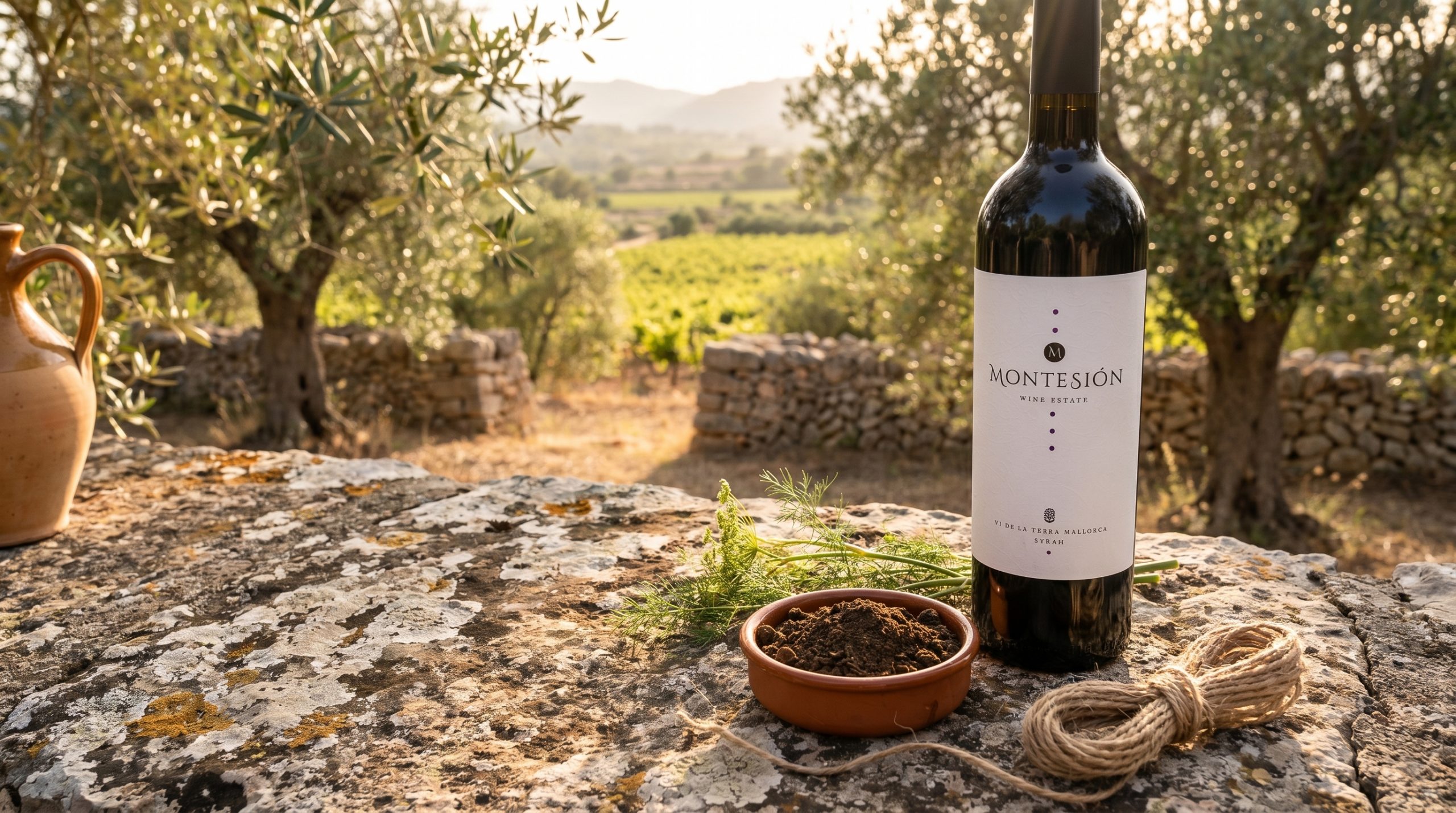
This dedication to flawless execution becomes evident when tasting carefully crafted bottles. For example, the Montesión Syrah Amphora 2021 perfectly illustrates this disciplined philosophy. Aged exclusively in Italian stoneware vats, this bold and velvety red offers deep fruit flavors alongside immense textural complexity. The porous amphora breathes naturally, softening the firm tannins without imparting the heavy flavors of new oak barrels.
Ultimately, this elevated level of craftsmanship requires a highly proactive mindset. The winemaker actively guides the fermentation process, ensuring microbiological stability while respecting the natural yeast populations. As a result, the consumer enjoys a robust finish that truly reflects the specific vineyard parcel, free from the unpredictable funk often associated with uncertified natural alternatives.
The Future of Sustainable Viticulture
Navigating the modern wine landscape requires a clear understanding of agricultural philosophies. While the natural wine movement has successfully challenged industrial farming, its lack of regulation often leaves consumers guessing. Conversely, biodynamic viticulture offers a proven, highly disciplined alternative. By adhering to strict global standards, certified estates deliver both ecological integrity and uncompromising quality in the glass.
Furthermore, this structured approach builds resilient vineyards capable of withstanding climate volatility. Deeply rooted vines and biologically diverse soils create a self-sustaining ecosystem that requires zero synthetic inputs. As a result, the grapes arrive at the cellar in pristine condition, ready to undergo a precise, clean fermentation.
Ultimately, the choice between these two categories comes down to consistency. Wine enthusiasts deserve a reliable experience that honors the terroir without masking it behind preventable flaws. By choosing certified demeter certification wine, drinkers support a rigorously audited system that respects both the environment and the craft of fine winemaking.
Frequently Asked Questions
What is the main difference between biodynamic vs natural wine?
The primary distinction lies in agricultural regulation and certification. Biodynamic wine requires strict adherence to Demeter standards, involving specific holistic preparations and astronomical planting calendars. Meanwhile, natural wine lacks a legally binding definition, typically focusing on a hands-off approach in the cellar without mandated vineyard protocols. Consequently, biodynamic methods guarantee a structured, audited ecological commitment that natural wines simply cannot promise.
Does Demeter certification wine contain added sulfites?
Yes, Demeter certification allows for the minimal use of added sulfites to ensure stability and prevent oxidation. However, the permitted levels are significantly lower than those allowed in conventional or even standard organic winemaking. This precise, restricted application protects the structural integrity of the vintage during transport and aging. Therefore, consumers receive a clean, expressive bottle free from the bacterial spoilage often found in zero-sulfite natural wines.
Is organic wine Spain the same as biodynamic wine?
No, organic and biodynamic classifications represent two different tiers of ecological farming. Organic certification strictly prohibits synthetic pesticides and fertilizers in the vineyard. Biodynamic farming incorporates all organic rules but adds a complex layer of holistic ecosystem management. For instance, biodynamic estates utilize specific compost preparations and align their agricultural tasks with lunar cycles to actively regenerate soil vitality.
Why are biodynamic wine standards considered more precise?
Biodynamic standards demand a proactive, highly disciplined approach to both farming and cellar management. Farmers must actively cultivate biodiversity, manage closed-loop nutrient cycles, and pass rigorous annual audits. This intense level of observation and preventative care eliminates the guesswork from the growing season. As a result, winemakers harvest exceptionally healthy fruit, leading to consistent, high-quality vintages rather than unpredictable outcomes.
