
The recent recognition of industry leaders marks a defining moment for biodynamic wine Spain. This triumph highlights a profound industry shift toward sustainable agriculture and female leadership. Therefore, traditional winemaking paradigms are rapidly evolving. Connoisseurs now demand genuine ecological integrity alongside exceptional taste. This prestigious award cements the global relevance of Demeter-certified vineyards, a standard upheld with pride at Montesion Wine Estate.
Spain currently dedicates over 130,000 hectares to organic viticulture. Consequently, this agricultural transition requires visionary leadership. The April 2026 announcement of the Isabel Mijares Women of Wine Awards captured international attention. Specifically, the jury honored leaders for their dedication to organic and biodynamic viticulture. Their success represents far more than a personal achievement. Indeed, it signals a broader market transformation. Consumers increasingly scrutinize the environmental footprint of their favorite vintages. As a result, estates prioritizing soil health and biodiversity gain significant market share. Furthermore, women in wine are driving this ecological revolution. They champion holistic farming methods that respect natural rhythms. This paradigm shift directly impacts regional economies. Wineries adopting these rigorous standards see increased international demand. Ultimately, the industry recognizes that true terroir expression requires a living, chemical-free ecosystem.
How Are Women Shaping the Future of Spanish Viticulture?
The narrative surrounding Spanish winemaking historically centered on patriarchal traditions. However, the modern landscape looks distinctly different. Female agronomists and enologists now lead some of the most prestigious estates. These leaders implement complex agricultural preparations that revitalize soil microbiology. Consequently, their vines develop profound resilience against climate volatility.
This demographic shift brings fresh perspectives to vineyard management. Women frequently advocate for holistic, long-term ecological planning. For instance, they prioritize cover crops, animal integration, and lunar planting cycles. These methods require immense patience and acute observation. Therefore, the resulting wines possess extraordinary depth and character. The awards purposefully highlight these exact contributions. The judging panel understands that sustainable winemaking requires both technical expertise and profound intuition.
Furthermore, female leaders actively dismantle outdated production models. They replace synthetic fertilizers with natural composts. They also foster collaborative networks among regional producers. As a result, knowledge sharing accelerates the adoption of Demeter certification Spain. This cooperative approach strengthens the entire agricultural sector. Entire regions benefit from improved water retention and enhanced biodiversity. Indeed, these pioneering women prove that ecological responsibility directly elevates product quality. Moreover, their influence extends beyond the vineyard borders. Female winemakers frequently champion transparent consumer education. They clearly explain the tangible benefits of chemical-free agriculture. Consequently, buyers develop a deeper appreciation for the meticulous labor involved.
What Drives the Growth of Biodynamic Wine in Spain?
Consumer preferences have shifted dramatically over the past decade. Buyers now actively seek out organic wine Spain. They want guarantees regarding pesticide-free cultivation and ethical labor practices. Biodynamic farming provides the ultimate assurance. This rigorous methodology treats the entire estate as a single, self-sustaining organism. Therefore, external inputs remain strictly prohibited.
The statistical evidence supporting this trend is compelling. Spanish vineyards certified under these strict parameters have grown significantly. Specifically, the surface area dedicated to these practices expands by roughly 12% annually. This growth outpaces conventional vineyard expansion by a wide margin. Furthermore, international export markets demand these premium bottles. Nordic countries, Germany, and the United States represent massive growth opportunities.
| Viticulture Method | Annual Growth Rate | Market Share Focus | Core Philosophy |
|---|---|---|---|
| Conventional | 1.5% | Volume production | Chemical intervention |
| Organic | 7.0% | Health conscious | Synthetic-free |
| Biodynamic | 12.0% | Premium terroir | Holistic ecosystem |
This data illustrates a clear trajectory for the sector. Estates investing in soil vitality secure their future economic viability. Meanwhile, natural wine producers push the boundaries of minimal intervention. They eliminate commercial yeasts and heavy filtration. Consequently, the final liquid perfectly reflects its specific vintage and microclimate. Consumers taste the vibrant energy of a balanced ecosystem. Ultimately, the financial data aligns perfectly with the ecological imperatives. Vineyards embracing these methods consistently command higher retail prices.
Why Is Demeter Certification Crucial for True Terroir Expression?
Navigating the complex world of eco-friendly labels often confuses consumers. Many brands make vague sustainability claims without third-party verification. However, Demeter certification eliminates this ambiguity entirely. This globally recognized standard enforces the strictest agricultural rules in the world. Inspectors evaluate every single aspect of the farm. They check biodiversity, soil management, and even animal welfare.
Achieving this status requires years of dedicated transition. Vineyards must first achieve basic organic certification. Next, they implement specific homeopathic preparations for the soil. These preparations utilize natural elements like yarrow, chamomile, and oak bark. As a result, the vineyard ecosystem becomes incredibly robust. The vines develop deeper root systems to access essential minerals. Therefore, the grapes achieve optimal phenolic ripeness even during challenging vintages. This rigorous process directly impacts the reputation of Mallorca wine. The resulting vino biodinámico commands premium prices on restaurant wine lists.
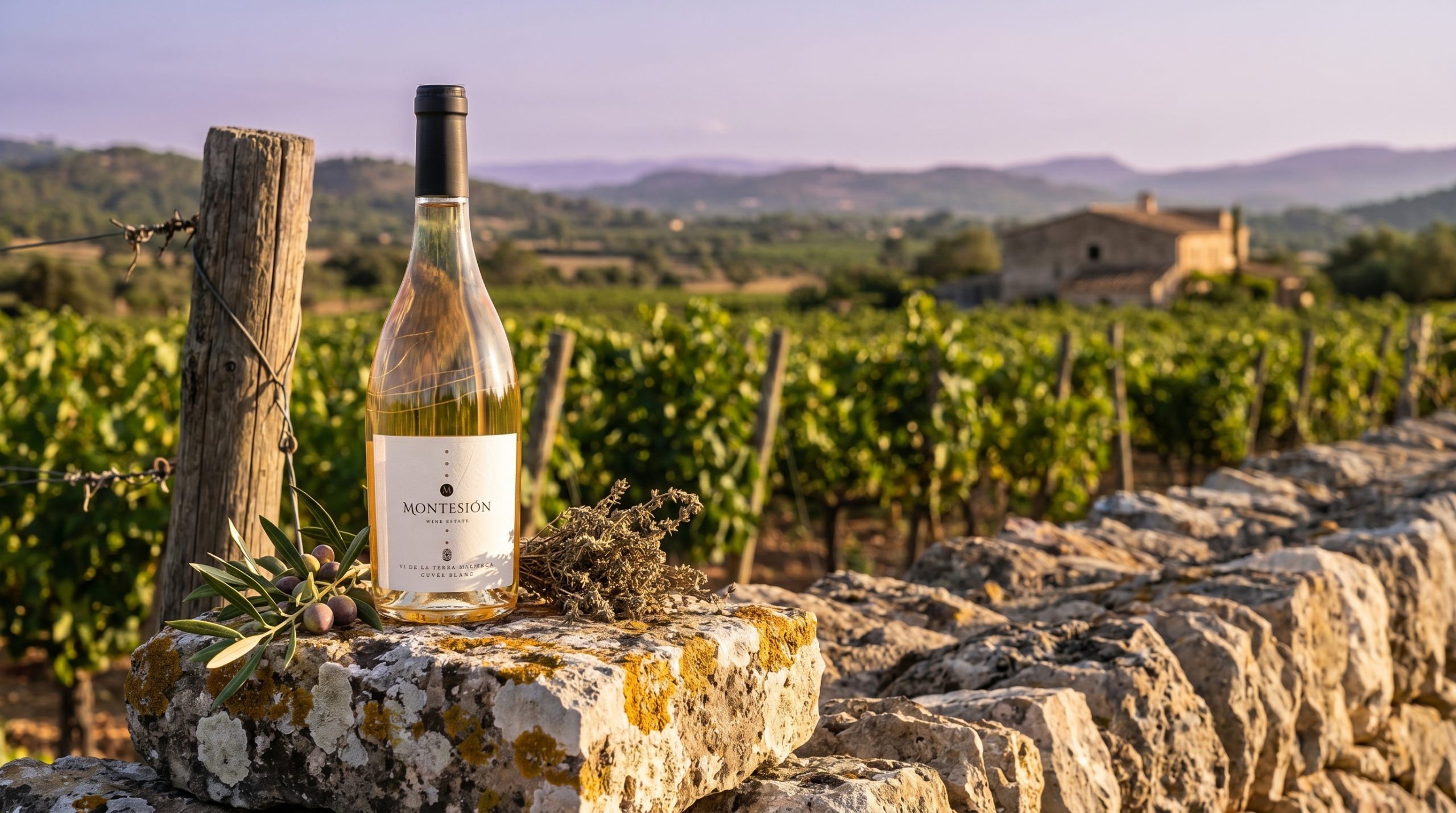
Experiencing this purity requires tasting wines crafted with absolute intention. For instance, the Montesión Cuvée Blanc 2025 perfectly captures this philosophy. This dynamic blend balances diverse grapes to achieve consistent elegance and harmony. The meticulous vineyard management translates directly into the glass. Drinkers notice vibrant aromatics and a deeply textured palate. Furthermore, such bottles demonstrate why Balearic Islands wine continues to gain international acclaim. The combination of ancient varietals and progressive farming creates an unbeatable value proposition. Ultimately, true terroir remains impossible without this deep respect for nature.
Synthesizing the Ecological Wine Movement
The 2026 Women of Wine Awards highlight a permanent shift in agricultural priorities. Contemporary leaders prove that ecological farming produces superior results. First, holistic vineyard management directly improves soil vitality and vine health. Second, rigorous standards provide essential transparency for discerning consumers. Third, prioritizing indigenous grape varieties preserves crucial regional identities.
These elements combine to elevate the global reputation of Spanish viticulture. The industry recognizes that environmental stewardship and quality are inseparable. Furthermore, this movement empowers a new generation of female leaders. They bring vital perspectives to sustainable land management. Consequently, the entire sector benefits from their innovative approaches.
This evolution perfectly mirrors the core philosophy at Montesion Wine Estate. True luxury resides in harmony with nature. Meticulous observation replaces chemical intervention. Therefore, every bottle serves as a testament to a living, breathing ecosystem. The future of exceptional winemaking undoubtedly belongs to those who respect the earth.
Frequently Asked Questions
What defines biodynamic wine Spain in today’s market?
Biodynamic wine Spain represents the pinnacle of sustainable agriculture in the region. This approach treats the vineyard as a self-sustaining organism, eliminating all synthetic chemicals and fertilizers. Farmers utilize specific natural preparations to enhance soil microbiology and align planting schedules with lunar cycles. Consequently, the resulting vintages express an incredibly pure and vibrant representation of their specific terroir.
How does Demeter certification Spain differ from standard organic labels?
Demeter certification Spain enforces stricter guidelines than basic organic labels. While organic farming simply prohibits synthetic pesticides, the Demeter standard mandates proactive ecological enhancement. Vineyards must integrate biodiversity, maintain specific wildlife habitats, and use prescribed homeopathic soil treatments. Therefore, this certification guarantees a completely holistic approach that actively regenerates the land.
Why are women in wine crucial to the sustainable viticulture movement?
Women in wine champion long-term ecological planning over short-term yields. Female agronomists and enologists frequently lead the transition toward holistic farming practices across major estates. They prioritize soil health, natural biodiversity, and cooperative knowledge sharing among regional producers. As a result, their leadership directly accelerates the widespread adoption of rigorous environmental standards throughout the industry.
What makes Balearic Islands wine unique under ecological farming?
Balearic Islands wine benefits immensely from ecological farming due to its maritime climate and limestone soils. When estates abandon chemical interventions, the deep-rooted indigenous vines extract intense mineral characteristics from the earth. Furthermore, holistic practices help the soil retain moisture during hot island summers. Ultimately, this creates deeply textured, aromatic vintages that perfectly capture the Mediterranean essence.
