
Biodynamic winemaking represents far more than an alternative to organic farming-it’s a philosophical commitment to treating the vineyard as a living, interconnected ecosystem where celestial rhythms guide human decisions. At Montesion Wine Estate in Mallorca, this approach shapes everything from when grapes are planted to how they ferment, resulting in wines that express both terroir and intention in ways conventional production simply cannot replicate.
The distinction between biodynamic and organic wine production often confuses consumers. While organic viticulture eliminates synthetic pesticides and fertilizers, biodynamic farming goes deeper. It follows principles established by Rudolf Steiner in the 1920s, treating the vineyard as a self-contained organism where soil health, plant vitality, and even lunar cycles influence grape quality. Demeter International certification-the gold standard for biodynamic verification-requires documented adherence to these practices, making it substantially more rigorous than organic certification alone. For wine activities in Mallorca, understanding this distinction helps explain why certain estates command attention from serious collectors and curious travelers alike.
The Lunar Calendar and Timing That Matters
One of the most misunderstood aspects of biodynamic viticulture involves the lunar calendar. Biodynamic farmers don’t plant randomly; they consult astronomical calendars that divide days into categories based on which constellation the moon passes through. Fruit days, flower days, leaf days, and root days each govern different vineyard tasks. Pruning happens on specific days. Harvesting follows lunar phases aligned with the wine’s intended character. Skeptics often dismiss this as superstition, and controlled studies on lunar timing remain inconclusive. For biodynamic growers, however, the calendar is less a claim of proven cause and effect than a discipline that keeps vineyard work in rhythm with the natural cycles they farm by—an approach many feel is reflected in the freshness and expressiveness of the resulting wines.
At Montesion, this practice isn’t theatrical-it’s documented protocol. The estate’s winemakers maintain detailed records of planting, pruning, and harvest dates correlated with lunar phases. When indigenous varieties like Callet and Prensal Blanc are harvested under specific lunar conditions, the grapes arrive at the cellar with distinct enzymatic profiles. These influence how indigenous yeasts colonize the must during spontaneous fermentation, ultimately shaping the wine’s aromatic complexity and textural finesse. The Montesión Cuvée Blanc 2025, a dynamic blend crafted annually, exemplifies this precision-each component variety is harvested on days designated for fruit development, ensuring the grapes’ natural sugars and acidity reach optimal balance before fermentation begins.
This timing creates a cascade of consequences. Grapes harvested on fruit days typically ferment more vigorously, producing wines with brighter acidity and more pronounced aromatics. The 2025 vintage demonstrates this principle: the Chardonnay, Sauvignon Blanc, and Viognier components were each harvested during designated fruit days, contributing to the wine’s characteristic floral intensity and tropical fruit notes that emerge on the nose.
Soil as Medicine: Biodynamic Preparations and Vineyard Health
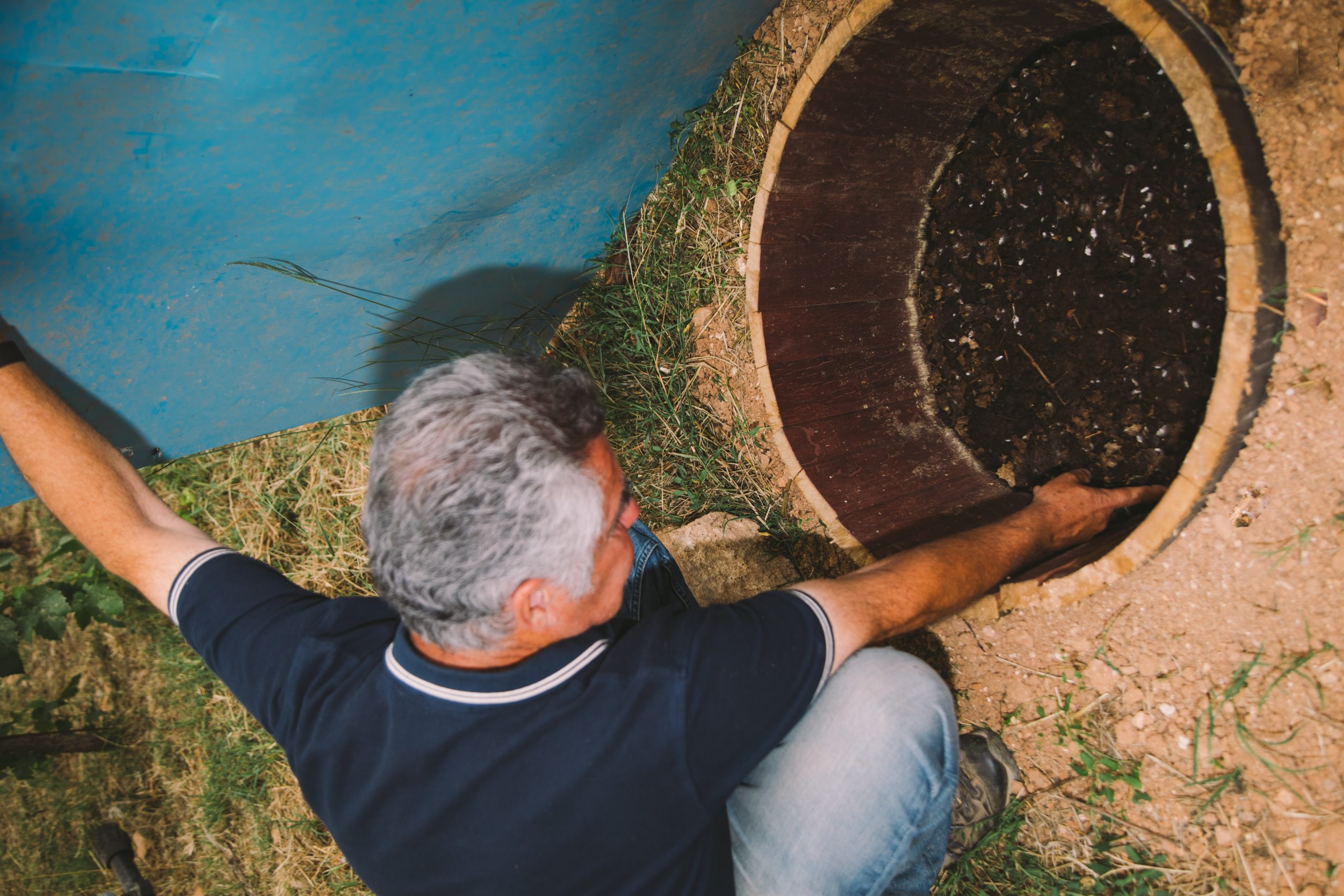
Biodynamic farming employs nine specific preparations-numbered 500 through 508-that function as homeopathic remedies for soil and plant health. Preparation 500, made from cow manure fermented in a cow horn buried underground during winter, stimulates root development and soil microbial activity. Preparation 501, derived from ground quartz silica, enhances photosynthesis and disease resistance. These aren’t applied in conventional concentrations; instead, they’re dynamized-stirred rhythmically in water to create energetic imprints-before spraying in minute quantities across vineyard blocks.
Western agricultural science has long questioned these preparations at such dilutions. More recently, soil microbiome research has suggested that organic and biodynamic management can shift the balance of bacterial and fungal communities in ways associated with better nutrient cycling and plant resilience—though isolating the effect of the preparations themselves from chemical-free farming as a whole remains difficult. In the biodynamic view, the preparations work not through chemical concentration but through biological signaling, encouraging the soil’s existing organisms to function more efficiently. At Montesion, years of chemical-free farming in Porreres have built living, biologically active soils, and that richness is reflected in the fruit: vines drawing nutrients from diverse, healthy soil tend to produce more complex phenolic profiles and better natural acidity than vines dependent on synthetic fertilizer inputs.
The indigenous varieties grown at Montesion-Callet, Prensal Blanc, and Viognier-are particularly responsive to this soil complexity. These varieties evolved in Mediterranean conditions where nutrient availability fluctuates seasonally. Biodynamic soil management mimics these natural cycles, triggering the vines’ adaptive mechanisms. The result is grapes with deeper mineral expression, more nuanced tannin structure (in reds), and greater aromatic precision (in whites). When these grapes become wine through spontaneous fermentation, the complexity established in the vineyard persists through the cellar, creating wines that improve with age in ways industrial fermentation rarely achieves.
Spontaneous Fermentation and the Living Cellar
Demeter certification prohibits adding commercial yeast or bacterial cultures. Instead, biodynamic winemakers rely on indigenous microorganisms naturally present on grape skins and in the cellar environment. This spontaneous fermentation demands far greater skill than inoculated fermentation, where a single yeast strain dominates predictably. Indigenous fermentation involves dozens of microbial species-wild Saccharomyces cerevisiae, Kloeckera, Torulaspora, and various bacteria-each contributing distinct metabolic byproducts that build the wine’s final character.
The challenge is managing this microbial community without controlling it. Temperature becomes critical; too cold and fermentation stalls, too warm and spoilage organisms dominate. Montesion maintains temperature-controlled fermentation in stainless steel tanks, allowing the indigenous microbiota to express itself within safe parameters. The cellar itself functions as a living organism-each vintage’s fermentation inoculates wooden surfaces, barrel staves, and floor crevices with microbes that influence subsequent vintages. This creates a cellar terroir, a microbial signature unique to Montesion that no other winery can replicate.
Spontaneous fermentation produces wines with greater textural complexity, more subtle aromatics, and superior aging potential than inoculated fermentation. The Montesión Cuvée Blanc 2025 ferments spontaneously, allowing the three component varieties to express their individual microbial signatures before blending. The Chardonnay develops balsamic and heathery undertones from specific yeast strains. The Viognier achieves its characteristic lychee aromatics through different microbial pathways. The Sauvignon Blanc contributes mineral tension and fresh acidity. When these fermented components are blended post-fermentation, they create a harmonious whole impossible to achieve through pre-fermentation blending of unfermented juice.
Demeter Certification: The Verification Behind the Philosophy
Demeter International certification represents the most stringent biodynamic verification standard globally. Unlike organic certification, which primarily documents the absence of prohibited substances, Demeter certification requires active demonstration of biodynamic practices. Inspectors verify that farms maintain preparation schedules, follow lunar calendars, and maintain detailed records of all vineyard and cellar interventions. Certification demands that at least 10% of the farm’s area be dedicated to biodiversity-hedgerows, wildflower strips, or wildlife habitat-creating ecological corridors that support beneficial insects and pollinators.
Montesion’s Demeter certification encompasses both vineyard and olive oil production, signifying that the entire estate operates as an integrated biodynamic system. The certification process requires annual inspections, documentation of all inputs (even approved ones), and proof that the farm maintains self-sufficiency in key areas. For instance, biodynamic farms must produce their own compost and manure-based preparations rather than purchasing them commercially. This requirement ensures that the farm’s biological processes remain genuinely self-regulating rather than dependent on external industrial inputs.
For consumers seeking biodynamic wine in Mallorca, Demeter certification provides assurance that the wine’s production genuinely reflects biodynamic principles rather than merely marketing language. The certification distinguishes best wine in Mallorca from ordinary organic production, offering transparency about farming methods that directly influence grape quality and wine character.
Featured: Montesión Cuvée Blanc 2025
When grapes are harvested under biodynamic lunar guidance and fermented by the vineyard’s own microbial community, the result is a wine of crystalline clarity and layered complexity. This blend of Chardonnay, Sauvignon Blanc, and Viognier captures the essence of Mallorca’s terroir-floral aromatics, tropical fruit notes, and mineral tension that speaks to the living soil beneath the vines. Perfect for those seeking a white wine that expresses genuine place and intentional farming.
How Biodynamic Practices Differentiate Wine Character
The cumulative effect of biodynamic practices produces measurable differences in wine composition and sensory character. Biodynamic wines typically exhibit higher polyphenol concentrations (particularly in reds), more complex amino acid profiles (influencing aromatic compounds), and superior natural acidity stability compared to conventional or even organic wines. These aren’t marginal differences-they’re substantive chemical distinctions that translate into sensory experience.
In white wines like the Montesión Cuvée Blanc 2025, biodynamic production yields wines with greater aromatic intensity, crisper acidity, and more pronounced mineral expression. The pale yellow color with green glints reflects rapid fermentation of healthy, biodynamically-farmed grapes. The floral and tropical aromas-banana from Chardonnay, lychee from Viognier-emerge with crystalline clarity because indigenous fermentation preserves volatile aromatic compounds that commercial yeast strains often suppress. The wine’s fresh, well-balanced palate reflects grapes harvested at optimal ripeness on biodynamically-designated fruit days, when natural sugars and acids achieve perfect equilibrium.
In red wines, biodynamic practices produce silkier tannin structures, deeper color extraction, and greater aging complexity. The Montesión Cabernet Sauvignon and other reds aged in French oak demonstrate this principle: the velvety tannins and ripe black fruit character emerge from grapes grown in biodynamically-managed soil, harvested during optimal lunar phases, and fermented spontaneously. These wines improve for decades because the biodynamic production process preserves the grape’s natural complexity rather than imposing a standardized commercial character.
The Broader Context: Biodynamic Wine as Part of Mediterranean Viticulture
Biodynamic winemaking aligns naturally with Mediterranean terroir. The region’s climate-hot, dry summers with limited rainfall-creates stress conditions that trigger vines’ adaptive mechanisms. Biodynamic farming amplifies these natural processes rather than suppressing them through irrigation and fertilization. The result is wines that express genuine place character, reflecting Mallorca’s unique combination of soil, climate, and microbial ecology.
For travelers exploring wine activities in Mallorca, visiting a biodynamic estate like Montesion provides insight into how ancient Mediterranean farming principles meet contemporary ecological consciousness. The vineyard walks, cellar tours, and tastings reveal the tangible differences between biodynamic and conventional production. Tasting the Montesión Cuvée Blanc 2025 alongside conventional white wines from other regions demonstrates how biodynamic practices produce wines of distinctive character-fresher, more aromatic, and more food-friendly than industrial alternatives.
Understanding Your Biodynamic Wine Choice
Choosing biodynamic wine means supporting farming practices that regenerate soil, enhance biodiversity, and produce grapes of genuine quality. The Demeter certification ensures that the wine in your glass genuinely reflects biodynamic principles rather than marketing claims. For consumers seeking organic wine Spain and specifically biodynamic wine Mallorca, Montesion Wine Estate represents the gold standard-a working farm where biodynamic philosophy translates into daily practice and ultimately into wine of distinctive character and integrity.
The Montesión Cuvée Blanc 2025 exemplifies what biodynamic production achieves: a wine that balances elegance with complexity, freshness with substance. Each bottle represents decisions made according to lunar phases, fermented by indigenous microorganisms, and aged in a cellar that functions as a living organism. These practices aren’t nostalgic theater-they’re sophisticated viticulture grounded in ecological principles and refined through decades of observation and documentation.
Frequently Asked Questions
What is the difference between biodynamic wine and organic wine?
Organic wine production eliminates synthetic pesticides and fertilizers but doesn’t mandate specific farming practices beyond avoiding prohibited substances. Biodynamic wine production goes further, treating the vineyard as a self-regulating organism guided by lunar cycles, soil preparations, and ecological principles. Biodynamic farms must maintain biodiversity areas, produce their own compost, and follow detailed protocols for every vineyard intervention. Demeter certification verifies these practices through annual inspections, making biodynamic wine more rigorously verified than organic wine. Both eliminate synthetic inputs, but biodynamic production actively regenerates soil and enhances ecosystem function rather than simply avoiding harm.
Why do biodynamic winemakers follow lunar calendars?
Biodynamic lunar calendars divide days into categories based on which constellation the moon passes through—fruit days, flower days, leaf days, and root days—with each category guiding specific vineyard tasks such as pruning, harvesting, or working the soil. The scientific evidence for lunar timing is genuinely debated, and controlled trials have not consistently confirmed an effect on wine quality. Biodynamic growers follow the calendar not as a proven formula but as a framework for aligning their work with the natural cycles of the vineyard—a discipline that, in their experience, contributes to fresher, more expressive wines. It is one element of a broader philosophy that treats the estate as a living, self-regulating system.
How does spontaneous fermentation differ from commercial yeast fermentation?
Spontaneous fermentation relies on indigenous microorganisms naturally present on grape skins and in the cellar-dozens of yeast and bacterial species that collectively transform grape juice into wine. Commercial yeast fermentation uses a single inoculated strain that dominates predictably. Spontaneous fermentation produces wines with greater textural complexity, more subtle aromatics, and superior aging potential because the multiple microbial species contribute distinct metabolic byproducts that build layered character. The process demands greater skill-temperature management becomes critical-but the result is wine with more nuanced expression of terroir. Biodynamic winemakers embrace spontaneous fermentation as part of respecting the vineyard’s living character rather than imposing industrial standardization.
