
Finding an exceptional cuvee wine mallorca requires understanding the island’s unique approach to blending indigenous and international grape varieties. Winemakers at Montesion Wine Estate combine distinct harvests to create a final bottle that surpasses the sum of its individual parts. This meticulous assemblage process highlights the Mediterranean terroir while ensuring structural balance and aromatic complexity.
The Mediterranean sea breeze shapes a viticultural landscape where blending remains both a historical necessity and a modern art form. Therefore, understanding local Mallorca wine production means looking beyond single-varietal bottles. Master vintners recognize that combining different grape profiles yields a far superior result. Specifically, the intense summer heat demands a careful balancing act between acidity, tannins, and fruit concentration. As a result, the island stands as a premier destination for sophisticated assemblages. Enthusiasts increasingly seek out these complex bottles to experience the true essence of the region. Furthermore, this shift reflects a broader appreciation for sustainable farming and precise cellar techniques. You will discover how generations of expertise at Montesion Wine Estate transform raw grapes into liquid masterpieces.
What Exactly Constitutes a Mallorcan Assemblage?
A true cuvee wine mallorca represents the absolute pinnacle of a winemaker’s craft. Rather than relying on a single grape type, vintners meticulously select specific vats, barrels, or parcels to create a harmonious master blend. Consequently, this technique allows them to achieve a consistent flavor profile regardless of unpredictable vintage variations. Any authoritative mallorca wine guide highlights that industry data reveals approximately 65% of premium Balearic Islands wine production utilizes this strategic blending method rather than single-varietal bottling.
This statistical dominance highlights the crucial importance of assemblage in Mediterranean viticulture. Winemakers often start with a sturdy base, utilizing indigenous grapes like Callet or Manto Negro. Then, they introduce complementary varieties to enhance the color, structural integrity, or aromatic bouquet. For instance, adding a small percentage of Syrah might provide necessary tannic grip. Meanwhile, a touch of Merlot can smooth out the mid-palate and add lush dark fruit notes.
Moreover, the blending process requires an extraordinary sensory memory and deep technical knowledge. Vintners must accurately predict how different components will interact months or even years down the line. Thus, the resulting bottle tells a complex story of the vineyard’s specific microclimate and the cellar master’s vision. Many of these exceptional blends also fall comfortably under the category of natural wine, emphasizing minimal intervention techniques. By trusting the raw agricultural materials, producers allow the authentic character of the local terroir to shine brightly through the final composition.
How Terroir Shapes the Final Composition
The physical environment dictates every major decision made in both the vineyard and the cellar. The towering Tramuntana mountain range provides a crucial shield against harsh northern winds. Meanwhile, the iron-rich clay soils, known locally as Call Vermell, impart a distinct, stony minerality to the deep root systems. Consequently, grapes grown in these demanding conditions develop incredibly thick skins and highly concentrated flavor profiles.
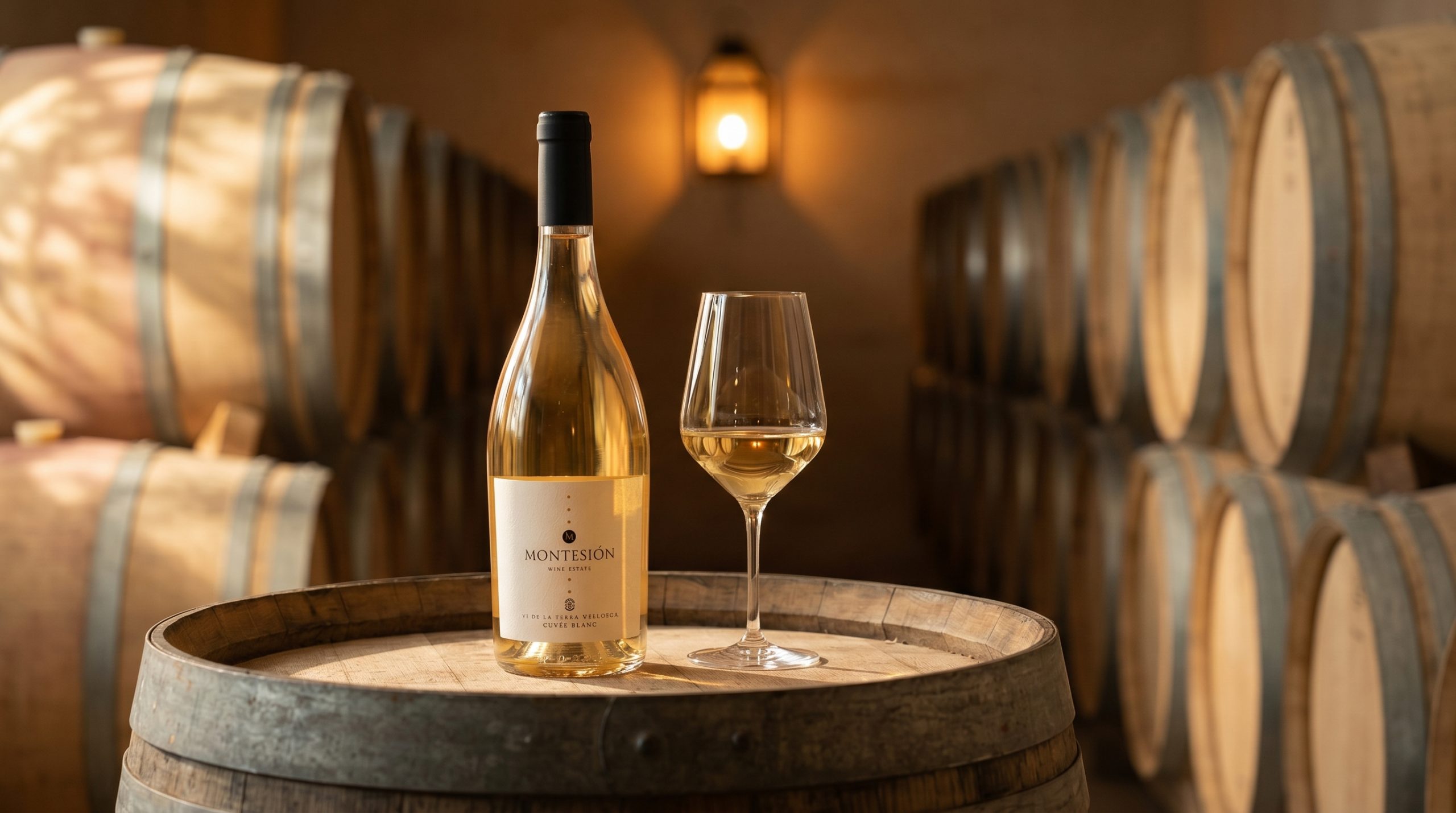
Balancing this intense fruit concentration requires exceptional skill during the delicate assemblage phase. A master vintner must tame the wild, rustic edges of native grapes while meticulously preserving their vibrant acidity. Often, the ideal solution lies in extended barrel aging and thoughtful varietal pairing. For example, the Montesión Cuvee Noir Callet/Merlot Limited Edition 2005 perfectly demonstrates this delicate equilibrium. This specific bottle merges the earthy undertones of local Callet with the velvety richness of Merlot, creating a perfectly balanced palate with concentrated black fruit aromas.
Additionally, strict farming philosophies deeply influence the final taste and energetic quality of the liquid. Estates practicing vino biodinámico treat the entire vineyard property as a single, interconnected living organism. Therefore, the resulting harvested grapes possess a vitality that translates directly into the glass. Achieving official Demeter certification guarantees that these rigorous ecological standards are consistently met at every step. Ultimately, a successful blend captures the raw energy of the soil and refines it through expert, patient craftsmanship.
Recognizing the Best Cuvées on the Island
Evaluating a premium blend requires careful attention to structure, balance, and evolution in the glass. The best wines in mallorca never reveal all their complex secrets on the very first sip. Instead, they unfold gradually, offering entirely different aromatic layers as the liquid interacts with oxygen. Initially, you might detect bright red berries or subtle, delicate floral notes.
Minutes later, deeper aromas of aged leather, sweet tobacco, or wild Mediterranean scrub brush often emerge. This fascinating aromatic journey signifies a masterful assemblage where no single grape dominates the conversation. Furthermore, texture plays a critical role in distinguishing an average bottle from a truly exceptional one. The tannins should feel completely integrated and smooth, rather than harsh, green, or astringent on the palate.
Acidity acts as the crucial structural backbone for these robust Mediterranean blends. Intense summer heat makes preserving grape freshness a constant challenge. Therefore, vintners often harvest slightly earlier or utilize higher-altitude plots to maintain this vital crispness. When tasting, a lively acidic lift should carry the complex flavors through a long, deeply satisfying finish. Finally, true quality is always evident in the wine’s long-term aging potential. A well-crafted organic wine Spain will continue to develop gracefully in a dark cellar for a decade or more. Proper storage conditions allow the integrated elements to fuse completely, transforming the liquid into a seamless sensory experience.
The Future of the Island’s Blends
Regional viticulture points toward an exciting future for premium assemblages. Vintners continue to refine their techniques, proving that historical traditions and modern precision can coexist beautifully. Specifically, the deliberate pairing of native and international grapes yields bottles with unprecedented depth and character. The commitment to sustainable farming ensures that the terroir remains vibrant for future generations.
Moreover, the increasing global recognition of these specific blends highlights a shift in consumer preferences. Enthusiasts now prioritize authenticity and ecological responsibility alongside exceptional taste. This dedication to quality elevates the entire regional industry on the world stage. Ultimately, every carefully constructed bottle serves as a testament to the land and the people who cultivate it. The mastery of assemblage transforms a simple agricultural product into a profound expression of Mediterranean heritage. By choosing these meticulously crafted blends, connoisseurs directly support the preservation of unique indigenous varieties and holistic farming practices.
Frequently Asked Questions
What defines a cuvee wine mallorca?
A cuvée in this region refers to a specific blend of different grape varieties, vintages, or vineyard parcels carefully assembled by a winemaker. Rather than bottling a single grape type, producers mix varieties like native Callet with international grapes to achieve superior balance and complexity. This process allows vintners to highlight the unique Mediterranean terroir while ensuring a consistent, high-quality flavor profile.
Are Mallorcan blends considered organic or biodynamic?
Many premium biodynamic wine blends from the island adhere to strict ecological farming principles. Estates often avoid synthetic chemicals, relying instead on natural preparations to maintain soil health and vine vitality. Official certifications guarantee the vineyard operates as a self-sustaining ecosystem. Consequently, these ecological practices directly enhance the purity and energetic quality of the final bottled blend.
Which indigenous grapes are most commonly used in Balearic assemblages?
Winemakers frequently utilize native varieties like Callet, Manto Negro, and Prensal Blanc as the foundation for their blends. These indigenous grapes adapt perfectly to the local climate, offering unique earthy flavors and vibrant acidity. Vintners typically combine them with international varieties like Syrah or Merlot to add structural depth, color, and tannic backbone to the finished wine.
How long should I age a premium Mallorcan blended wine?
High-quality regional blends possess excellent aging potential due to their robust tannic structure and balanced acidity. Generally, a premium red assemblage evolves beautifully in a temperature-controlled cellar for ten to fifteen years. During this time, primary fruit flavors mature into complex tertiary notes of leather, spice, and earth, creating a perfectly integrated tasting experience.
