

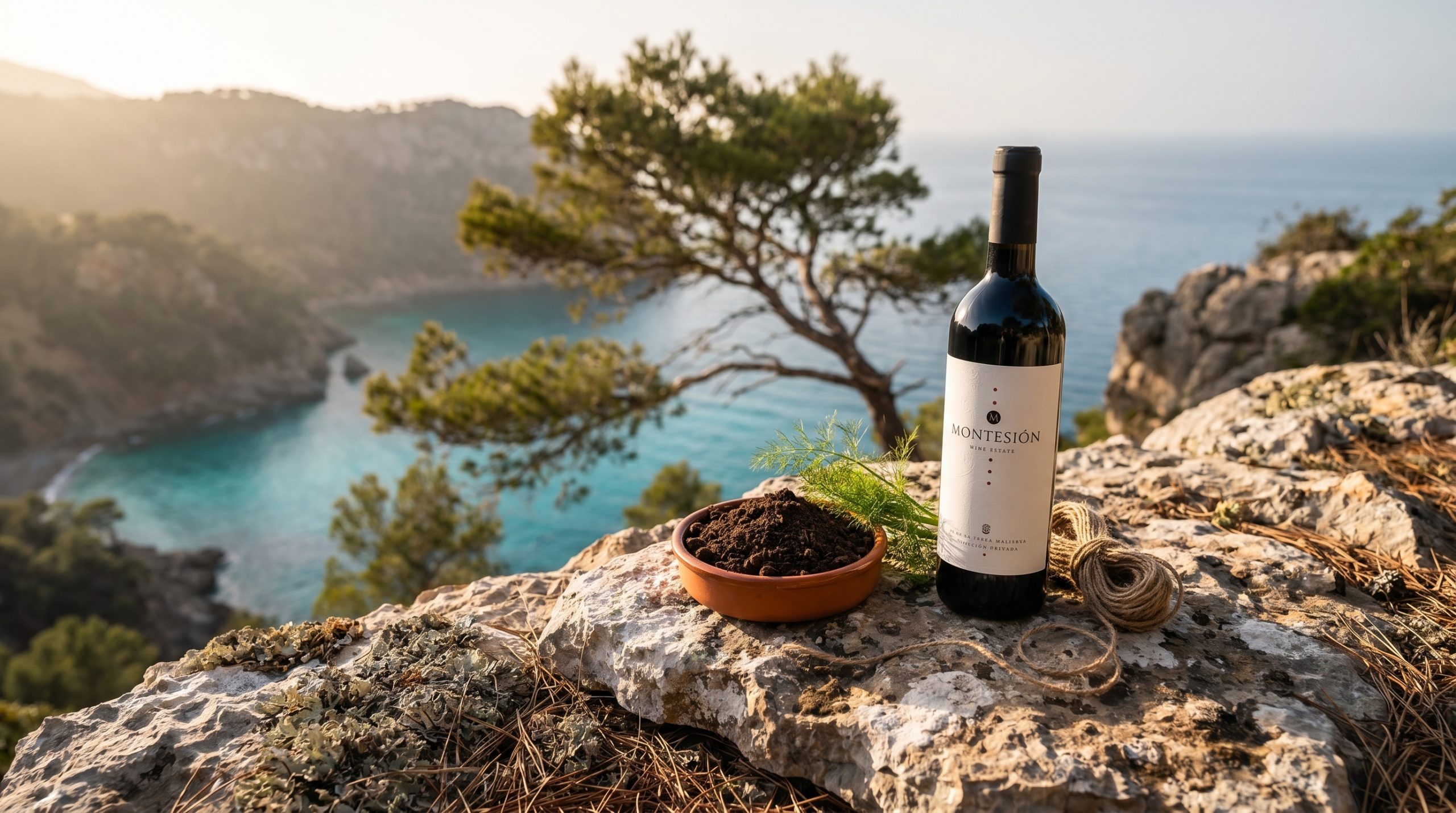
Mallorca indigenous grape varieties provide the definitive answer to modern viticultural challenges because they naturally resist drought and extreme heat. Furthermore, these native vines developed deep root systems over centuries, allowing them to thrive without excessive irrigation. Therefore, cultivating these heritage grapes at Montesion Wine Estate secures the future of sustainable winemaking while preserving the authentic, vibrant expression of the Mediterranean terroir.
Global viticulture faces unprecedented environmental pressure from rising temperatures and unpredictable rainfall patterns. Consequently, agricultural scientists and winemakers are fundamentally rethinking how vineyards operate in arid climates. While many regions previously favored famous international grapes, a significant paradigm shift is currently underway. Specifically, producers are returning to ancestral roots to ensure long-term survival. Native grapes of the Balearic Islands offer a compelling blueprint for climate-conscious agriculture. Because these vines evolved in harsh, sun-drenched environments, they possess inherent genetic advantages over imported species. Indeed, this transition represents more than a nostalgic nod to history. Rather, it constitutes a highly pragmatic strategy for producing exceptional organic wine in Spain. Readers will discover exactly how specific local vines manage water scarcity. Additionally, we will explore why these resilient plants form the backbone of successful biodynamic farming systems across the Mediterranean basin.
Why Climate Pressures Demand Viticultural Adaptation
Rising global temperatures fundamentally alter the chemical balance and ripening cycles of traditional grapevines. As a result, many renowned wine regions now struggle with premature harvests and falling acidity levels. Viticultural data reveals a stark reality for the industry. Specifically, agricultural studies indicate that standard international varieties require up to 40% more water to survive severe summer heatwaves compared to native Mediterranean vines. Therefore, adapting to these arid conditions requires a complete reevaluation of vineyard ecosystems.
Instead of fighting nature with artificial irrigation, sustainable estates like Montesion Wine Estate embrace the inherent strengths of local botany. Furthermore, cultivating varieties adapted to local climates drastically reduces the environmental footprint of agricultural operations. Biodynamic wine producers observe that indigenous plants naturally regulate their canopy growth during prolonged dry spells. Consequently, the vines protect their fruit from sunburn while conserving vital moisture in the soil.
This natural efficiency makes Demeter certification much more attainable for dedicated estates. Because native plants demand fewer external inputs, farmers can focus entirely on building soil vitality and microbial diversity. Indeed, working harmoniously with the local ecosystem yields far superior results than forcing foreign vines to adapt. Ultimately, this climate-conscious approach guarantees both ecological balance and agricultural viability for future generations.
Unlocking the Resilience of Callet Wine Mallorca
Among the most remarkable indigenous species, the Callet grape demonstrates extraordinary survival mechanisms in arid soils. Specifically, this red variety develops exceptionally deep root networks that penetrate through rocky limestone layers. Because these roots access hidden moisture reserves, the vine maintains steady hydration even during severe summer droughts. Furthermore, the plant’s thick skins protect the developing berries from intense ultraviolet radiation.
This structural resilience translates into remarkable elegance in the glass. Although the climate is fiercely hot, callet wine Mallorca retains surprisingly bright acidity and moderate alcohol levels. Consequently, the resulting vintage delivers a fresh, nuanced profile rather than a heavy, overripe character. Winemakers prize this grape for its ability to express the authentic mineral composition of the island’s terrain.
Experiencing this unique expression requires careful aging and minimal intervention in the cellar. For instance, the Montesión Callet Limited Edition 2007 perfectly captures the profound depth and earthy undertones characteristic of this resilient vine. By allowing the natural strength of the grape to shine, producers craft complex narratives of survival and elegance. Ultimately, tasting such a vintage reveals exactly why these heritage vines remain indispensable to the island’s agricultural identity.
Featured: Montesión Callet Limited Edition 2007
When seeking a wine that embodies the raw, untamed spirit of the island’s limestone soils, one often looks for depth that defies the heat. This limited edition captures the essence of ancient vines, offering a complex, earthy profile that speaks directly to the terroir. It is the perfect companion for a quiet evening reflecting on the heritage of Mediterranean viticulture.
Prensal Blanc Characteristics and Drought Resistance
While red varieties often dominate discussions of heat tolerance, white grapes face even greater challenges in warm climates. However, prensal blanc characteristics completely defy the conventional expectations for Mediterranean white wines. Also known locally as Moll, this vigorous vine exhibits a remarkable capacity to preserve malic acid during intense heatwaves. Therefore, the grapes yield crisp, aromatic profiles without requiring artificial acidification in the cellar.
The architectural structure of the Prensal vine provides its primary defense mechanism against the sun. Specifically, the plant grows a lush, umbrella-like canopy that naturally shades the delicate fruit clusters. Because the leaves form a protective shield, the berries ripen slowly and evenly throughout the scorching summer months. Furthermore, this controlled maturation process allows the grapes to develop complex floral and stone fruit aromatics.
To clearly understand the distinct survival strategies of these native species, consider their biological adaptations.
| Feature | Callet Grape | Prensal Blanc |
|---|---|---|
| Root System | Deep taproots penetrating limestone | Wide, efficient surface nutrient gathering |
| Canopy Management | Moderate foliage, wind-resistant | Dense, umbrella-like shading leaves |
| Berry Structure | Thick skin, high anthocyanin | Medium skin, high natural acidity retention |
| Climate Benefit | Resists severe dehydration | Prevents sunburn and premature ripening |
Through these unique biological traits, both varieties prove essential for maintaining a sustainable agricultural ecosystem. Additionally, their complementary growth patterns allow biodynamic farmers to cultivate diverse, balanced vineyards. Ultimately, these native species secure the production of premium Mallorca wine without compromising environmental integrity.
The Synergy Between Native Vines and Biodynamic Practices
Cultivating indigenous grapes perfectly aligns with the core philosophies of regenerative agriculture. Because native plants already understand the local climate, they respond exceptionally well to holistic farming methods. Consequently, estates practicing vino biodinámico rely heavily on these ancestral varieties to maintain ecological equilibrium. Instead of applying synthetic chemicals, farmers utilize natural preparations to stimulate the vines’ inherent defense mechanisms.
This symbiotic relationship dramatically improves the overall health of the vineyard soil over time. Furthermore, deep-rooting native vines break up compacted earth, allowing beneficial fungi and microorganisms to thrive underground. As a result, the soil acts like a massive sponge, absorbing and retaining precious winter rainfall. Indeed, this natural water management system eliminates the need for wasteful drip irrigation during the scorching summer months.
Moreover, embracing these heritage vines fosters a self-sustaining agricultural loop. Because the plants naturally resist local pests and diseases, vineyard managers can easily maintain strict organic protocols. Specifically, the integration of cover crops and animal grazing further enriches the biodiversity among the rows. Ultimately, this uncompromising dedication to natural harmony produces vibrant, living wines that truly reflect their unique origin.
Synthesizing the Future of Sustainable Winemaking
Frequently Asked Questions
What makes Mallorca indigenous grape varieties suitable for a changing climate?
Mallorca indigenous grape varieties possess natural biological adaptations that allow them to thrive in extremely hot and dry conditions. Because these vines evolved over centuries in the Mediterranean, they develop deep root systems to access hidden water tables. Furthermore, their thick skins and specific canopy structures protect the fruit from intense solar radiation. As a result, these native plants require significantly less irrigation than imported international grapes.
How do Prensal Blanc characteristics influence the quality of white wines?
Prensal Blanc characteristics fundamentally define the crisp, refreshing profile of local Mediterranean white wines. Specifically, this vigorous vine maintains naturally high acidity levels even during prolonged periods of extreme summer heat. Because the plant grows a dense canopy that shades the berries, the fruit ripens slowly without losing its delicate floral aromatics. Therefore, winemakers can produce vibrant, balanced white wines without resorting to artificial acidification.
Why is Callet wine Mallorca considered a sustainable choice?
Callet wine Mallorca represents a highly sustainable choice because the native vine demands minimal agricultural intervention to flourish. Indeed, the plant naturally resists local pests and tolerates severe drought, eliminating the need for excessive watering or chemical treatments. Additionally, its deep-rooting nature improves soil structure and promotes vital microbial diversity underground. Consequently, cultivating Callet perfectly supports the strict environmental standards required for certified biodynamic farming.
What role do native grapes play in producing biodynamic wine?
Native grapes form the essential foundation of any successful biodynamic wine operation in arid regions. Because these indigenous plants naturally harmonize with the local ecosystem, they respond vigorously to holistic, chemical-free farming preparations. Furthermore, their inherent resilience allows farmers to practice dry farming, which conserves precious water resources. Ultimately, this powerful synergy between local botany and regenerative agriculture produces vibrant vintages that authentically express their terroir.
