
The mallorca wine region thrives as a biodynamic hub because its unique island topography creates a self-regulating agricultural ecosystem. Therefore, the combination of maritime winds, protective mountain ranges, and calcium-rich soils naturally prevents vine diseases without chemical intervention. Consequently, winemakers at Montesion Wine Estate easily implement closed-loop farming practices that perfectly align with strict certification standards.
Island viticulture presents a distinct set of environmental variables that mainland vineyards rarely experience. Specifically, the Balearic archipelago sits at a geographical crossroads where intense Mediterranean sun meets constant thermal winds. This specific climatic tension forces indigenous grape varieties to develop thicker skins and deeper root systems. Furthermore, global agricultural data indicates a steady shift toward regenerative farming across Southern Europe. However, this particular Mediterranean island achieves these standards with remarkable natural efficiency. Winemakers here rely on the landscape’s inherent defenses to cultivate resilient vineyards. The local microclimate effectively does the heavy lifting for vineyard managers. As a result, the transition from conventional agriculture to holistic farming requires less systemic adjustment than in wetter European appellations. Readers will discover exactly how specific geographical features transform this destination into a premier laboratory for natural wine production.
The Tramuntana Shield and Sea Breezes: How Does the Climate Protect Vines?
The Serra de Tramuntana mountain range functions as a massive limestone wall against harsh northern weather systems. Specifically, these peaks block aggressive cold fronts from reaching the central plains during fragile spring budding periods. Consequently, vineyards located in the island’s interior enjoy a highly stable temperature gradient throughout the growing season. Furthermore, the elevation changes generate predictable diurnal temperature shifts that benefit grape maturation. During the day, the vines absorb intense solar radiation. Then, cool mountain air descends into the valleys at night to slow the ripening process. As a result, serra de tramuntana wine exhibits a characteristic freshness that defies the typical expectations of a hot Mediterranean climate.
Moreover, coastal proximity profoundly influences the daily atmospheric conditions across the island’s vineyards. The Embat, a localized thermal sea breeze, sweeps across the landmass every afternoon during the summer months. This consistent wind acts as a powerful ventilating force for the grape canopies. Consequently, moisture from morning dew evaporates rapidly before harmful mildew can establish itself on the leaves. Therefore, vineyard managers can eliminate synthetic fungicides entirely from their crop protection strategies. Ultimately, this combination of mountain shielding and constant maritime ventilation creates a cornerstone for balearic islands viticulture where the environment directly guarantees plant immunity.
Calcareous Soils: What Makes the Earth Here Ideal for Indigenous Varietals?
Beneath the surface, the island’s geological composition provides a perfect foundation for sustainable agriculture. Specifically, the soil profile consists largely of iron-rich clay mixed with dense calcareous limestone. This specific combination, locally known as Call Vermell, offers exceptional water retention properties during the arid summer months. Therefore, the deep root systems of indigenous vines can access hidden moisture reserves without artificial irrigation. Consequently, the vines experience a controlled water stress that concentrates flavors in the resulting fruit.
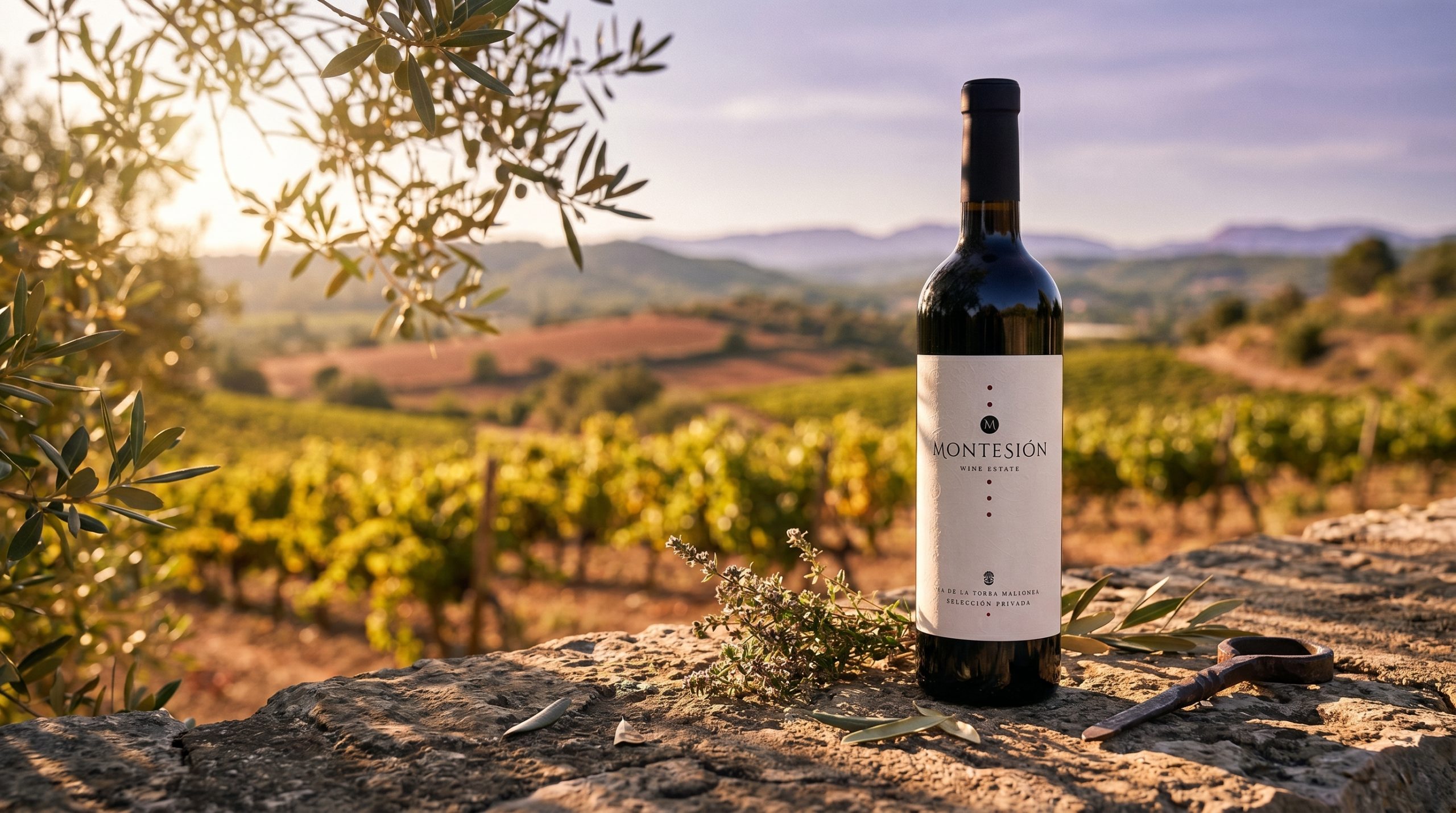
Moreover, this mineral-rich earth imparts a distinct structural elegance to the local harvests. The calcium carbonate in the soil helps maintain a balanced pH level in the grapes as they ripen. For instance, the Montesión Callet Limited Edition 2007 perfectly demonstrates how this specific terroir translates into the glass. This particular bottle captures the earthy undertones and moderate acidity directly inherited from the calcareous bedrock. As a result, enthusiasts of biodynamic wine frequently praise the undeniable sense of place found in these island vintages.
Additionally, the rocky topsoil reflects sunlight back up into the vine canopy, ensuring even ripening across the clusters. This natural thermal regulation reduces the need for aggressive canopy management. Ultimately, the vibrant red soils actively participate in the holistic farming cycle.
Featured: Montesión Callet Limited Edition 2007
When seeking to understand the profound influence of calcareous soils on indigenous grapes, this selection offers a direct sensory connection to the land. It captures the essence of the island’s mineral-rich bedrock, delivering a structured and elegant profile that reflects the unique terroir of the region. This is an ideal choice for those looking to experience the authentic character of Mallorca’s heritage varieties.
Market Dynamics: How Fast Are Sustainable Practices Expanding Locally?
The shift toward regenerative agriculture across the archipelago represents a measurable agricultural transformation. Specifically, recent data from the Balearic Council of Ecological Agricultural Production indicates that organic vineyard acreage has surged by over 40% in just five years. This rapid expansion outpaces the mainland averages by a significant margin. Consequently, sustainable wineries mallorca now represent a dominant force in the local agricultural economy rather than a niche subculture.
Furthermore, this transition involves rigorous verification processes that guarantee environmental integrity. Many estates, including Montesion Wine Estate, pursue full Demeter certification to prove their commitment to holistic, closed-loop farming systems. To illustrate this regional shift, consider the comparative growth of certified ecological hectares across different Mediterranean zones.
| Mediterranean Region | Organic Vineyard Growth (5-Year Span) | Primary Climate Advantage |
|---|---|---|
| Balearic Islands | +42% | Constant thermal winds |
| Sicily | +28% | Volcanic soil drainage |
| Corsica | +21% | High altitude gradients |
| Peloponnese | +18% | Coastal temperature buffering |
As the table demonstrates, the island’s unique microclimate accelerates the adoption of chemical-free viticulture. Therefore, farmers face fewer financial risks when abandoning conventional pesticides. Ultimately, the data confirms that geographic advantages directly drive the commercial viability of natural farming methods. Indeed, this statistical momentum attracts international attention to the island’s unique viticultural framework. Agronomists continually study these specific vineyard sites to understand how natural ecosystems can successfully replace synthetic inputs at a commercial scale.
The Future of Island Viticulture
The geographical features of this Mediterranean archipelago create an unparalleled environment for holistic agriculture. First, the protective mountain ranges establish a stable, rain-shadowed microclimate that prevents excessive humidity. Second, the daily thermal sea breezes act as a natural sanitizing agent that eliminates the need for chemical fungicides. Third, the deep, calcareous soils provide essential water retention and mineral complexity for indigenous grape varieties. Consequently, the island serves as a living laboratory where natural farming principles succeed with remarkable efficiency.
Moreover, these environmental advantages directly influence the quality and character of the final vintage. Winemakers do not have to fight the landscape to produce clean, vibrant bottles. Instead, they simply guide the natural processes already occurring within the ecosystem. This seamless integration of geography and agriculture defines the true essence of the mallorca wine region. Ultimately, estates that embrace these intrinsic climatic gifts produce vintages that capture the raw, unadulterated spirit of the Mediterranean terroir.
Frequently Asked Questions
What makes the Balearic climate suitable for biodynamic farming?
The Balearic climate provides a unique combination of constant sea breezes and low summer humidity that naturally protects vineyards from disease. Specifically, the daily thermal winds ventilate the vine canopies, preventing the moisture buildup that typically causes fungal infections. Consequently, farmers can successfully cultivate healthy grapes without relying on synthetic chemical sprays. Therefore, this self-regulating environment perfectly supports the strict, chemical-free requirements of holistic agricultural certifications.
How does limestone soil affect Mediterranean wine production?
Limestone-rich soils offer exceptional water retention capabilities that sustain vines through long, arid Mediterranean summers. Additionally, this calcareous earth imparts a distinct mineral tension and balanced acidity to the grapes during the ripening phase. Consequently, deep-rooted indigenous vines extract complex nutrients from the bedrock, resulting in highly structured and elegant flavor profiles. Ultimately, this specific soil composition allows dry-farmed vineyards to thrive without artificial irrigation systems.
What does Demeter certification mean for organic wine Spain producers?
Demeter certification guarantees that an agricultural estate operates as a completely self-sustaining, closed-loop ecosystem without synthetic inputs. Specifically, this rigorous international standard requires farmers to integrate livestock, promote biodiversity, and utilize natural compost preparations. Therefore, achieving this status proves that a vineyard goes far beyond basic organic practices to actively regenerate the soil. Consequently, consumers recognize this seal as the highest global benchmark for ecological and ethical farming transparency.
