
Mallorca’s wine region offers a compelling alternative to Europe’s overtouristed wine destinations, combining 2,000 years of winemaking heritage with indigenous grape varieties found nowhere else, Mediterranean terroir that produces wines of remarkable character, and an intimate estate experience that feels genuinely personal rather than commercialized. The island’s commitment to biodynamic viticulture has positioned it at the forefront of sustainable winemaking innovation, while small family-run wineries deliver direct access to winemakers that simply doesn’t exist in Bordeaux or Tuscany anymore.
Most serious wine enthusiasts keep Mallorca off their radar entirely, a curious oversight given the island’s ancient winemaking credentials and its recent renaissance. When Pliny the Elder documented Mediterranean wines in the first century, he specifically praised Balearic vintages as among the finest available. Yet mention Mallorca today and most wine lovers picture beaches, not vineyards. This disconnect reveals more about marketing than quality. The island’s wines rarely leave Spain, not because they lack merit, but because production volumes stay deliberately small and local consumption absorbs most bottles. For travelers seeking authentic wine experiences beyond the well-worn paths of Rioja and Priorat, this scarcity represents opportunity rather than limitation. Understanding what makes Mallorca’s wine territory genuinely distinctive requires looking past assumptions about island wine quality and examining the specific elements that set this region apart.
Why Has Mediterranean Island Wine Been Overlooked?
Island wine regions historically faced skepticism from continental Europe’s established appellations, a bias rooted partly in logistics and partly in outdated assumptions about terroir. Mallorca’s wine industry experienced dramatic fluctuations that shaped this perception. During the 1890s, when phylloxera devastated French and Spanish mainland vineyards, the island’s 30,000 hectares of vines exported wine across Europe to fill the gap. Production thrived until the pest arrived in 1891, reducing vineyard acreage to just 3,000 hectares almost overnight.
That collapse had lasting consequences. For most of the twentieth century, Mallorca produced bulk wine for local consumption, not export-quality bottles. The island’s first Denomination of Origin came only in 1990 with Binissalem, followed by Pla i Llevant in 1999. This recent official recognition means Mallorca lacks the centuries-old appellation prestige of Burgundy or Piedmont.
However, this late start created unexpected advantages. Winemakers building estates in the past three decades brought modern techniques and sustainability principles from the beginning, rather than retrofitting old practices. Many embraced organic and biodynamic certification immediately, positioning Mallorca as a leader in regenerative viticulture. The island’s wine identity formed around quality over volume, small batches over mass production, and innovation over tradition-bound methods. Additionally, the geographic isolation that once hindered exports now serves as protection against the mass wine tourism that has overwhelmed regions like Napa Valley, where tasting rooms often feel more like retail operations than genuine estate visits.
What Makes Mallorca’s Wine Territory Genuinely Unique?
Mallorca’s Mediterranean climate creates growing conditions unlike mainland Spanish wine regions. Summers deliver intense heat and drought, while fall and winter bring cooler temperatures and moderate rainfall. The Serra de Tramuntana mountain range shields central vineyards from harsh northern winds, while eastern estates catch salty sea breezes that influence flavor profiles. This climate allows grapes to develop concentrated sugars and complex aromatics without the heavy irrigation common in hotter regions.
The indigenous varieties represent Mallorca’s strongest differentiator. Callet produces structured red wines with earthy undertones and moderate tannins, thriving in the island’s chalky limestone soils. Manto Negro, the most widely planted variety, creates light to medium-bodied reds high in natural sugars and alcohol, often blended to add fruit-forward character. Prensal Blanc yields crisp white wines with citrus notes and mineral backbone. These grapes exist almost exclusively on Mallorca, giving the region a varietal identity that cannot be replicated elsewhere.
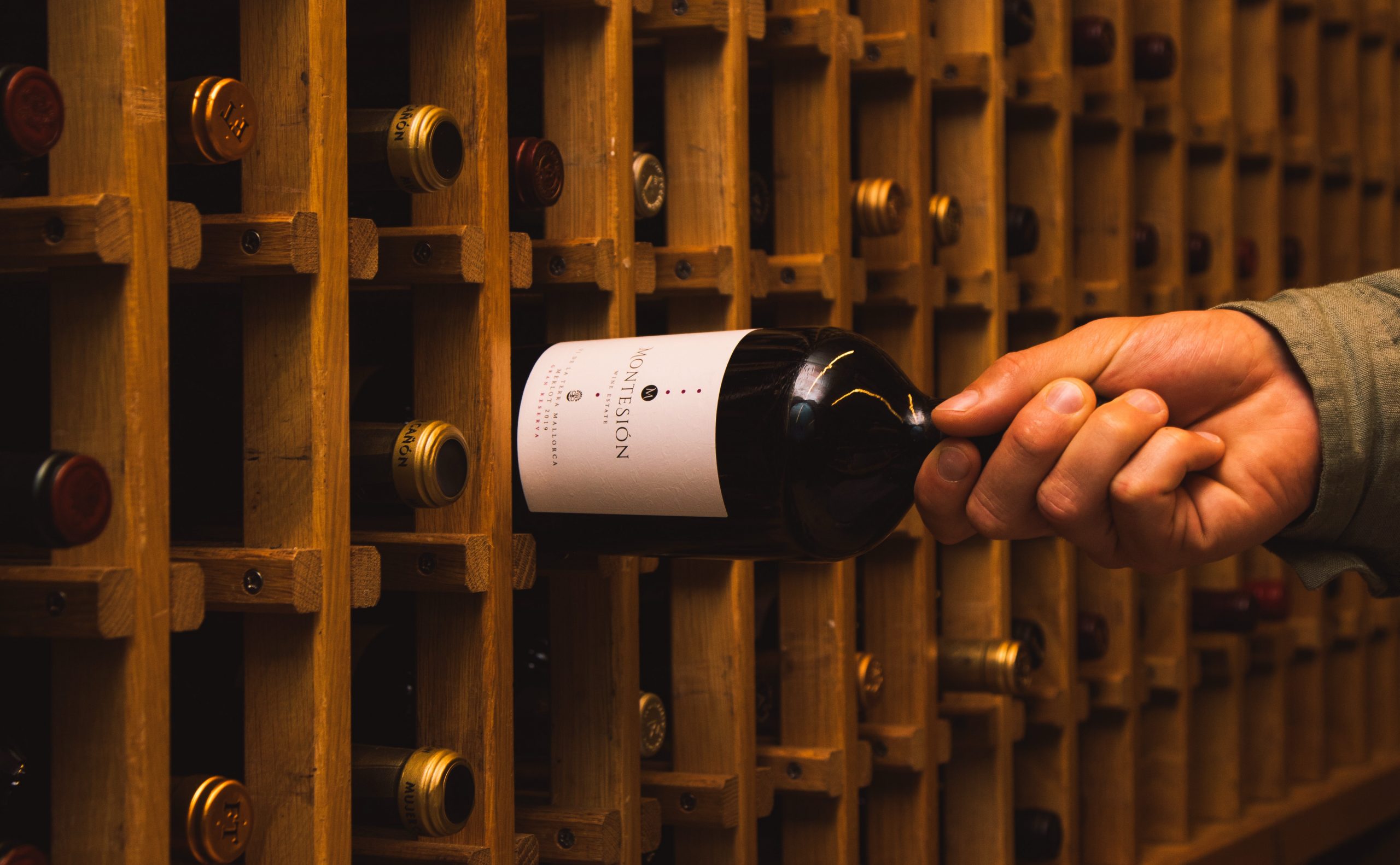
Beyond indigenous varieties, innovative winemakers experiment with international grapes adapted to Mediterranean conditions. Petit Verdot, traditionally a Bordeaux blending grape, achieves full ripeness here that’s difficult in cooler climates. The variety’s intense color, bold flavors, and firm tannins shine in Mallorca’s heat. Estates like Montesion Wine Estate have demonstrated Petit Verdot’s potential as a standalone varietal through expressions like the Montesión Petit Verdot Gran Reserva 2020, aged 24 months in French oak barrels to develop velvety texture and complex layers.
Biodynamic viticulture has gained stronger footing in Mallorca than in many traditional wine regions, where established practices resist change. Several estates hold Demeter certification, the international biodynamic standard requiring chemical-free farming, biodiversity promotion, and respect for natural cycles. Montesion Wine Estate exemplifies this commitment, integrating biodynamic principles throughout their vineyard work and winemaking. This approach produces wines with distinctive terroir expression and supports the island’s broader agricultural sustainability goals. The commitment extends beyond marketing-these principles shape daily vineyard work and winemaking decisions.
Featured: Montesión Petit Verdot Gran Reserva 2020
You’ve read about Mallorca’s indigenous varieties and biodynamic terroir. Now experience how these principles translate to the glass. Montesión Petit Verdot Gran Reserva 2020
How Small-Estate Experiences Rival Europe’s Famous Wine Routes
Mallorca wine country operates on a fundamentally different scale than Tuscany’s Chianti region or France’s Rhône Valley. Most estates produce fewer than 50,000 bottles annually, with many well under 20,000. This small production means direct interaction with winemakers or family members remains the norm rather than the exception. Tastings typically occur in intimate settings-estate dining rooms, barrel cellars, or vineyard terraces-where conversation flows naturally rather than following scripted presentations.
The island’s wine tourism infrastructure deliberately avoids the tour-bus model that has commercialized other regions. Visitors typically need reservations, limiting group sizes and preserving the personal character of visits. This exclusivity isn’t about elitism but about maintaining quality interactions. Winemakers can explain their biodynamic practices in detail, discuss specific vintage characteristics, or share family history without rushing to the next scheduled group.
Mallorca’s compact geography also creates efficiency impossible in sprawling regions like Bordeaux. Three or four estate visits fit comfortably into a single day without excessive driving. The central Binissalem area clusters several notable wineries within 15 minutes of each other, while Pla i Llevant on the eastern coast offers coastal scenery alongside wine tasting. Between visits, the Mediterranean landscape provides constant visual interest-almond groves, olive orchards, limestone formations, and glimpses of the sea.
For wine enthusiasts tired of fighting crowds at famous estates or paying premium prices for rushed tastings, balearic islands wine tourism offers refreshing contrast. The experience feels discovered rather than packaged, authentic rather than performed. Moreover, because Mallorcan wines remain largely unavailable outside Spain, bottles purchased directly from estates carry genuine rarity. Taking home a case of Callet or Prensal Blanc means owning something friends cannot simply order online, a tangible connection to a specific place and winemaker.
Mallorca’s Place Among Europe’s Essential Wine Destinations
The case for including Mallorca wine region on serious wine itineraries rests on elements that cannot be replicated elsewhere: indigenous varieties that define a unique flavor profile, Mediterranean terroir that produces wines of genuine character, biodynamic leadership that positions the island at sustainable viticulture’s forefront, and intimate estate experiences that feel personal rather than commercial. These factors combine to create a wine destination that rewards curiosity and challenges assumptions about where great wine comes from.
Mallorca will never compete with Burgundy’s volume or Bordeaux’s prestige, nor should it try. The island’s strength lies precisely in its difference-its refusal to follow established wine region formulas, its commitment to indigenous varieties over internationally recognized grapes, its embrace of biodynamic principles from the start. For wine lovers seeking new territory to explore, regions that still feel undiscovered, and wines that cannot be found anywhere else, mallorca wine country deserves serious consideration. The question isn’t whether Mallorca belongs among Europe’s essential wine destinations, but rather how much longer it will remain one of the continent’s best-kept secrets.
Book your tasting experience at Montesion Wine Estate
Frequently Asked Questions
What grape varieties are unique to Mallorca’s wine region?
Mallorca’s wine identity centers on indigenous varieties found almost nowhere else. Callet produces structured red wines with earthy character and moderate tannins, thriving in the island’s limestone soils. Manto Negro, the most widely planted local grape, creates fruit-forward reds high in natural sugars. Prensal Blanc yields crisp white wines with citrus and mineral notes. These varieties give Mallorcan wine a flavor profile that cannot be replicated in other spanish wine regions, making bottles from the island genuinely distinctive.
How does Mallorca’s wine tourism differ from visiting Rioja or Tuscany?
Mediterranean wine tourism in Mallorca operates on a smaller, more intimate scale than mass-market wine regions. Most estates produce under 50,000 bottles annually and require reservations, ensuring personal interactions with winemakers rather than scripted tours. The compact geography allows visiting multiple estates in one day without extensive driving. Unlike overtouristed destinations where tasting rooms feel commercial, Mallorca’s wine experiences remain authentic and unhurried, with direct access to the people making the wine.
Why has Mallorca embraced biodynamic winemaking more than other regions?
Mallorca’s wine renaissance began in the 1990s, allowing new estates to incorporate biodynamic principles from the start rather than converting from conventional methods. The island’s agricultural tradition and Mediterranean climate suit biodynamic practices well. Several wineries hold Demeter certification, the international biodynamic standard requiring chemical-free farming and natural vineyard cycles. This early adoption positioned Mallorca as a leader in sustainable viticulture, differentiating it from regions where established practices resist change and making biodynamic wine a defining characteristic of the island’s wine identity.
