

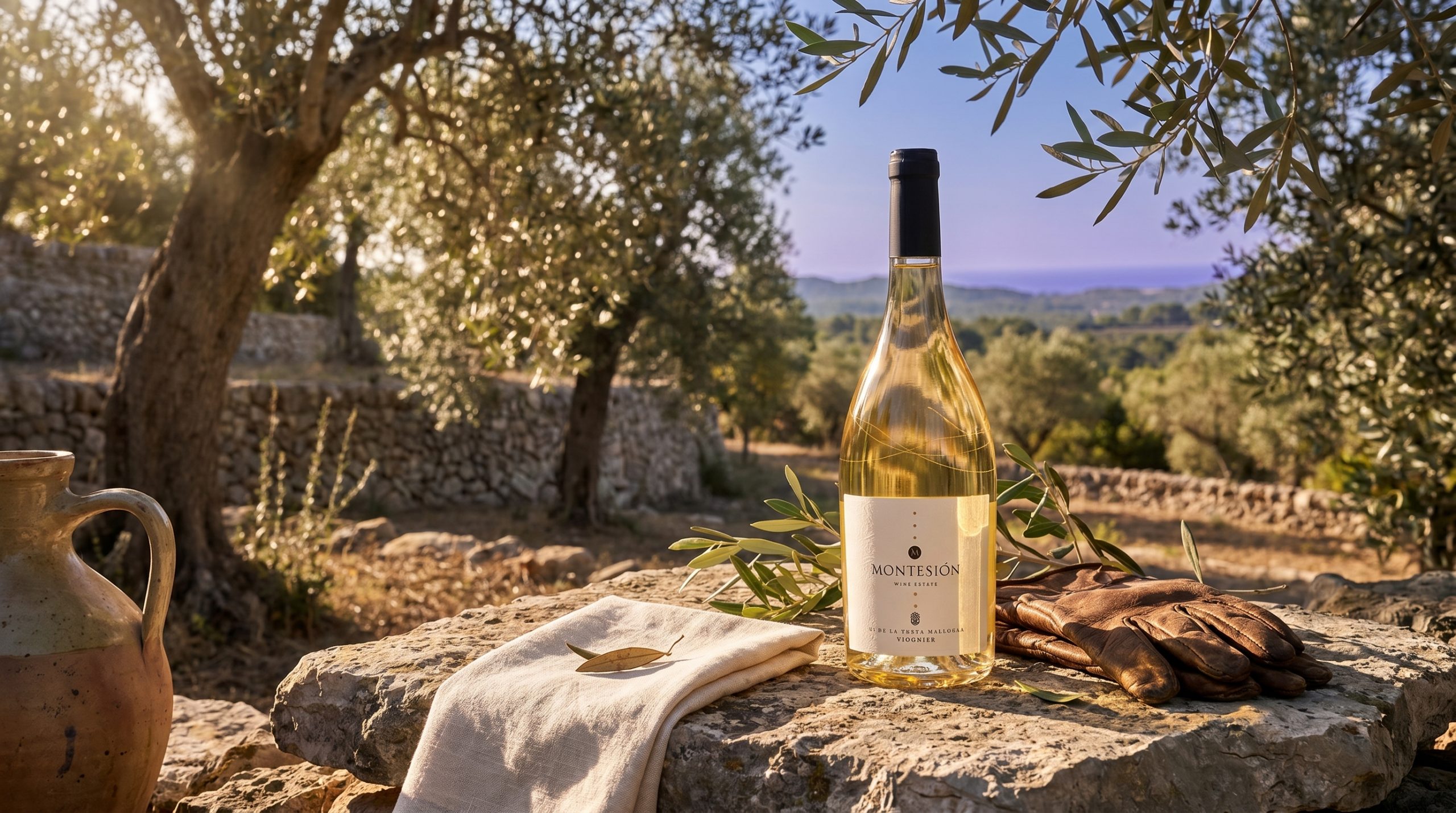
Understanding the mallorca wine terroir requires looking beneath the surface at the island’s iron-rich red clay and porous limestone base. Therefore, the seemingly harsh, nutrient-depleted soil actually forces vine roots deep underground to search for water. Consequently, this geological stress produces grapes with naturally high acidity and complex chemical structures. Ultimately, these rugged conditions are the exact reason indigenous varieties thrive here at Montesion Wine Estate.
Many enthusiasts assume that lush landscapes yield the most elegant vintages. However, true viticultural excellence often emerges from harsh environments. Specifically, the rocky terrain of the Balearic Islands presents a contrarian reality for winemakers. Vines planted in dense, iron-oxidized earth struggle daily against the elements. Yet, this relentless geological friction creates an unparalleled flavor profile.
Historically, experts viewed Mediterranean island soils as too arid for high-acid white wines. Furthermore, extreme summer temperatures typically degrade delicate aromatic compounds in the grapes. Despite these assumptions, specific microclimates across the island disrupt the standard narrative. Winemakers cultivating indigenous varieties discover unexpected freshness in their harvests. As a result, the demanding topography acts as a natural quality control mechanism. Readers will learn exactly how these challenging geological formations dictate the aging potential and structural elegance of the region’s finest bottles produced by Montesion Wine Estate.
The Geological Paradox of Call Vermell Soil
The defining feature of the mallorca wine terroir is undoubtedly the call vermell soil. Specifically, this vibrant red earth contains exceptionally high concentrations of ferric oxide. Market data analyzing balearic islands viticulture indicates that these clay-loam topsoils retain up to 40% less surface water than traditional mainland vineyards. Therefore, the vines must adapt rapidly to survive the arid conditions.
Below the dramatic red surface lies a crucial foundational layer of calcium-rich limestone. Consequently, this porous bedrock acts like a subterranean sponge during the brief winter rainfall. Roots often penetrate up to six meters deep to access these hidden moisture reserves. Furthermore, the high alkaline pH of the limestone directly influences the chemical balance of the developing fruit, specifically elevating the tartaric acid levels.
While conventional farming seeks to eliminate environmental stress, biodynamic wine production embraces it entirely. Indeed, the harsh mineral composition naturally limits canopy growth and restricts yields. As a result, the plant concentrates all its energy into a smaller number of grape clusters. This intense physiological focus generates thicker skins and higher tannin levels in indigenous varieties. Moreover, the dense clay prevents rapid water evaporation during the scorching summer months. Ultimately, the challenging terrain provides a perfect ecosystem for cultivating resilient grapes.
How Mallorca Climate Wine Dynamics Shape Acidity
Beyond geology, the mallorca climate wine equation relies heavily on marine influences to regulate vine temperatures. Specifically, the island experiences a unique meteorological phenomenon known as the Embat. This afternoon sea breeze sweeps across the vineyards, dramatically lowering the ambient heat. Consequently, the sudden thermal shift prevents the grapes from over-ripening and losing their essential malic acid.
Temperature fluctuations play a critical role in developing complex aromatic profiles. For instance, daytime highs often reach 35 degrees Celsius, while nighttime temperatures can drop below 18 degrees Celsius. Therefore, this wide diurnal range slows down the accumulation of sugars. Meanwhile, the extended ripening period allows phenolic compounds to mature fully without resulting in excessively alcoholic wines.
| Environmental Factor | Geological Interaction | Impact on Grape Chemistry |
|---|---|---|
| Call Vermell Topsoil | Reflects solar radiation | Increases skin thickness and tannin density |
| Limestone Bedrock | Retains winter rainfall | Stabilizes pH and preserves natural acidity |
| Embat Sea Breeze | Lowers afternoon temperatures | Prevents degradation of aromatic compounds |
Furthermore, these climatic conditions make the region ideal for producing organic wine Spain standards require. The constant air circulation minimizes fungal diseases naturally. As a result, farmers avoid synthetic chemical sprays entirely. Ultimately, the combination of coastal winds and rocky earth creates an environment where indigenous grapes express their truest character.
Chemical Structure and Biodynamic Viognier Expression
Cultivating vines in such uncompromising terrain requires a specialized approach to agriculture. Consequently, achieving Demeter certification demands treating the entire vineyard as a closed, self-sustaining organism. The iron-rich earth responds remarkably well to these holistic farming methods. Because the soil lacks abundant organic matter, farmers must actively rebuild the microbial life underground.
Several key practices define this demanding agricultural methodology:
- Applying composted animal manure to enhance the microbiological diversity of the topsoil.
- Spraying finely ground quartz crystals to maximize the plant’s photosynthetic efficiency.
- Planting cover crops like nitrogen-fixing legumes between the vine rows.
The intricate relationship between earth and climate culminates in the chemical structure of the finished wine. Specifically, white grape varieties demonstrate the profound impact of the calcareous subsoil. The deep limestone reserves provide a constant supply of calcium to the vine. Consequently, this mineral uptake buffers the rising potassium levels in the grapes during extreme heat.
This dynamic tension is perfectly captured in the Montesión Viognier 2025. Specifically, the wine reflects the exact mineral composition of the earth it grows in. The roots draw moisture from the deep limestone, imparting a lush yet beautifully balanced texture. Ultimately, the rigorous environment strips away any superficial characteristics, leaving only the purest expression of the variety.
The Enduring Legacy of Mediterranean Geology
The complex interplay of iron-rich earth and coastal winds fundamentally defines the mallorca wine terroir. Firstly, the unforgiving nature of the red clay forces vines to build resilience and character. Consequently, this geological stress translates directly into wines with remarkable aging potential and structural integrity. Secondly, the hidden limestone aquifers provide essential hydration during the arid summer months. Therefore, the resulting grapes maintain a brilliant, natural acidity that defies the hot climate expectations.
Furthermore, embracing these harsh conditions through biodynamic practices elevates the final product significantly. By rejecting synthetic shortcuts, winemakers allow the true voice of the land to emerge clearly. Indeed, the rugged terrain is not an obstacle to overcome, but rather a vital ingredient in the winemaking process. Ultimately, understanding this unique environment transforms how we experience these exceptional bottles. The uncompromising earth of the Balearics continues to prove that the most profound flavors are forged through natural adversity.
Frequently Asked Questions
What makes Call Vermell soil unique for winemaking?
This specific red clay topsoil is defined by its exceptionally high concentration of iron oxide and its dense, compacted structure. Because the earth retains very little surface water, vine roots are forced to grow incredibly deep to reach the underlying limestone bedrock. Consequently, this intense environmental stress limits the overall grape yield while dramatically increasing the flavor concentration and skin thickness of the fruit. Ultimately, the resulting wines exhibit a distinct mineral character and robust tannin structure that cannot be replicated in more fertile environments.
How does the Mediterranean climate affect grape acidity?
The intense summer heat of the region is naturally regulated by a consistent afternoon sea breeze known as the Embat. This crucial maritime wind rapidly lowers the temperature in the vineyards, preventing the grapes from baking on the vine. Therefore, the sudden thermal shift preserves the essential malic acid within the fruit. As a result, even white varieties grown in this warm climate maintain a bright, refreshing crispness that beautifully balances their ripe fruit flavors.
Why is limestone bedrock important for organic viticulture?
Limestone acts as a massive subterranean sponge that captures and stores the heavy, concentrated winter rainfall. During the arid summer months, the deep vine roots slowly extract this reserved moisture, allowing the plant to survive without artificial irrigation. Furthermore, the highly alkaline nature of the calcium-rich rock directly influences the chemical composition of the grapes. Indeed, this natural mineral uptake enhances the structural elegance and long-term aging potential of the finished natural wine.
