

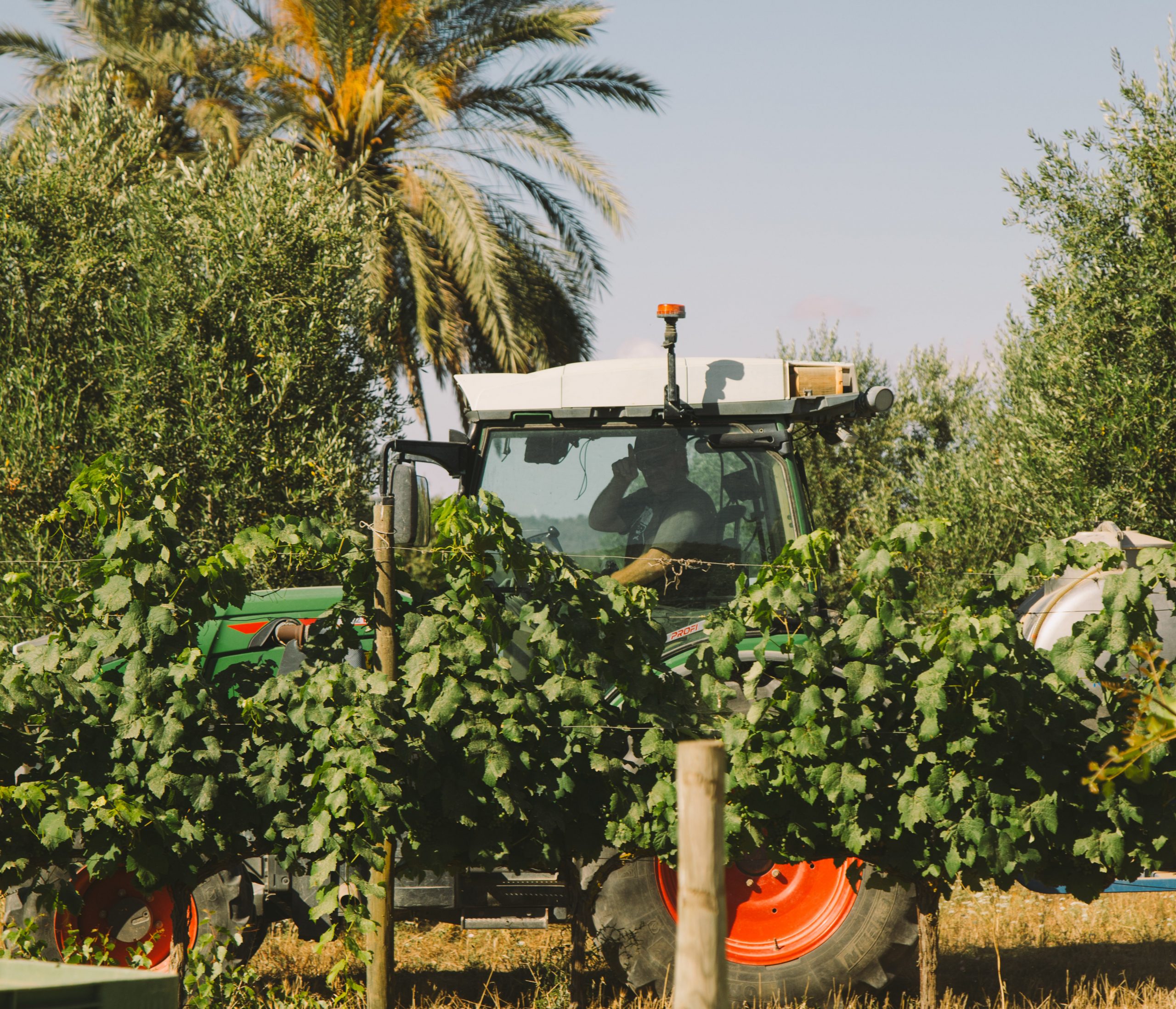
Mallorcan terroir represents one of the Mediterranean’s most distinctive wine-producing environments, shaped by limestone geology, maritime climate, and indigenous grape varieties found nowhere else. This combination creates wines with mineral complexity, natural acidity, and aromatic profiles that distinguish them from mainland Spanish regions and other island appellations.
What Makes Terroir Unique in Mallorca
The concept of terroir extends beyond simple geography-it encompasses the complete interaction between soil composition, climate patterns, topography, and human tradition. In Mallorca, these elements converge in ways that create a singular wine identity. The island’s position in the western Mediterranean places it at the intersection of African heat, Atlantic moisture, and Alpine cooling influences, creating microclimates that shift dramatically within short distances.
Mallorca’s viticultural landscape differs fundamentally from mainland Spain’s continental regions. While other regions experience extreme temperature swings between seasons, Mallorca benefits from maritime moderation-the surrounding sea acts as a thermal regulator, preventing the harsh frosts that plague inland vineyards while tempering summer heat. This stability allows grapes to ripen slowly and evenly, developing complex flavor compounds without losing essential acidity.
The island’s compact size-roughly 100 kilometers from east to west-belies its geological diversity. Within this small area, winemakers work with dramatically different soil types, from the red clay of Binissalem to the white limestone of Porreres. Each soil type imparts distinct characteristics to the wines produced there. Limestone soils, which dominate the central plains where many estates are located, contribute exceptional minerality and structure. These ancient marine deposits, laid down when the Mediterranean was a shallow sea millions of years ago, provide natural drainage while retaining just enough moisture to sustain vines through dry summers. The calcium carbonate content in these soils creates wines with bright acidity and pronounced mineral notes-characteristics that become more evident as vines age and roots penetrate deeper into the bedrock.
Moreover, Mallorca’s elevation variations create distinct growing zones. Vineyards planted at sea level experience different conditions than those at 200 meters in the Tramuntana foothills. Higher elevations enjoy cooler nights, which preserve aromatic compounds in grapes and maintain acidity levels. This diurnal temperature variation-the difference between day and night temperatures-can exceed 15 degrees Celsius during harvest season, allowing grapes to develop intense flavors while retaining freshness.
The Geological Foundation of Mallorcan Wine Character
Mallorca’s bedrock tells a story written over millions of years. The island’s formation began during the Alpine orogeny, the same tectonic event that created the Pyrenees and the Alps. As the African and Eurasian plates collided, ancient seabeds were thrust upward, creating the limestone backbone that defines much of Mallorca’s terrain today. This geological heritage directly influences wine quality in measurable ways.
Limestone soils excel at producing wines with structure and aging potential. The porous nature of limestone allows vine roots to penetrate deeply-sometimes reaching 10 meters or more-accessing water and nutrients unavailable to shallow-rooted plants. This deep rooting creates stress that, paradoxically, improves grape quality. Vines working harder to find resources produce smaller berries with higher skin-to-juice ratios, concentrating flavors and phenolic compounds. The result is wines with greater complexity and longevity.
Calcareous soils also influence wine pH and acidity. Grapes grown in limestone tend to produce wines with higher natural acidity and lower pH levels, both desirable traits for balance and freshness. This acidity becomes particularly valuable in warm climates like Mallorca’s, where heat can otherwise flatten wine structure. The mineral content of limestone-primarily calcium carbonate-contributes specific flavor notes that tasters describe as chalky, flinty, or saline. These characteristics appear most prominently in white wines but also enhance red wine complexity.
Beyond limestone, Mallorca’s soils include pockets of red clay, sandy loam, and gravel deposits. Each soil type favors different grape varieties. Red clay, with its iron-rich composition, produces powerful, structured red wines. Sandy soils, found in coastal areas, drain quickly and warm rapidly, advancing ripening and producing wines with softer tannins. This diversity allows winemakers to match varieties to optimal sites-a practice known as terroir-driven viticulture.
The island’s soil depth varies considerably. In some areas, vines grow in shallow soil over solid limestone, forcing roots to seek crevices in the rock itself. These extreme conditions produce wines of remarkable concentration and minerality. In deeper soil pockets, vines enjoy more generous growing conditions, yielding wines with rounder, more approachable profiles. Understanding these variations allows producers to craft wines that express specific site characteristics rather than generic regional traits.
Climate Dynamics: Mediterranean Influence with Atlantic Echoes
Mallorca’s climate classification as Mediterranean tells only part of the story. While the island enjoys abundant sunshine-averaging over 300 days annually-and experiences the characteristic hot, dry summers and mild, wet winters of the Mediterranean basin, Atlantic weather systems periodically sweep across the island, bringing rainfall and moderating temperatures. This Atlantic influence distinguishes Mallorcan climate from purely Mediterranean regions further east.
The Tramuntana mountain range, running along Mallorca’s northwest coast, plays a crucial role in shaping local climate. These mountains, rising to over 1,400 meters, act as a barrier against cold northern winds while creating rain shadow effects that leave the central plains drier than coastal areas. Vineyards planted in the lee of the Tramuntana benefit from protection against harsh winds while still receiving adequate rainfall-typically 400-600mm annually-to sustain vine growth without irrigation.
Sea breezes constitute another critical climate factor. During summer days, land heats faster than water, creating pressure differences that draw cool air inland from the coast. These breezes, known locally as the embat, moderate afternoon temperatures and increase humidity, reducing heat stress on vines. At night, the process reverses-land cools quickly while the sea retains warmth, creating gentle offshore breezes. This constant air movement also reduces fungal disease pressure by keeping foliage dry, a significant advantage in organic and biodynamic viticulture where synthetic fungicides are prohibited.
Seasonal rainfall patterns further define Mallorcan terroir. Most precipitation falls between October and April, with summers remaining largely dry. This pattern suits viticulture perfectly-winter rains replenish soil moisture reserves, spring rains support vegetative growth, and summer drought concentrates flavors as grapes ripen. However, climate change has introduced greater variability, with some vintages experiencing unexpected summer storms or prolonged spring droughts. Winemakers increasingly rely on detailed site knowledge and adaptive practices to navigate these shifts.
Temperature patterns also merit attention. While summer days can reach 35°C or higher, nights cool significantly, particularly inland and at elevation. This diurnal shift preserves acidity and aromatic compounds that would otherwise degrade in constant heat. Harvest timing becomes critical-picking too early sacrifices flavor development, while waiting too long risks acidity loss. Experienced viticulturists monitor sugar accumulation, acidity levels, and phenolic ripeness simultaneously, harvesting when all three parameters align.
Indigenous Varieties: Genetic Heritage Shaped by Place
Mallorca’s indigenous grape varieties-Callet, Manto Negro, Prensal Blanc, and others-represent centuries of natural selection and adaptation to local conditions. These varieties evolved in Mallorcan terroir, developing characteristics that allow them to thrive where international varieties might struggle. Understanding these grapes provides insight into how terroir shapes not just wine style but the very genetic material that produces it.
Callet, a red variety found almost exclusively in Mallorca, exemplifies terroir-driven adaptation. This grape produces wines with moderate alcohol, bright acidity, and red fruit flavors-characteristics that reflect Mallorca’s climate and soils. Callet’s relatively thick skins protect against sunburn during hot summers, while its natural acidity prevents wines from tasting flabby despite warm growing conditions. The variety’s flavor profile-often described as showing red cherry, Mediterranean herbs, and mineral notes-directly expresses the limestone soils and maritime climate where it grows.
Prensal Blanc, Mallorca’s signature white variety, demonstrates similar adaptation. This grape maintains acidity even in warm conditions, producing wines with citrus and stone fruit flavors alongside distinctive saline minerality. Prensal’s ability to retain freshness in heat makes it ideally suited to Mallorcan terroir, where international white varieties can become flabby and over-ripe. The variety’s name, derived from the Catalan word for “press,” references its historical use in producing everyday table wines, though modern winemaking has revealed its potential for serious, age-worthy wines.
These indigenous varieties also carry cultural significance. They connect modern Mallorcan wine to centuries of tradition, providing continuity with the island’s viticultural past. When estates choose to plant Callet or Prensal rather than international varieties, they make a statement about terroir and identity-asserting that place matters more than global trends. This philosophy aligns with broader movements in wine toward authenticity and regional distinctiveness.
However, international varieties also play a role in Mallorcan terroir expression. Varieties like Cabernet Sauvignon, Merlot, and Syrah, when grown in Mallorcan conditions, produce wines that differ markedly from their counterparts in other regions. The island’s limestone soils and maritime climate impose their signature on these grapes, creating wines that taste distinctly Mallorcan despite their international pedigree. A Mallorcan Cabernet, for instance, typically shows more minerality and less overt fruit than examples from other regions, reflecting soil and climate differences.
The interplay between indigenous and international varieties creates opportunities for distinctive blends. Estates like Montesion Wine Estate craft wines that combine the structure of Cabernet or Merlot with the bright acidity and mineral character of local conditions, producing wines that balance international appeal with regional specificity. The Montesión Selección Privada 2021, for example, showcases how international varieties can express Mallorcan terroir when handled with understanding and respect for place.
Viticultural Traditions: Human Influence on Terroir Expression
Terroir encompasses not just natural factors but also human practices-the accumulated knowledge of generations working the same land. In Mallorca, viticultural traditions reflect centuries of adaptation to local conditions, creating farming practices that enhance rather than obscure terroir expression. These traditions range from vineyard layout and training systems to harvest timing and cellar techniques.
Traditional Mallorcan vineyards used a training system called en vaso or gobelet-freestanding vines pruned into a bush shape without trellising. This system, still employed in some older vineyards, offers several advantages in Mallorcan conditions. The low, compact vine structure provides self-shading, protecting grapes from excessive sun exposure. The absence of trellising reduces labor and material costs while allowing vines to develop deep root systems without irrigation. Although modern vineyards increasingly adopt trellising for easier mechanization, en vaso remains relevant for quality-focused producers seeking maximum terroir expression.
Organic and biodynamic farming practices, while sometimes considered modern innovations, actually represent a return to pre-industrial methods. These approaches, certified by organizations like Demeter, prohibit synthetic pesticides and fertilizers, instead relying on compost, cover crops, and biological pest control. By eliminating chemical inputs, organic viticulture allows soil biology to flourish, enhancing the soil’s ability to transmit terroir characteristics to vines. Biodynamic practices go further, incorporating lunar cycles and specially prepared compost applications designed to enhance soil vitality and vine health.
Harvest timing and methods also influence terroir expression. Hand harvesting, though labor-intensive, allows selective picking-leaving underripe or damaged fruit on the vine while harvesting only optimal clusters. This selectivity becomes crucial in Mallorca’s variable microclimates, where different vineyard blocks may ripen at different rates. Machine harvesting, while efficient, cannot match human discernment in choosing the perfect moment for each vine.
Cellar practices complete the terroir equation. Decisions about fermentation vessels, aging containers, and blending ratios all affect how clearly terroir characteristics appear in finished wine. Stainless steel fermentation preserves fruit purity and mineral character, while oak aging adds complexity but can mask subtle terroir nuances if overused. Amphora aging, an ancient technique experiencing revival, offers a middle path-adding texture and oxygen exposure without oak’s flavor contribution. The choice of aging vessel becomes an artistic decision about how prominently to feature terroir versus winemaker influence. At Montesion Wine Estate, these decisions are guided by a commitment to expressing the unique character of Mallorcan limestone soils and indigenous varieties through minimal intervention and biodynamic principles.
Frequently Asked Questions
What soil types are most common in Mallorcan vineyards?
Limestone dominates Mallorca’s central wine regions, particularly around Porreres and Binissalem, providing excellent drainage and contributing mineral character to wines. Red clay soils appear in some areas, offering greater water retention and producing more structured red wines. Coastal zones feature sandy soils that warm quickly and advance ripening, while some higher elevation sites contain gravel deposits that further enhance drainage. This diversity allows winemakers to match specific grape varieties to optimal soil types, with limestone generally favoring both white and red varieties that benefit from its mineral contribution and natural acidity preservation.
How does Mallorca’s climate differ from mainland Spanish wine regions?
Mallorca’s maritime Mediterranean climate provides greater temperature moderation than continental Spanish regions. The surrounding sea prevents the extreme winter cold and summer heat experienced inland, creating more stable growing conditions year-round. Daily sea breezes cool vineyards during summer afternoons, reducing heat stress and preserving acidity in grapes. Rainfall patterns also differ-Mallorca receives most precipitation in autumn and winter, with dry summers that concentrate flavors during ripening. These climatic differences produce wines with brighter acidity, more pronounced minerality, and fresher aromatic profiles compared to the riper, more powerful styles typical of mainland regions.
Why are indigenous grape varieties important to Mallorcan terroir?
Indigenous varieties like Callet, Manto Negro, and Prensal Blanc evolved specifically in Mallorcan conditions over centuries, developing genetic characteristics that allow them to express local terroir with particular clarity. These grapes naturally maintain acidity in warm climates, resist local pests and diseases, and produce flavor profiles that reflect limestone soils and maritime influence. Their deep cultural roots also connect modern Mallorcan wine to historical traditions, providing authenticity and regional distinctiveness. While international varieties can certainly express Mallorcan terroir, indigenous grapes offer the purest expression of place, having been shaped by that very place over generations.
What role does biodynamic farming play in terroir expression?
Biodynamic farming enhances terroir expression by promoting soil health and biological diversity, allowing the vineyard ecosystem to function naturally without synthetic interventions. By eliminating chemical pesticides and fertilizers, biodynamic practices encourage beneficial soil microorganisms that help vines access nutrients and water while contributing to the complex mineral exchange between soil and plant. This living soil transmits terroir characteristics more clearly than chemically managed soil. Biodynamic preparations and lunar planting calendars, while sometimes controversial, aim to harmonize farming with natural rhythms, potentially enhancing vine vitality and fruit quality. Estates practicing biodynamic viticulture often report wines with greater aromatic complexity and more pronounced mineral character.
How does altitude affect wine character in Mallorca?
Elevation creates significant microclimatic variation across Mallorca’s compact geography, with higher vineyards experiencing cooler temperatures, particularly at night. This diurnal temperature variation preserves acidity and aromatic compounds in grapes while still allowing full flavor ripeness during warm days. Vineyards at 200 meters elevation may experience nighttime temperatures 5-10 degrees cooler than sea-level sites, producing wines with brighter acidity and more delicate aromatics. Higher sites also receive different rainfall patterns and wind exposure, further distinguishing their terroir from lower elevations. These altitude-driven differences allow winemakers to produce diverse wine styles from relatively small geographic areas, with elevation choices determining whether wines emphasize power and ripeness or finesse and freshness.
