
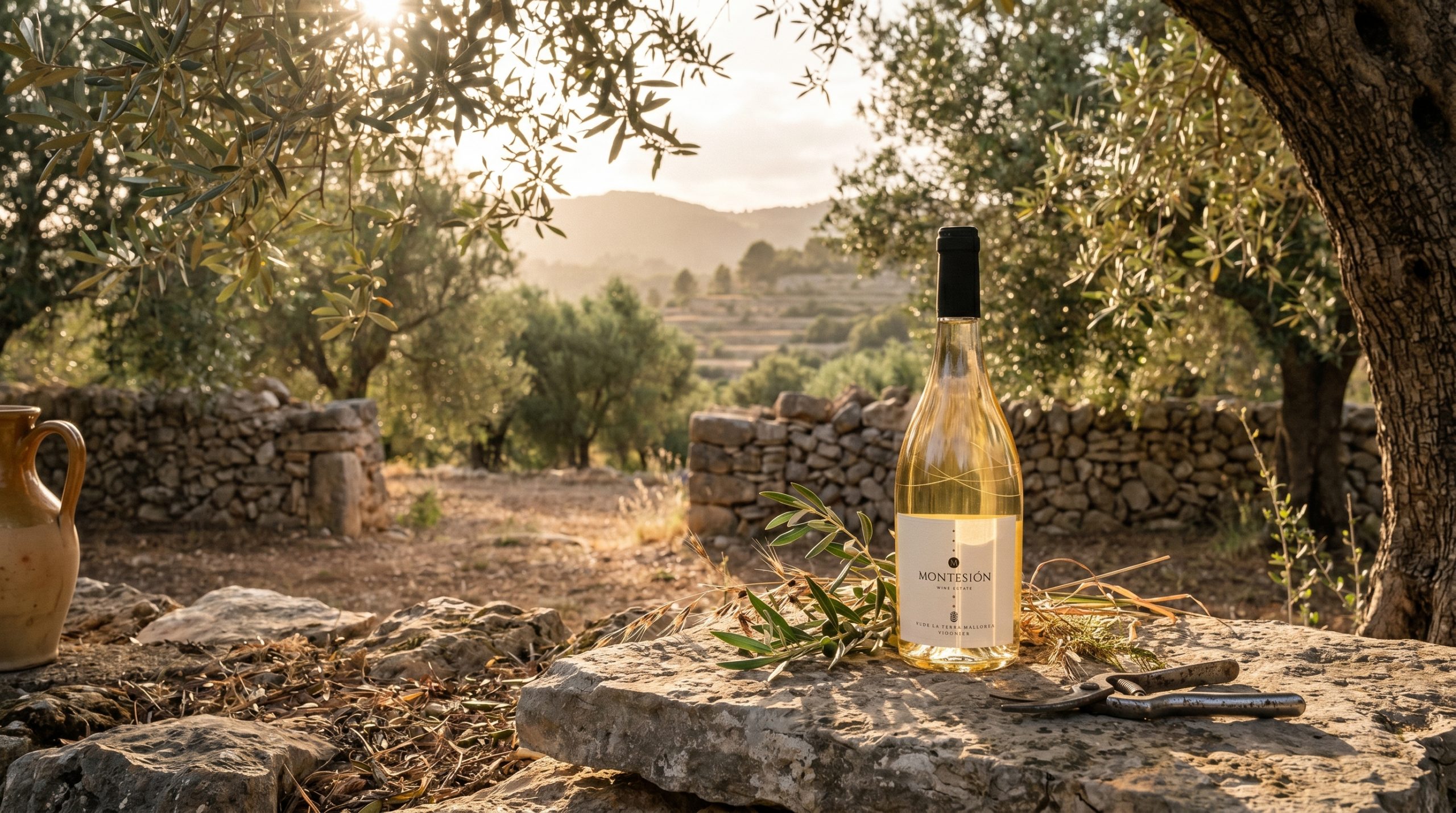
Mediterranean viticulture fundamentally relies on coastal wind patterns to moderate intense island heat. The ‘Embat’ sea breeze in Mallorca specifically transforms the Viognier grape. It changes a heavy varietal into a wine of sharp acidity and aromatic precision. Biodynamic farming at Montesion Wine Estate amplifies this climatic advantage. Healthy, living soils allow vine roots to reach deeper moisture reserves during dry summer afternoons.
Island ecosystems present a fascinating paradox for grape growers. High temperatures accelerate sugar accumulation, yet vines require cool periods to preserve the delicate aromatic compounds that define premium white wines. This climatic tension becomes especially critical when cultivating non-indigenous varieties on Mediterranean soils. Viognier traditionally thrives in the steep, continental slopes of the Northern Rhône. When exploring the potential of Viognier, Mallorca provides a fascinating case study. Transporting this notoriously fickle grape to the Balearic Islands seems counterintuitive to many conventional agronomists. However, the coastal vineyard climate alters the biological reality of the vine. Thermal dynamics between the warming landmass and the cooler sea create a reliable afternoon wind system. This phenomenon effectively lowers vineyard temperatures by several degrees during peak sunlight hours. Understanding this interaction reveals exactly why certain microclimates yield extraordinary results. Furthermore, applying rigorous ecological standards to these specific plots shifts the focus. Winemakers move from merely surviving the heat to actively harnessing the maritime influence.
How Does the Embat Redefine the Coastal Vineyard Climate?
The physics of island weather systems dictate the success of Mediterranean viticulture. As the Mallorcan landmass heats up under the morning sun, the warm air rises rapidly. Consequently, cooler air from over the Mediterranean Sea rushes inland to replace it. This daily thermal exchange creates the Embat. This afternoon sea breeze acts as a natural air conditioning system for the vines.
Temperatures in the vineyard can drop by up to five degrees Celsius within a single hour. Therefore, the vines avoid the metabolic shutdown that typically occurs when ambient heat exceeds thirty-five degrees. This continuous air circulation also prevents moisture buildup within the fruit zone. Fungal diseases struggle to take hold in such well-ventilated canopies.
Moreover, the wind carries microscopic salt particles from the sea. These marine aerosols settle on the grape skins, subtly altering the microflora of the vineyard. This coastal vineyard climate ultimately extends the ripening period by several weeks. A longer hang time allows the grapes to develop complex flavor precursors without rapidly losing their natural malic acid.
Statistical data from maritime weather stations demonstrates a clear advantage. Vineyards exposed to the Embat experience twenty percent more active photosynthetic hours during mid-summer compared to sheltered inland plots. Consequently, the vines continue converting sunlight into energy rather than simply surviving the afternoon heat. This persistent physiological activity proves crucial for maintaining the delicate balance required for premium white wine production.
Why Does Viognier Thrive Under Biodynamic Farming in Mallorca?
Viognier is notoriously difficult to cultivate even in its native habitat. The grape naturally produces high sugar levels and low acidity. Therefore, conventionally farmed Viognier in warm regions often results in flabby, alcoholic wines lacking aromatic definition. Biodynamic farming fundamentally changes how the vine interacts with its environment.
By eliminating synthetic fertilizers, the vine cannot rely on superficial nutrient applications. Instead, the roots must drive deep into the limestone-rich Mallorcan soil to find sustenance. This deep root system taps into subterranean moisture reserves during the arid summer months. Consequently, the plant maintains a consistent water supply, preventing the sudden spikes in sugar concentration associated with drought stress.
Furthermore, biodynamic preparations stimulate microbial life in the topsoil. A living soil web increases the availability of essential minerals to the vine. This enhanced mineral uptake directly influences the structural tension of the resulting wine. The aromatic profile shifts from heavy apricot jam to vibrant peach blossom and crushed wet stones.
When tasting the Montesión Viognier, this precise balance becomes immediately apparent. The wine captures the essence of the Mediterranean sun while maintaining a brilliant, crystalline acidity. Such vibrancy is rarely found in conventionally managed vineyards. Ultimately, producing a biodynamic white wine Spain can be proud of requires treating the vineyard as a self-sustaining ecological organism.
What Role Does Demeter Certification Play in Authentic Terroir Expression?
Securing a Demeter certification requires far more than simply abandoning chemical sprays. The standard demands a complete reimagining of the agricultural space. Vineyards must incorporate biodiversity zones, integrating native flora and fauna into the farming ecosystem. This holistic approach ensures the vines do not exist in a sterile monoculture.
In the context of Mallorca wine, this means allowing wild garrigue herbs to flourish. Rosemary and wild fennel grow freely between the rows. These cover crops regulate soil temperature and provide a habitat for beneficial predatory insects. Consequently, the vineyard achieves a natural equilibrium, requiring minimal human intervention to control pests.
More importantly, the certification strictly regulates cellar practices. Winemakers cannot rely on commercial yeasts, heavy filtration, or artificial acidity adjustments. Therefore, the natural wine must derive its entire character from the vineyard itself. If the grapes lack natural acidity, the winemaker cannot fix the problem later.
Market data indicates a clear trend. Demand for certified organic and biodynamic wines has grown by over twelve percent annually over the past five years. Consumers increasingly reject heavily oaked white wines in favor of precision and freshness. Producers of Balearic Islands wine are uniquely positioned to meet this demand. The strict parameters of the certification ultimately protect the integrity of the sea breeze’s influence. This philosophy perfectly aligns with rising consumer expectations.
The Future of Maritime Viticulture
The intersection of coastal wind patterns and holistic farming creates a blueprint for resilient Mediterranean viticulture. The Embat sea breeze is not merely a pleasant weather phenomenon. It acts as a fundamental driver of aromatic complexity and natural acidity. By lowering afternoon temperatures, this wind allows delicate grape varieties to thrive under the intense Mediterranean sun.
Furthermore, adopting strict biodynamic principles ensures the vine can fully interact with its environment. Deep root systems and living soils translate the mineral wealth of the island directly into the glass. The resulting wines offer a saline, energetic profile that cannot be replicated in inland regions.
Montesion Wine Estate specifically demonstrates how these natural advantages can be harnessed to produce extraordinary results. The commitment to ecological balance elevates the raw potential of the terroir into a refined wine. Ultimately, understanding the environment remains the most powerful tool in the winemaker’s repertoire.
Frequently Asked Questions
What is the Embat and how does it affect Mallorcan vineyards?
The Embat is a daily thermal sea breeze. It is created by the temperature differential between the warming landmass of Mallorca and the cooler Mediterranean Sea. This wind system actively lowers vineyard temperatures during the hottest afternoon hours. It prevents vines from shutting down due to heat stress. Consequently, the grapes enjoy a longer, more balanced ripening period, which preserves their natural acidity and enhances their aromatic complexity.
Why is Viognier grown in the Mediterranean climate of Mallorca?
While Viognier traditionally originates from cooler continental climates, it thrives in specific Mallorcan microclimates that benefit from strong maritime influences. The coastal sea breezes provide a necessary cooling effect. This maintains the grape’s delicate floral aromas and prevents excessive sugar accumulation. When paired with biodynamic farming techniques, the vine develops deep roots that access subterranean moisture. This results in a perfectly balanced and vibrant white wine.
What does Demeter certification mean for Spanish white wines?
Demeter certification indicates that a wine is produced following strict biodynamic agricultural principles, going significantly beyond standard organic requirements. The certification mandates specific natural preparations to enhance soil vitality. It also prohibits synthetic chemicals in the vineyard and heavy manipulation in the cellar. For those seeking the highest quality organic wine Spain has to offer, this ensures the final product is a pure expression of its specific terroir.
How does biodynamic farming improve the drought resistance of vines?
Biodynamic farming improves drought resistance by forcing vines to develop deeper root systems rather than relying on surface-level chemical fertilizers. The application of specific composts increases the organic matter in the soil, significantly enhancing its water retention capabilities. As a result, the vines access consistent moisture from deep underground reserves during the dry summer months, preventing physiological stress.
