
Organic viticulture in Mallorca transforms Mediterranean sunlight, limestone soils, and centuries-old farming wisdom into wines that taste unmistakably alive. When you swirl a glass of Demeter-certified wine from the island’s interior, you’re experiencing the direct sensory result of farming choices made months or years earlier-choices about soil health, biodiversity, and chemical intervention. The difference isn’t abstract philosophy; it shows up as clarity on the nose, texture on the palate, and persistence in the finish.
Mallorca’s wine renaissance over the past two decades has been defined by a return to indigenous varieties and a rejection of industrial shortcuts. The island’s 2,000 hectares of vineyards now include a growing number of estates committed to organic and biodynamic certification, particularly in the central Pla region around Porreres and Binissalem. These producers have discovered what traditional Mediterranean farmers always knew: healthy soil produces grapes that need less correction in the cellar. The result is a new generation of wines that taste distinctly of place, not of winemaking technique.
What Organic Viticulture Actually Means in Mediterranean Conditions
Organic viticulture prohibits synthetic pesticides, herbicides, and fertilizers, relying instead on compost, cover crops, and biological pest control. In Mallorca’s hot, dry climate, this approach aligns naturally with the island’s historical farming methods. Summer drought reduces disease pressure compared to humid continental regions, while limestone-rich soils provide natural mineral nutrition. Organic certification through bodies like the EU’s organic framework or Demeter International requires documented practices across every vineyard operation, from pruning decisions to harvest timing.
The practical difference begins with soil management. Conventional viticulture often uses chemical fertilizers that deliver nitrogen in immediately available forms, promoting rapid vegetative growth. Organic systems build soil fertility gradually through composting, green manure crops, and mycorrhizal networks-the symbiotic fungi that extend root systems and improve nutrient uptake. This slower approach produces smaller berries with thicker skins, concentrating flavors and phenolic compounds. When those grapes reach the press, the resulting juice carries more complexity from the outset.
Pest and disease management without synthetic chemicals demands constant observation and preventive thinking. Organic viticulturists in Mallorca use copper-based sprays (permitted under organic rules in limited quantities) to prevent fungal diseases, along with sulfur for powdery mildew. They plant hedgerows to attract beneficial insects, maintain diverse ground cover to support soil microbiomes, and time canopy management to optimize air circulation. These practices require more labor and expertise than conventional spraying schedules, but they preserve the vineyard as a living ecosystem rather than a monoculture.
Biodynamic viticulture, certified by Demeter, extends organic principles into a holistic farming philosophy. Biodynamic preparations-fermented plant and mineral compounds applied in homeopathic quantities-aim to enhance soil vitality and plant resilience. Planting and pruning follow lunar and astronomical calendars, treating the vineyard as part of larger natural rhythms. While some practices remain controversial among scientists, biodynamic estates consistently produce wines of remarkable purity and distinctiveness. The Demeter certification process is more rigorous than standard organic certification, requiring three years of transition and ongoing compliance audits.
How Sustainable Farming Translates to Flavor, Aroma, and Texture
The sensory impact of organic viticulture begins with aromatic precision. Grapes grown without herbicides develop more complex secondary metabolites-the compounds responsible for varietal character. In white varieties like Viognier, this manifests as heightened floral intensity and layered fruit aromatics. The Montesión Viognier 2025, fermented spontaneously with native yeasts in stainless steel, exemplifies this clarity: the nose delivers lychee, white flowers, and stone fruit without the homogenized character that commercial yeasts can impose. The wine’s balance between richness and freshness reflects vineyard soils alive with microbial diversity.
Texture in wine-the mouthfeel, weight, and finish-correlates directly with phenolic ripeness and grape health. Organic viticulture’s emphasis on moderate yields and balanced vine nutrition produces grapes that ripen evenly, avoiding the green tannins or overripe jamminess that result from stressed or overfertilized vines. Red wines from organic estates typically show silkier tannins and better integration of alcohol, acid, and fruit. The structural elegance isn’t winemaking sleight of hand; it’s the sensory expression of physiologically mature fruit.
Mineral expression-that elusive quality tasters describe as stony, saline, or chalky-appears more prominently in wines from organically farmed vineyards. While the direct transfer of minerals from soil to grape remains debated, the correlation between living soils and perceived minerality is well-documented. Biodynamic preparations, particularly those enhancing silica uptake, seem to amplify this effect. Wines from Mallorca’s limestone terroirs, when farmed organically, often display a chalky tension that frames fruit flavors and extends the finish.
Spontaneous fermentation with native yeasts, a common practice in organic and biodynamic cellars, adds another dimension of complexity. Indigenous yeast populations reflect the vineyard’s microbial terroir, contributing unique fermentation byproducts that commercial yeasts cannot replicate. The aromatic profile becomes more layered, with savory and floral notes complementing primary fruit. This approach requires healthy, balanced grapes-the kind that organic viticulture consistently delivers.
Mallorca’s Terroir Advantage: Why Organic Works Here
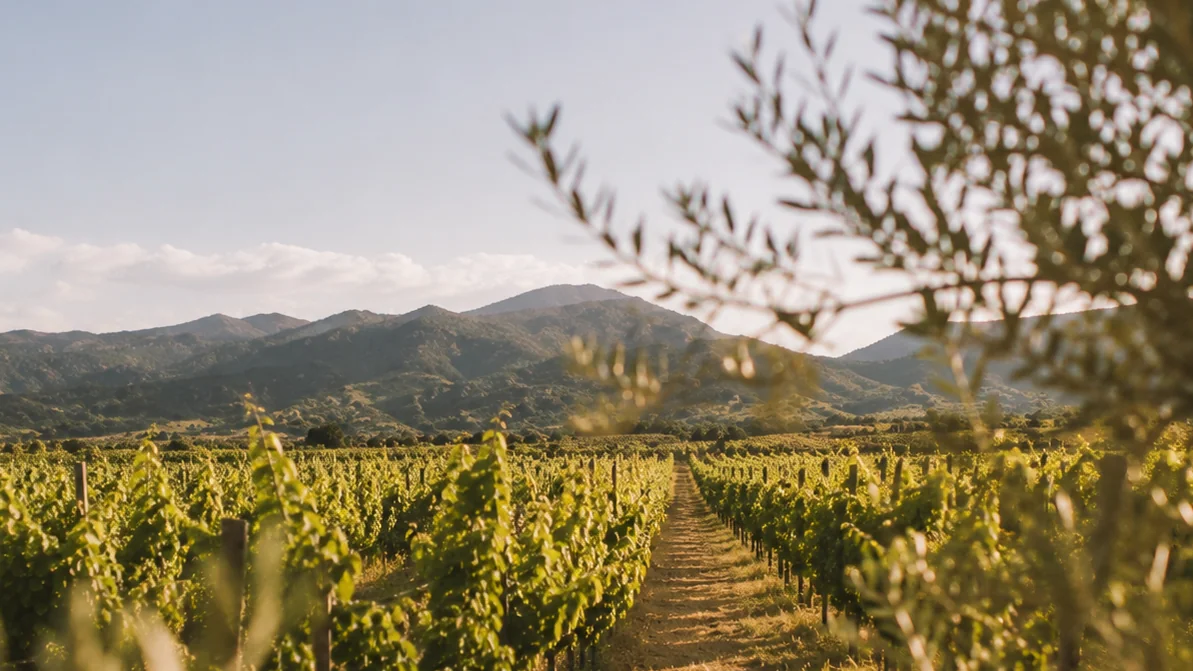
Mallorca’s Mediterranean climate provides an ideal environment for organic viticulture. Summer temperatures regularly exceed 30°C (86°F), with minimal rainfall from June through September. This natural drought stress concentrates flavors in the grapes while reducing fungal disease pressure, the primary challenge for organic growers in humid regions. The Tramuntana mountain range to the northwest moderates temperatures and channels cooling breezes across the central plains, preserving acidity in white varieties and freshness in reds.
Soil composition varies across the island’s wine regions, but limestone dominates the Pla area around Porreres, where many organic estates cluster. Limestone soils drain well, warm quickly in spring, and provide excellent mineral nutrition. They also buffer pH naturally, reducing the need for soil amendments. Organic viticulture thrives in these conditions because the soil’s inherent fertility supports vine health without synthetic inputs. Indigenous varieties like Callet, Prensal Blanc, and Manto Negro evolved in these soils over centuries, making them naturally adapted to organic growing methods.
Water management in Mallorca’s dry climate requires careful planning. Organic estates typically use drip irrigation calibrated to vine needs, avoiding the overwatering that can dilute flavors and promote excessive vigor. Some biodynamic vineyards practice dry farming where soil depth permits, forcing roots deep into the limestone bedrock. This stress produces smaller crops of intensely flavored fruit, though it requires older vines with established root systems.
The island’s relatively small wine industry-producing roughly 400,000 cases annually-allows organic growers to maintain hands-on vineyard management. Most estates farm between 10 and 50 hectares, a scale that permits detailed observation and rapid response to challenges. This artisanal approach aligns naturally with organic principles, which prioritize prevention and ecosystem balance over reactive chemical interventions.
The Demeter Standard: What Certification Guarantees
Demeter certification represents the highest standard in organic viticulture, requiring not only chemical-free farming but adherence to biodynamic principles developed by Rudolf Steiner in the 1920s. Demeter-certified estates must complete a three-year transition period, during which all synthetic inputs are eliminated and biodynamic preparations are integrated into the farming calendar. Annual audits verify compliance, examining everything from compost management to cellar practices.
The certification prohibits common winemaking additives and processes permitted under standard organic rules. Demeter wines cannot be acidified, deacidified, or treated with excessive sulfur. Fining agents must be plant-based, excluding animal-derived products like egg whites or isinglass. These restrictions force winemakers to work with the grapes they harvest, not manipulate them into a predetermined style. The result is wine that reflects vintage variation and terroir expression more transparently.
For consumers, Demeter certification offers verifiable assurance of farming integrity. Unlike vague marketing terms like “natural” or “sustainable,” Demeter standards are legally defined and internationally recognized. When you choose a Demeter-certified wine from Mallorca, you’re supporting a farming system that builds soil health, protects biodiversity, and produces grapes of exceptional quality. The certification logo on the bottle represents thousands of documented decisions made in the vineyard and cellar, all oriented toward ecological balance and sensory excellence.
Why This Matters Beyond the Bottle
Organic viticulture in Mallorca contributes to broader environmental goals beyond wine quality. Healthy vineyard soils sequester carbon, reducing agriculture’s climate impact. Diverse ground cover and hedgerows provide habitat for pollinators and beneficial insects, supporting island-wide biodiversity. The elimination of synthetic chemicals protects water quality in a region where aquifer management is critical. These ecological benefits compound over time, creating resilient agricultural landscapes that can adapt to climate change.
The economic impact extends to rural communities. Organic viticulture’s labor intensity creates more employment than conventional farming, particularly during hand-harvesting and canopy management. Demeter certification often correlates with higher wine prices, allowing small estates to remain viable despite Mallorca’s high land costs. This economic sustainability preserves traditional farming knowledge and keeps rural areas populated, countering the urbanization pressures facing many Mediterranean islands.
For visitors to Mallorca, organic and biodynamic wineries offer a different kind of wine tourism experience. Tastings at Montesion Wine Estate and other certified estates reveal the direct connection between farming philosophy and sensory character, making abstract concepts like terroir tangible. Walking through vineyards alive with cover crops, observing compost preparation, or discussing lunar planting calendars provides insight into winemaking as ecological practice, not industrial process. The wines you taste carry the story of the land they come from, expressed through flavor, aroma, and texture.
Frequently Asked Questions
What is the difference between organic and biodynamic wine in Mallorca?
Organic wine is produced from grapes grown without synthetic pesticides, herbicides, or fertilizers, following EU organic certification standards. Biodynamic wine, certified by Demeter, extends organic principles to include holistic farming practices like biodynamic preparations, lunar planting calendars, and stricter winemaking restrictions. Both approaches prohibit synthetic chemicals, but biodynamic viticulture treats the vineyard as a self-sustaining ecosystem and requires more rigorous certification. In Mallorca’s Mediterranean climate, both methods produce wines with enhanced aromatic clarity and terroir expression compared to conventional viticulture.
Does organic viticulture in Mallorca affect wine flavor profiles?
Organic viticulture directly influences wine flavor by producing healthier grapes with more concentrated aromatics and balanced phenolic ripeness. Wines from organically farmed Mallorcan vineyards typically show clearer varietal character, silkier tannins, and more pronounced mineral expression. The elimination of herbicides allows vines to develop complex secondary metabolites, while living soils rich in microbial diversity contribute to textural elegance. Spontaneous fermentation with native yeasts, common in organic cellars, adds further aromatic complexity. The sensory result is wine that tastes distinctly of its limestone terroir and Mediterranean climate.
Why is Demeter certification important for wine quality?
Demeter certification ensures that wines are produced using the strictest organic and biodynamic standards, verified through annual audits. The certification prohibits common winemaking manipulations like acidification, excessive sulfur, and animal-derived fining agents, forcing winemakers to work with naturally balanced fruit. This results in wines that transparently express vintage variation and terroir character. For consumers, the Demeter logo provides verifiable assurance of farming integrity and ecological commitment. In Mallorca, Demeter-certified estates like Montesion Wine Estate consistently produce wines of exceptional purity and distinctiveness, reflecting the island’s unique limestone soils and Mediterranean climate.
