

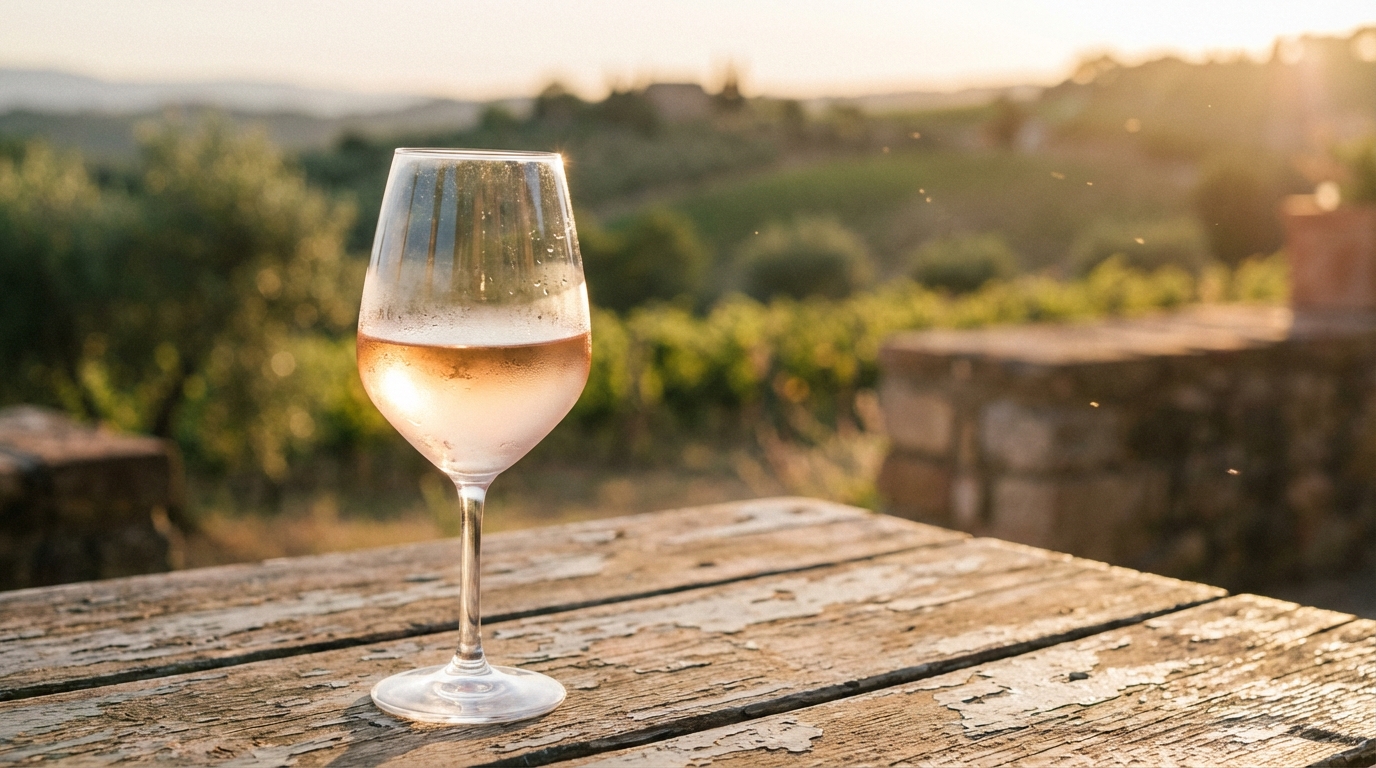
Understanding different summer rosé wine styles ensures the perfect pairing for every warm evening, whether you prefer a delicate, pale pour or a structured, deeply colored glass. The pale rosé vs dark rosé distinction primarily comes down to grape skin contact during winemaking, which dictates the wine’s aromatic intensity, tannin structure, and body. A lighter hue typically signals crisp, floral notes, while darker rosés offer the robust fruit character necessary for Mediterranean cuisine.
Warm evenings inherently change how we approach wine. Heavy, oak-dominated reds step aside, making room for vibrant, chilled alternatives that refresh the palate while offering enough complexity to hold our interest. The global appetite for these pink-hued wines continues to expand, with industry data indicating that rosé accounts for nearly 10% of all still wine consumed worldwide. Yet, many enthusiasts view the category as a monolith, missing the incredible diversity spanning from almost translucent blush to vibrant ruby at Montesion Wine Estate.
Selecting the appropriate bottle involves more than simply grabbing the nearest chilled option. The winemaking techniques behind these varying shades dictate the entire tasting experience, from the initial bouquet to the lingering finish. Exploring the spectrum of pink wines reveals how different grape varieties, maceration times, and farming philosophies shape the final liquid, transforming a simple drink into a curated gastronomic moment.
Why Does Color Dictate the Profile of Summer Rosé?
The visual appearance of a wine offers the first and most reliable clue about its structural composition and flavor profile. When evaluating pale rosé vs dark rosé, the fundamental difference lies in the cellar, specifically in how long the grape juice remains in contact with the dark grape skins. Since the juice of almost all wine grapes runs clear, the skins hold the key to both pigmentation and phenolic compounds.
Winemakers craft lighter styles through direct pressing, where the grapes are squeezed immediately upon arrival. This minimal contact extracts just a whisper of color and virtually no tannins, resulting in a crisp, acid-driven profile. Conversely, darker rosés undergo a short maceration period, lasting anywhere from two to twenty-four hours. During this window, the juice absorbs anthocyanins for color and tannins for structure, building a wine with greater weight and a pronounced mouthfeel.
Market data indicates a strong consumer preference for lighter styles, with pale rosés representing over 70% of global retail sales in the category. However, this aesthetic preference sometimes overshadows the culinary versatility of deeper-hued bottles. A comprehensive mallorca wine tasting experience highlights how indigenous varieties respond differently to these techniques. Grape characteristics inherently influence the extraction process; thicker-skinned varieties yield darker, robust wines even with minimal contact. The cultivation method also plays a crucial role; biodynamic wine production ensures the grape skins are thick and rich in natural yeasts, ultimately enhancing the textural complexity of the final pour regardless of its color.
| Characteristic | Pale Rosé | Structured Dark Rosé |
|---|---|---|
| Winemaking Method | Direct pressing | Saignée or short maceration |
| Skin Contact Time | Minimal (immediate press) | 2 to 24 hours |
| Aromatic Profile | White flowers, citrus, underripe berries | Ripe strawberries, dark cherries, spice |
| Ideal Pairing | Raw seafood, goat cheese | Grilled meats, rich Mediterranean dishes |
The Delicate Spectrum: What Defines a Pale, Floral Rosé?
Approaching a pale rosé reveals a masterclass in subtlety and aromatic precision. These wines typically present colors ranging from pale onion skin to soft salmon, signaling a refreshing, high-acid profile that excels during the hottest hours of the day. The aromatic signature of these lighter summer rosé wine styles leans heavily into white flowers, citrus zest, and underripe red berries, offering a crispness that cleanses the palate.
Achieving this delicate balance requires meticulous timing during the harvest. Grapes destined for pale styles are generally picked earlier in the season to preserve their natural acidity and limit potential alcohol levels. The integration of aromatic white varieties into the blend often enhances this floral character. For example, the Montesión Rose Cuvée 2024 artfully combines the fruitiness of Merlot with the aromatic intensity of Viognier, resulting in an elegant, vibrant young still rosé with a perfectly balanced 13.5% alcohol by volume.
When considering food pairings, pale rosés function brilliantly as aperitifs or alongside light, delicate dishes. Raw seafood, fresh goat cheese salads, and lightly seasoned white fish allow the subtle nuances of the wine to shine without overwhelming the palate. The absence of heavy tannins means these wines serve primarily to refresh, making them the quintessential choice for a late afternoon gathering in the Balearic Islands wine region before the main culinary event begins.
The Gastronomic Experience: When to Choose a Structured Rosé?
Moving across the spectrum, deeper rosés command attention with their vibrant ruby, cherry, or deep magenta hues. These wines bridge the gap between crisp whites and light reds, offering a robust architecture that demands food. A darker color indicates a higher concentration of phenolic compounds, translating directly to a fuller body, noticeable texture, and a complex flavor profile dominated by ripe strawberries, dark cherries, and subtle spicy undertones.
Winemakers often employ the saignée method to create these structured styles. In this process, a portion of juice is bled off from a vat of crushed red grapes early in the maceration period. The resulting rosé possesses a concentrated intensity, producing wines with enough tannin and weight to stand up to bold flavors, making them exceptional companions for the dining table.
A structured rosé transforms a summer barbecue or a rich Mediterranean feast. The added weight and fruit concentration pair seamlessly with grilled meats, heavily spiced tapas, and robust tomato-based dishes. In the context of organic wine Spain produces, these darker expressions often showcase the true character of the local terroir. The strict adherence to Demeter certification standards ensures the wine reflects its true origins. A thoughtful Montesion wine selection provides the necessary acidity to cut through rich foods while delivering the fruit intensity required to match smoky flavors, proving natural wine can be a serious, contemplative choice.
Selecting the Right Rosé for Your Evening
Navigating the diverse world of pink wines elevates any warm-weather gathering. Understanding the fundamental differences in production allows enthusiasts to match the wine perfectly to the occasion, temperature, and menu. Pale, direct-pressed rosés offer unparalleled refreshment and delicate floral aromatics, making them the ultimate aperitif for the hottest hours. In contrast, deeper, macerated rosés bring the structural integrity and bold fruit flavors necessary to accompany rich, savory Mediterranean dishes long after the sun goes down.
The true beauty of these wines lies in their connection to the vineyard. When exploring vino biodinámico, the vitality of the soil translates directly into the energy of the wine, regardless of its hue. Recognizing the intention behind each bottle ensures every glass poured honors the meticulous farming processes that brought it to life, transforming a simple beverage into a profound expression of the local terroir. At Montesion Wine Estate, we invite you to discover the difference.
Frequently Asked Questions
What is the main difference between pale rosé vs dark rosé?
The primary difference lies in the amount of time the grape juice spends in contact with the dark grape skins during the winemaking process. Pale rosés undergo direct pressing with minimal skin contact, resulting in a lighter color, crisper acidity, and delicate floral notes. Darker rosés experience a longer maceration period, allowing the juice to absorb more pigments and tannins from the skins, which creates a fuller body, deeper color, and more robust fruit flavors suitable for food pairing.
How long can you store summer rosé wine styles?
Most pale, delicate rosés are designed for immediate consumption and show their best aromatic profile within the first one to two years after the vintage. However, darker, more structured rosés, particularly those produced under strict biodynamic farming practices with higher tannin levels, possess greater aging potential. These robust styles can develop complex savory and earthy notes when stored correctly in a cool, dark cellar for three to five years.
Should you serve all rosé wines at the same temperature?
Serving temperatures should vary based on the specific style and structure of the wine. Pale, crisp rosés show their best qualities when served well-chilled, typically between 8 to 10 degrees Celsius, highlighting their refreshing acidity and delicate aromatics. Conversely, darker, gastronomic rosés benefit from a slightly warmer serving temperature of 10 to 12 degrees Celsius, allowing their complex fruit profiles, richer textures, and subtle tannins to fully express themselves on the palate.
