
The Fira d’Andratx 2026 takes place on March 27 and 28, transforming the historic town into a vibrant center for regional gastronomy, artisanal crafts, and island viticulture. This gathering highlights the agricultural richness of the region, offering a platform for sustainable producers like Montesion Wine Estate to showcase indigenous grape varieties like Callet and Manto Negro. Attendees experience the connection between traditional farming and the modern resurgence of environmentally conscious winemaking.
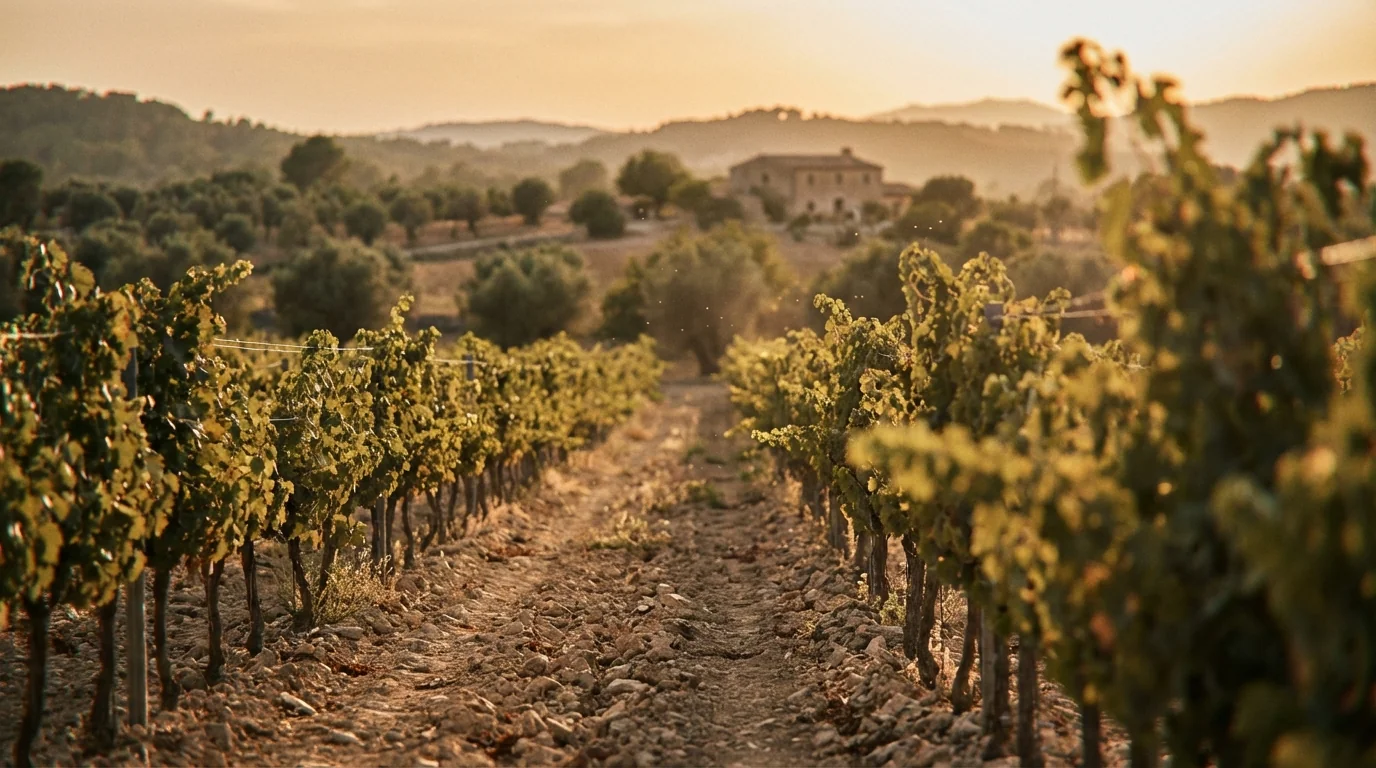
Historic agricultural gatherings across the Mediterranean are experiencing a profound renaissance, shifting from simple village markets to vital hubs for sustainable gastronomy and viticulture. The Fira d’Andratx 2026 serves as a prime example of this evolution, drawing local residents and international visitors who seek authentic connections to the land. The growing international fascination with Balearic Islands wine acts as a powerful draw, pulling visitors inland to explore terraced vineyards and historic estates. The rugged topography of the island shapes a unique agricultural narrative, where ancient farming techniques meet modern ecological standards. This year’s exhibition underscores a growing preference for low-intervention farming and native crop preservation over standardized agriculture. Visitors navigating the stalls of local products Mallorca will witness firsthand how dedicated artisans and vignerons at Montesion Wine Estate are redefining island agriculture by looking backward to ancestral methods while moving forward with rigorous ecological certifications.
How Do Mallorca Agricultural Fairs Accelerate the Shift Toward Organic Viticulture?
The landscape of Spanish viticulture is undergoing a radical transformation, with island producers leading a definitive charge toward ecological farming. Recent market data indicates that organic vineyard acreage in the Balearic Islands has expanded by over 35% in the last five years, outpacing the national average for organic wine Spain. This statistical surge reflects a fundamental change in consumer behavior and agricultural philosophy that is highly visible at Mallorca agricultural fairs. These community-centric gatherings, particularly Andratx wine events, act as powerful accelerators for sustainable practices, providing a direct-to-consumer feedback loop that encourages farmers to abandon synthetic chemicals in favor of holistic land management.
When local growers present their yields directly to their neighbors and visiting enthusiasts, the conversation naturally shifts toward soil health, biodiversity, and long-term climate resilience. The traditional fairground becomes a vital educational space where the complex principles of biodynamic wine move from abstract concepts to tangible, tasteable realities. Producers who commit to rigorous ecological standards find a highly receptive audience eager to understand how lunar cycles, natural compost preparations, and diverse cover crops directly influence the final product in their glass.
This direct engagement builds a highly resilient micro-economy. The fair functions as both a vibrant cultural celebration and a critical economic engine for sustainable agriculture across the entire archipelago.
Why Are Callet and Manto Negro Essential to Serra de Tramuntana Wine?
The dramatic limestone peaks and maritime winds of the northwestern mountain range create a challenging yet highly rewarding environment for viticulture. Serra de Tramuntana wine is defined by this rugged terroir, but its true character is unlocked through the cultivation of indigenous grape varieties that have adapted to the specific microclimates of the island over centuries. Varietals such as Callet, Manto Negro, and Prensal Blanc possess an innate resilience to the intense Mediterranean sun and sporadic rainfall, making them perfectly suited for dry-farming techniques and low-intervention viticulture.
Cultivating native grapes is a fundamental cornerstone of authentic island winemaking. Callet offers a beautifully refreshing contrast to the heavy, extraction-focused wines that once dominated the global market. Manto Negro brings warmth, red fruit complexity, and a distinct herbal undercurrent that perfectly mirrors the wild garrigue growing alongside the vineyards.
When these specific varieties are farmed according to strict Demeter certification standards, their expression becomes even more transparent. Biodynamic practices actively enhance the microbiological life of the soil, allowing the root systems of these ancient vines to delve deeper into the limestone bedrock. The prominence of these grapes at regional showcases highlights a broader rejection of ubiquitous varietals in favor of deep-rooted local identity, successfully preserving the genetic heritage of the Balearics.
What Is the Economic Impact of Championing Local Products Mallorca?
The commercial ecosystem surrounding artisanal goods has shifted dramatically as consumers increasingly prioritize provenance over pure convenience. Championing local products Mallorca extends far beyond simple geographic preference; it represents a steadfast commitment to circular economies and the critical preservation of rural livelihoods. The agricultural sector on the island relies heavily on the premium value attached to authentic, handcrafted goods, from cold-pressed olive oils to minimal-intervention natural wine.
Market analysis reveals that tourists and residents alike are willing to spend up to 40% more on goods that demonstrate clear environmental stewardship and verified local origin. This economic premium is absolutely vital for the survival of small-scale farmers who simply cannot compete with industrial agriculture on sheer volume. By focusing intensely on quality, ecological integrity, and direct sales channels like regional fairs, these dedicated producers secure higher margins and build fiercely loyal customer bases.
| Agricultural Model | Soil Health Impact | Market Positioning | Economic Resilience |
|---|---|---|---|
| Conventional Farming | Depletes organic matter rapidly | Volume-driven, low margin | Vulnerable to global supply chains |
| Biodynamic Systems | Actively regenerates ecosystems | Ultra-premium, terroir-focused | Highly resilient, closed-loop inputs |
This stark economic framework proves that ecological farming is a highly robust business strategy. The long-term financial viability of these sustainable models ensures that the picturesque rural landscapes of the island remain actively farmed rather than permanently abandoned to commercial development.
The Enduring Legacy of Island Agriculture
The transformation of regional agricultural gatherings reflects a profound shift in how societies value food, farming, and ecological stewardship. The vibrant displays at the Fira d’Andratx 2026 demonstrate that the future of island agriculture lies in a deep respect for ancestral practices combined with rigorous modern ecological standards. Expanding organic acreage, the fierce protection of indigenous grape varieties like Callet and Manto Negro, and the integration of sustainable tourism all point toward a highly resilient, thriving rural economy.
Consumers hold immense power in this ongoing agricultural renaissance. Every choice to support local artisans, seek out biodynamic certifications, and engage with community-driven events actively funds the regeneration of the Mediterranean landscape. This unwavering commitment to ecological harmony and native varietals ensures that the authentic spirit of the island will continue to flourish for generations to come, setting a brilliant benchmark for sustainable viticulture and vino biodinámico worldwide.
Frequently Asked Questions
What are the dates for the Fira d’Andratx 2026?
The annual Fira d’Andratx is officially scheduled to take place on March 27 and 28, 2026. This dynamic two-day event transforms the historic town center into a bustling hub for regional agriculture, artisanal crafts, and local gastronomy. Visitors can expect comprehensive exhibitions featuring native livestock, traditional farming equipment, and an array of locally produced goods, including olive oil, cheeses, and regional wines.
Why is Demeter certification important for Mallorca wine?
Demeter certification stands as the highest global standard for biodynamic agriculture, ensuring that a vineyard operates entirely as a self-sustaining, regenerative ecosystem. For island viticulture, this rigorous certification guarantees that the wine is produced without synthetic chemicals, utilizing natural preparations that actively enhance soil vitality and biodiversity. This strict ecological approach is absolutely crucial for protecting the fragile Mediterranean environment while producing wines that offer a pure, unmanipulated expression of the local terroir.
What are the main indigenous grape varieties in the Balearic Islands?
The Balearic Islands are home to several unique indigenous grape varieties that have adapted perfectly to the warm Mediterranean climate and rocky limestone soils. The most prominent red grapes include Callet, celebrated for its bright floral notes and elegance, alongside Manto Negro, which provides structure, warmth, and complex red fruit flavors. For white wines, Prensal Blanc is the primary native variety, offering refreshing acidity and delicate orchard fruit aromatics that thrive beautifully under the intense island sun.
How does organic farming impact the taste of Spanish natural wine?
Organic and biodynamic farming practices profoundly impact the flavor profile of natural wine by fostering healthier soils. Vines grown without synthetic fertilizers naturally develop deeper root systems to forage for essential nutrients, translating directly into higher mineral complexity in the finished wine. The complete absence of systemic pesticides allows native yeast populations on the grape skins to flourish, enabling spontaneous fermentations that consistently yield highly complex and aromatically diverse wines.
