
The evolution of biodynamic wine tourism represents a fundamental shift from passive tasting room visits to immersive, educational vineyard experiences. I firmly believe that as global consumption habits change, estates like Montesion Wine Estate must pivot toward transparent direct-to-consumer models that connect visitors directly with the agricultural realities of the vineyard. This approach transforms casual drinkers into educated advocates for sustainable agriculture.
Major historic estates are reorganizing their operations to prioritize immersive guest experiences and direct sales. We are facing an unusually early start to the 2026 vintage, driven by unseasonably warm temperatures that have forced young buds out early, leaving them vulnerable to spring frosts. These climate realities are changing how we interact with our visitors. Traditional red wine consumption is softening globally, but the demand for authentic, transparent agricultural experiences is surging. Visitors want to understand the soil, the climate, and the hands that shaped it. Here in the Balearic Islands, this transition offers a blueprint for the future of our craft at Montesion Wine Estate.
How Climate Realities Are Reshaping Organic Estate Management
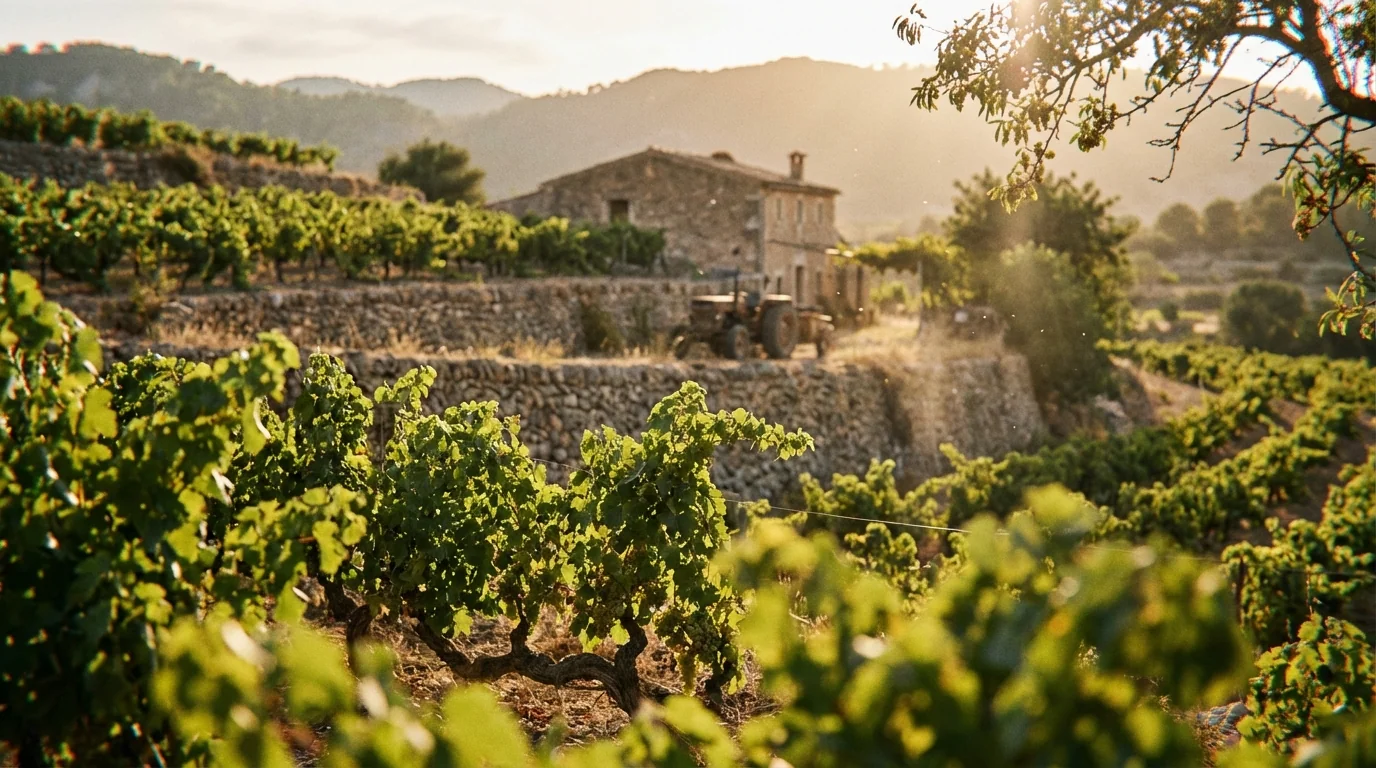
When I walk through the vineyards early this spring, the effects of a shifting climate are undeniable. The warm winter of 2025 into 2026 pushed our vines to wake up weeks ahead of their historical schedule. Seeing the tender green shoots of Callet and Manto Negro exposed so early brings an immediate anxiety about potential frost damage. This is the raw reality of organic estate management today. We cannot rely on synthetic chemicals to force the vines into submission or protect them from sudden temperature drops. Instead, we depend entirely on the resilience built into the soil and the plant through careful attention.
This vulnerability is precisely what I share with guests who walk the estate with me. When visitors see the cover crops we use to regulate soil temperature and retain moisture, they begin to understand that making organic wine Spain can be proud of requires constant adaptation. We are not just growing grapes; we are managing an entire ecosystem. I explain how our compost preparations strengthen the vines’ natural defenses against erratic weather patterns.
The current climatic pressures require a complete rethinking of how we allocate our resources. Major estates across Europe are realizing that hiding the struggles of farming behind a polished tasting room counter does a disservice to the craft. By bringing visitors into the fields to witness the frost mitigation strategies firsthand, we create a profound appreciation for the liquid in their glass.
The Shift from Passive Tastings to Educational Wine Tourism 2026
The days of pouring five distinct glasses across a mahogany bar while reciting tasting notes are rapidly ending. I have watched the expectations of our visitors evolve dramatically over the past few years. As global consumption patterns shift, the people who travel to wine regions are seeking something far more substantial. They demand educational wine tourism 2026 style, which means getting their boots dusty and their hands in the dirt.
My approach to this new era focuses heavily on the mechanics of our Demeter certification. I find that guests are genuinely fascinated by the strict, uncompromising standards required to maintain this status. When I show them the cow horns we bury over the winter for preparation 500, or explain the lunar cycles that dictate our pruning schedule, I see their perception of winemaking shift entirely. They realize that true biodynamic viticulture is a rigorous daily discipline dictating every action we take on the property.
To facilitate this deeper understanding, we have entirely restructured our guest interactions. Instead of a static tasting, a visit now involves a comprehensive walk through the different soil profiles of our plots. We compare the mineral expression of Prensal Blanc grown in rocky limestone versus richer clay. We discuss the biodiversity corridors we maintain to encourage predatory insects, eliminating the need for pesticides. This immersive education ensures that when visitors finally taste the vino biodinámico, they possess the vocabulary and the context to appreciate its purity.
Why Direct-to-Consumer Wine Thrives on Authentic Connections
Recent industry reports point directly to a massive structural shift in how we sell our bottles. I have always maintained that the most sustainable business model for a family-owned estate relies on building direct relationships with the people who drink our wine. Relying on complex, multi-tier distribution networks often strips the wine of its context and its story. By focusing heavily on direct-to-consumer wine sales, we retain control over how our narrative is shared and experienced.
This direct model is inextricably linked to the quality of the on-site experience. When a guest spends two hours walking the vineyard with me, learning about the specific challenges of dry-farming indigenous varieties in the Mediterranean heat, they form a lasting emotional bond with the estate. They are investing in a philosophy they have witnessed with their own eyes. This connection translates into long-term loyalty.
We see this dynamic play out clearly in our allocation lists. The individuals who purchase our most limited production cuvées are almost exclusively those who have visited the estate and participated in our educational programs. They understand why yields for old-vine Manto Negro are incredibly low, and they respect the pricing that reflects that scarcity. This direct relationship provides us with invaluable, immediate feedback, allowing us to refine our craft continuously.
The Next Chapter for Balearic Estate Operations
The trends sweeping through Europe confirm what I have felt building for the last decade. The future of our industry does not lie in producing higher volumes or chasing fleeting trends. Instead, the path forward requires a radical commitment to transparency, education, and ecological integrity. By embracing the principles of natural wine production and elevating the visitor experience, we secure the future of our agricultural heritage.
My vision for the coming years involves deepening these educational pathways. I plan to introduce more specialized workshops focused on soil health and native yeast fermentation. The shifting climate will continue to test our resilience, making the sharing of these practices more critical than ever. As we adapt to early bud breaks and hotter summers, the story of Balearic Islands wine will increasingly become one of innovation rooted in ancient wisdom. The estates that thrive will be those that invite the public to witness this evolution firsthand.
Frequently Asked Questions
What exactly defines biodynamic wine tourism compared to traditional visits?
In my experience, the defining difference is active participation and ecological education. Rather than simply tasting finished products, I take guests directly into the vineyards to explain the entire agricultural cycle. We examine the soil microbiology, discuss the use of herbal preparations, and explore how the lunar calendar influences our farming decisions. The goal is to provide a complete understanding of how the vine interacts with its surrounding ecosystem before a glass is poured.
How does early budding affect the way you manage the estate?
When unseasonably warm winters cause our vines to wake up early, I have to completely adjust our spring management strategy. Young buds are highly susceptible to sudden frost, which can devastate a vintage in a single night. Because I strictly follow organic and biodynamic principles, I cannot use synthetic anti-freeze sprays. Instead, I rely on maintaining healthy cover crops to regulate ground temperature and use specific preparations to help vines resist cold stress.
Why is direct purchasing becoming the standard for organic estates?
I focus on direct-to-consumer relationships because it allows me to guarantee the provenance and the story of every bottle. When you buy directly from the estate, you understand the exact farming philosophy behind it. This model provides the financial stability necessary for me to continue investing in labor-intensive regenerative agriculture without being pressured by distributors to lower prices or increase yields artificially.
