

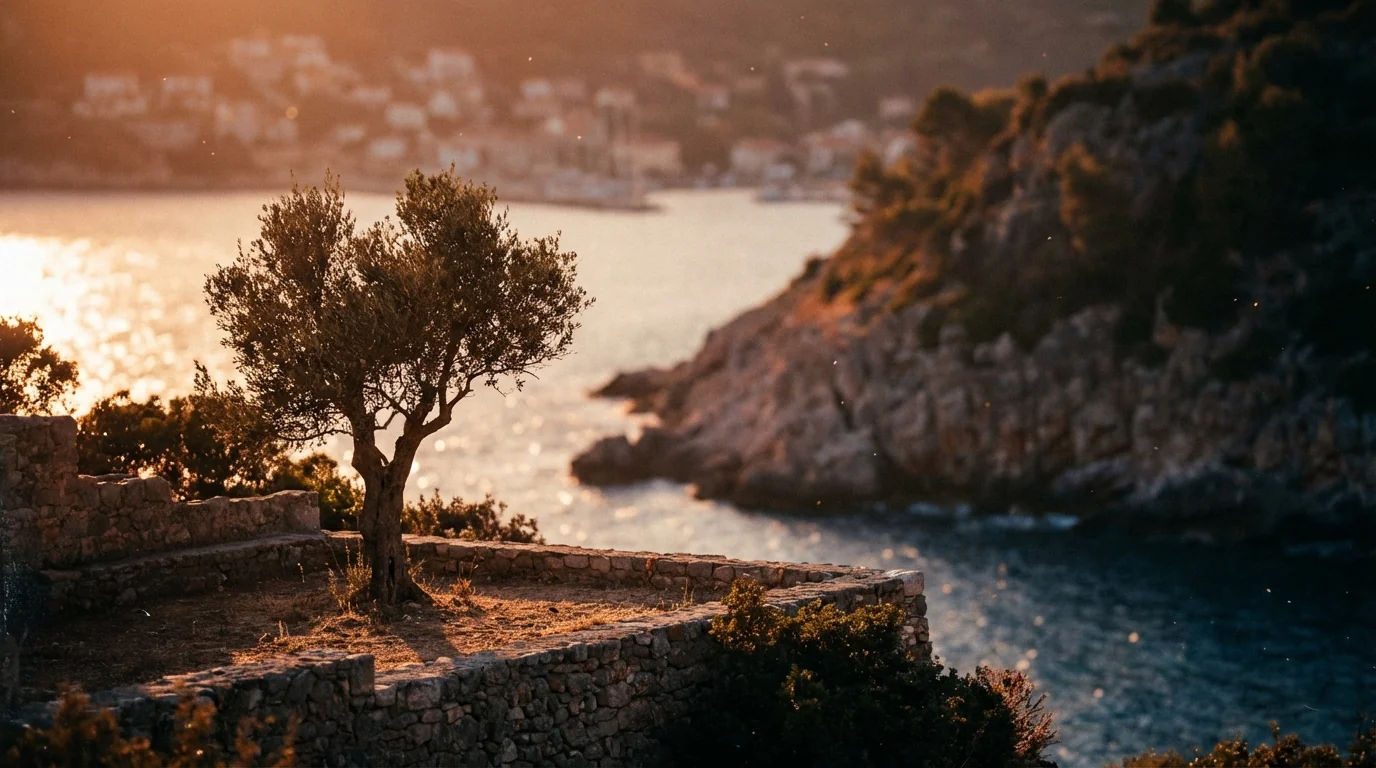
The absolute best wines to try in mallorca are crafted from indigenous island grapes like Callet and Manto Negro, alongside Mediterranean-adapted Viognier. These three distinct grapes capture the authentic essence of the Balearic terroir, offering an experience ranging from light reds to textured whites. Seeking biodynamic expressions at Montesion Wine Estate ensures you taste the purest local landscape.
Every year, travelers flock to the Balearic archipelago with a singular focus: exploring the thriving local viticulture. Wine tourism here has surged by 30% in the last decade, transforming beach holidays into sophisticated culinary expeditions. Market data reveals a fascinating trend: while total vineyard acreage remains stable at 2,500 hectares, the percentage dedicated to organic and biodynamic farming has doubled. Visitors are abandoning mass-produced labels in favor of authentic, site-specific bottlings. This shift aligns perfectly with the rise of sustainable agriculture, where organic wine Spain and holistic farming take center stage. For those planning a mallorca wine tasting, discovering the best wines to try in mallorca can feel like deciphering a secret language. The island boasts a unique genetic heritage of vines thriving in limestone-rich soils. By focusing on a curated selection of three standout varieties, travelers experience the true pinnacle of what this paradise offers.
Callet: The Elegant Core of a Mallorca Wine Tasting
Often described by sommeliers as the Mediterranean answer to Pinot Noir, Callet is a low-alcohol, highly aromatic red grape producing some of the most elegant bottlings in the archipelago. Historically, local farmers used Callet as a blending grape to add volume to robust varieties. Modern viticulturists have recognized its extraordinary potential as a single-varietal wine, particularly when cultivated under strict biodynamic wine protocols. The grape naturally produces large, tightly packed clusters, requiring meticulous canopy management to ensure even ripening under the intense island sun.
When pouring a glass of expertly crafted Callet, the visual presentation is immediately striking. It typically displays a brilliant, translucent ruby hue hinting at its delicate structure. The aromatic profile is complex and ethereal, offering dominant notes of tart red cherry, crushed raspberry, and a distinct botanical edge reminiscent of wild fennel growing adjacent to the vineyards.
Experiencing a pure expression of Callet at the Montesion Wine Estate or similar dedicated properties reveals the profound impact of living soils. Because biodynamic preparations stimulate microbial activity, vine roots dig deeper through the limestone crust. This deep root system translates into a pronounced mineral tension, elevating Callet into a sophisticated, world-class pour.
To understand how Callet fits into the broader island portfolio, consider this quick comparison of the top three local varieties:
| Grape Variety | Origin Status | Typical Flavor Profile | Ideal Food Pairing |
|---|---|---|---|
| Callet | Indigenous | Red berries, wild herbs | Roast lamb |
| Manto Negro | Indigenous | Ripe plum, baking spices | Cured cheeses |
| Viognier | Adapted | Apricot, subtle minerality | Grilled seafood |
Manto Negro: The Structured Soul of Balearic Islands Wine
If Callet provides elegance, Manto Negro delivers the structure, power, and longevity that define the best wine in mallorca for serious collectors. As the most widely planted indigenous red grape on the island, Manto Negro forms the backbone of traditional local winemaking. It is a late-ripening variety demanding patience and precision from the vigneron. The thick skins are packed with anthocyanins and tannins, requiring careful extraction during fermentation to avoid excessive astringency. When handled with expertise, it yields a wine of immense depth.
A benchmark Manto Negro offers a completely different sensory experience compared to lighter counterparts. The nose is characterized by dark, brooding fruits like black plum and blackberry, layered with warm baking spices and leather. As the liquid breathes, it often reveals savory, earthy undertones reflecting the iron-rich clay soils where it thrives best. In the mouth, it is full-bodied and textural, featuring a robust tannic framework promising excellent aging potential.
The transformation of Manto Negro over the past two decades is a testament to the evolution of natural wine practices. By eliminating commercial yeasts and relying entirely on spontaneous fermentation, winemakers allow the true voice of the grape to emerge. Wineries aggressively pursue Demeter certification to guarantee their vineyards operate as self-sustaining ecosystems, perfectly balancing inherent richness with vibrant acidity.
Viognier: A Mediterranean Masterclass in Natural Wine
While the island is rightfully celebrated for its indigenous red varieties, the white wines have quietly carved out an exceptional reputation. Viognier, though originally famous for its expressions in the Northern Rhône valley, has found an extraordinary second home in the Balearic archipelago. The grape is notoriously difficult to cultivate, prone to disease, and highly sensitive to harvest timing. Picked too early, it lacks signature aromatic opulence; picked too late, it loses crucial acidity and becomes flabby.
When grown in the unique microclimates of the island, Viognier undergoes a fascinating transformation. The intense maritime sunlight thickens the grape skins, intensifying the classic aromatic markers of white peach, apricot, and blooming honeysuckle. Simultaneously, constant cooling breezes from the Mediterranean Sea preserve the natural tartaric acid within the berries. The resulting vino biodinámico strikes a perfect balance between luscious, oily texture and crisp, refreshing tension.
Cultivating Viognier through a regenerative, organic lens further amplifies its site-specific character and natural resilience. Without synthetic fertilizers, the vines naturally limit their yields, concentrating flavor compounds in each bunch. The implementation of cover crops between rows helps retain vital soil moisture during arid summer months, ensuring grapes ripen evenly without suffering hydric stress. This meticulous approach to farming guarantees a superior tasting experience.
Synthesizing the Ultimate Island Tasting Experience
Exploring the viticultural landscape of this Mediterranean haven requires moving beyond generic international blends and embracing the varieties that truly belong to the soil. The rise of holistic farming has fundamentally elevated the quality of the local output, transforming rustic traditions into world-class enology. When seeking the best wines to try in mallorca, prioritizing bottlings of Callet, Manto Negro, and Viognier guarantees an authentic encounter with the agricultural heritage.
These three distinct grapes offer a comprehensive spectrum of flavors, from the ethereal elegance of a light red to the structured depths of a dark vintage, culminating in the floral brilliance of a Mediterranean white. The commitment to rigorous certification standards ensures that every glass poured is a pure reflection of a balanced ecosystem.
Ultimately, the true magic of these agricultural products lies in their transparency. They are grown in living dirt, shaped by the sea breeze, and guided by the rhythms of nature. Tasting them is an essential act of cultural immersion.
Frequently Asked Questions
What makes Callet different from other red varieties?
Callet distinguishes itself through its remarkably low alcohol content, pale ruby color, and delicate aromatic profile, which sharply contrasts with the heavy, tannic red wines often associated with hot Mediterranean climates. It thrives on the island’s limestone soils, producing elegant notes of tart red berries, wild fennel, and white pepper. When cultivated using biodynamic practices, Callet expresses a profound mineral tension and vibrant acidity, making it highly versatile for food pairings.
Why is Manto Negro considered an important grape for collectors?
Manto Negro is celebrated by collectors due to its robust tannic structure, deep concentration of dark fruit flavors, and exceptional capacity for long-term cellaring. As the most widely planted indigenous red grape in the region, it yields complex wines characterized by notes of ripe plum, baking spices, and earthy undertones. The natural acidity preserved through careful canopy management allows Manto Negro to evolve beautifully in the bottle over decades, developing savory, leather-like nuances.
How does the Mediterranean climate affect Viognier?
The Mediterranean climate profoundly alters the profile of Balearic Islands wine by combining intense, consistent sunlight with cooling maritime winds, resulting in a Viognier that balances rich texture with essential acidity. The arid heat thickens the grape skins, intensifying the classic aromatic markers of apricot and honeysuckle, while the sea breezes prevent the grapes from over-ripening. This unique environmental dynamic produces a highly aromatic white wine featuring a luscious mouthfeel without feeling heavy or flat.
