
Achieving the rigorous demeter wine certification means a vineyard operates as a self-sustaining, closed-loop ecosystem rather than just avoiding synthetic chemicals. While standard organic farming removes harmful pesticides, this advanced biodynamic standard requires proactive soil regeneration, biodiversity integration, and precise cosmic timing for agricultural tasks. The resulting wines from Montesion Wine Estate offer an unmanipulated, authentic expression of their native terroir.
Global demand for sustainable agriculture has transformed the wine industry, pushing consumers past basic organic labels toward more holistic farming paradigms. The conversation surrounding sustainable viticulture in Spain has shifted as wine lovers realize eliminating chemicals is only the first step toward true ecological balance. A vineyard is not an isolated factory; it is a living organism inextricably linked to the surrounding flora, fauna, and lunar cycles. This fundamental shift in perspective explains why the Demeter label has emerged as the ultimate benchmark for ecological integrity.
Understanding the strict requirements behind this certification illuminates the profound differences between merely surviving and actively thriving in the vineyard. Growers committed to these principles abandon conventional shortcuts, relying instead on indigenous wisdom and complex natural preparations to fortify their vines. Exploring these rigorous standards reveals exactly what goes into every bottle carrying this prestigious mark at Montesion Wine Estate.
Understanding the Shift: Biodynamic vs Organic Wine Production
The distinction between basic organic farming and full biodynamic viticulture rests on the difference between passive omission and active cultivation. Organic farming primarily focuses on what a grower cannot do, specifically prohibiting synthetic fertilizers, herbicides, and systemic pesticides. The Demeter approach mandates a proactive philosophy where the entire agricultural property functions as a singular, self-sufficient organism. This holistic framework requires farmers to generate their own fertility through on-site composting, integrated livestock, and specific herbal preparations. These methods ensure that the farm produces its own vitality internally, rather than depending on external suppliers.
Comparing biodynamic vs organic wine reveals a fundamental divergence in soil management. Organic vineyards might still rely on imported natural fertilizers from external sources. Biodynamic estates must minimize external inputs, creating a closed-loop system that sustains itself indefinitely. The soil is treated as the digestive tract of the farm, requiring constant nourishment through specialized preparations made from yarrow, chamomile, stinging nettle, and oak bark. These compounds stimulate microbial life and enhance the soil’s ability to absorb essential nutrients.
Market data underscores the growing consumer recognition of this difference. Global agricultural reports indicate Demeter-certified acreage has expanded by roughly 35 percent over the past decade. This expansion demonstrates that discerning drinkers actively seek the elevated vitality and complex flavor profiles associated with strict biodynamic practices.
Decoding Demeter Vineyard Standards and Ecosystem Management
Earning the right to display the Demeter logo involves adhering to an exhaustive set of agricultural and vinification protocols that govern every aspect of production. The demeter vineyard standards require a minimum of ten percent of the total farm acreage to be dedicated strictly to biodiversity preservation. This means maintaining wild forests, native hedgerows, and insect-friendly habitats that support natural predators. Such ecological diversity prevents the dangerous monocultures that plague conventional farming.
In the cellar, the rules remain equally uncompromising, ensuring that the vitality cultivated in the field translates directly into the bottle. Winemakers face strict limitations on processing methods, forbidding the use of commercial yeasts, enzymes, and heavy manipulation techniques like reverse osmosis. Fermentation must occur spontaneously using the indigenous yeast populations naturally present on the grape skins and within the winery environment. Sulfur dioxide additions are heavily restricted, kept to the absolute minimum necessary for stability.
| Farming Methodology | Chemical Pesticides | External Fertilizers | Biodiversity Mandate | Native Yeasts Required |
|---|---|---|---|---|
| Conventional | Allowed | Allowed | None | No |
| Organic | Prohibited | Allowed (Organic) | Minimal | No |
| Demeter Biodynamic | Prohibited | Restricted (Closed-loop) | 10% Minimum | Yes |
These rigorous parameters protect the consumer from hidden additives and aggressive processing, guaranteeing a wine that is structurally sound and ecologically responsible.
Cultivating Resilience in Mediterranean Terroir
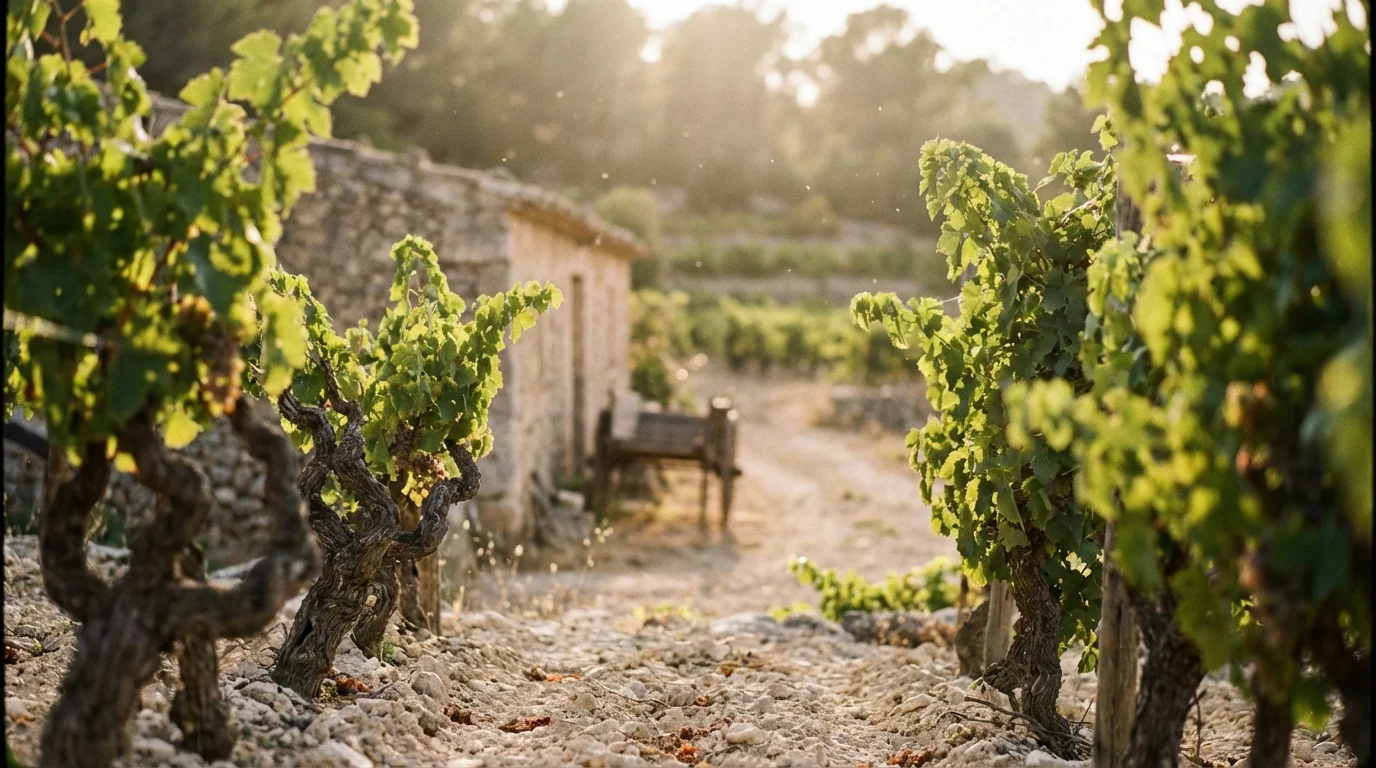
Applying these holistic principles within the Mediterranean climate yields extraordinary results, particularly when working with indigenous grape varieties. Producing authentic Mallorca wine under these rigorous conditions requires an intimate understanding of the island’s unique solar exposure, maritime winds, and limestone-rich soils. The biodynamic approach enhances the natural resilience of the vines, allowing them to thrive during intense summer heat without requiring excessive irrigation. This self-regulating capacity is essential for maintaining consistent yields in challenging weather conditions.
Deep root systems, encouraged by vibrant, living soils, allow native varieties like Callet and Manto Negro to access essential moisture and complex minerals far beneath the surface. This deep earth connection translates into wines with profound structural integrity and aromatic complexity. For instance, crafting a wine like the Montesión Callet Limited Edition 2007 demands patience and absolute faith in the vineyard’s natural balance. The moderate tannins, earthy undertones, and rich red fruit characteristics of such a wine emerge directly from the health of the soil, rather than from manipulative winemaking techniques.
Furthermore, the integration of traditional storage methods amplifies the expression of this pristine fruit. Aging natural wine in materials like Italian stoneware vats or French oak barrels allows the liquid to breathe and evolve without losing its intrinsic character. This harmonious relationship between native grapes, living soil, and minimal-intervention cellar practices defines the pinnacle of Balearic Islands wine production.
The Lasting Value of Rigorous Ecological Standards
The transition toward holistic agricultural practices represents a return to traditional winemaking roots, elevated by modern ecological understanding. The demanding nature of the demeter wine certification guarantees every bottle serves as a testament to environmental harmony, soil regeneration, and absolute authenticity. Consumers increasingly recognize true quality begins long before the harvest, rooted in the microscopic life of the vineyard floor.
Three critical elements define this elevated approach to viticulture. First, the absolute commitment to a closed-loop ecosystem eliminates eliminates reliance on external inputs, fostering genuine self-sufficiency. Second, the mandatory preservation of biodiversity ensures that vineyards remain vibrant, multi-species habitats rather than sterile monocultures. Third, the strict limitations on cellar interventions preserve the unique energetic signature of the vintage and the land.
As global climates shift, regenerative practices offer a proven path forward. Estates embracing this philosophy do not merely produce exceptional vino biodinámico; they actively heal the earth, proving world-class viticulture and ecological stewardship are inseparable.
Frequently Asked Questions
What is the main difference between organic and biodynamic wine?
The primary distinction lies in the scope of the agricultural practices. Organic farming prohibits the use of synthetic chemicals, pesticides, and herbicides, focusing on what must be excluded from the vineyard. Biodynamic farming incorporates all organic rules but adds proactive measures, treating the entire farm as a self-sustaining ecosystem. This includes using specific homeopathic preparations for the soil, integrating livestock, and aligning agricultural tasks with lunar and cosmic cycles.
Why is Demeter certification considered the strictest standard?
Demeter certification is globally recognized as the most rigorous ecological standard because it mandates comprehensive ecosystem management rather than just chemical avoidance. Vineyards must dedicate a minimum of ten percent of their land to biodiversity, strictly limit imported fertilizers, and adhere to severe restrictions during the winemaking process. The rules prohibit commercial yeasts, enzymes, and heavy manipulation, ensuring the final product is a pure, unadulterated expression of its specific terroir.
How does biodynamic farming impact the taste of organic wine Spain?
Wines produced under these holistic methods consistently display greater aromatic complexity and a distinct sense of place. Because the vines are forced to develop deeper root systems in living, nutrient-rich soils, they extract a wider array of minerals. The mandatory use of spontaneous fermentation with native yeasts ensures that the unique microbiological signature of the vineyard drives the flavor profile, resulting in authentic vintages.
