
The recent report from Demeter España confirms an impressive 18% growth in the national surface area of viñedo biodinámico certificado for 2025. This rapid expansion highlights a fundamental shift in Spanish viticulture, with the Mediterranean region-particularly the Balearic Islands-leading the transition. Winemakers at Montesion Wine Estate are increasingly adopting these regenerative practices to combat climate volatility, ensuring long-term soil health and producing exceptional, terroir-driven vintages.
The Spanish wine industry is undergoing a profound agricultural revolution. While conventional farming struggles with erratic weather and droughts across the Iberian Peninsula, a distinct segment of the sector is thriving. The latest data reveals that the transition toward holistic farming systems is accelerating faster than market analysts predicted just five years ago. This 18% jump in certified biodynamic acreage represents a strategic pivot by estates like Montesion Wine Estate, which prioritize ecological balance over volume.
The Balearic Islands have emerged as a focal point for this transformation. Isolated from the mainland and exposed to maritime climatic pressures, island viticulture demands resilient, self-sustaining farming models. The surge in Demeter certification reflects a growing consensus that treating a vineyard as a living, closed-loop organism is the most viable path forward. Consumers are simultaneously driving this demand, seeking out Mallorca wine that offers genuine transparency and a vibrant reflection of its native soils.
What forces are driving the 18% expansion recorded by Demeter España?
The confirmation from Demeter España regarding the 18% expansion in viñedo biodinámico certificado marks a watershed moment for the national agricultural sector. This growth trajectory outpaces the general organic wine Spain category, signaling a deeper commitment among producers to move beyond basic chemical-free farming. The rigorous standards required demand a complete reimagining of estate management, where biodiversity and homeopathic soil preparations replace synthetic inputs. The financial and operational investments required for this rigorous transition are substantial, yet the accelerating conversion rate indicates that the long-term agronomic benefits far outweigh the initial hurdles.
Market dynamics play a crucial role in this shift. International and domestic consumers increasingly favor natural wine and biodynamic wine that demonstrates verifiable environmental stewardship. Vineyards implementing these practices report higher resilience against pests and a marked improvement in the aromatic complexity of their harvests. The data firmly suggests that premium estates are moving decisively toward maximum ecological integration.
How does agricultura biodinámica offer a shield against climate volatility?
The Mediterranean basin is currently experiencing some of the most acute impacts of shifting global weather patterns, making traditional viticulture increasingly precarious. The transition to agricultura biodinámica provides a robust defense mechanism against these environmental stressors. By focusing intensely on soil vitality and the proliferation of deep root systems, biodynamic methods create a subterranean sponge capable of retaining moisture during the brutal summer months. A viñedo biodinámico certificado operates with a significantly higher percentage of soil organic matter compared to its conventional counterpart, drastically reducing the need for external irrigation.
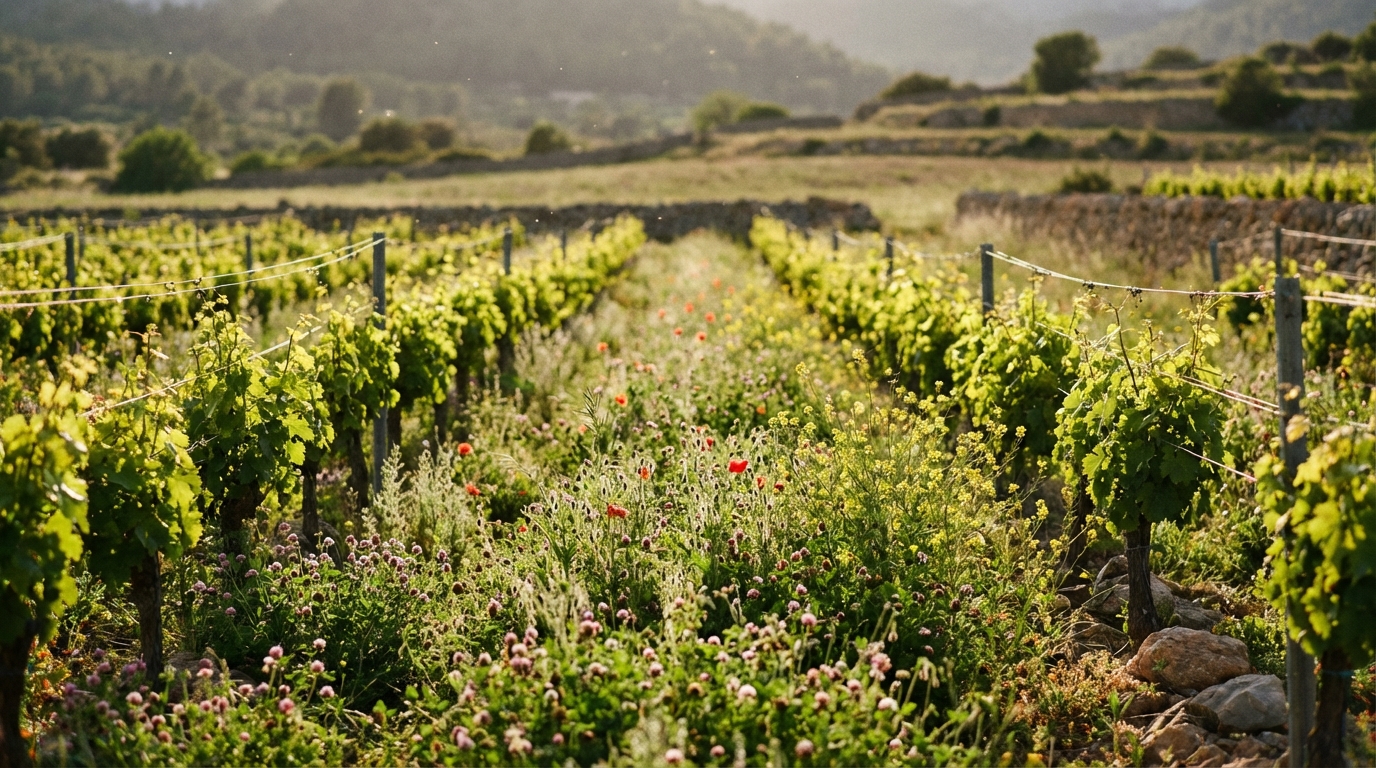
This resilience is achieved through the meticulous application of specific preparations, which stimulate microbial life and enhance the plant’s photosynthetic efficiency. When extreme heatwaves or unexpected spring frosts strike, vines cultivated under these holistic protocols demonstrate a remarkable capacity to recover. The farm acts as a self-regulating ecosystem where cover crops, beneficial insects, and native flora work in tandem to buffer the vines from climatic shocks.
The structural advantages of this methodology become evident when analyzing yield consistency during drought years:
- Enhanced water retention capacity in the topsoil, mitigating the effects of prolonged dry spells.
- Thicker grape skins resulting from balanced canopy management, protecting the fruit from solar radiation.
- A more diverse microbiological network in the root zone, facilitating better nutrient uptake.
Why is Mallorca leading the charge in sostenibilidad vitivinícola?
The Balearic Islands present a unique set of geographic and climatic conditions that make them an ideal laboratory for advanced regenerative agriculture. The concept of sostenibilidad vitivinícola is deeply ingrained in the historical farming practices of the archipelago. Today, Mallorca is recognized as a critical growth node within the national biodynamic movement. The island’s isolation forces estates to be resourceful, naturally encouraging the closed-loop systems that define the Demeter philosophy.
Cultivating indigenous varieties such as Callet, Prensal Blanc, and Viognier under these strict protocols yields spectacular results. These native grapes have spent centuries adapting to the specific maritime humidity and calcareous soils of the region. When managed without synthetic interference, their true genetic potential is unlocked. For instance, the Montesión Callet Limited Edition 2007 exemplifies how a meticulous biodynamic approach translates into a rich, full-bodied profile showcasing red fruits and earthy undertones with perfect acidic balance. The island’s producers are proving that ecological rigor directly correlates with exceptional quality.
The success of vino biodinámico Mallorca is reshaping the broader perception of Balearic Islands wine globally. We can observe the distinct advantages of the Mallorcan terroir through a comparative lens:
| Feature | Conventional Island Viticulture | Biodynamic Mallorcan Viticulture |
|---|---|---|
| Soil Management | Herbicide application, frequent tilling | Cover crops, compost integration |
| Vine Resilience | Highly dependent on irrigation | Deep root systems, drought tolerance |
| Flavor Profile | Standardized, fruit-forward | Expressive of terroir, complex minerality |
The Future of Regenerative Viticulture in Spain
The 18% expansion in Demeter-certified vineyard acreage marks a definitive turning point for the Spanish wine industry. This data from 2025 confirms that holistic, regenerative farming is no longer a niche philosophy but a central pillar of the nation’s agricultural strategy. The shift is driven by climate necessity, shifting consumer preferences, and a renewed respect for living soils.
Several key insights emerge from this market trend. The Mediterranean coast and the Balearic Islands are proving to be the most dynamic regions for ecological conversion. Furthermore, the investment in biodiversity directly translates into vines that withstand extreme weather events without sacrificing yield quality. Finally, the global market is rewarding estates that prioritize radical transparency.
For Montesion Wine Estate, this national data validates a long-held commitment to working in harmony with nature. By treating the vineyard as a fully integrated organism, the estate ensures every bottle of Callet or Prensal Blanc serves as a pure expression of the Mallorcan terroir.
Frequently Asked Questions
What is the difference between organic wine and biodynamic wine?
Organic wine is produced from grapes grown without synthetic pesticides, herbicides, or artificial fertilizers, focusing primarily on what is removed from the farming process. Biodynamic wine takes this methodology further by treating the entire vineyard as a self-sustaining, living organism. This approach incorporates specific homeopathic preparations to enrich the soil, aligns agricultural activities with cosmic cycles, and mandates strict biodiversity standards to create a closed-loop ecological system.
How does Demeter certification work for Spanish vineyards?
Demeter certification is the most rigorous global standard for biodynamic agriculture, requiring vineyards to undergo a stringent auditing process. In Spain, estates must first achieve organic certification before or during their transition to biodynamic practices. The Demeter Spain auditors evaluate the integration of livestock, the use of specific biodynamic preparations, the absence of synthetic chemicals, and the overall ecological balance of the farm, ensuring the property operates independently.
Why are the Balearic Islands well-suited for biodynamic viticulture?
The Balearic Islands benefit from a unique maritime climate characterized by constant sea breezes that naturally ventilate the vine canopies, reducing the risk of fungal diseases without chemical intervention. The geographic isolation of Mallorca naturally encourages the closed-loop farming systems central to biodynamic principles, as importing synthetic fertilizers is costly. Additionally, the region’s indigenous grape varieties have evolved over centuries to thrive in the local calcareous soils.
