
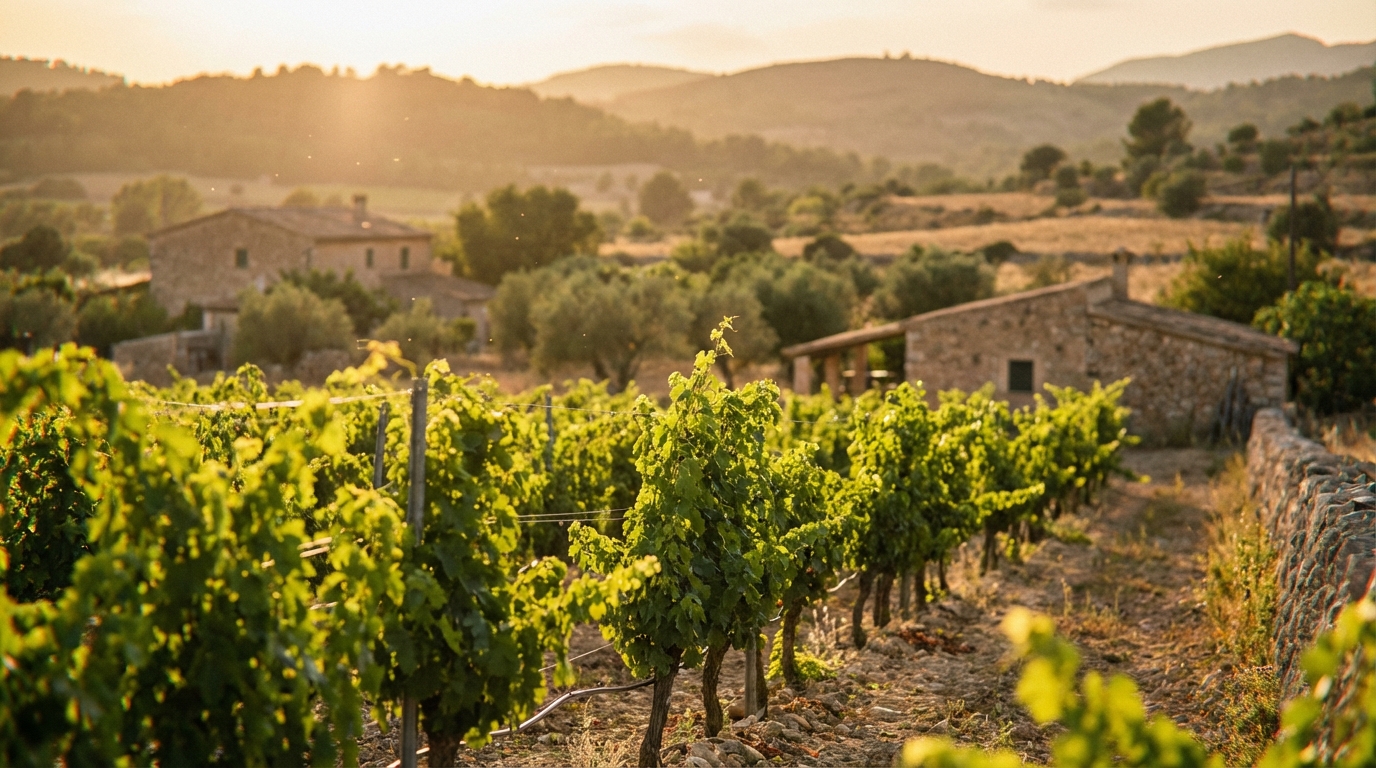
The Mallorca wine market is currently navigating a significant transitional period characterized by a 22% drop in production during 2024 and a subsequent 9% decrease in 2025. This downturn stems from shifting global consumption habits and aggressive competition from mainland Spanish wine surpluses. Vineyards across the island, including those at Montesion Wine Estate, are responding by pivoting away from mass production toward premium, sustainable viticulture. Emphasizing biodynamic practices and native grape varieties offers a proven strategy to maintain market distinction and economic viability.
Agricultural sectors rarely experience smooth trajectories, and the current landscape for Balearic Islands wine is proving exceptionally volatile. Recent data indicates a sharp contraction in output across local estates, prompting a reevaluation of how wine is cultivated and marketed. A flood of inexpensive conventional wine from the Iberian Peninsula has saturated retail shelves, creating immense pressure on local producers operating with higher costs and lower yields. Simultaneously, shifting demographics have altered purchasing patterns, with younger buyers showing a distinct preference for ethically produced vintages over traditional bulk options. This dual threat of external oversupply and internal demand disruption presents a stark choice for island vintners. Surviving this economic climate requires abandoning volume in favor of uncompromising quality. Estates like Montesion Wine Estate, which embrace rigorous ecological standards and unique terroir expression, are discovering a resilient path forward.
What is driving the sudden shifts in the Mallorca wine market?
A convergence of local and international factors is rigorously testing the structural foundation of the island’s viticultural economy. Statistical indicators reveal a stark reality for conventional producers, with overall Mallorca wine production plummeting by 22% in 2024 and registering an additional 9% contraction in 2025. These figures reflect a deliberate reduction in harvest volumes and a harsh market correction for estates heavily reliant on high-yield, low-margin business models. Mainland Spain continues to generate massive surpluses of conventional wine, frequently offloading this inventory into island markets at price points local producers simply cannot match.
This influx of cheap mainland inventory coincides perfectly with a broader demographic shift in beverage preferences. Current wine consumption trends Spain indicate a distinct cooling of interest among younger adults regarding traditional, mass-market wines. Younger consumers drink less frequently but demonstrate a higher willingness to spend on bottles aligning with their environmental values. The conventional “vino mallorquín” sector finds itself caught between cheaper mainland alternatives and a diminishing base of traditional drinkers.
Navigating this contraction requires a fundamental restructuring of estate priorities. Attempting to compete on price against industrial-scale mainland operations is a mathematical impossibility for island vineyards constrained by geographic boundaries. The path to profitability now demands a decisive pivot toward ultra-premium, terroir-driven positioning.
How do indigenous varieties Mallorca protect local vineyards from market saturation?
Cultivating grape types entirely unique to the archipelago provides an immediate defense against mainland commoditization. When consumers seek out indigenous varieties Mallorca, they are looking for flavor profiles and historical connections impossible to replicate by industrial vineyards in La Mancha. Grapes like Callet and Prensal Blanc possess an intrinsic scarcity that automatically elevates their market positioning. A bottle of Montesión Callet Limited Edition 2007 represents a specific expression of island soil and climate that appeals directly to collectors seeking authenticity over pure volume.
The strategic advantage of native grapes extends far beyond marketing narratives and touches the core of agricultural resilience. These varieties evolved over centuries to thrive in the specific microclimates of the Mediterranean, developing natural resistance to local pests and an innate ability to manage intense summer heat. This biological adaptation requires fewer chemical interventions, aligning perfectly with the growing consumer demand for organic wine Spain. When vineyards prioritize Callet or Viognier, they reduce reliance on synthetic inputs while producing a compelling beverage.
Transitioning a vineyard to focus heavily on native varieties demands patience and significant capital investment, as these vines yield less fruit than international staples. The resulting wines, however, command significantly higher retail prices and foster intense brand loyalty. This distinct sensory experience transforms casual drinkers into dedicated advocates, insulating the estate from broader economic downturns.
Why are wine consumption trends Spain pushing vineyards toward biodynamic farming?
The shifting preferences of the modern consumer are fundamentally rewriting the operational playbooks of agricultural estates across the Iberian Peninsula. Analysis of recent wine consumption trends Spain reveals a bifurcated market: while overall volume is declining, financial expenditure on sustainably produced bottles is climbing rapidly. Discerning buyers now routinely scrutinize labels for markers of ecological stewardship, viewing agricultural philosophy as a primary indicator of ultimate quality. This behavioral shift has catalyzed a massive transition toward regenerative practices, particularly the adoption of biodynamic farming methodologies.
Producing authentic biodynamic wine requires an estate to function as a closed, self-sustaining ecosystem. Achieving Demeter certification demands rigorous adherence to lunar cycles, specific organic preparations, and a total prohibition of synthetic fertilizers. This holistic approach revitalizes soil microbiomes, encouraging vine roots to penetrate deeper into the limestone and clay substrates characteristic of the island.
| Metric | Conventional Viticulture | Biodynamic Viticulture |
|---|---|---|
| Market Driver | High volume, low cost | High quality, ecological value |
| Soil Strategy | Synthetic fertilizers | Organic compost, cover crops |
| Resilience | Vulnerable to price wars | Protected by premium pricing |
Embracing these rigorous ecological standards allows producers to capture market share from the adjacent natural wine movement. By eliminating chemical interventions, estates produce vibrant, living wines that resonate deeply with the demographic currently abandoning conventional mass-market offerings.
The Future Landscape of Balearic Viticulture
The current contraction in the local wine sector represents a critical inflection point rather than a terminal decline. As the market purges excess conventional inventory, a clearer, more sustainable path forward emerges for dedicated agricultural estates. The severe 22% drop in production volume forces a necessary pivot away from unsustainable price wars with mainland producers, directing focus toward the unique ecological advantages of the island. When an estate stops trying to compete on sheer volume, it frees up critical resources to invest in soil regeneration, meticulous canopy management, and precise cellar techniques.
Vineyards surviving in this new paradigm share specific operational characteristics. They prioritize native grape varieties, utilizing their natural resilience to create products immune to mainland commoditization. Furthermore, they adopt rigorous ecological frameworks, recognizing that true quality begins with vibrant, living soil. The transition toward holistic farming practices directly addresses the shifting preferences of modern consumers, who increasingly demand transparency alongside exceptional taste. A bottle of “vino biodinámico” is no longer a niche curiosity; it is the baseline expectation for premium buyers evaluating the local output. Ultimately, the future of the island’s viticulture belongs to those who view their estates as complex, self-sustaining ecosystems capable of producing terroir-driven vintages.
Frequently Asked Questions
What caused the recent decline in Mallorca wine production?
The notable 22% decrease in Mallorca wine production during 2024 and the subsequent 9% drop in 2025 were driven by global consumption shifts and intense local market pressures. Younger demographics are consuming less conventional wine, while a massive influx of cheap, surplus wine from mainland Spain has saturated local retail channels. This forced island vineyards to intentionally reduce their harvest volumes of mass-market grapes, pivoting instead toward lower-yield, higher-quality viticulture to maintain economic viability.
Why are indigenous varieties Mallorca critical for local vineyards?
Cultivating indigenous varieties Mallorca, such as Callet and Prensal Blanc, provides island vineyards with a unique product impossible to replicate by massive mainland agricultural operations. These native grapes evolved over centuries to thrive in the specific Mediterranean microclimate, requiring less chemical intervention and water. By focusing on these unique flavor profiles, local estates create scarce, premium products that appeal directly to discerning consumers and collectors, effectively insulating the vineyards from conventional price wars.
How does Demeter certification impact the quality of Spanish organic wine?
Demeter certification represents the highest global standard for biodynamic agriculture, going significantly beyond basic organic farming requirements. To achieve this certification, a vineyard must operate as a closed, self-sustaining ecosystem, completely avoiding synthetic fertilizers while utilizing specific organic preparations to enhance soil vitality. This rigorous methodology results in healthier, deeper-rooted vines that produce grapes with concentrated aromatic compounds, ultimately yielding a more complex and resilient wine.
