
The global organic wine market is on track to reach $14.83 billion by 2026, driven by a robust compound annual growth rate of 10.7%. Consumers are shifting their purchasing habits away from mass-produced volumes toward premium organic segments that guarantee transparency and chemical-free production methods. This rapid expansion highlights a fundamental transformation in global viticulture, where values-driven consumption and stringent ecological standards now define the highest tiers of the industry, a philosophy central to the mission of Montesion Wine Estate.
April 2026 marks a definitive turning point for the global wine industry, as new data from Research and Markets confirms that ecological viticulture is no longer a niche alternative but the primary engine of premium sector growth. The projected $14.83 billion valuation represents a seismic shift in how enthusiasts and collectors approach their cellars. Buyers now demand absolute clarity regarding what happens in the vineyard and the cellar, prioritizing soil health and biodiversity over conventional yield metrics. This transformation aligns perfectly with the rising trajectory of natural wine and biodynamic farming, particularly in regions with deep historical roots. The numbers reveal a sophisticated consumer base that views a bottle of wine as an agricultural product intrinsically linked to environmental stewardship. Understanding the mechanics behind this 10.7% annual expansion provides critical insight into the future of fine wine, where rigorous certifications and indigenous grape varieties command unprecedented market share.
What Is Driving the Rapid Expansion of the Organic Wine Market?
The primary catalyst behind the current organic wine market trajectory is a profound change in consumer expectations regarding agricultural transparency. Modern wine drinkers actively scrutinize cultivation methods, rejecting synthetic pesticides and chemical fertilizers that defined conventional farming for decades. This heightened awareness translates directly into purchasing power, propelling the sector toward its $14.83 billion valuation. The 10.7% compound annual growth rate reflects a sustained, structural change in the global beverage industry rather than a temporary fad. Vineyards transitioning to organic practices report that the initial drop in volume is consistently offset by the higher price points their bottles command.
Furthermore, the definition of premium organic wine has expanded to encompass holistic ecosystem management. Enthusiasts recognize that vines forced to dig deep into living, untreated soils produce grapes with superior site-specific character. This pursuit of authentic terroir drives demand for bottles that express their exact geographical origins without chemical interference.
- Heightened demand for ingredient transparency and minimal intervention winemaking processes.
- Increased willingness among modern buyers to pay a premium for certified sustainable products.
- Stricter governmental regulations regarding agricultural chemicals across major European wine-producing nations.
- Growing recognition by prominent sommeliers of the superior flavor profiles found in ecologically farmed wines.
How Are Organic Wine Trends 2026 Reshaping Premium Consumption?
Analyzing the organic wine trends 2026 reveals a distinct pivot from volume-based purchasing to values-driven consumption. The premiumization of the sector indicates that buyers are drinking less frequently but spending significantly more per bottle, deliberately selecting estates that align with their environmental ethics. This behavior directly benefits producers who prioritize quality and ecological harmony over maximum yield. The data shows that the highest growth rates occur in the ultra-premium tiers, where consumers expect flawless execution alongside unimpeachable farming credentials.
The sustainable viticulture market now demands rigorous proof of environmental stewardship, elevating the importance of recognized certifications. Buyers navigating the premium segment rely on independent verifications to justify their investment in high-end bottles. The emphasis on transparency means that producers must document every aspect of their farming, from cover crop management to water conservation strategies.
- Consumers consistently choose verifiable ecological farming over conventional luxury branding when selecting high-end bottles.
- The secondary market for fine wine increasingly favors natural and biodynamic producers due to their aging potential.
- Direct-to-consumer sales channels allow specialized estates to communicate their farming philosophies directly to dedicated collectors.
- Hospitality venues are restructuring wine lists to feature predominantly organic selections to meet patron expectations.
Why Are Demeter Certification and Mallorca Wine Leading Biodynamic Wine Growth?
While basic organic farming prohibits synthetic chemicals, the surge in biodynamic wine growth stems from consumers seeking the absolute highest standard of ecological agriculture. Demeter certification represents the pinnacle of this movement, requiring producers to treat the entire vineyard as a single, self-regulating organism. The 2026 market data indicates that buyers increasingly differentiate between standard organic labels and the comprehensive holistic approach guaranteed by rigorous biodynamic standards. This distinction allows producers to command the highest premiums within the sustainable viticulture market.
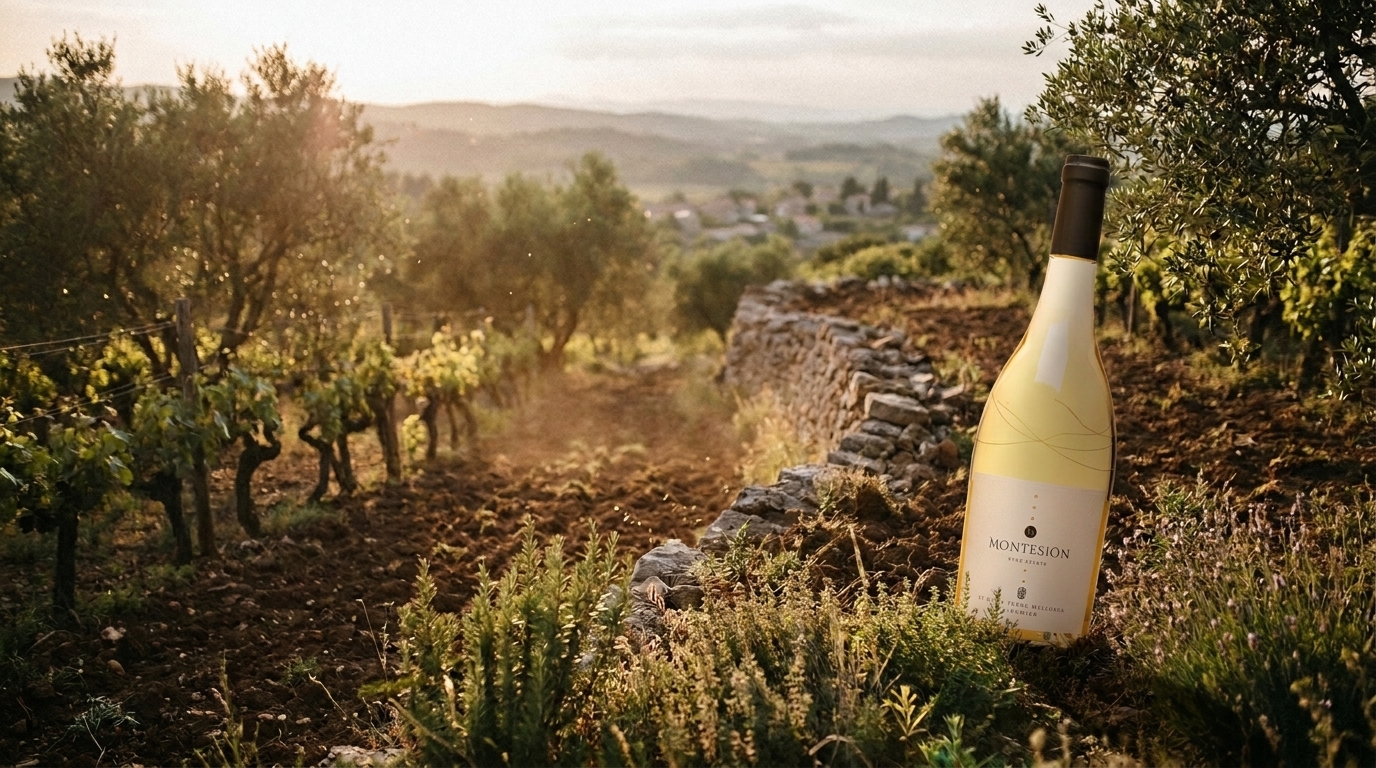
The Balearic Islands wine sector occupies a highly coveted position within the expanding organic wine Spain category. The Mediterranean climate provides an ideal environment for low-intervention farming, and Mallorca wine benefits from a rich heritage of indigenous grape varieties naturally adapted to the local terroir. Grapes like Callet and Prensal Blanc thrive without the need for chemical support. Estates committed to Demeter standards demonstrate how traditional farming wisdom aligns with modern premium market demands. Products like the Montesión Viognier 2025 and the deeply complex Montesión Callet Limited Edition 2007 exemplify the extraordinary results of combining strict biodynamic practices with exceptional Balearic terroir.
- A constant maritime breeze that naturally prevents fungal diseases, drastically reducing the need for treatments.
- Complete elimination of all synthetic inputs and the establishment of on-site composting systems.
- Application of precise biodynamic preparations to enhance soil fertility and plant immunity.
- Deeply ingrained traditional farming knowledge that predates modern synthetic agricultural chemicals.
Navigating the Future of High-Value Viticulture
The projected $14.83 billion valuation for the ecological wine sector by 2026 confirms a permanent realignment of global drinking habits. Consumers no longer view sustainability as an optional bonus; they demand it as a fundamental baseline for any premium bottle. The data clearly demonstrates that estates embracing absolute transparency and regenerative farming practices will dominate the high-end market for the foreseeable future. Values-driven consumption has permanently replaced volume-focused purchasing, rewarding producers who prioritize the long-term health of their soils over immediate yields. Montesion Wine Estate remains at the forefront of this movement, ensuring every bottle serves as a pristine reflection of its specific geography.
Frequently Asked Questions
What is the projected value of the global organic wine market by 2026?
The global organic wine market is projected to reach $14.83 billion by 2026, driven by a compound annual growth rate of 10.7%. This expansion reflects a fundamental shift in consumer preferences toward premium, chemically free agricultural products and sustainable viticulture practices. Analysts attribute this growth to increasing demands for ingredient transparency and a willingness among buyers to pay higher prices for certified ecological bottles.
How does Demeter certification differ from standard organic labels?
Demeter certification requires a far more rigorous, holistic approach to farming than standard organic designations, which merely prohibit synthetic chemicals. A certified biodynamic estate must operate as a self-sustaining ecosystem, integrating biodiversity, on-site composting, and specific mineral preparations to actively regenerate soil health. This stringent methodology ensures the highest level of ecological stewardship, resulting in wines that offer profound territorial expression and command premium market positions.
Why are Mallorca wine varieties well-suited for biodynamic farming?
Mallorca wine varieties, such as Callet and Prensal Blanc, possess a deep genetic adaptation to the Mediterranean climate, making them exceptionally resilient for biodynamic farming. The island’s constant maritime breezes naturally suppress fungal diseases, while mineral-rich limestone soils encourage deep root systems without synthetic fertilizers. This unique combination of indigenous genetics and ideal geographical conditions allows Balearic estates to produce highly concentrated, low-intervention wines under strict ecological cultivation.
