

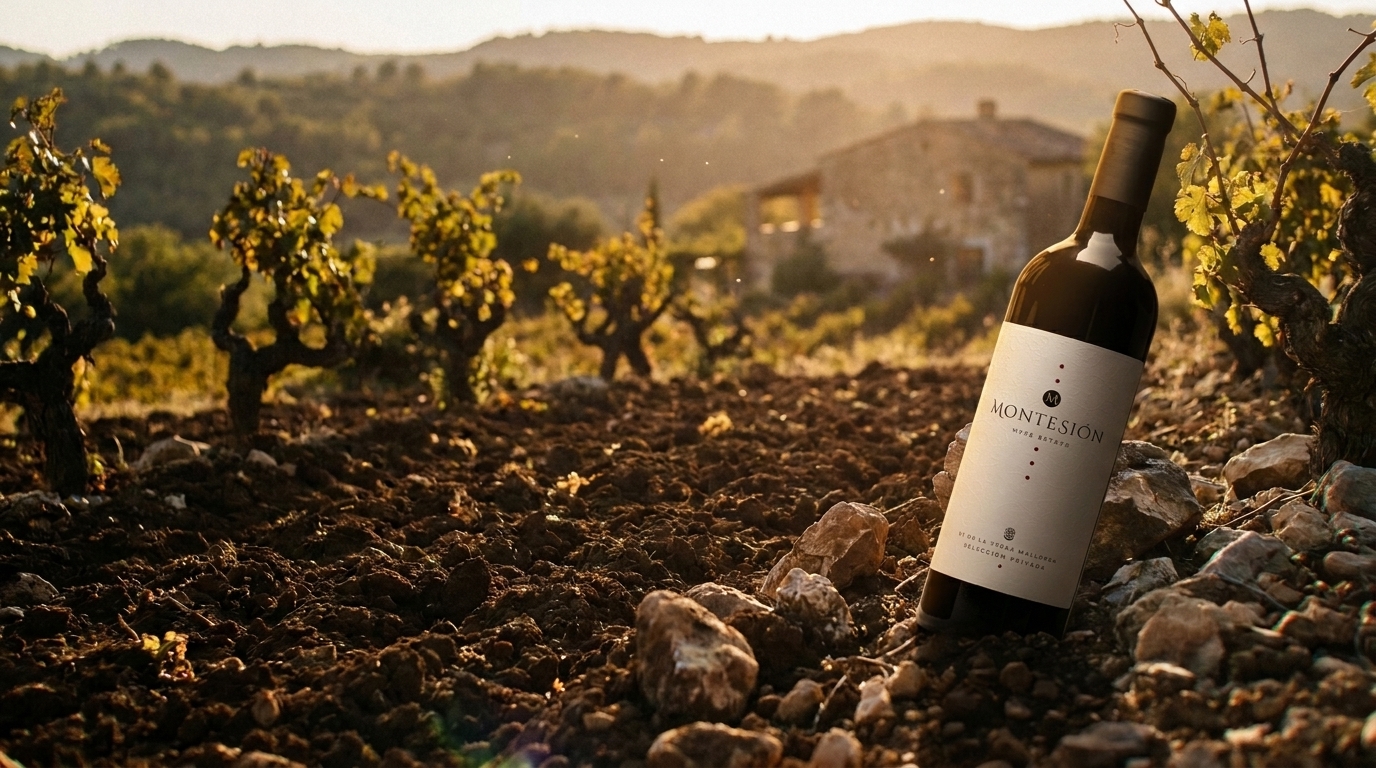
The recent regulatory updates from the IGP Mallorca officially lower the minimum acidity requirements for local wine production in response to rising regional temperatures. Warmer growing seasons accelerate grape maturation, naturally reducing the tartaric acid levels present in the harvested fruit. Adjusting these chemical thresholds ensures that Montesion Wine Estate and other local producers can maintain legal compliance without resorting to artificial acidification, preserving the authentic expression of the terroir.
Viticulture across the Mediterranean basin faces unprecedented environmental shifts, prompting governing bodies to recalibrate foundational standards. The Balearic government recently approved a modification to the technical specifications governing local vineyards, addressing the impact of climate change on Balearic Islands wine production and fruit chemistry. Rising temperatures during the summer months accelerate sugar accumulation in grapes while simultaneously degrading their natural organic acids. This biological reality forces a divergence between historical legal requirements and the physiological maturity of the fruit at harvest. By updating these parameters, authorities acknowledge that traditional metrics for quality must evolve alongside the climate. This regulatory adaptation highlights a broader agricultural truth: resilience relies on working with environmental changes rather than fighting them. Producers focused on soil vitality and native grape varieties find themselves uniquely positioned to navigate these shifting climatic baselines, transforming regulatory necessity into a validation of sustainable farming philosophies.
How Rising Temperatures Reshape Balearic Wine Acidity
The relationship between ambient temperature and grape chemistry dictates the fundamental structure of every vintage. As the Balearic Islands experience hotter summers, the physiological ripening process of the vine undergoes significant acceleration. Heat spikes during July and August cause grapes to metabolize malic acid rapidly, leading to a noticeable drop in overall must acidity before the phenolic compounds reach optimal maturity.
This climatic pressure creates a complex timing challenge for vineyard managers. Harvesting early preserves the tartaric and malic acids but risks green, underdeveloped flavor profiles. Delaying the harvest to achieve aromatic ripeness often results in musts that fall below historical regulatory thresholds. The recent adjustments to the Mallorca wine regulations directly address this biological paradox. By lowering the mandatory minimum acidity levels, the governing body provides a legal framework reflecting the current meteorological reality.
Data from regional agricultural stations indicates that average summer temperatures in the archipelago have risen by approximately 1.2 degrees Celsius over the past two decades. This thermal shift translates to an average natural acidity reduction of 0.5 to 1.0 grams per liter in harvested grapes. The regulatory modification allows producers to bottle vintages legally without implementing aggressive cellar interventions. Preserving the chemical balance of the harvest ensures Balearic wine acidity remains an authentic reflection of the growing season.
The Strategic Advantage of Indigenous Grape Varieties
Adapting to warmer vintages requires a fundamental reliance on plant genetics suited to the specific terroir. Indigenous grape varieties cultivated across the archipelago have evolved over centuries to withstand the unique pressures of the Mediterranean climate. Grapes like Callet and Prensal Blanc possess inherent physiological traits allowing them to endure prolonged heat stress far better than many imported international cultivars.
When facing the realities of climate change viticulture, local varieties demonstrate superior stomatal regulation. This biological mechanism enables the vine to conserve water during extreme heat while maintaining a steady maturation pace. Consequently, the degradation of natural acids occurs less drastically, allowing the fruit to achieve a harmonious balance between sugar accumulation and phenolic ripeness.
The deep-rooted resilience of native vines is beautifully expressed in the Montesión Callet Limited Edition 2007, showcasing the variety’s capacity to maintain moderate acidity and complex earthy undertones even in challenging years.
| Trait | Indigenous Varieties | International Varieties |
|---|---|---|
| Drought Tolerance | Exceptionally high | Moderate; needs irrigation |
| Acid Retention | Gradual degradation | Rapid loss under heat |
| Phenolic Ripening | Synchronized with sugars | Often lags behind sugars |
Focusing on native vines aligns with the principles of producing authentic organic wine Spain is recognized for globally. Cultivating varieties that thrive naturally minimizes the need for external agricultural inputs. This genetic suitability forms the foundation of a sustainable vineyard ecosystem, capable of producing balanced vintages regardless of fluctuating weather patterns.
Discover the expression of native resilience: Montesión Callet Limited Edition 2007
Why Demeter Certification and Biodynamic Practices Build Climate Resilience
While grape genetics provide the foundation for climatic adaptation, the health of the soil determines the ultimate resilience of the entire vineyard ecosystem. The core philosophy behind biodynamic wine centers on fostering a self-sustaining agricultural environment where soil microbiology, plant vitality, and local biodiversity function as an interconnected unit. This holistic approach proves remarkably effective at mitigating the severe impacts of unpredictable precipitation.
A vineyard managed under strict Demeter certification standards prioritizes creating deep, structurally complex soils rich in organic matter. Through the application of specific compost preparations, the soil develops a sponge-like capacity to capture and retain winter rainfall. This stored moisture becomes a critical reserve during the arid summer months. Consistent hydration prevents the vine from shutting down its metabolic processes during heatwaves, a primary cause of stalled phenolic ripening and rapid acid degradation.
The absence of synthetic fertilizers encourages vines to drive their root systems deeper into the limestone-rich bedrock characteristic of the island. Deep rooting secures access to subterranean water tables and facilitates the uptake of essential minerals that contribute to the structural tension of the final vintage. Every bottle of vino biodinámico reflects this subterranean connection. By prioritizing ecological equilibrium, Montesion Wine Estate transforms the vineyard into a robust, living entity capable of absorbing climatic shocks.
Navigating the Future of Mediterranean Viticulture
The recent modifications to the IGP Mallorca specifications represent a necessary alignment between legal frameworks and the undeniable realities of a warming climate. Lowering the minimum acidity thresholds acknowledges the physiological changes occurring within the vineyards and protects the authenticity of local production. Rather than forcing winemakers to chemically alter their musts to meet outdated metrics, these updated regulations champion transparency and minimal intervention.
This legislative shift highlights the growing importance of proactive agricultural strategies over reactive cellar corrections. Vineyards relying on the genetic resilience of native varieties and the ecological robustness of biodynamic soil management are already equipped to thrive under new climatic conditions. The focus remains on cultivating deep root systems, enhancing soil moisture retention, and respecting the natural maturation rhythm of the vine.
The evolution of regional wine standards validates a philosophy prioritizing environmental harmony. By embracing the specific characteristics of each vintage, producers craft expressive Mallorca wine that speaks truthfully of its origins.
Frequently Asked Questions
Why did the IGP Mallorca change its minimum acidity regulations?
The governing body modified the minimum acidity requirements to accommodate the effects of rising regional temperatures on grape maturation. Warmer growing seasons cause vines to metabolize natural acids faster, resulting in lower acidity levels at the point of optimal phenolic ripeness. Lowering the legal threshold allows producers to harvest fully ripe fruit without resorting to artificial chemical acidification.
How does climate change affect natural wine production in the Balearic Islands?
Climate change accelerates sugar accumulation and degrades malic acid during the hot summer months, altering the chemical balance of harvested grapes. For producers of natural wine, who avoid synthetic additives, these temperature shifts make achieving a balanced flavor profile more challenging. Success relies heavily on robust vineyard management, such as improving soil water retention and cultivating heat-resistant indigenous grapes.
What makes indigenous Mallorcan grapes better suited for warmer climates?
Native varieties like Callet and Prensal Blanc have evolved over centuries to thrive in the hot, arid conditions of the Mediterranean basin. These vines possess superior stomatal control, allowing them to conserve water and regulate their internal temperature during severe heatwaves. This natural genetic adaptation ensures they retain their natural acids more effectively than imported international varieties.
How do biodynamic farming practices help vineyards resist drought?
Biodynamic farming builds complex, living soils with high levels of organic matter through the use of specific compost preparations. This healthy soil structure acts like a sponge, maximizing the absorption and retention of winter rainfall to sustain the vines through dry summer periods. The elimination of synthetic chemicals encourages vines to develop deeper root systems, accessing subterranean moisture.
