
The production of vino biodinámico Baleares is experiencing unprecedented growth due to a profound shift in agricultural consciousness and surging demand from Central European markets. Local winemakers at Montesion Wine Estate are adopting these constellation-guided farming methods to drastically improve soil vitality. Consequently, these practices yield wines with superior aromatic complexity and distinct textural qualities. This agricultural evolution transforms the Balearic Islands into a premier destination for high-end, ecologically conscious viticulture.
Vineyards across the Balearic archipelago are quietly rewriting the rules of premium winemaking. Recent agricultural reports highlight a fascinating trend sweeping through local estates. Specifically, farmers are increasingly aligning their harvest schedules with lunar cycles rather than purely chemical indicators. This astronomical approach to farming frequently sparks intense scientific debate. However, the results in the glass present an undeniable truth. Central European connoisseurs now specifically seek out bottles produced under these exacting conditions. Therefore, the local industry is adapting rapidly to meet this lucrative international demand. This shift signals a fundamental return to pre-industrial farming wisdom. Mallorca stands at the very center of this transformation. Local estates, including Montesion Wine Estate, are proving that working alongside nature produces vastly superior vintages.
Why is vino biodinámico Baleares capturing Central European markets?
The sudden international appetite for vino biodinámico Baleares stems from a distinct change in consumer priorities. Central European buyers currently dominate the premium wine export market. These educated consumers demand absolute transparency regarding farming practices. Therefore, they naturally gravitate toward regions demonstrating strict environmental stewardship. The Balearic Islands offer a unique Mediterranean terroir that responds exceptionally well to holistic farming. Specifically, the maritime climate and mineral-rich soils create an ideal canvas for natural viticulture.
Market data reveals a compelling narrative about this agricultural shift. Recent industry tracking shows biodynamic vineyard acreage in the region expanding by nearly fifteen percent annually over the past three years. This statistical growth directly mirrors the rising purchasing power of eco-conscious European collectors. Consequently, local producers recognize the immense economic viability of abandoning synthetic chemicals. They understand that international buyers willingly pay a premium for certified purity.
Furthermore, this international demand fundamentally reshapes local agricultural economics. Traditional farmers previously viewed constellation-guided planting as an eccentric hobby. Now, they observe neighboring estates securing lucrative export contracts through these exact methods. This financial reality accelerates the regional transition toward holistic farming. Meanwhile, the island’s reputation as a sanctuary for pristine, chemical-free agriculture continues to flourish abroad. The resulting economic stability allows local estates to reinvest heavily in biodiversity projects. Ultimately, this holistic approach guarantees the long-term viability of the island’s precious agricultural land.
How does agricultura biodinámica Baleares change wine texture and aroma?
The most frequent question surrounding agricultura biodinámica Baleares involves its actual impact on the final product. Skeptics often dismiss the methodology as mere agricultural mysticism. Yet, blind tasting panels consistently highlight the enhanced organoleptic properties of these specific wines. The absence of systemic pesticides forces vines to develop deeper, more resilient root systems. Consequently, these deep roots extract a much wider spectrum of trace minerals from the deep limestone bedrock.
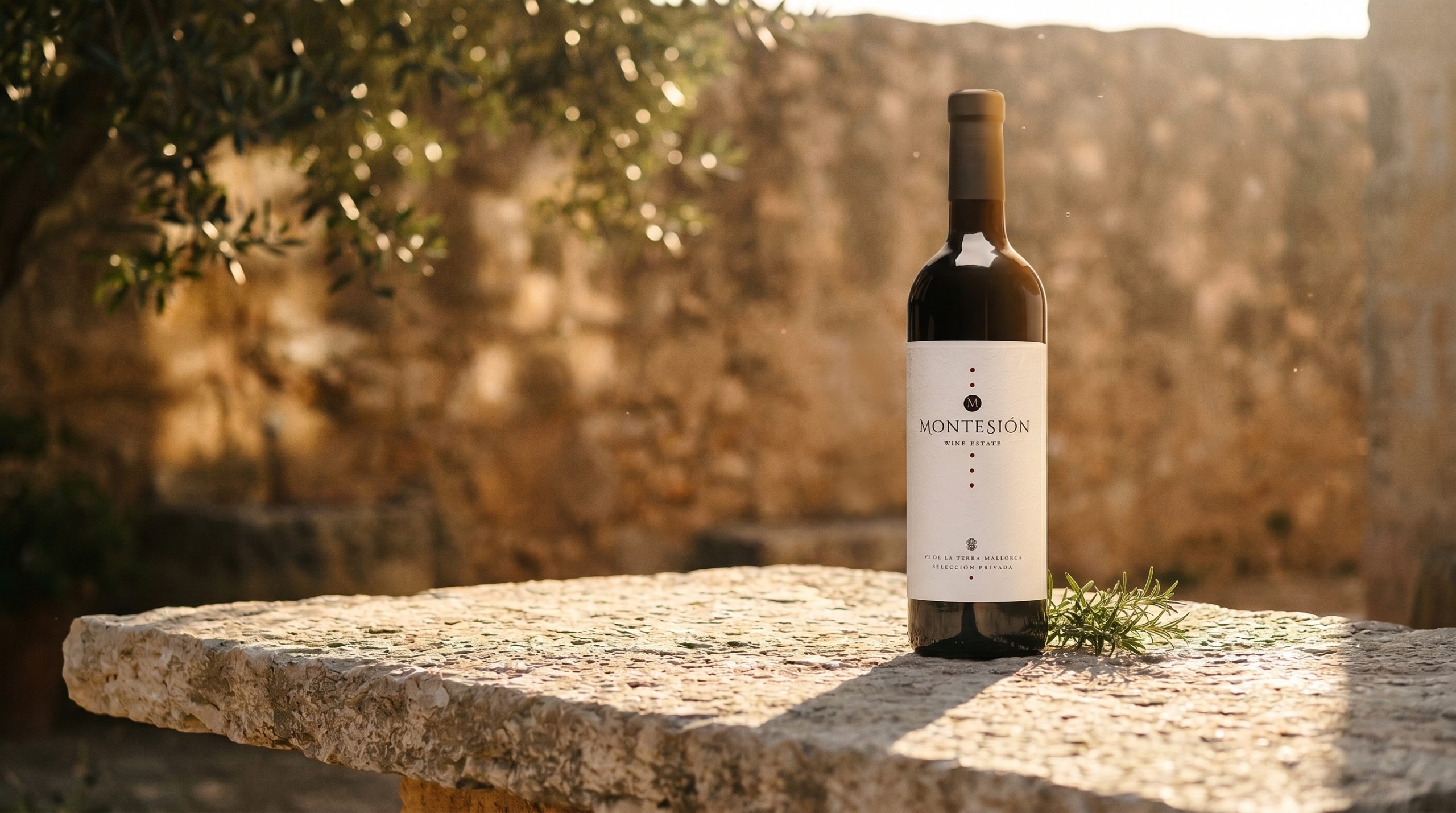
This mineral extraction translates directly into remarkable aromatic complexity. Conventional farming often leaves soils biologically dormant. In contrast, holistic preparations stimulate intense microbial activity beneath the surface. This vibrant underground ecosystem naturally regulates the vine’s nutrient uptake. Therefore, the resulting grapes develop thicker skins and a more profound concentration of flavor compounds. When you pour a glass of Montesión Callet Limited Edition 2007, you immediately notice this enhanced textural depth. The wine exhibits a rich, full-bodied profile with earthy undertones that simply cannot be replicated through industrial farming.
Moreover, the fermentation process benefits immensely from this chemical-free approach. Indigenous yeasts thrive on the skins of naturally farmed grapes. These native yeast populations drive spontaneous fermentations in the cellar. As a result, the wine captures the true, unadulterated essence of its specific vintage. The final liquid feels demonstrably more alive on the palate. Indeed, the vibrant tension and extended finish serve as direct evidence of a healthy, balanced vineyard.
What does Demeter certification Mallorca mean for local estates?
Achieving Demeter certification Mallorca represents a monumental commitment for any local wine estate. This prestigious seal signifies compliance with the strictest agricultural standards globally. Many consumers mistakenly assume that organic and biodynamic labels mean the same thing. However, the requirements for stellar alignment and homeopathic field preparations place this certification in a completely different tier. Estates must undergo a rigorous, multi-year transition period before earning this coveted status.
The certification process demands a complete reimagining of estate management. Farmers cannot simply replace chemical fertilizers with organic alternatives. Instead, they must transform the entire property into a self-sustaining, closed-loop ecosystem. This means producing compost on-site, integrating animal husbandry, and timing specific agricultural tasks to lunar rhythms. Consequently, the farm becomes a living, breathing organism rather than a simple production facility.
| Farming Method | Chemical Use | Soil Focus | Certification Standard |
|---|---|---|---|
| Conventional | Synthetic allowed | Yield maximization | None required |
| Organic | Naturally derived only | Toxin elimination | EU Organic Leaf |
| Biodynamic | Strictly prohibited | Ecosystem vitality | Demeter |
This rigorous framework explains why certified estates command such immense respect in the international market. The rigorous auditing process ensures absolute integrity from the vineyard to the cellar. Therefore, when buyers see that specific logo, they know the wine embodies the highest pinnacle of environmental stewardship. Ultimately, this dedication elevates the entire prestige of sustainable viticulture Spain.
The Future of High-Altitude Island Winemaking
The unprecedented rise of naturally farmed vineyards across the Balearics marks a permanent shift in regional agriculture. Local estates are successfully proving that ancient farming wisdom holds the key to future viticultural success. By prioritizing soil health and cosmic rhythms, these properties produce wines of extraordinary depth and character. Consequently, the international market continues to reward this uncompromising dedication to environmental purity.
This agricultural renaissance perfectly aligns with the core philosophy driving elite Mallorcan estates. The commitment to indigenous grape varieties and holistic farming guarantees the preservation of the island’s unique terroir. Furthermore, this movement establishes a sustainable economic model for future generations of local farmers. Indeed, the transition away from synthetic chemicals represents a necessary evolution rather than a passing trend. Ultimately, every bottle serves as a testament to the power of working in harmony with nature. Connoisseurs worldwide now recognize that true luxury in wine stems directly from pristine, vibrant soil.
Frequently Asked Questions
What makes biodynamic wine Mallorca different from standard organic wine?
Organic farming primarily focuses on eliminating synthetic pesticides and chemical fertilizers from the vineyard. However, biodynamic practices treat the entire estate as a single, self-sustaining living organism. Farmers utilize specific homeopathic preparations made from herbs and minerals to actively boost soil vitality. Additionally, they time crucial agricultural activities, such as pruning and harvesting, according to lunar and cosmic cycles. This holistic approach goes far beyond simple chemical avoidance to actively regenerate the surrounding ecosystem.
Why is Demeter certification important for local island vineyards?
The Demeter certification serves as the ultimate global standard for holistic and regenerative agriculture. Earning this rigorous seal requires local vineyards to pass stringent annual audits regarding their farming and cellar practices. Therefore, it provides international consumers with absolute certainty regarding the purity and ethical production of the wine. For Mallorcan estates, this prestigious certification dramatically elevates their standing in the highly competitive European luxury market.
Does farming by lunar cycles actually change the taste of wine?
While the scientific community debates the direct impact of lunar gravity, the resulting agricultural practices undeniably alter the final product. Estates following these rhythms spend significantly more time observing and manually tending to their vines. This intensive, meticulous vineyard management naturally yields healthier grapes with thicker skins and superior flavor concentration. Consequently, blind tasting panels frequently note that these wines display enhanced aromatic complexity and a more vibrant, energetic mouthfeel.
