
Earning a Demeter certification now represents the primary strategy for vineyards in the Balearic Islands adapting to severe climate shifts. Specifically, applications across Mallorca have surged by 22% for the upcoming 2026 harvest. Therefore, estates like Montesion Wine Estate are rapidly abandoning conventional agriculture in favor of holistic farm management. Ultimately, this biodynamic approach effectively combats increasing Mediterranean aridity while simultaneously elevating the region’s premium market positioning.
The Mediterranean basin is currently experiencing unprecedented temperature spikes and prolonged drought cycles. Consequently, agricultural producers face severe challenges maintaining historical crop yields. A recent report highlights a fascinating agricultural pivot happening directly in response to these environmental stressors. Specifically, vineyards across the Balearic Islands are fundamentally changing how they interact with their soil and local ecosystems.
This transformation goes far beyond simple organic farming practices. In fact, estate managers at Montesion Wine Estate now view their entire properties as living, interconnected organisms. Furthermore, the impressive 22% spike in biodynamic applications signals a permanent industry shift rather than a temporary trend. Readers will discover exactly how this rigorous agricultural framework protects fragile island ecosystems. Additionally, we will explore why this specific certification process creates incredibly resilient vines capable of thriving despite worsening environmental aridity.
Why Are Mallorca Vineyards Shifting Toward Holistic Farming?
The accelerating Mediterranean aridity forces agricultural producers to rethink traditional irrigation and soil management strategies. Securing a Demeter certification now offers a proven blueprint for drought resistance. For instance, holistic farming treats the vineyard as a closed-loop system where every element supports soil moisture retention. Therefore, estates no longer rely on synthetic fertilizers that degrade soil structure.
Instead, viticulturists utilize specific compost preparations that increase microbial life beneath the surface. This enhanced soil biology acts like a natural sponge during rare rainfall events. As a result, the roots of indigenous grape varieties access deep water reserves during scorching summer months. This biological resilience explains the sudden rush toward sustainable viticulture Balearic Islands estates are currently experiencing.
Furthermore, creating a self-sustaining ecosystem requires integrating animal husbandry and diverse cover crops. Specifically, sheep grazing among the rows naturally manages weed growth while providing essential fertilization. Meanwhile, carefully selected cover crops prevent topsoil erosion during heavy winter storms.
| Farming Method | Soil Management Approach | Drought Resistance Level | Certification Focus |
|---|---|---|---|
| Conventional | Synthetic fertilizers | Low | None |
| Organic | Natural inputs only | Medium | Chemical absence |
| Biodynamic | Holistic ecosystem | High | Living system health |
Ultimately, the pursuit of biodynamic wine Mallorca producers undertake represents a necessary survival tactic. Therefore, abandoning chemical interventions allows the land to heal naturally while simultaneously establishing a robust defense against unpredictable weather patterns.
How Does Demeter Spain Measure Organic Wine Growth?
Tracking the expansion of regenerative agriculture requires precise metrics and rigorous evaluation protocols. Currently, Demeter Spain reports a remarkable 22% increase in new applications from the Balearic region for 2026. Consequently, this statistical surge highlights a broader national movement toward uncompromising agricultural standards. Furthermore, the evaluation process demands a minimum three-year transition period before any estate claims full compliance.
During this mandatory conversion phase, inspectors meticulously monitor soil health improvements and biodiversity metrics. For example, auditors test the soil for increased organic matter and beneficial insect populations. Additionally, estates must prove they generate their own compost and utilize specific botanical preparations. Therefore, achieving this status requires significant financial and operational commitment from the vineyard management team.
Moreover, this rigorous framework distinctly separates biodynamic estates from standard organic wine Spain currently produces. While basic organic regulations simply prohibit synthetic chemicals, the holistic approach mandates proactive ecosystem enhancement.
- Preparation 500: Horn manure buried during winter to stimulate deep root growth.
- Preparation 501: Horn silica applied as a foliar spray to enhance light absorption.
- Compost additions: Yarrow, chamomile, and stinging nettle used to regulate fermentation.
Ultimately, these specific practices transform the vineyard into a hyper-resilient landscape capable of thriving under extreme stress. Indeed, the impressive application statistics validate the economic viability of this ancient farming philosophy for modern viticultural enterprises.
What Makes Island Terroirs Ideal For Biodynamic Wine Production?
Island ecosystems naturally provide unique geographical advantages for implementing strict agricultural isolation. Specifically, the Mediterranean Sea acts as a massive natural barrier against chemical drift from conventional mainland farms. Therefore, creating a pure, uncontaminated agricultural environment becomes significantly easier in these restricted geographical zones. Furthermore, constant sea breezes naturally ventilate the vine canopies, drastically reducing the risk of fungal diseases.
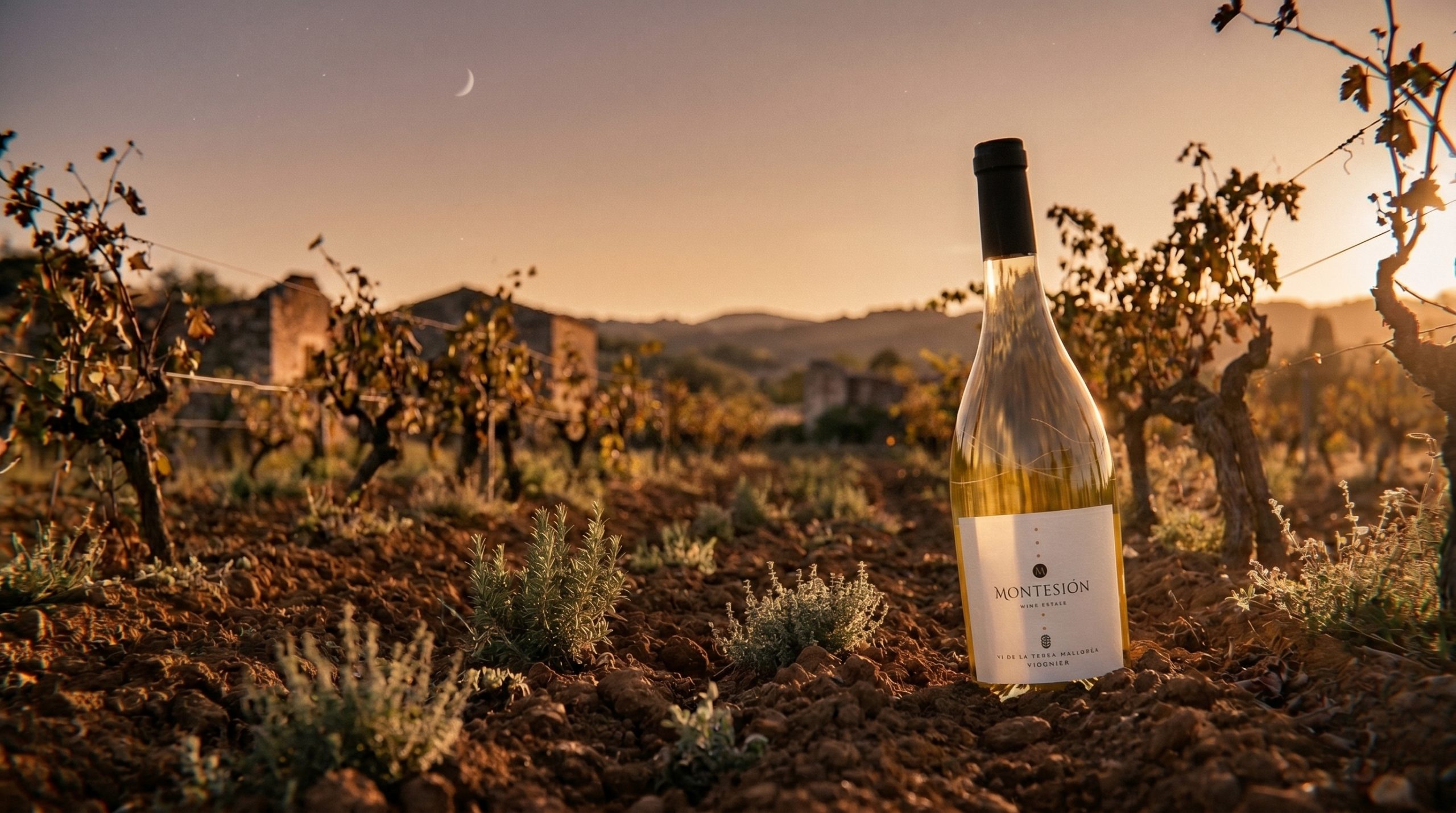
This pristine environment perfectly complements the cultivation of indigenous grape varieties deeply adapted to the local climate. For instance, the Callet grape possesses naturally thick skins and a late ripening cycle that thrives under the intense island sun. Consequently, when grown without chemical interference, these grapes express the profound mineral complexity of the rocky limestone soils. You can experience this exact terroir expression in the Montesión Callet Limited Edition 2007, which showcases the rich, earthy undertones unique to this specific microclimate.
Moreover, producing exceptional Mallorca wine requires an intimate understanding of these subtle environmental interactions. Indeed, true natural wine emerges only when the winemaker completely steps back and allows the ecosystem to dictate the vintage.
- Evaluate the specific sun exposure and wind patterns of each individual parcel.
- Select indigenous grape varieties that naturally resist local pest populations.
- Implement lunar planting calendars to synchronize agricultural activities with natural rhythms.
Ultimately, this deep connection to the specific geography drives the unparalleled quality of these island vintages, ensuring that every harvest reflects the absolute purest expression of the Mediterranean environment.
Synthesizing the Future of Island Viticulture
The dramatic 22% increase in holistic farming applications fundamentally reshapes the agricultural landscape of the Balearic Islands. Clearly, severe climate challenges require innovative, nature-based solutions rather than increased chemical reliance. Therefore, transitioning toward a fully integrated ecosystem provides the most effective defense against escalating Mediterranean aridity.
Furthermore, this statistical surge demonstrates that environmental stewardship and premium market positioning can successfully coexist. Specifically, consumers increasingly recognize and reward the immense labor required to cultivate grapes in harmony with nature. As a result, the region solidifies its reputation as a global leader in sustainable, high-quality agricultural production.
Moreover, the success of these early adopters provides a crucial roadmap for other arid wine regions globally. Indeed, treating the vineyard as a living organism proves far more resilient than treating it as a factory. Ultimately, this profound respect for the land ensures that future generations will continue to harvest exceptional fruit from these historic soils.
Frequently Asked Questions
What exactly does a Demeter certification require from a vineyard?
Achieving this rigorous agricultural standard requires the complete elimination of all synthetic chemicals, fertilizers, and pesticides. Furthermore, the vineyard must operate as a self-sustaining, closed-loop ecosystem that generates its own fertility. Specifically, farmers must integrate animal husbandry, utilize specific compost preparations, and follow astronomical planting calendars. Therefore, the property functions as a single living organism dedicated to maximizing soil health.
Why are Balearic Islands vineyards experiencing a 22% increase in biodynamic applications?
The Mediterranean region currently faces unprecedented drought conditions and rapidly rising average temperatures. Consequently, conventional farming methods failing to maintain adequate soil moisture are being abandoned. Therefore, estate managers are rapidly adopting holistic farming practices specifically to combat this increasing aridity. Ultimately, regenerative techniques drastically improve the soil’s water-holding capacity, allowing vines to survive severe heatwaves.
How does biodynamic wine differ from standard organic wine Spain produces?
Organic regulations primarily focus on banning artificial chemicals and genetically modified organisms. However, holistic farming mandates proactive, regenerative actions that actively improve the surrounding ecosystem. For instance, practitioners must apply specific botanical preparations to the soil and integrate diverse wildlife habitats. As a result, this comprehensive approach creates a significantly more resilient agricultural environment.
Can holistic farming improve the drought resistance of indigenous grapes?
Yes, regenerative soil management directly enhances the root development and water access of native grape varieties. Specifically, eliminating chemical fertilizers forces vine roots to grow much deeper into the limestone bedrock. Furthermore, the massive increase in soil organic matter acts like a sponge, retaining crucial moisture. Therefore, these deep-rooted vines comfortably access underground water reserves during the driest summer months.
