

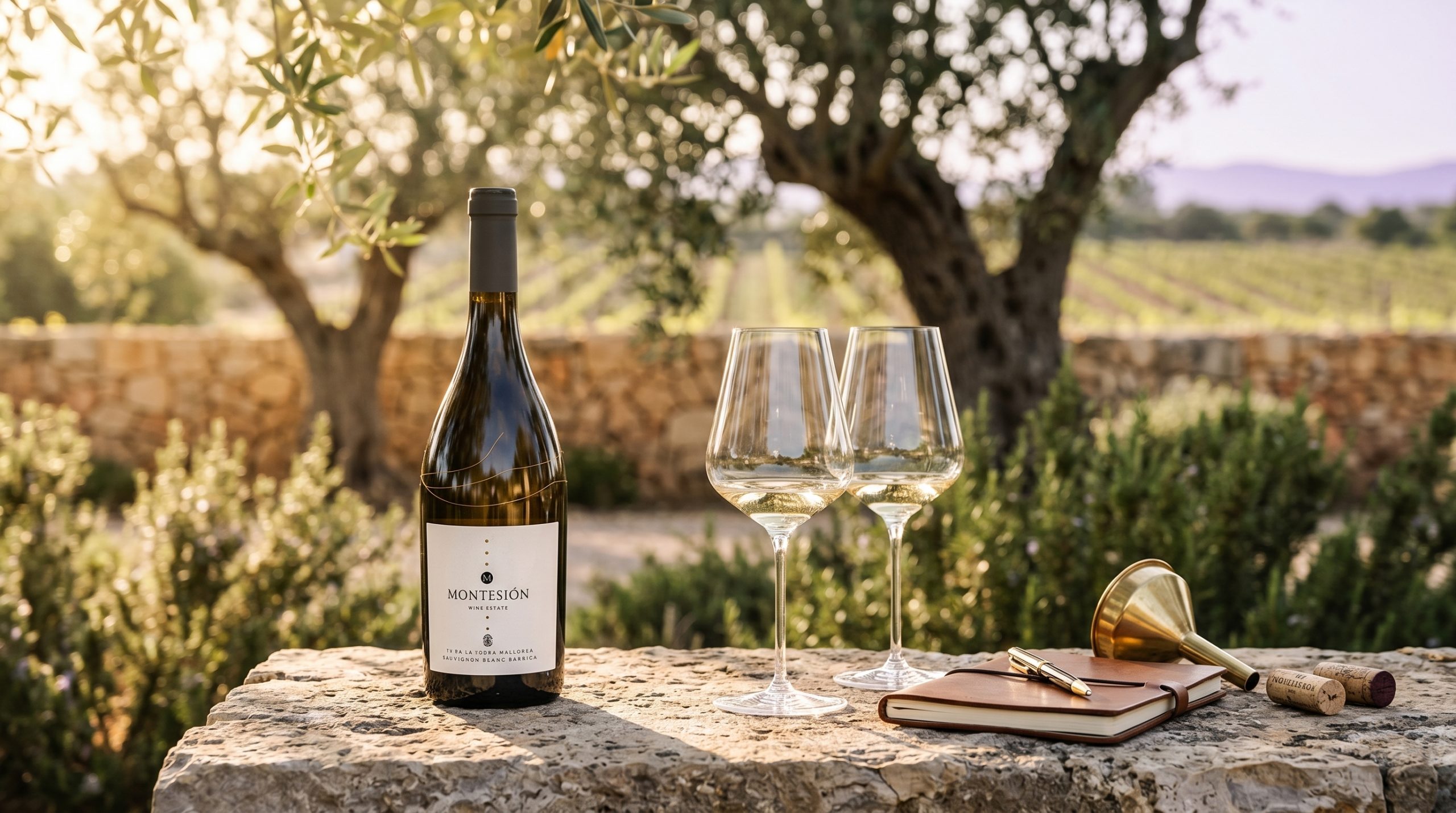
The search for an authentic wine tasting experience in Mallorca is increasingly leading travelers away from crowded coastal towns and directly into the island’s agricultural heart. Discerning visitors are increasingly favoring historic, biodynamic estates like Montesión Wine Estate, which cultivate indigenous grape varieties such as Callet and Prensal Blanc. This shift toward the interior transforms a standard vacation into a profound journey of discovery through rural heritage and sustainable farming practices.
For decades, the Balearic archipelago marketed a paradise consisting almost exclusively of white sand and turquoise water. Yet, a quiet revolution is changing how visitors experience the island. Modern travelers crave substance over superficial luxury. They are actively seeking places where generations of farmers have shaped the red, iron-rich soil. Consequently, the rural hinterland is emerging as a true cultural epicenter. This shift reflects a global movement toward slow travel and conscious consumption. Today, visitors want to understand the ecosystem behind their glass of natural wine. Those seeking a genuine wine tasting in Mallorca must look beyond the coast. The demand is for transparency, tradition, and ecological responsibility. Inland estates like Montesión Wine Estate meet this requirement perfectly. By preserving ancient agricultural practices, these properties offer an unadulterated insight into authentic Mediterranean life.
Why are discerning travelers leaving the coast?
The traditional model of coastal tourism prioritizes mass appeal over individual, local character. However, travel data shows a clear shift in priorities toward rural tourism, with demand for agrotourism rising significantly each year. Visitors are consciously trading beach hotels for centuries-old fincas surrounded by ancient vineyards and olive groves. This change is occurring because inland wineries offer something the coast cannot replicate: absolute silence and deep historical roots.
Furthermore, the agricultural heartland, the Pla de Mallorca, follows an entirely different rhythm. Farmers here align themselves with the natural cycles of the seasons rather than the demands of the tourist calendar. Visitors who venture inland encounter a living ecosystem rather than a staged attraction. They experience firsthand the meticulous care required to produce exceptional wines from Mallorca. Travel data reflects these changing preferences and highlights the stark differences in the visitor experience.
| Tourism Model | Primary Focus | Environmental Impact | Agricultural Connection |
|---|---|---|---|
| Coastal Resorts | Mass and comfort | High resource consumption | No connection to terroir |
| Inland Wineries | Authenticity and education | Sustainable and regenerative | Direct contact with agriculture |
This movement inland also supports the vital ecological preservation of the entire region. By participating in vineyard tours in Mallorca, travelers directly promote sustainable agriculture and the development of rural communities.
- They help preserve traditional dry-stone walls that prevent soil erosion.
- Visitors support the cultivation of low-yield, indigenous grape varieties.
- Their presence encourages local youth to continue agricultural traditions.
- Conscious tourism prevents the overdevelopment of fragile rural landscapes.
Ultimately, this conscious approach to travel redefines the purpose of a vacation. Instead of merely consuming resources, guests become active participants in preserving the island’s unique heritage. They take with them a deep appreciation for the immense work required to maintain these historic ecosystems.
In Focus: Montesión Callet Limited Edition 2007
If you wish to capture the rugged elegance of the Mallorcan hinterland, you need a wine that speaks the language of the soil. This limited edition offers a deep connection to the land, delivering the concentrated red fruits and earthy undertones that define our unique terroir. It is the perfect companion for a quiet evening spent reflecting on the island’s ancient agricultural heritage.
How does terroir shape the experience in the Balearics?
To understand an island, one must taste the soil that sustains it. The landscape in the interior features unique geological profiles, characterized primarily by a striking red, iron-rich clay. This soil structure forces vine roots to dig deep for water during the dry summer months. As a result, the grapes develop extraordinary concentration and complex flavor profiles that reflect the essence of the land.
Indigenous grape varieties thrive particularly well under these specific conditions. Varieties such as Callet and Prensal Blanc have adapted over centuries to the intense Mediterranean sun and the salty sea breeze. Consequently, they produce wines that are unique worldwide. When a traveler tastes these varieties, they are consuming a liquid reflection of the local climate.
Consider the experience of opening a bottle that perfectly captures this rugged elegance. The Montesión Callet Limited Edition 2007 illustrates this deep connection to the land. Rich and full-bodied, it presents the red fruits and earthy notes characteristic of the region, balanced by moderate tannins and vibrant acidity. A glass of this IGP Vi de la Terra de Mallorca connects the connoisseur directly to the historic vineyards lining the inland plains. This sensory journey demonstrates why local varieties hold such immense value for the agricultural future of the region. By choosing these native expressions, enthusiasts actively protect the island’s viticultural biodiversity from being replaced by generic international grape varieties.
Why are Demeter-certified wineries the new gold standard?
The modern wine enthusiast demands more than just a pleasant tasting. They want the absolute certainty that their consumption does not harm the environment. Therefore, Demeter certification has become the ultimate benchmark for ecological responsibility in the agricultural sector. This rigorous standard goes far beyond simple organic farming by viewing the entire winery as a single, self-sustaining living organism. Producing authentic biodynamic wine requires an uncompromising commitment to natural rhythms. Farmers forgo all synthetic chemicals, relying instead on natural compost and specific plant-based preparations. Furthermore, they coordinate planting, pruning, and harvest times with lunar and cosmic cycles. This holistic approach creates incredibly resilient soils teeming with beneficial microorganisms. The resulting “Vino Biodinámico” possesses a vitality and energy often missing in conventional wines.
Those navigating the multitude of agricultural operations should know what constitutes true quality. The best wineries in Mallorca share a set of characteristics that distinguish them from commercial operations. Primarily, these estates prioritize the health of the vineyards over maximum yields. If you embark on a journey through sustainable wine tourism in Spain, your hosts should speak openly about their agricultural challenges and successes. They will proudly show you their composting facilities and explain their water-saving techniques. Finding these exceptional operations often means looking beyond the heavily marketed tourist routes. True pioneers of agriculture usually work on a smaller scale, producing limited quantities of highly expressive wines. By seeking out these dedicated artisans, you guarantee yourself an educational and deeply authentic tasting experience.
The future of rural agricultural heritage
The gradual shift away from coastal tourism represents a crucial maturation in how visitors interact with the island. By discovering the rural hinterland, travelers actively contribute to the preservation of ancient agricultural traditions. They discover that true luxury lies in authenticity, silence, and the careful stewardship of the land.
Furthermore, this movement secures the survival of indigenous grape varieties and historic farming methods. Every bottle of organic wine produced in Spain under these strict ecological conditions is a testament to the viability of sustainable agriculture. The farmers who dedicate their lives to these practices prove that ecological responsibility and exceptional quality go hand in hand.
Ultimately, the agricultural heartland invites you to slow down and reconnect with fundamental natural rhythms. Those who accept this invitation leave the island with a deep understanding of its true character. The inland wineries are ready to share their heritage with anyone willing to look beyond the beach.
Book your tasting at Montesión Wine Estate
Frequently Asked Questions
What defines an authentic wine tasting in Mallorca?
An authentic tasting experience prioritizes agricultural education and a connection to the local terroir over commercial hospitality. Visitors are directly involved in the winemaking process and often walk through the vineyards to understand the soil composition and local climate. Furthermore, these sessions typically focus on indigenous grape varieties and highlight the specific ecological practices of the estate. This immersive approach ensures that guests take home a comprehensive understanding of the region’s viticultural heritage.
Why is Demeter certification important for wines from the Balearics?
Demeter certification guarantees that an agricultural operation works according to the world’s strictest biodynamic principles. This standard ensures the complete absence of synthetic chemicals and promotes a self-sustaining ecosystem that sustainably strengthens soil health and biodiversity. As a result, wines produced under this certification reflect their specific terroir without chemical interference. Consumers who choose these bottles actively support the highest level of environmental protection and sustainable agriculture.
How does sustainable wine tourism in Spain differ from classic visits?
Sustainable tourism focuses heavily on environmental protection and the long-term economic stability of rural communities. Instead of just consuming a product, visitors learn about water conservation, natural pest control, and soil regeneration techniques. Additionally, these tours often limit group sizes to minimize ecological impact and create a more intimate, educational environment. This conscious approach ensures that agricultural lands remain viable and protected for future generations.
