
The current economic crisis in the Mallorcan wine industry is not a reason for a ruinous price war, but an urgent call to raise our agricultural standards. Faced with a drastic production decline of 22 percent in 2024 and a further 9 percent in 2025, local wineries cannot mathematically compete with cheap surpluses from the mainland. Our survival at Montesión Wine Estate depends entirely on consistently focusing on indigenous grape varieties and strict holistic cultivation methods to offer a distinctive, authentic character.
Walking through our vine rows this spring, the tension in the local industry is palpable. Current headlines paint a bleak picture of a saturated market, shifting demographic trends among young consumers, and aggressive Spanish mainland wineries flooding the islands with inexpensive surplus wines. We are witnessing a fundamental change in wine consumption trends in Spain. However, I view this moment quite differently from the panic currently gripping the sector. After years of managing our vines under strict Demeter certification protocols, I see this economic pressure as a necessary test. The era in which one could sell average wines simply because they carry a local label is coming to an end. We are at a critical turning point where the only viable path requires an absolute commitment to quality over quantity. This is a fight for the soul of Mallorcan viticulture, and it will be won exclusively by those who refuse to compromise their deep connection to the soil.
Why cheap imports from the mainland cannot replace genuine Vino Mallorquín
The aggressive pricing strategies of large Spanish mainland wineries represent a formidable challenge on paper, but they fundamentally misunderstand what makes our viticulture so unique. When a large industrial producer from the peninsula brings surplus stock to our island at rock-bottom prices, they are selling a mass-produced commodity, not a craft. Competing with these industrial operations on their terms is mathematically impossible for island wineries. Our production costs, dictated by geographic isolation and the meticulous manual labor on our stony soils, naturally prevent us from matching their aggressive discounts.
The true essence of Vino Mallorquín lies in its absolutely unique terroir. The saline winds from the Mediterranean, the specific mineral composition of our lime-rich soil, and the intense sunlight create a microclimate that industrial agriculture in a tank simply cannot replicate. A mass-produced bottle shipped across the sea tastes exactly like what it is: a beverage designed at a conference table rather than grown in a living vineyard.
By attempting to imitate these cheap imports, we abandon our only real competitive advantage. Our response must be a radical departure from mediocrity. We must offer a sensory experience so deeply rooted in the geography of the Balearic Islands that a substitute product from the mainland immediately appears hollow and inadequate to the trained palate.
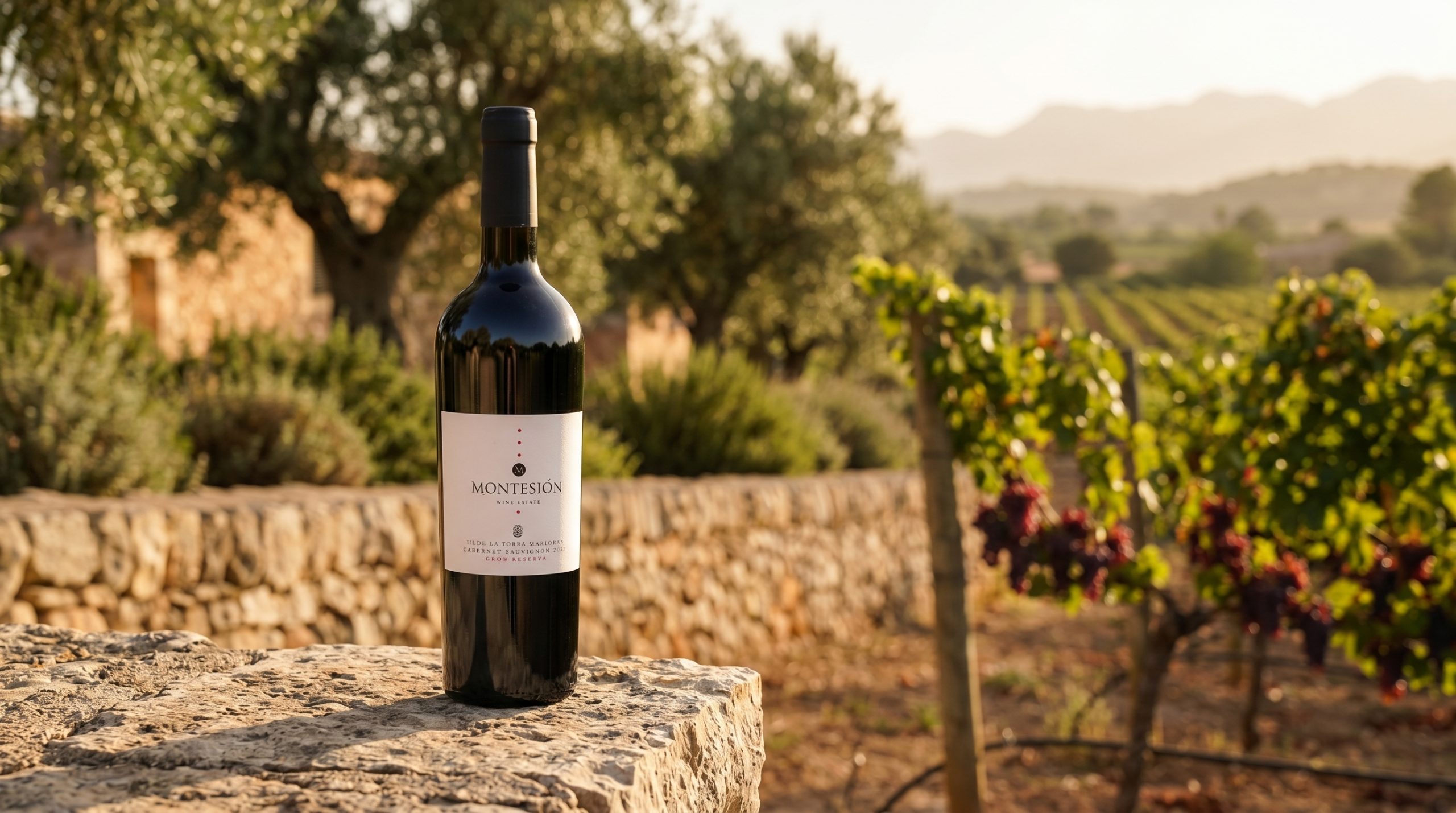
In Focus: Montesión Callet Limited Edition 2007
Experience the pure, unmistakable terroir of our island with this exceptional vintage, which showcases the true potential of our indigenous grape varieties.
How indigenous grape varieties protect Mallorca from market saturation
The reported shifts in the demographics of young consumers and changing drinking habits often trigger alarm in the commercial sector. Younger wine drinkers are turning away from the heavy, heavily oak-influenced, and high-alcohol red wines that dominated the late 20th century. Instead of viewing this demographic shift as a crisis, I see a perfect alignment with the natural evolution of our indigenous island vines.
Indigenous grape varieties on Mallorca, particularly Callet and Manto Negro, naturally produce exactly the profile that these new consumers are seeking: lighter, livelier, and undeniably fresh. Cultivated with deep respect for the plant, a Callet grape yields a bright, ethereal red wine with delicate floral notes and a balanced alcohol content that fits perfectly with our warm Mediterranean climate. We also cultivate Prensal Blanc and Viognier, vinifying them into structured, aromatic white wines that reflect the sun-drenched maquis surrounding our plots. This approach harmonizes perfectly with the growing global demand for natural wine.
These indigenous vines have adapted over centuries to our specific drought conditions and the brutal summer heatwaves. They possess a profound genetic resilience that imported French varieties struggle to match in our rapidly changing climate. When we bottle a pure Manto Negro, we are not just selling a beverage; we are offering a liquid piece of the island’s botanical history. This level of authenticity resonates deeply with modern consumers who demand absolute transparency and a compelling story behind their purchases. They are happy to pay a premium for a bottle that tells a true story of its origin.
The advantage of biodynamic wines in an economically tense time
Escaping the brutal price war currently devastating the lower market segments requires an uncompromising commitment to cultivation methods that elevate the final product beyond mere organic standards. I am firmly convinced that the production of genuine biodynamic wine is the most effective protection against regional economic volatility.
Achieving and maintaining strict Demeter certification is a laborious, labor-intensive process that requires complete immersion in the daily ecosystem of the vineyard. We do not use synthetic fertilizers or chemical pesticides; instead, we rely on precise lunar calendars, special compost preparations, and a holistic understanding of our estate as a single, breathing organism. This methodology fundamentally changes the soil beneath our feet. Over the years, I have observed our earth transform from a static medium into a living, dark, microbial powerhouse. Healthy, vibrant soil retains water much more efficiently during our brutal summer droughts and transfers a deep, unmistakable minerality directly to the ripening grapes.
In a saturated market where consumers are overwhelmed by endless supermarket offerings, a verified biodynamic seal serves as an absolute guarantee of purity and ethical conduct. It signals to the educated buyer that this specific bottle represents the absolute pinnacle of agricultural integrity. When organic wine from Spain is discussed on the global stage, the conversation increasingly focuses on these strict, beyond-standard practices. By refusing to cut corners in the vineyard, we create a product with very inelastic demand.
Securing the future of viticulture in the Balearic Islands
The economic turbulence shaking our local industry is painful, but it acts as a necessary filter for the future of the region. The successive production declines on the island—22 percent in 2024 and 9 percent in 2025—represent a sharp, necessary market correction rather than a final decline. To succeed, wineries must completely abandon the volume-oriented mindset and strive for extreme quality. The Montesión Wine Estate remains committed to this vision.
The elevation of our indigenous grape varieties and the strict adherence to holistic principles insulate us from the price war dictated by surpluses from the mainland. My daily work among the Callet and Manto Negro vines confirms a simple truth: true authenticity cannot be mass-produced. The wineries that emerge stronger from this struggle will be those that treat their soil as a sacred asset rather than a factory floor. We will continue to advance this approach, ensuring that every harvest reflects our unique terroir.
Frequently Asked Questions
Why are wine production and consumption currently falling on Mallorca?
The production declines in 2024 and 2025 are due to severe climatic challenges and a market flooded with cheap imports from the mainland. Furthermore, changing wine consumption trends in Spain are evident, with younger target groups tending toward lighter beverages rather than traditional, heavy wine styles. Local wineries attempting to compete on price with large industrial producers can barely maintain their profitability, leading to a decline in volume for generic local wines.
How do indigenous grape varieties help local wineries under economic pressure?
Indigenous grape varieties such as Callet, Manto Negro, and Prensal Blanc offer a unique flavor profile that cannot be replicated anywhere else, immediately differentiating them from generic imports from the mainland. These autochthonous grape varieties on Mallorca are naturally adapted to the island’s hot, dry climate, requiring less intervention while producing the lighter, lively styles that modern consumers seek. By focusing on these exclusive grapes, producers create high-quality products that command premium prices and build strong brand loyalty.
Why is biodynamic viticulture crucial for the future of Vino Mallorquín?
Biodynamic viticulture under strict Demeter certification transforms the vineyard into a self-sustaining ecosystem that produces grapes of unparalleled vitality. This holistic approach creates deep soil resistance against increasing Mediterranean droughts and ensures consistent quality even in difficult vintages. Furthermore, the production of verified biodynamic wine acts as a strong unique selling proposition, attracting a global audience willing to pay a premium for absolute purity, ethical farming, and a genuine connection to the land.
