
A biodynamic wine calendar dictates every vineyard task by tracking lunar movements to optimize vine health. Farmers schedule pruning during descending moons to minimize sap loss and harvest during ascending moons for maximum aromatic expression. This precise system transforms mystical concepts into practical, labor-intensive agriculture that yields exceptionally resilient grapes at Montesion Wine Estate.
Walking through a high-altitude vineyard at dawn reveals a rigorous choreography dictated by celestial mechanics. Farmers wait for the exact lunar phase that pushes vine sap toward the root system before pruning. This method replaces chemical interventions with intense observation and physical labor. The demand for organic wine and global biodynamic bottles expands at an annual rate exceeding 14 percent, reflecting a profound consumer shift toward ecological transparency. Drinkers increasingly want to understand the exact mechanics behind their favorite bottles. Therefore, demystifying these practices reveals a fascinating intersection of ancient astronomical observation and modern agronomy. Readers will discover exactly how lunar cycles shape daily viticulture at Montesion Wine Estate.
How Does the Moon Actually Influence Sap Flow in Grapevines?
Understanding the gravitational pull of the moon requires looking past folklore and observing fluid dynamics within the plant. Just as lunar gravity moves oceans to create tides, it exerts a measurable influence on the water inside living vines. During an ascending moon, sap rises forcefully into the upper canopy, filling leaves and swelling grape clusters. Conversely, a descending moon draws sap back down into the root system, allowing the upper plant to rest.
Therefore, vineyard managers time their most invasive tasks around these internal fluid shifts. Pruning a vine during an ascending moon causes excessive bleeding, weakening the plant and inviting fungal disease. Instead, farmers wait for the descending phase when the sap safely resides underground. This simple mechanical reality forms the backbone of the biodynamic wine calendar.
Furthermore, market data highlights the growing commercial viability of these labor-intensive methods. Recent industry analyses indicate that Demeter-certified vineyards now cover more than 200,000 hectares globally. This impressive expansion demonstrates that working alongside natural cycles produces consistent, high-quality yields rather than unpredictable results. Ultimately, timing agricultural interventions to match sap flow reduces vine stress and completely eliminates the need for synthetic healing agents. Indeed, this exact precision ensures long-term vineyard viability and consistent crop health.
What Are the Four Essential Phases of Moon Cycles in Viticulture?
The biodynamic calendar divides every month into four distinct categories based on the moon’s position relative to specific zodiac constellations. Each category corresponds to an elemental force-earth, water, air, or fire-and directs energy to a different part of the vine. Consequently, vineyard teams must meticulously plan their weekly labor schedules around these shifting windows.
Root days occur when the moon passes through earth signs, directing the vine’s energy underground. Farmers use these periods for planting new vines, applying compost, and plowing the soil. Next, leaf days align with water signs, stimulating foliage growth and chlorophyll production. During these windows, viticulturists focus entirely on canopy management.
Meanwhile, flower days happen under air signs, promoting blossom development and aromatic complexity. Vineyard workers leave the vines alone during these days to allow undisturbed pollination. Finally, fruit days correspond to fire signs, concentrating energy into the grape clusters themselves. Harvesting during a fruit day maximizes sugar concentration and flavor intensity.
| Lunar Day Type | Elemental Force | Plant Focus | Ideal Vineyard Tasks |
|---|---|---|---|
| Root Day | Earth | Root system | Planting, pruning, fertilizing soil |
| Leaf Day | Water | Canopy | Watering, applying foliar sprays |
| Flower Day | Air | Blossoms | Resting the vineyard, allowing pollination |
| Fruit Day | Fire | Grape clusters | Harvesting, tasting, bottling |
This structured approach to moon cycles viticulture demands immense discipline from the entire farming team.
Why Does High-Altitude Biodynamic Farming in Mallorca Demand Extreme Precision?
Cultivating indigenous grapes on an island presents unique climatic challenges that define Balearic Islands wine production. High-altitude vineyards in Mallorca experience intense solar radiation during the day and sharp temperature drops at night. Because of these extremes, vines face constant environmental stress that conventional farming usually masks with synthetic chemicals. However, biodynamic farming mallorca relies entirely on the plant’s natural resilience to survive these harsh conditions.
Therefore, aligning vineyard operations with lunar rhythms becomes a critical survival strategy rather than a philosophical choice. Indigenous varieties like Callet possess thin skins and delicate aromatic profiles that require careful handling throughout the growing season. If a farmer prunes these vines at the wrong time, the resulting sap loss can permanently stunt the plant’s development.
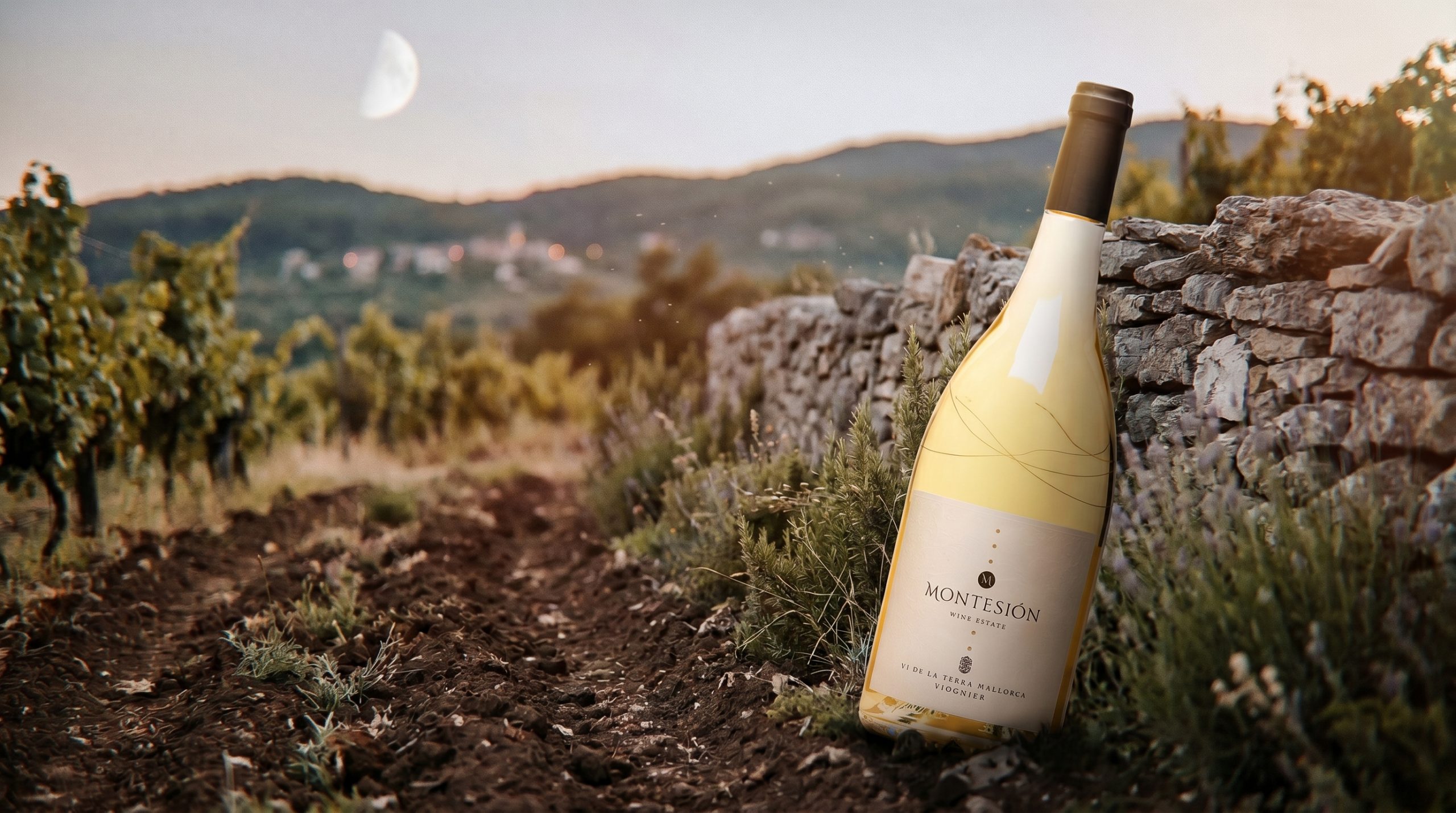
Moreover, the rocky, limestone-rich soils at high elevations drain water rapidly, making root health absolutely paramount. Cultivators must maximize root days to encourage deep subterranean growth, allowing the vines to access hidden moisture reserves. This intense focus on terroir and timing culminates in exceptional expressions of Mallorca wine. For instance, the Montesión Callet Limited Edition 2007 perfectly demonstrates how rigorous lunar alignment captures the raw, earthy essence of the island. Every bottle reflects hundreds of calculated decisions made under specific celestial conditions.
Does Planting by the Moon Really Change the Wine in Your Glass?
Skeptics often question whether these meticulous astronomical observations actually translate into a superior tasting experience. The answer lies in the fundamental health of the soil and the resulting vitality of the harvested fruit. Vines grown under strict Demeter certification develop deeper root systems and thicker skins compared to conventionally farmed plants. Consequently, these robust grapes contain higher concentrations of natural yeasts, tannins, and aromatic compounds.
When winemakers press grapes harvested on a fruit day, the resulting juice exhibits remarkable stability and energetic expression. The fermentation process begins naturally, driven entirely by the wild yeasts cultivated in the balanced vineyard ecosystem. Furthermore, tasting natural wine according to the calendar also influences human perception of flavor. Many industry professionals note that wines taste significantly more expressive and harmonious on fruit or flower days.
Conversely, tasting the exact same bottle on a root day often yields muted aromas and a disjointed palate. While this phenomenon seems inexplicable, it aligns perfectly with the broader philosophy of planting by the moon wine production. Everything from the vine’s initial growth to the final sensory experience remains connected to the same natural rhythms. Ultimately, this holistic approach produces authentic, vibrant wines that vividly communicate their specific origin.
The Enduring Value of Celestial Agriculture
Understanding the lunar rhythm transforms our perception of viticulture from a mechanical industry into a biological partnership. By respecting the natural ebb and flow of sap, farmers cultivate remarkably resilient vines capable of withstanding environmental extremes. Furthermore, dividing labor into root, leaf, flower, and fruit days ensures that every agricultural intervention serves a specific biological purpose. This rigorous framework replaces chemical reliance with intense observation.
Ultimately, these practices offer a highly effective blueprint for sustainable agriculture. High-altitude vineyards specifically benefit from this approach, as harsh conditions require plants with deep roots and robust immune systems. When drinkers open a bottle produced under these exacting standards, they experience the direct result of this celestial choreography. The vibrant energy in the glass serves as the ultimate validation of farming by the moon.
Frequently Asked Questions
What is a biodynamic wine calendar?
A biodynamic wine calendar is an agricultural schedule based on the lunar cycle and astrological constellations. It divides the month into root, leaf, flower, and fruit days, dictating exactly when farmers should plant, prune, or harvest. This system optimizes vine health by aligning physical labor with the natural gravitational pull on the plant’s sap.
How does the moon affect grape harvesting?
The moon affects grape harvesting by influencing the flow of fluids within the vine. Harvesting during a fruit day, which occurs when the moon is in a fire sign, maximizes the concentration of sugars and aromatic compounds in the grapes. This timing ensures the harvested fruit possesses optimal vitality for fermentation.
Can you taste the difference in biodynamic wine?
Many experts agree that biodynamic wines exhibit greater aromatic complexity, vibrant acidity, and a clearer expression of terroir. Because the vines develop deeper roots and rely on natural immunities, the grapes contain richer flavor profiles and stronger indigenous yeasts. This holistic farming approach generally produces a more energetic and structurally balanced wine.
