
Understanding the mallorca wine terroir requires looking directly at the earth beneath the vines at Montesion Wine Estate. The island’s signature red clay, known locally as call vermell, imparts a distinct structural minerality to the grapes grown here. This iron-rich foundation interacts with salty sea breezes to create wines with unmistakable earthy undertones and vibrant acidity. Ultimately, the geology of the Balearics dictates the sensory profile of every bottle.
Geological records show that the Balearic archipelago emerged from the Mediterranean Sea millions of years ago. Today, this prehistoric foundation is covered by a striking layer of crimson earth. Wine enthusiasts constantly seek out bottles that express a genuine sense of place. However, identifying exactly how dirt translates into flavor often remains a mystery. The secret lies in the specific mineral composition of the vineyard. Because roots struggle through compacted clay to reach deep water reserves, the resulting fruit develops concentrated characteristics. Specifically, indigenous grape varieties have adapted over centuries to thrive in this exact environment. Therefore, tasting a true island wine means experiencing the geological history of the region. Readers will discover how specific soil compounds shape aroma, texture, and taste profiles.
What Makes Call Vermell Soil So Unique for Viticulture?
The visual impact of a Mallorcan vineyard is immediate and striking. Vivid crimson earth contrasts sharply with the green canopy of the vines. This distinctive call vermell soil gets its intense coloration from high concentrations of iron oxide. Furthermore, the physical structure of this dirt presents a fascinating challenge for agriculture. The top layer consists of heavy clay that hardens under the summer sun. Consequently, vine roots must push deep into the subsoil to find vital moisture trapped against the limestone bedrock below.
This struggle for survival is exactly what produces exceptional fruit. Vines planted in rich environments tend to produce watery grapes. Conversely, the stress induced by iron-rich clay forces the plant to focus energy on reproduction. As a result, grape clusters remain exceptionally small, yielding highly concentrated juice.
Understanding the precise makeup of the vineyard floor helps explain the final product. The soil profile contains three main elements influencing vine growth. First, iron oxide provides the red color and contributes to earthy notes. Second, calcium carbonate from the underlying limestone maintains high acidity levels. Finally, microscopic clay particles retain water during dry spells, allowing vines to survive droughts. Together, these components create an ideal environment where indigenous varieties truly flourish.
How Does the Mediterranean Microclimate Shape the Harvest?
Geology alone cannot explain the full character of an island harvest. The surrounding ocean acts as a massive thermal regulator for the entire region. Sea breezes sweep across the vineyards daily, bringing crucial ventilation to the grape clusters. Indeed, this constant airflow is a defining feature of balearic islands viticulture. The wind prevents excess moisture from accumulating on leaves, naturally reducing the risk of fungal diseases. Therefore, this specific climate makes the region an ideal location for producing exceptional organic wine Spain is known for globally.
Temperature variations between day and night also play a critical role in flavor development. Intense daytime heat builds sugar and potential alcohol in the fruit. Meanwhile, cooler evening temperatures preserve essential volatile aromatic compounds. Without this nocturnal cooling effect, resulting wines would taste flat and overly alcoholic.
Living on an island means the sea is always present in the atmosphere. Coastal winds carry microscopic salt particles inland, depositing them directly onto grape skins. This phenomenon creates a fascinating dynamic during fermentation. The salt residue integrates into the must during the crushing process. Next, yeast strains interact with these trace minerals while converting sugar to alcohol. Ultimately, the finished wine exhibits a subtle, mouth-watering saline finish that elevates the overall tasting experience.
Can You Actually Taste Iron and Minerality in the Glass?
Connecting physical soil to the sensory experience of drinking requires careful attention. Many people wonder if they literally taste minerals when taking a sip. Scientifically, roots do not absorb intact flavor molecules from rocks. Instead, soil composition dictates how the vine metabolizes nutrients and synthesizes organic compounds. These compounds eventually translate into specific aromas and textures during fermentation.
Classic mediterranean wine characteristics often include notes of wild herbs, sun-baked earth, and a distinct textural grip. When vines grow in iron-rich clay, resulting wines frequently display savory or rusty aromatic profiles. Furthermore, structural tannins tend to feel powdery rather than harsh. This is particularly evident when working with native grapes like Callet, which are genetically adapted to express this specific terroir.
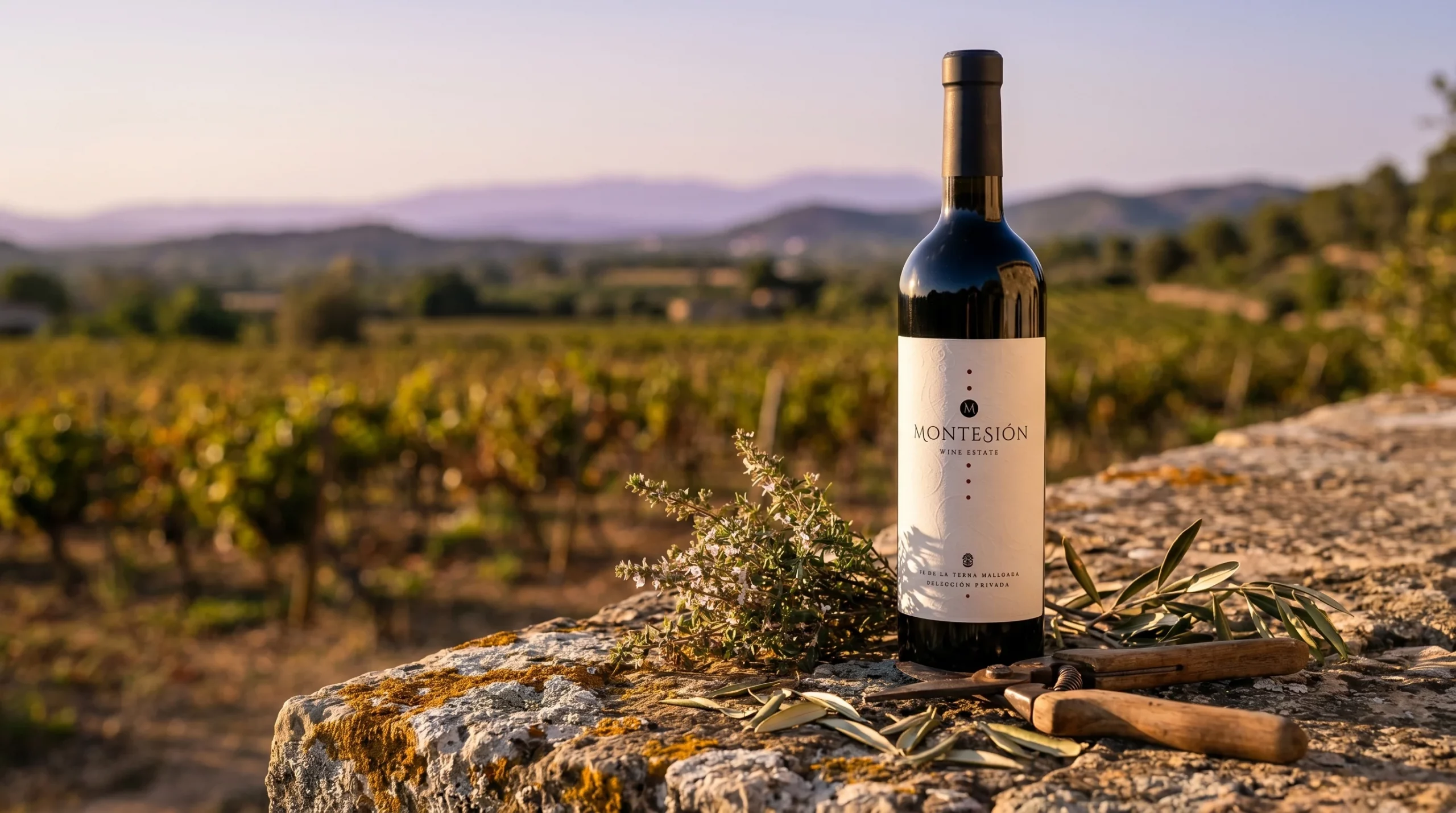
To truly understand this connection, one must experience a wine acting as a pure conduit for the soil. For instance, pouring a glass of Montesión Callet Limited Edition 2007 reveals exactly how these geological elements harmonize. The rich profile showcases red fruits grounded by deep earthy undertones. Moderate tannins and bright acidity reflect the struggle of roots pushing through compact clay to reach limestone below.
The clarity of this terroir expression depends heavily on agricultural methods. Conventional farming often uses synthetic fertilizers obscuring the natural soil signature. In contrast, producing authentic biodynamic wine at Montesion Wine Estate ensures the earth remains alive and communicative. Achieving strict Demeter certification requires treating the vineyard as a self-sustaining ecosystem. This holistic approach explains why true vino biodinámico offers the most transparent window into the island’s geological soul.
The Enduring Legacy of Island Terroir
The journey from ancient marine limestone to a finished bottle of wine is a masterpiece of natural engineering. Understanding this process transforms a simple beverage into a profound sensory experience. The iron-rich red clay provides a challenging foundation forcing vines to produce concentrated fruit. Simultaneously, constant maritime winds regulate temperatures and deposit trace amounts of sea salt directly onto the grapes. Indigenous varieties serve as perfect biological translators for these environmental factors.
A true sense of place cannot be manufactured in a cellar. It must be carefully cultivated in the vineyard through respectful farming practices. When a winemaker chooses to work in harmony with the local ecology, the resulting wine becomes a liquid photograph of the landscape. The natural wine movement continues to thrive because drinkers crave this exact authenticity. Ultimately, every glass poured is an invitation to taste the vibrant history of the Balearic earth.
Frequently Asked Questions
What defines the Mallorca wine terroir?
The Mallorca wine terroir is defined by ancient limestone bedrock, iron-rich red clay topsoil, and a maritime microclimate. The soil forces vine roots to dig deep for water, resulting in highly concentrated fruit. Additionally, constant sea breezes regulate vineyard temperatures and deposit trace amounts of salt on the grapes. This environment produces wines with vibrant acidity, earthy undertones, and a signature saline finish.
Why is call vermell soil important for winemaking?
This soil is crucial because its high iron oxide content and compact clay structure create ideal stress conditions for vines. The clay retains essential moisture during dry island summers, allowing plants to survive without artificial irrigation. Vines focus energy on producing small, flavor-packed grape clusters rather than excessive foliage. Consequently, wines grown in this earth exhibit profound structural minerality and complex savory aromatic profiles.
How does the Mediterranean Sea affect vineyard grapes?
The Mediterranean Sea acts as a thermal regulator preventing vineyards from overheating during intense summer days. Daily coastal winds provide essential ventilation, keeping grape clusters dry and protected from fungal diseases. These breezes carry microscopic salt particles inland, lightly coating grape skins before harvest. This natural seasoning integrates during fermentation, giving the final wine a subtle salinity balancing ripe fruit flavors.
What makes indigenous Mallorcan grape varieties special?
Indigenous Mallorcan grape varieties have evolved over centuries to thrive in the island’s specific geological conditions. These native plants possess natural genetic resistance to local climate stressors, including intense heat and prolonged droughts. They uniquely translate the iron-rich clay and limestone soils into distinct flavors international varieties often fail to capture. As a result, they produce authentic wines reflecting the true character of the archipelago.
