
Evaluating any demeter certified wine spain produces requires looking far beyond standard organic labels into rigorous ecological farming. This globally recognized certification demands that vineyards operate as self-sustaining ecosystems, completely eliminating synthetic chemicals while integrating animals and specific compost preparations. Consequently, the resulting wines from Montesion Wine Estate capture the purest expression of their native terroir, offering consumers an authentic taste of the Mediterranean landscape.
Global demand for authentic ecological agriculture has transformed the Mediterranean wine landscape over the past decade. Conscious consumers increasingly seek out bottles that reflect genuine environmental stewardship rather than mere marketing claims. Therefore, the distinction between basic organic practices and full biodynamic integration matters immensely to the modern palate.
A vineyard functioning as a closed-loop ecosystem produces healthier vines and more resilient grapes. Specifically, the Balearic Islands present unique climatic challenges that test a winemaker’s commitment to natural processes. Summer heat and limited rainfall require innovative approaches to moisture retention and soil vitality. As a result, estates like Montesion Wine Estate pursuing the highest level of ecological certification must fundamentally rethink their relationship with the land. These rigorous standards elevate both the local biodiversity and the final liquid in the glass.
What Drives the Demand for Demeter Certified Wine in Spain?
Market dynamics clearly indicate a massive shift toward holistic agricultural practices across the Iberian Peninsula. Specifically, long-term industry data reveals that biodynamic vineyard acreage has expanded by roughly 15% annually across major European wine regions. Spain now ranks among the top global producers of ecological wines. Yet, achieving the Demeter standard remains an exclusive tier.
This prestigious label requires profound dedication from the viticulturist. Furthermore, European consumers actively drive this trend by prioritizing environmental transparency. They willingly pay a premium for bottles that guarantee zero synthetic intervention. Consequently, vineyards must adapt to these elevated expectations or risk losing market relevance. The global market for demeter certified wine spain exports has expanded significantly as a direct result.
The certification process itself acts as a rigorous filter for quality and commitment. For instance, estates cannot simply substitute chemical fertilizers with organic ones. Instead, they must cultivate deep soil health through active biological management. This approach ultimately builds a more robust agricultural economy. Meanwhile, the resulting wines demonstrate exceptional clarity and site-specific character.
Regional governments also recognize the economic value of these sustainable initiatives. Consequently, they offer support for vineyards transitioning away from conventional farming. This institutional backing further accelerates the adoption of rigorous ecological frameworks across the country.
How Do Biodynamic Wine Principles Differ From Standard Organic Farming?
Understanding the hierarchy of ecological farming clarifies why certain bottles stand out in the cellar. While organic farming prohibits synthetic pesticides and herbicides, biodynamic wine principles demand a much deeper ecological integration. Essentially, organic agriculture focuses on what a farmer cannot use. Conversely, biodynamics dictates what a farmer must actively contribute to the land.
The demeter certification requirements mandate that the entire estate functions as a single living organism. Therefore, farmers must integrate livestock, maintain dedicated wildlife habitats, and utilize specific herbal preparations to stimulate soil vitality. These preparations, often made from yarrow, chamomile, and stinging nettle, act as natural catalysts for microbial growth. As a result, the vineyard becomes entirely self-sufficient, requiring zero external inputs for fertilization.
Analyzing the Certification Standards
| Farming Aspect | Standard Organic | Demeter Certified Biodynamic |
|---|---|---|
| Synthetic Chemicals | Strictly prohibited | Strictly prohibited |
| Estate Ecosystem | Encouraged biodiversity | Mandated closed-loop system |
| Soil Treatments | Approved organic fertilizers | Specific homeopathic preparations |
| Biodiversity | Basic cover crops allowed | 10% of land dedicated to wild habitat |
| Winemaking | Sulfites heavily restricted | Minimal intervention, indigenous yeasts only |
Furthermore, the cellar practices under Demeter rules remain exceptionally strict. Winemakers cannot rely on commercial yeasts, enzymes, or aggressive filtration techniques. Consequently, the natural wine produced reflects the exact conditions of the vintage. This uncompromising approach ensures that every bottle serves as a pristine historical record of the growing season.
Why Does Sustainable Viticulture in Mallorca Demand Strict Soil Management?
Island viticulture presents specific environmental hurdles that test even the most experienced farmers. Specifically, the Mediterranean climate delivers intense summer heat and sporadic, heavy rainfall. Therefore, maintaining soil moisture without artificial irrigation requires exceptional agricultural foresight. Biodynamic practices excel in these exact conditions by prioritizing deep humus formation.
Healthy, living soil acts like a massive sponge during the dry season. Moreover, cover crops planted between the vine rows shield the earth from direct sunlight and prevent devastating erosion. When winter rains finally arrive, these complex root systems channel water deep into the limestone bedrock. Consequently, indigenous grape varieties develop profound resilience against prolonged drought conditions. Ultimately, the data proves that the sustainable viticulture mallorca estates practice represents a permanent evolution rather than a passing trend.
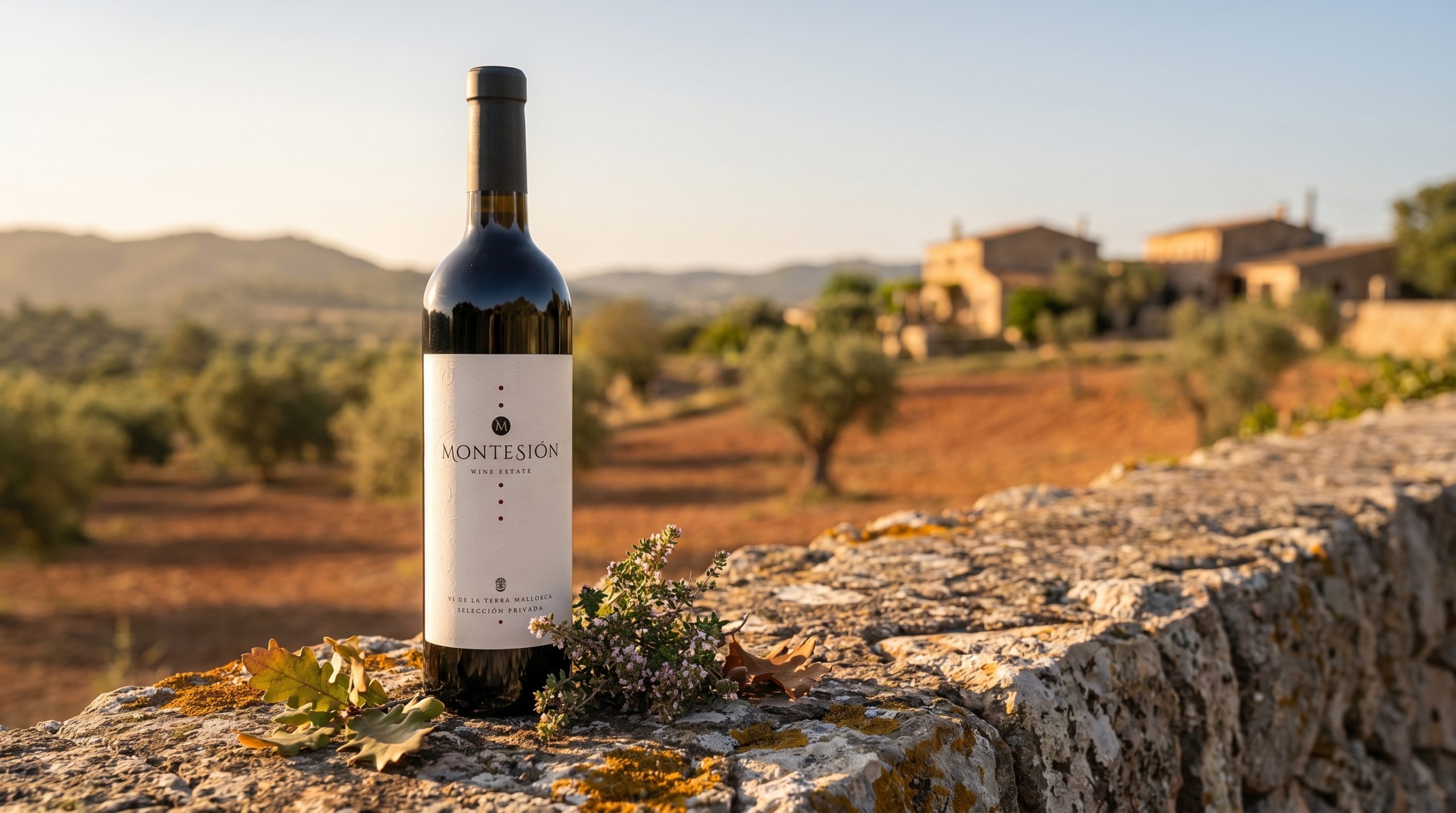
This resilience translates directly into the structural complexity of the final wine. For instance, vines forced to dig deep for nutrients yield smaller, highly concentrated berries. The resulting liquid captures the essence of the island’s mineral-rich earth and saline breezes. A perfect example of this profound terroir expression is the Montesión Callet Limited Edition 2007, which showcases the earthy undertones and moderate acidity characteristic of the region. Indeed, nurturing the native Callet grape through holistic farming reveals aromatic dimensions that conventional agriculture simply obscures. Ultimately, authentic Mallorca wine requires a viticultural approach that respects the fragile island ecosystem.
The Lasting Impact of Ecological Practices on Island Terroir
The transition toward holistic farming fundamentally alters the trajectory of Mediterranean viticulture. First, treating the vineyard as a closed-loop ecosystem guarantees the long-term viability of the soil. Second, eliminating synthetic inputs allows indigenous grape varieties to express their true genetic potential without chemical interference. Finally, the stringent Demeter standards ensure complete transparency for the conscious consumer.
These practices require immense patience and financial commitment from the estate. However, the resulting wines possess an undeniable energetic quality that simply cannot be manufactured in a laboratory. The native flora and fauna return to the vineyards, creating a balanced habitat that naturally regulates pests and diseases. Furthermore, this deep connection to the land preserves the agricultural heritage of the Balearic Islands for future generations. Embracing these ecological frameworks transforms a beverage into a profound reflection of its native landscape.
Frequently Asked Questions
What makes a wine Demeter certified?
A wine receives Demeter certification only when the producing estate adheres to strict biodynamic farming and winemaking standards. Specifically, the vineyard must operate as a self-sustaining ecosystem without synthetic chemicals, utilizing specific homeopathic preparations to build soil health. Furthermore, cellar practices remain heavily restricted, requiring spontaneous fermentation with indigenous yeasts and prohibiting artificial additives or aggressive filtration methods.
Is biodynamic wine the same as natural wine?
While the two categories share similarities, they represent different agricultural and regulatory frameworks. Biodynamic wine follows rigid, internationally recognized certification rules regarding both vineyard management and cellar practices. Conversely, natural wine lacks a formalized global definition, generally referring to a philosophy of minimal intervention without strict agricultural mandates. Therefore, a biodynamic estate guarantees a specific level of ecological integration that natural labels cannot legally promise.
How does biodynamic farming affect the taste of wine?
Holistic farming directly influences the flavor profile by amplifying the specific characteristics of the vineyard’s terroir. Because the vines develop deeper root systems in living, nutrient-rich soil, the resulting grapes possess higher concentrations of minerals and aromatic compounds. Consequently, the wines typically exhibit greater structural complexity, vibrant acidity, and a distinct sense of place compared to conventionally farmed alternatives.
Why is sustainable viticulture important in the Balearic Islands?
The fragile island ecosystem requires careful management to prevent soil depletion and preserve limited water resources. Sustainable viticulture protects the native biodiversity while building drought resistance in the vineyards through natural humus development. Ultimately, these practices ensure traditional grape varieties survive the Mediterranean climate without chemical interventions.
