

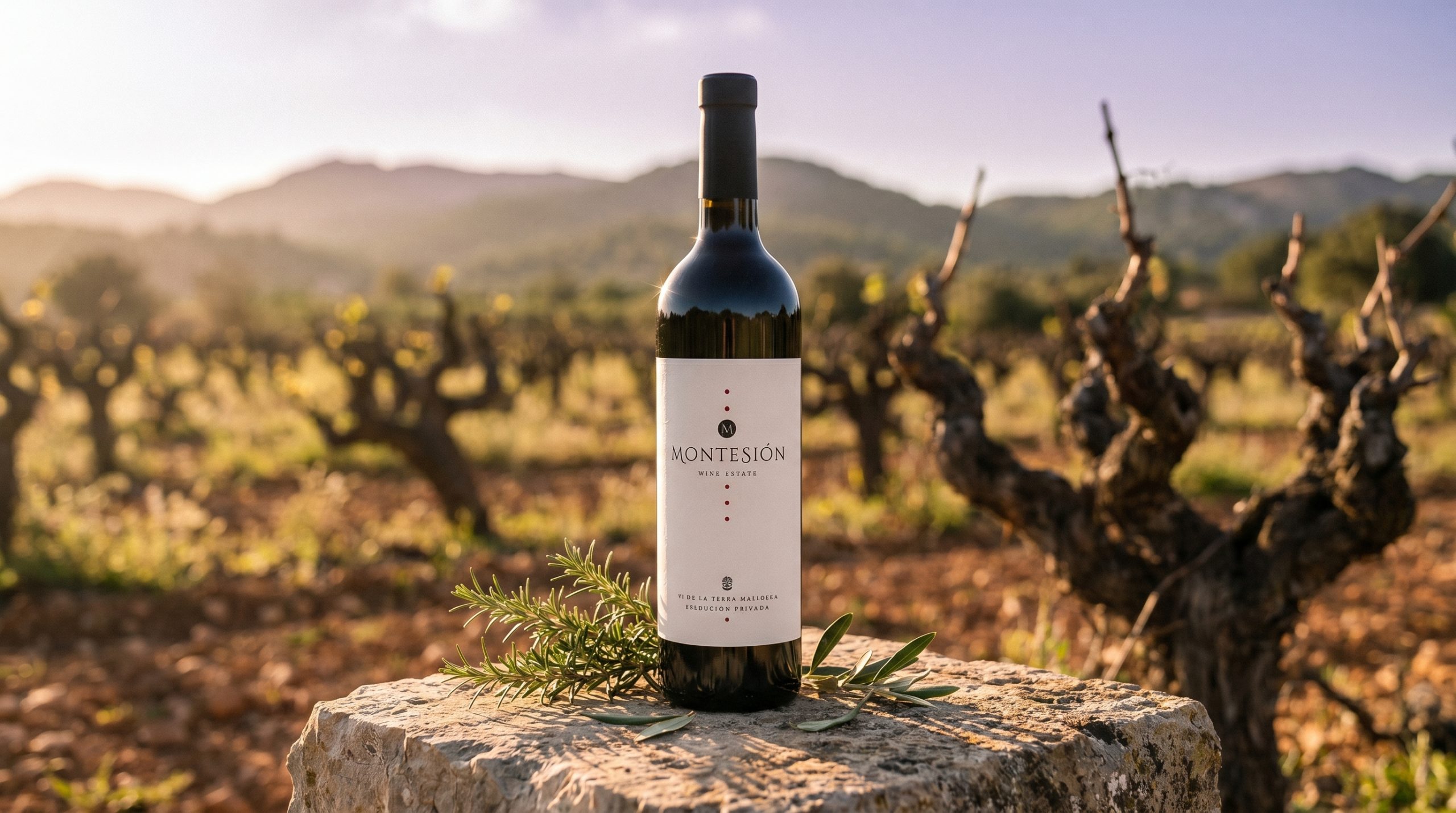
The recent regulatory update to Binissalem wine officially integrates historical grape varieties into the appellation’s framework. Consequently, local producers can now legally cultivate and label these nearly forgotten indigenous vines. This legislative shift directly enhances the aromatic complexity of regional vintages. Furthermore, it answers the growing consumer demand for absolute transparency in wine labeling. Ultimately, the Balearic government’s decision secures a vital competitive advantage for estates like Montesion Wine Estate that champion native biodiversity.
Mallorca possesses a viticultural history predating the Roman empire. For decades, international grape varieties dominated commercial production. Winemakers prioritized familiar French grapes over native vines. Recently, a profound shift occurred across the Mediterranean market. Consumers actively seek authentic, terroir-driven experiences rather than standardized flavors.
Therefore, the local government updated the regulatory framework for the DO Binissalem. This legal modification authorizes the inclusion of ancient vines that once flourished across the island. The change allows vintners to clearly identify these grapes on their bottles. Market data indicates consumer preference for regional authenticity grew by 34% across Europe last year. Consequently, this legislative update arrives at the perfect moment. It provides a structural foundation for estates focusing on natural wine to differentiate their portfolios.
Why Are Historical Grapes Returning to the Vineyard?
The recovery of historical varieties represents much more than a nostalgic nod to the past. Specifically, these ancient vines evolved over centuries to thrive in the unique Mediterranean microclimate. They possess deep root systems adapted to limestone-rich soils and prolonged summer droughts. Consequently, they require significantly less water and chemical intervention than imported international varieties.
Furthermore, cultivating Mallorca indigenous varieties perfectly aligns with modern sustainable agriculture. Estates pursuing Demeter certification, such as Montesion Wine Estate, often rely on these native vines. They naturally resist local pests and diseases. Grape types like Callet and Prensal Blanc demonstrate remarkable resilience against the increasing temperature spikes associated with climate change. This intrinsic hardiness makes them ideal candidates for biodynamic wine production.
Additionally, the global wine market currently experiences a massive shift toward regional specificity. Wine enthusiasts actively reject homogenous flavor profiles. They favor distinct, localized expressions instead. Therefore, integrating historical grapes back into the official registry directly answers this market demand. Winemakers can finally showcase the true, unadulterated taste of the island.
The Science of Soil Adaptation
Native vines interact with the local microbiome differently than foreign transplants. Mycorrhizal fungi in Mallorcan soils form symbiotic relationships with indigenous rootstocks much faster. As a result, the vines absorb essential minerals more efficiently. This biological synergy ultimately translates into a more vibrant, energetic wine in the glass.
How Does the Updated Regulatory Landscape Shift the Market?
Previously, strict appellation rules often forced winemakers to classify exceptional bottles of native blends under generic regional titles. The updated wine labeling regulations fundamentally change this restrictive dynamic. Now, producers can proudly display the names of recovered historical varieties directly on the front label. This transparency builds immediate trust with educated consumers.
Moreover, clear labeling provides a massive competitive edge in the premium wine sector. Retailers and sommeliers rely on accurate bottle information to educate buyers. When a label explicitly details the use of rare Balearic Islands wine grapes, the perceived value of the bottle increases significantly. Industry statistics reveal that wines featuring clearly identified indigenous grapes command a 20% price premium in international export markets.
Consequently, this regulatory update encourages more estates to invest in the costly process of vine recovery. Propagating near-extinct grape varieties requires years of meticulous field research and nursery work. However, the promise of official recognition justifies this intense agricultural investment.
| Regulatory Aspect | Previous Framework | Updated Framework | Market Impact |
|---|---|---|---|
| Grape Varieties | Limited approved list | Includes historical vines | Greater biodiversity |
| Labeling Rules | Generic regional tags | Specific native names | Enhanced consumer trust |
| Aromatic Profile | Standardized parameters | Broader fruity spectrum | Distinct regional identity |
| Market Positioning | Competing on price | Competing on heritage | Higher premium value |
What Does This Mean for the Aromatic Profile of Mallorcan Vintages?
Integrating historical vines dramatically alters the sensory experience of local wines. Many of these ancient grapes naturally produce highly aromatic, fruit-forward profiles with lower alcohol content. Therefore, winemakers can craft elegant, refreshing vintages that perfectly match the warm Mediterranean climate. This shift moves the regional style away from heavy, oak-dominated reds toward vibrant, energetic expressions.
For example, native red varieties often deliver bright notes of wild cherry, Mediterranean herbs, and subtle earthy undertones. These grapes provide a brilliant foundation for organic wine Spain production. Their inherent acidity preserves freshness without chemical additives. Furthermore, blending these historical vines with established local grapes creates unprecedented layers of complexity. The resulting wines offer a tasting experience entirely unique to the island’s terroir.
Consider the profound depth achieved when indigenous grapes are handled with absolute respect for their origins. The Montesión Callet Limited Edition 2007 perfectly illustrates this philosophy. Rich and full-bodied, it showcases vibrant red fruits alongside distinct earthy undertones, balanced by moderate tannins and bright acidity. This specific approach to winemaking highlights exactly why the recovery of historical vines matters so deeply to the region’s future.
The Shift Toward Lighter, Expressive Wines
Modern palates strongly prefer wines that offer immediate aromatic pleasure without overwhelming heaviness. The newly approved historical varieties excel in this exact stylistic category. They naturally yield a pronounced fruity aroma that leaps from the glass. Consequently, Mallorca wine continues to build a reputation for elegance, precision, and undeniable drinkability.
Embracing the Future of Indigenous Viticulture
The recent regulatory changes within the Binissalem appellation mark a defining moment for Balearic viticulture. By officially recognizing historical grape varieties, the government has validated decades of hard work by agricultural pioneers. This legislative victory extends far beyond simple administrative updates. It fundamentally reshapes how the world will perceive island wines over the coming decades.
First, the enhanced wine labeling rules provide consumers with the total transparency they demand. Second, the authorized use of ancient vines guarantees a wider spectrum of aromatic profiles. Finally, this shift heavily favors estates committed to sustainable practices. Native grapes naturally thrive without synthetic chemical interventions.
Ultimately, the true winner is the island’s biodiversity. Every historical vine planted secures a piece of agricultural heritage that was nearly lost to commercial standardization. As these ancient grapes take root once again, they promise to deliver vintages of unparalleled authenticity and regional pride.
Frequently Asked Questions
What makes Binissalem wine unique in the Mediterranean region?
Binissalem wine stands out due to its specific island terroir and heavy reliance on indigenous grape varieties. The local limestone soils and constant sea breezes create a unique microclimate that naturally regulates vine temperature. Consequently, these wines typically display bright acidity and vibrant fruit aromas. The recent inclusion of historical grape varieties further deepens this regional exclusivity by offering unique flavor profiles.
How does the recovery of historical varieties benefit the environment?
The recovery of historical varieties directly supports agricultural biodiversity and sustainable farming practices. Native vines evolved over centuries to withstand the specific environmental pressures of the Balearic Islands. Therefore, they require significantly less irrigation and are naturally resistant to many endemic pests. This inherent hardiness makes them perfect candidates for biodynamic farming, drastically reducing the need for synthetic fertilizers in the vineyard.
Why is transparent wine labeling important for modern consumers?
Transparent wine labeling allows buyers to make informed decisions about the agricultural origins and production methods of their purchases. Modern wine enthusiasts increasingly prioritize authenticity over brand prestige. When a label clearly identifies specific Mallorca indigenous varieties, it guarantees a genuine connection to the local terroir. Accurate labeling prevents the misrepresentation of generic blends, ensuring that premium estates receive proper recognition.
Does organic wine from Spain taste different from conventional wine?
Organic wine from Spain often presents a more energetic, terroir-driven flavor profile. Because organic farmers rely on healthy soils rather than chemical inputs, the vines absorb a wider array of localized nutrients. This biological diversity directly translates into complex, nuanced aromas in the finished glass. Additionally, the absence of synthetic residues allows the true characteristics of the indigenous grapes to shine through without artificial masking.
