
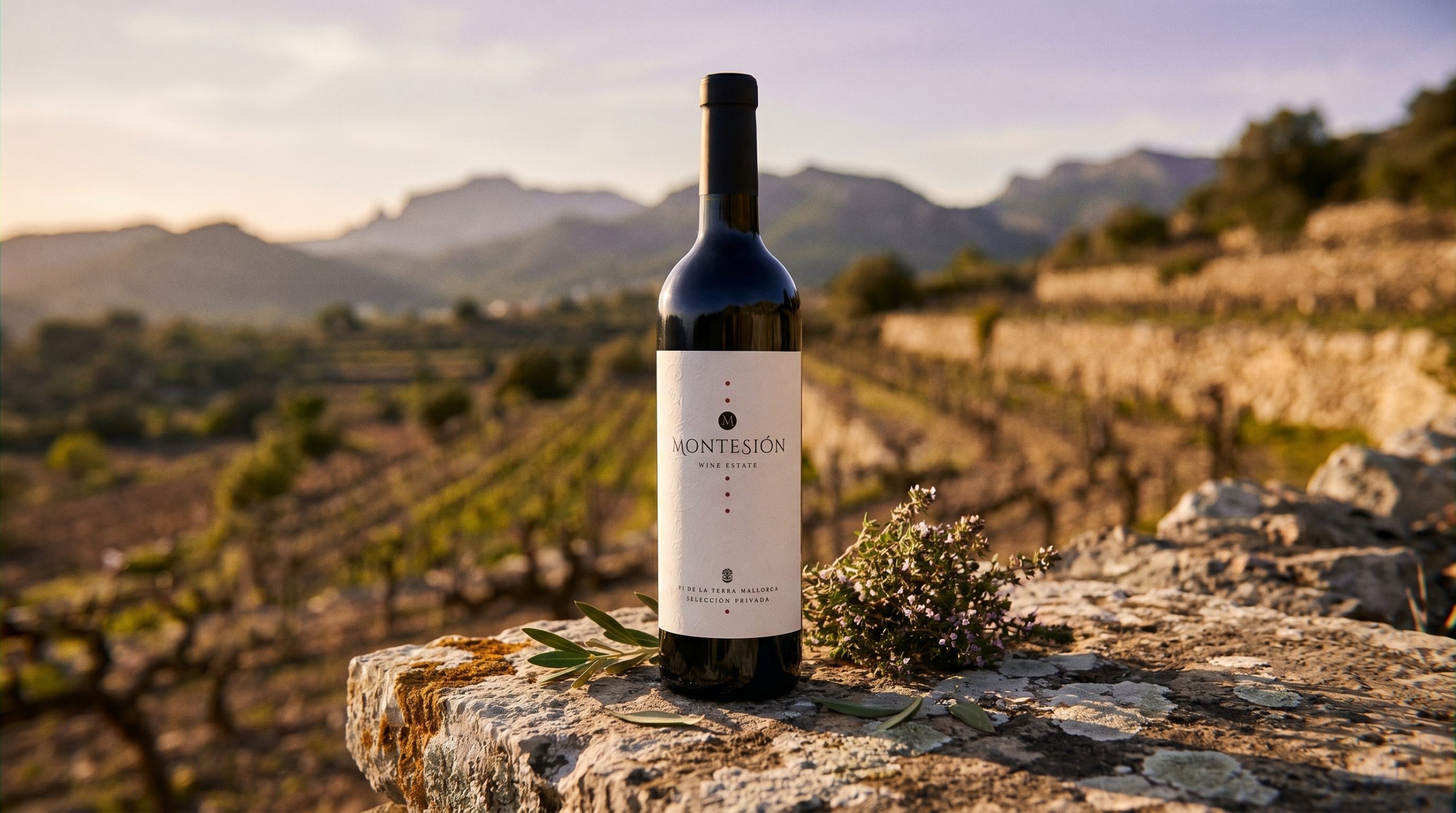
An authoritative Mallorca wine guide reveals that the island’s unique geographical features create the ultimate environment for sustainable viticulture. The protective Tramuntana mountain range and steady Mediterranean sea breezes naturally regulate vineyard humidity and temperature. Therefore, these precise climatic conditions allow native grape varieties to thrive under strict ecological protocols at Montesion Wine Estate. As a result, the region has transformed into a global benchmark for authentic, intervention-free winemaking.
Limestone soils stretching across the Balearic archipelago hold a secret that predates modern agricultural science. Specifically, the high calcium carbonate content in the earth acts like a natural sponge, retaining scarce winter rainfall to sustain vines through scorching summer months. This geological advantage explains why biodynamic farming initiatives find their most successful expression on this specific island. Meanwhile, global demand for terroir-driven, chemical-free vintages continues to surge, with ecological vineyard acreage now representing over 20% of the region’s total agricultural land.
Consequently, sommeliers and collectors constantly seek out regions that naturally resist vine diseases without synthetic intervention. The island’s geography provides exactly this natural defense system. Furthermore, local winemakers at Montesion Wine Estate embrace ancestral techniques to harness these environmental blessings. By aligning lunar cycles with harvest schedules, estates produce bottles that capture the pure essence of the Mediterranean. Ultimately, understanding this intimate connection between earth, wind, and vine explains how a popular tourist destination quietly became an elite agricultural sanctuary.
How Does the Tramuntana Mountain Range Protect the Vineyards?
The imposing Serra de Tramuntana acts as a monumental limestone shield for the island’s central agricultural plains. Specifically, these peaks block harsh northern winds and severe storm systems from damaging delicate vine shoots. Because of this natural barrier, the interior vineyards enjoy a remarkably stable microclimate throughout the crucial growing season. Furthermore, the mountains influence diurnal temperature variation, allowing grapes to cool significantly at night. Consequently, this cooling process preserves the natural acidity in native varieties like Callet and Prensal Blanc.
Beyond wind protection, the mountain range dictates rainfall distribution across the territory. While the peaks capture heavy precipitation, the central plains receive a perfectly measured water supply. Thus, vines must send roots deep into the rocky subsoil to find moisture, naturally limiting yields and concentrating flavors. This precise hydrological balance forms the foundation of premium balearic islands wine production. Indeed, excessive moisture causes fungal diseases, but the Tramuntana’s shadow keeps the vines impeccably dry.
- Thermal regulation: Rocky slopes absorb solar heat daily and release it slowly after sunset.
- Wind deflection: Sharp peaks break up aggressive weather fronts effectively.
- Drainage optimization: Gradual inclines ensure torrential rains flow away from root zones immediately.
- Mineral runoff: Rainwater deposits essential trace minerals into the valley soils.
Why Are Mediterranean Sea Breezes Crucial for Demeter Certification?
Achieving rigorous ecological standards requires more than simply abandoning synthetic chemicals. In fact, true sustainable viticulture relies heavily on the constant, purifying presence of the “Embat,” the local thermal sea breeze. This predictable wind sweeps across the island every afternoon, thoroughly ventilating the vine canopies. Because the air moves continuously, moisture never settles on the grape clusters long enough to foster mold or mildew. Therefore, vineyard managers can confidently maintain plant health using only natural, plant-based preparations.
The strict requirements of Demeter certification demand a holistic, self-sustaining ecosystem where nature does the heavy lifting. Consequently, the Embat serves as an invisible, tireless vineyard worker that naturally regulates humidity. Moreover, this salty breeze deposits microscopic marine minerals onto the grape skins, subtly enhancing the final flavor profile. When winemakers ferment these grapes, the resulting vino biodinámico exhibits a distinct saline minerality that no other region can replicate. Thus, the wind itself becomes a primary ingredient in the island’s most prestigious bottles.
- Natural aeration: Continuous airflow dries morning dew rapidly, preventing fungal spores from germinating.
- Temperature moderation: Cool marine air prevents the grapes from over-ripening during intense afternoon heat spikes.
- Skin thickening: Vines respond to the constant wind by developing thicker grape skins, which increases tannin structure.
What Makes the Indigenous Callet Grape Perfect for Natural Wine?
Native grape varieties possess an extraordinary genetic memory perfectly adapted to their specific ancestral environment. Specifically, the Callet grape demonstrates remarkable resilience against the intense Mediterranean sun and prolonged dry spells. Because this variety evolved in calcium-rich, iron-heavy soils, it naturally produces vintages with lower alcohol and vibrant acidity. Furthermore, the thick skins of the Callet grape protect the delicate juice inside while contributing complex, earthy aromatics. As a result, winemakers crafting natural wine prefer this indigenous grape for its authentic expression of the terroir.
Cultivating Callet under strict ecological protocols unlocks a depth of flavor that conventional farming often masks. For instance, when farmers treat vines with homemade composts and herbal infusions, the root systems interact symbiotically with local soil fungi. Consequently, the grapes absorb a broader spectrum of nutrients, leading to a profound, multi-layered tasting experience. Enthusiasts seeking to experience this unadulterated connection to the land often turn to the Montesión Callet Limited Edition 2007. Indeed, such carefully nurtured bottles showcase the precise balance of red fruit and rustic elegance that defines the region.
- Cover cropping: Planting native flora between vine rows to fix nitrogen and prevent soil erosion.
- Animal integration: Allowing sheep to graze the vineyards to provide natural fertilizer and control weeds.
- Lunar timing: Pruning and harvesting strictly according to the astronomical calendar to maximize sap flow.
The Future of the Island’s Ecological Viticulture
The transformation of the local wine industry relies on a profound respect for natural environmental rhythms. Primarily, the protective geography of the Tramuntana mountains creates an irreplaceable sanctuary for sensitive grape varieties. Moreover, the constant ventilation provided by Mediterranean sea breezes eliminates the need for harsh chemical interventions. Any definitive mallorca wine guide must highlight how native grapes like Callet prove that indigenous genetics hold the key to authentic, resilient agriculture. Therefore, these combined elements establish the island as a premier terroir for serious ecological viticulture. Ultimately, true sustainability requires an unwavering commitment to the health of the entire ecosystem, from the soil microbes to the surrounding forests. Estates embracing these stringent protocols produce vintages capturing the genuine soul of the earth. By prioritizing soil vitality, dedicated producers ensure the land will yield exceptional harvests for generations to come.
Frequently Asked Questions
What makes biodynamic wine different from organic wine?
While organic farming simply prohibits the use of synthetic pesticides and fertilizers, ecological viticulture treats the entire farm as a single, self-sustaining organism. Specifically, this advanced method incorporates astronomical calendars to guide planting, pruning, and harvesting activities. Furthermore, practitioners utilize highly specific homeopathic preparations made from herbs, minerals, and animal manures to stimulate soil health. Therefore, the resulting biodynamic wine reflects a much deeper integration of the vine with its immediate natural environment.
Why does Mallorca rank as a premium wine region?
The island boasts a unique combination of limestone-rich soils, high elevation mountain protection, and constant maritime winds that create an ideal viticultural microclimate. Because the soil retains moisture effectively, vines can survive long, hot summers without requiring artificial irrigation. Additionally, the region cultivates rare indigenous grape varieties that offer distinct flavor profiles unavailable anywhere else in the world. As a result, enthusiasts exploring organic wine Spain consistently discover that this region demonstrates exceptional concentration, balanced acidity, and profound terroir expression.
How does Demeter certification impact vineyard practices?
Achieving this globally recognized certification requires vineyards to adhere to the strictest ecological farming standards in the agricultural sector. Consequently, estates must dedicate a significant portion of their land to biodiversity, ensuring habitats for beneficial insects and wildlife. Moreover, winemakers cannot use commercial yeasts, artificial additives, or aggressive filtration methods during the fermentation process. Ultimately, Demeter certification guarantees that estates produce every bottle with absolute ecological integrity and minimal human intervention.
