
Mallorca wine tourism reaches a milestone this Saturday as the tenth edition of DO Wine Day unites thirty Spanish designations of origin. Local estates across Binissalem and Pla i Llevant, including the renowned Montesion Wine Estate, will host simultaneous collective toasts. These gatherings celebrate the cultural and economic vitality of rural agricultural zones. Therefore, this nationwide initiative highlights how authentic vineyard experiences sustain regional heritage and generate vital revenue.
Rural landscapes face immense pressure from shifting economic realities. However, viticulture provides a resilient anchor for local communities. The upcoming DO Wine Day specifically addresses this dynamic by transforming vineyards into cultural hubs. Visitors gain direct access to the agricultural rhythms that define historic wine regions.
Furthermore, the Balearic Islands represent a unique microcosm within this broader national movement. Island estates must balance limited land availability with growing international demand for authentic agricultural experiences. Consequently, estate visits at Montesion Wine Estate deliver immersive education about soil health, indigenous grape varieties, and historical farming practices.
Meanwhile, travelers increasingly seek out sustainable destinations. This behavioral shift directly supports estates practicing organic and biodynamic agriculture. Indeed, genuine connection to the land drives modern travel decisions. Readers will discover how regional celebrations amplify the deep bond between terroir preservation and economic sustainability.
Why DO Wine Day Energizes Spanish Rural Economies
National viticulture relies heavily on engaged consumers who value agricultural heritage. DO Wine Day mobilizes thirty distinct designations of origin across the country for a synchronized celebration. Specifically, this event features simultaneous toasts designed to elevate the visibility of rural wine-producing zones. These regions depend on agricultural tourism to maintain their historic landscapes and prevent rural depopulation.
Moreover, the economic impact of these initiatives extends far beyond the cellar door. Recent market data indicates that wine tourism Spain attracts nearly three million annual visitors. Consequently, this influx generates approximately eighty-five million euros in direct winery revenue. Furthermore, local restaurants and boutique hotels experience significant secondary financial benefits.
Therefore, strategic events like DO Wine Day serve as vital economic catalysts. Participating estates showcase their distinct regional identities while educating the public about sustainable farming. For instance, visitors learn how traditional harvesting methods protect fragile ecosystems.
The Cultural Impact of Simultaneous Celebrations
Coordinated national events create powerful shared narratives among diverse geographic regions. Although each appellation possesses unique climatic conditions, they all face similar agricultural challenges. Thus, a unified celebration amplifies their collective voice on the national stage.
- Synchronized toasts foster a sense of community among geographically distant estates.
- Educational workshops highlight the transition toward organic wine Spain practices.
- Direct consumer interactions build long-term brand loyalty for rural producers.
- Shared marketing resources increase visibility for smaller vineyard operations.
How Binissalem and Pla i Llevant Define Island Terroir
The Balearic Islands offer a viticultural environment entirely distinct from the mainland. Specifically, the Binissalem and Pla i Llevant designations of origin represent the historical core of Mallorca wine production. These areas benefit from a protective maritime climate and mineral-rich soils. As a result, local winemakers successfully cultivate indigenous grape varieties that thrive nowhere else.
Furthermore, the limestone and red clay soils impart undeniable character to the local harvests. Binissalem traditionally champions the native Manto Negro and Prensal Blanc grapes. Meanwhile, Pla i Llevant frequently highlights the structural elegance of the Callet variety. Therefore, Mallorca wine events naturally focus on these unique flavor profiles to differentiate the island’s offerings.
Additionally, island viticulture requires extraordinary dedication due to limited freshwater resources and intense summer heat. Winemakers must employ meticulous canopy management to protect the ripening clusters from sunburn. Consequently, the resulting vintages demonstrate remarkable concentration and aromatic intensity.
Comparing the Island’s Primary Designations
| Feature | Binissalem DO | Pla i Llevant DO |
|---|---|---|
| Geographic Location | Central-northern foothills of the Tramuntana | Central and eastern plains of the island |
| Primary Soil Type | Calcium-rich brown soils over cracked limestone | Red clay with significant limestone deposits |
| Signature Indigenous Grapes | Manto Negro, Prensal Blanc | Callet, Fogoneu, Premsal Blanc |
| Characteristic Wine Profile | Warm, robust, and deeply fruit-forward | Elegant, aromatic, with distinct minerality |
Indeed, tasting wines from both regions side-by-side reveals the profound impact of subtle elevation changes. Visitors quickly recognize how wind exposure dictates the final expression in the glass.
The Biodynamic Shift in Modern Vineyard Experiences
Modern travelers increasingly demand transparency regarding agricultural practices and environmental stewardship. Consequently, the transition toward biodynamic wine production fundamentally alters the visitor experience. Estates holding a Demeter certification operate under stringent ecological guidelines that treat the vineyard as a self-sustaining organism. Therefore, tours at these properties focus heavily on soil vitality, biodiversity, and lunar agricultural cycles.
Moreover, this holistic farming philosophy entirely rejects synthetic chemicals. Instead, practitioners utilize natural compost preparations and cover crops to nourish the vines. As a result, the deep root systems interact more intimately with the native limestone. This profound connection to the earth translates directly into the structural complexity of the final vintage.
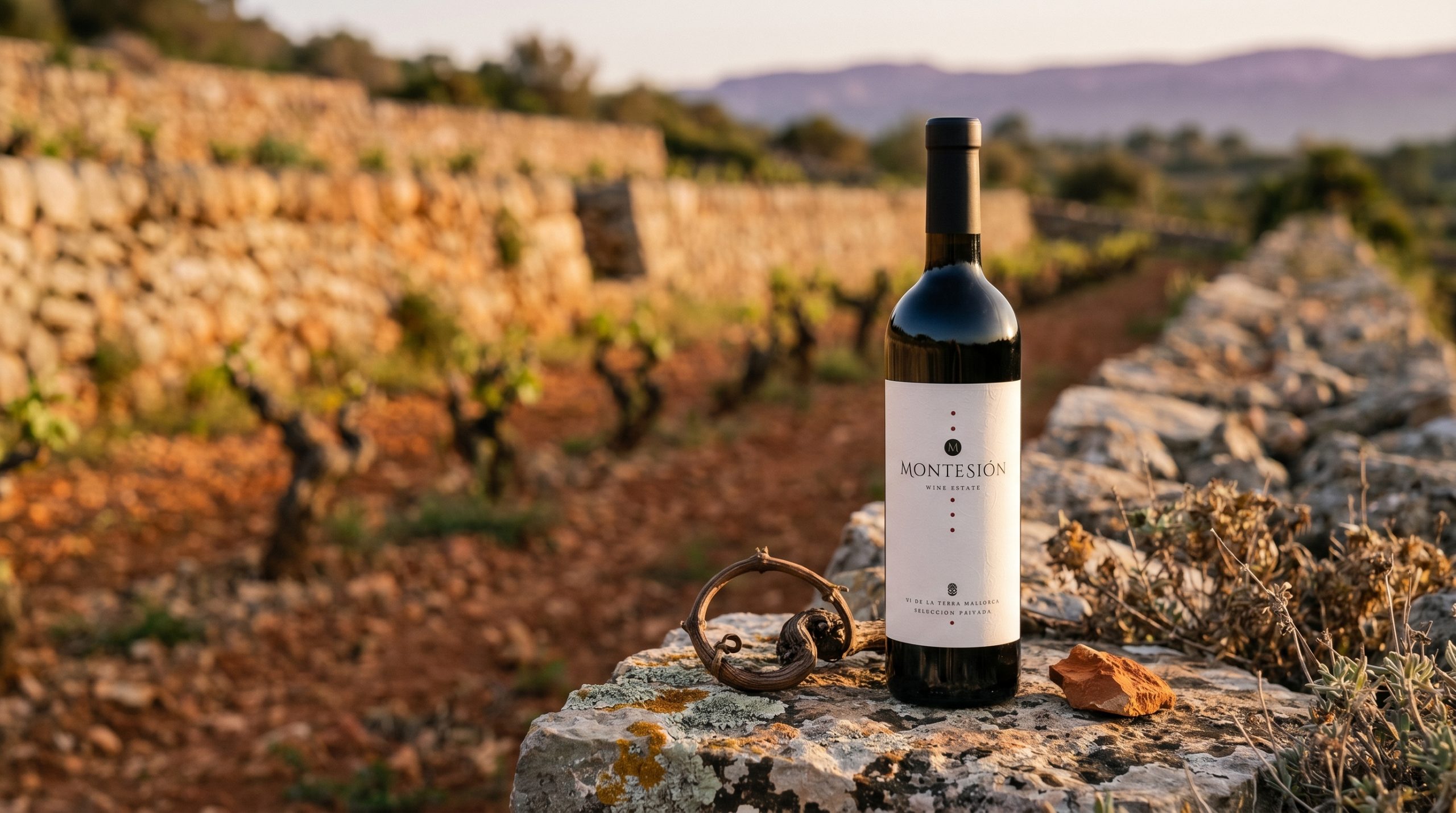
For instance, indigenous varieties like Callet respond magnificently to these regenerative techniques. The absence of chemical interference allows the grape’s natural elegance to emerge without masking its earthy undertones. Enthusiasts seeking this pure expression often discover the Montesión Callet Limited Edition 2007 during specialized cellar tastings. This specific vintage perfectly captures the rich nature of the island’s terroir, showcasing red fruits alongside moderate tannins.
Elevating the Tasting Journey
Authentic agricultural tourism requires estates to bridge the gap between farming theory and sensory enjoyment. Visitors want to taste the tangible difference that ecological farming makes.
- Guided walks through insect-rich cover crops demonstrate active biodiversity.
- Explanations of natural fermentation highlight the importance of native yeast populations.
- Barrel room tastings reveal how minimal intervention preserves delicate aromatic compounds.
Ultimately, these immersive educational moments transform casual visitors into passionate advocates for natural wine production.
Securing the Future of Mediterranean Viticulture
The upcoming DO Wine Day perfectly illustrates the vital connection between agricultural tourism and regional preservation. Specifically, synchronized events highlight the profound economic importance of rural vineyards. Furthermore, these celebrations provide essential platforms for educating consumers about sustainable farming practices.
Moreover, the active participation of Binissalem and Pla i Llevant reinforces the unique identity of island viticulture. The distinct maritime climate and indigenous grape varieties create tasting experiences impossible to replicate elsewhere. Consequently, educated visitors increasingly prioritize destinations that champion authentic winemaking.
Finally, the ongoing shift toward strict ecological standards ensures the long-term viability of these historic landscapes. Estates embracing rigorous organic methodologies actively restore soil health for future generations. Indeed, every informed visitor helps protect the enduring legacy of Mediterranean winemaking.
Frequently Asked Questions
What exactly is DO Wine Day in Spain?
DO Wine Day is an annual synchronized celebration involving roughly thirty Spanish designations of origin. Specifically, participating regions host simultaneous collective toasts and educational activities to promote rural viticulture. Furthermore, the event aims to highlight the critical economic and cultural contributions that historic vineyards provide to local communities.
How does Mallorca wine tourism differ from mainland experiences?
Island viticulture faces unique geographic constraints that foster highly specialized, boutique production methods. Additionally, visitors encounter rare indigenous grape varieties like Callet and Prensal Blanc that rarely grow outside the Balearics. Moreover, the intimate scale of local estates often allows for highly personalized tours focused on unique maritime microclimates.
Why is Demeter certification important for regional vineyards?
Demeter certification guarantees that an estate strictly follows internationally recognized biodynamic farming principles. Therefore, vineyards must operate as closed-loop ecosystems without relying on synthetic fertilizers or chemical pesticides. Consequently, this rigorous methodology promotes intense soil biodiversity, which ultimately produces healthier vines and more authentic expressions of the local terroir.
What defines the flavor profile of the Callet grape?
Callet typically produces elegant, aromatic red wines with moderate alcohol levels and soft acidity. Specifically, the variety frequently showcases vibrant red fruit notes layered with distinct earthy or mineral undertones. Furthermore, when cultivated using minimal intervention techniques, this indigenous grape perfectly translates the calcium-rich soils of the island into the glass.
