

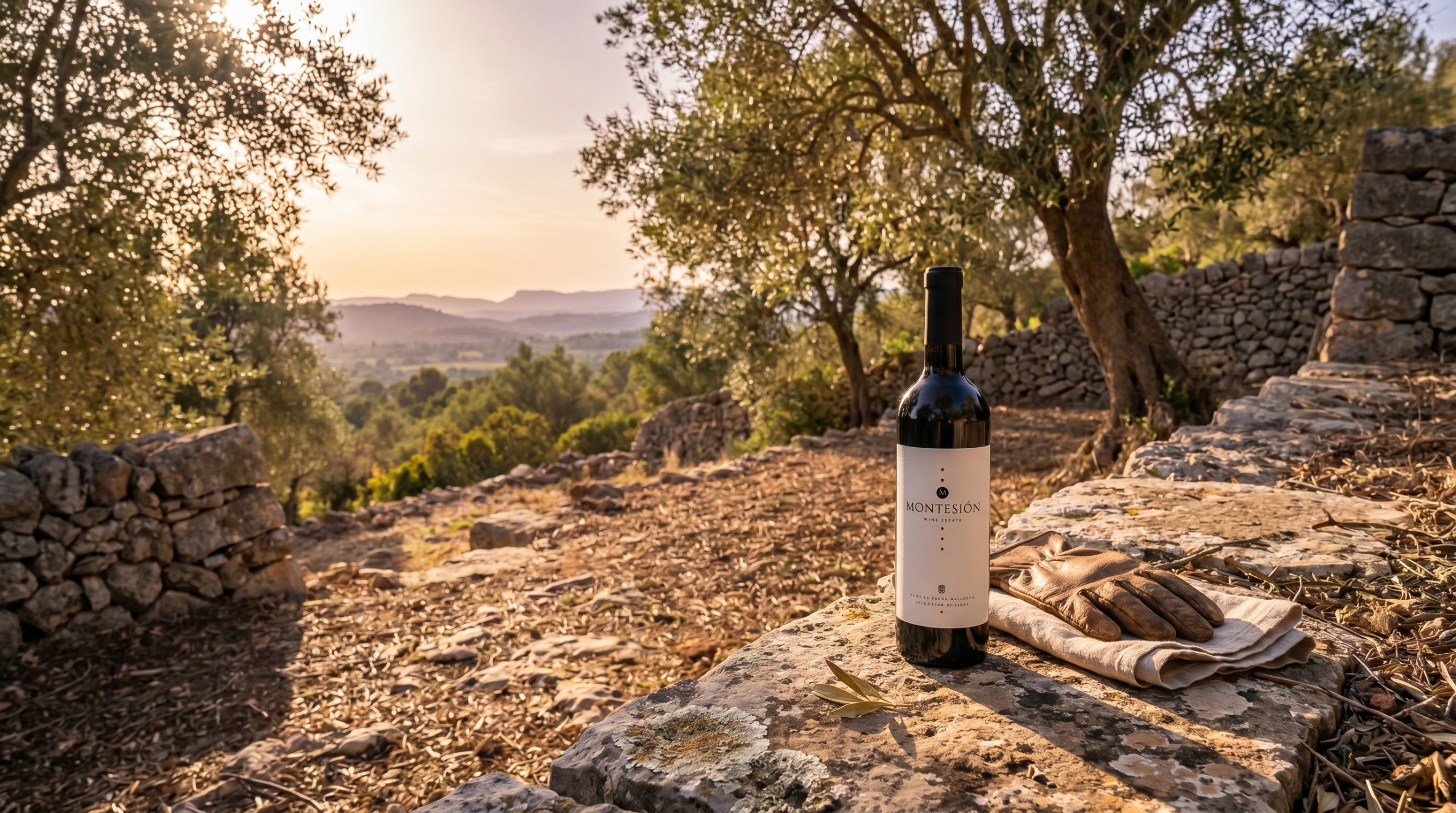
Mallorca indigenous grapes define the authentic flavor profile of the Balearic Islands. These native varieties, specifically Callet and Prensal Blanc, thrive in the Mediterranean microclimate. They produce wines with moderate alcohol, bright acidity, and distinct earthy undertones. Consequently, passionate viticulturists at Montesion Wine Estate increasingly cultivate these ancestral vines to craft genuine regional expressions.
The global wine market often prioritizes internationally recognized grape varieties. However, a quiet revolution continues across the Balearic Islands. Winemakers are actively reclaiming their ancestral viticultural heritage. They focus on native vines perfectly adapted to the rugged, sun-drenched landscape. Specifically, this shift represents a return to authenticity. Consumers increasingly demand unique regional expressions over standardized flavor profiles. Therefore, understanding these local varieties offers a fascinating window into Mediterranean history. The island’s unique microclimate features limestone-rich soils and constant sea breezes. These conditions naturally stress the vines. As a result, the grapes develop thick skins and concentrated aromatics. Furthermore, this natural resilience makes them ideal candidates for sustainable farming. Exploring these varieties reveals exactly how the landscape shapes the final liquid in the glass.
What Makes Mallorca Indigenous Grapes Distinctive?
The resurgence of Mallorca indigenous grapes stems from their unparalleled adaptation to the local environment. Historically, phylloxera devastated European vineyards, pushing many native vines to the brink of extinction. Yet, isolated island vineyards preserved these unique genetic profiles. Agricultural data consistently indicates that native varieties represent approximately 40% of new vineyard plantings across the archipelago. This statistical shift highlights a clear market preference for authentic Balearic Islands wine.
Moreover, the Mediterranean climate presents specific challenges. Summers bring intense heat and minimal rainfall. Nevertheless, native vines possess deep root systems that seek moisture in the limestone bedrock. Consequently, they maintain vibrant acidity even during prolonged droughts. This biological advantage translates directly into the glass. The resulting Mallorca wine displays an unmistakable freshness that warmer climates rarely achieve naturally.
Additionally, these grapes act as a liquid postcard of the terroir. The constant maritime winds deposit microscopic salt crystals on the grape skins. Therefore, the wines often exhibit a subtle, savory salinity. This characteristic completely separates them from mainland Spanish equivalents. Indeed, the combination of mineral-rich soil and sea air creates a highly specific flavor matrix. Winemakers who embrace these natural traits produce remarkably distinctive bottles. Ultimately, this deep connection to the land drives the growing global interest in these historical varieties.
How Does the Callet Grape Variety Capture the Island’s Essence?
The callet grape variety stands as the undisputed champion of local red wines. Initially, farmers used this vigorous vine strictly for bulk production. However, modern viticulturists discovered its true potential through careful yield management. By restricting the number of grape clusters per vine, the plant concentrates its energy. As a result, the harvested fruit delivers extraordinary depth and complexity.
Specifically, Callet produces a light ruby wine that deceptively packs intense flavor. The aromatic profile typically features wild raspberries, dried herbs, and an unexpected hint of crushed terracotta. Furthermore, the palate reveals soft tannins and a bright, refreshing acidity. This elegant structure makes it a favorite among natural wine enthusiasts. They appreciate its transparency and lack of heavy oak interference.
To experience this varietal identity perfectly, one must taste a mature expression. For instance, the Montesión Callet Limited Edition 2007 showcases exactly how beautifully this grape ages. This specific bottle reveals rich red fruits layered with earthy undertones. Additionally, the moderate tannins integrate flawlessly after resting in barrels. Such careful aging demonstrates the remarkable aging potential of the variety. Ultimately, Callet proves that Mediterranean reds do not need massive alcohol levels to command attention. It remains a testament to the sheer elegance of island viticulture.
Why Is Prensal Blanc Wine the Canvas of Balearic Terroir?
While red varieties often steal the spotlight, prensal blanc wine defines the island’s white portfolio. This late-ripening grape, also known as Moll, requires immense patience in the vineyard. Winemakers must wait for optimal phenolic maturity without losing acidity. Consequently, the harvest timing dictates the entire character of the vintage. When picked at the perfect moment, the grape yields a beautifully textured, highly aromatic profile.
Furthermore, Prensal Blanc serves as the ultimate translator of the island’s limestone soils. The flavor spectrum generally includes green apple, white peach, and subtle almond notes. Additionally, a distinct floral aroma often emerges, reminiscent of local almond blossoms. This delicate balance requires meticulous handling in the cellar. Therefore, producers of premium organic wine in Spain treat this variety with extreme care. They often employ strict ecological protocols to preserve its delicate nature. By doing so, they ensure that the final beverage truly reflects its origin.
Moreover, the grape’s natural resistance to fungal diseases makes it an ideal candidate for low-intervention winemaking. This inherent hardiness significantly reduces the need for external treatments in the vineyard. Comparing these two flagship balearic island wine grapes highlights their complementary nature. Both varieties thrive under the intense Mediterranean sun while maintaining crucial freshness.
| Characteristic | Callet (Red) | Prensal Blanc (White) |
|---|---|---|
| Primary Aromas | Wild raspberry, dried herbs, terracotta | Green apple, white peach, almond blossom |
| Palate Structure | Soft tannins, medium body, bright acidity | Textural weight, crisp finish, mineral core |
| Soil Preference | Iron-rich clay and limestone | Pure limestone and sandy loam |
Ultimately, both grapes demonstrate the profound wisdom of cultivating region-specific vines. Their continued success relies heavily on estates pursuing rigorous Demeter certification to protect the soil biome.
The Liquid Postcard of Mediterranean Viticulture
The revival of native Mallorcan grapes represents much more than a passing agricultural trend. It signifies a profound reconnection with the island’s historical identity. Specifically, varieties like Callet and Prensal Blanc offer flavor profiles that no international grape can replicate. They translate the salty sea breezes and rugged limestone soils directly into the glass. As a result, these wines provide an unmatched sensory experience for dedicated enthusiasts.
Furthermore, the integration of holistic farming practices ensures these ancient vines continue to thrive. By rejecting synthetic chemicals, viticulturists allow the true voice of the terroir to emerge. The production of true biodynamic wine directly enhances the complexity and longevity of the final product. Ultimately, every bottle serves as a testament to the resilience of Mediterranean agriculture.
Montesion Wine Estate remains deeply committed to this exact philosophy. The careful cultivation of indigenous varieties forms the cornerstone of their agricultural approach. By nurturing these unique vines, the estate preserves a vital piece of Balearic heritage.
Frequently Asked Questions
What are the main Mallorca indigenous grapes used in winemaking?
The primary indigenous grapes of Mallorca include Callet, Manto Negro, and Prensal Blanc. Callet and Manto Negro are red varieties known for their moderate alcohol, soft tannins, and vibrant red fruit profiles. Meanwhile, Prensal Blanc is the dominant native white grape, celebrated for its crisp acidity and delicate notes of green apple and almond. Viticulturists increasingly prioritize these varieties because they naturally resist the intense Mediterranean heat and drought conditions.
How does the callet grape variety taste?
The callet grape variety produces light to medium-bodied red wines with a highly aromatic and elegant flavor profile. Tasters typically identify distinct notes of wild raspberry, tart cherry, and Mediterranean scrub herbs, often accompanied by a subtle earthy or terracotta undertone. Because the grape features naturally low tannins and bright acidity, the resulting wine feels exceptionally fresh and approachable on the palate.
Does prensal blanc wine age well in the bottle?
Prensal blanc wine is generally crafted for early consumption to maximize its fresh, aromatic vibrancy. Most winemakers recommend drinking these white wines within two to three years of the vintage date to enjoy their crisp green apple and floral characteristics. However, some producers experiment with oak aging or extended lees contact, which can add structural weight and allow the wine to develop complex nutty flavors over five to seven years.
