
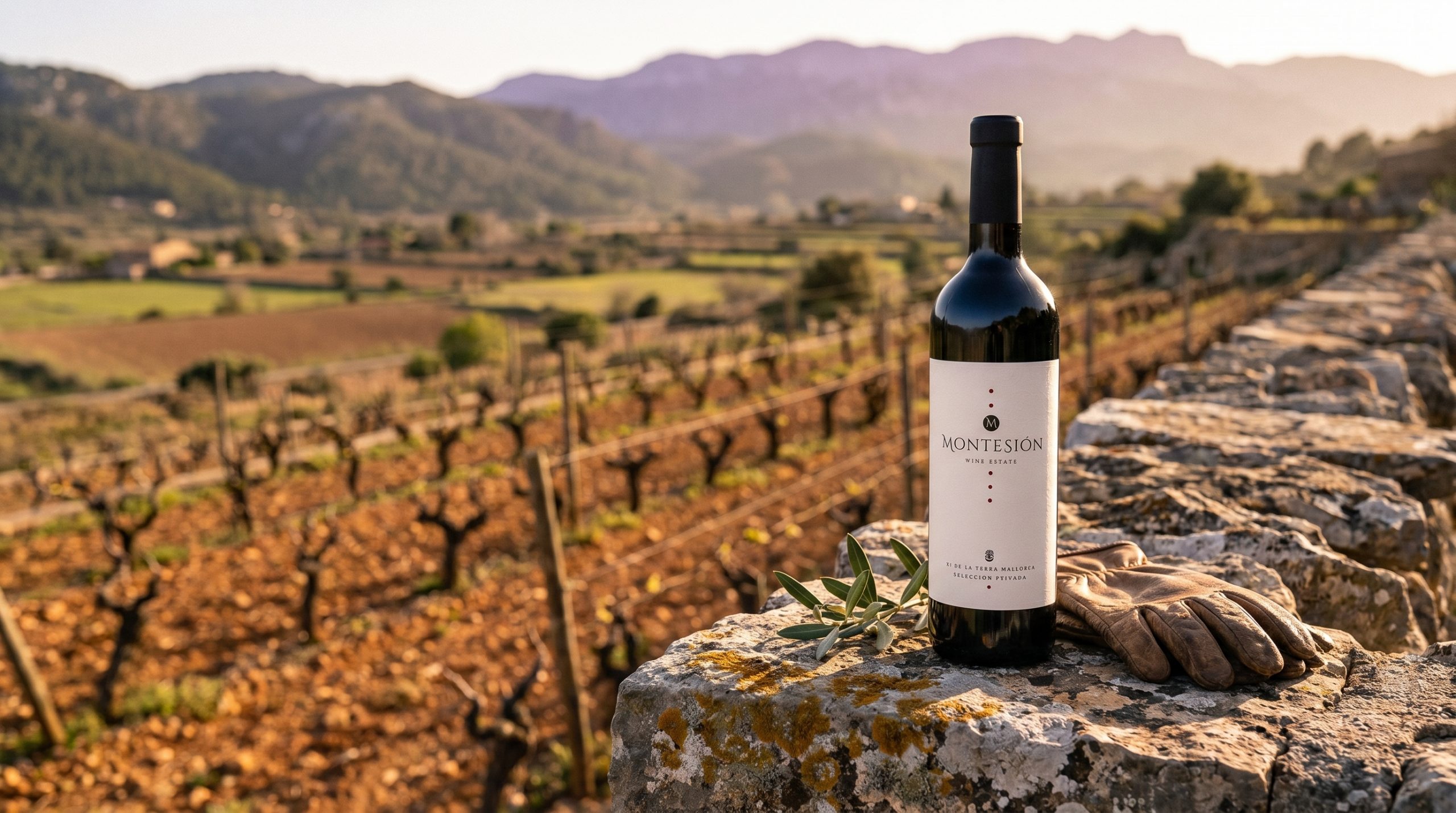
The upcoming Demeter certification 2026 framework mandates a strict 10% increase in non-productive ecological areas across Mediterranean vineyards. These updated regulations specifically target soil microbiome health and expanded biodiversity corridors to combat severe climate volatility. Consequently, biodynamic wine producers like Montesion Wine Estate must rapidly adapt their agricultural frameworks to maintain compliance and ensure terroir survival.
Southern Europe faces an unprecedented agricultural crisis as prolonged droughts reshape the viticultural landscape. Specifically, the Mediterranean basin warms significantly faster than the global average, threatening centuries of winemaking tradition. Therefore, the standards update arrives not merely as a regulatory hurdle, but as a critical survival mechanism. Farmers across the Balearic Islands now confront a stark reality where traditional farming methods consistently fail against extreme weather patterns. This shift demands immediate attention from producers who value authentic, terroir-driven wines. Furthermore, the new requirements validate the intensive regenerative practices already championed by forward-thinking estates such as Montesion Wine Estate. By forcing a transition toward deeper ecological integration, these rules redefine what sustainable farming actually requires. Ultimately, understanding these systemic changes reveals exactly why certain regional wines will survive the coming decades.
Why Are the Demeter Certification 2026 Rules Changing?
The primary catalyst behind the Demeter certification 2026 update stems directly from escalating climate instability across Southern Europe. Currently, regional vineyards experience summer temperatures exceeding historical norms by significant margins. Because of this dramatic shift, traditional organic farming guidelines no longer provide sufficient protection against sudden heatwaves or extended dry spells. Therefore, the certification body recognized an urgent need to mandate stronger ecological buffers. Specifically, the new framework requires estates to dedicate an additional 10% of their land to non-productive ecological zones. These areas serve as dedicated sanctuaries for native flora and fauna.
Additionally, the updated biodynamic wine standards enforce stricter protocols regarding water retention strategies and cover crop management. Vineyards must now demonstrate active cultivation of deep-rooted native plants between their vine rows. Consequently, these zones act as natural cooling sinks during peak summer months. Moreover, the increased plant diversity directly supports a more resilient soil structure, preventing erosion during sudden rainstorms. Demeter Spain heavily advocated for these Mediterranean adaptations, recognizing that northern European farming models fail under southern climatic pressures. Ultimately, this regulatory shift forces a necessary evolution in how estates manage their broader ecosystem. This decisive action prioritizes holistic environmental health over maximum yield extraction.
How Do Biodiversity Corridors Protect Mediterranean Viticulture?
Biodiversity corridors function as critical life support systems for vineyards facing extreme environmental stress. By connecting isolated patches of natural habitat, these pathways allow beneficial insects and microorganisms to migrate freely across the estate. Consequently, this movement naturally suppresses pest populations that thrive during prolonged drought conditions. Furthermore, diverse plant life above ground directly correlates with a thriving biological network below the surface. Specifically, the 2026 mandate emphasizes the rapid development of soil microbiome health. Microscopic fungi form symbiotic relationships with vine roots, significantly extending their ability to access deep water reserves.
Therefore, a robust microbiome acts as a natural irrigation system, pulling moisture from limestone bedrock during rainless summers. Without this biological network, vines simply shut down and stop ripening their fruit.
| Feature | Pre-2026 Standard | Demeter 2026 Requirement |
|---|---|---|
| Ecological Areas | 10% of total land | 20% total (10% increase) |
| Cover Crops | Seasonal implementation | Year-round native species |
| Soil Management | Basic organic compost | Advanced microbiome tracking |
| Water Strategy | Standard conservation | Integrated drought buffers |
Indeed, estates implementing these corridors report a measurable drop in ambient canopy temperatures. Similarly, native shrubs break devastating wind patterns that otherwise strip moisture from the vine leaves. Thus, vineyard biodiversity transforms into a highly effective agricultural tool.
Can Indigenous Grape Varieties Survive Prolonged Droughts?
Native grape varieties possess a distinct evolutionary advantage when confronting the harsh realities of Mediterranean climate shifts. For centuries, these specific vines adapted to poor soils, erratic rainfall, and blistering summer heat. Consequently, their genetic memory holds the key to maintaining quality viticulture as global temperatures continue their upward trajectory. While international varieties often require intense intervention to survive drought, indigenous grapes naturally regulate their water consumption. Specifically, Mallorca’s unique limestone terroir provides a challenging yet rewarding environment for these resilient vines. The porous rock acts like a sponge during winter rains, storing essential moisture deep underground.
Therefore, native varieties like Callet drive their roots aggressively through the limestone fissures to access these hidden reserves. As a result, the vines produce incredibly concentrated fruit even during the driest vintages. This deep connection to the land becomes evident when experiencing a wine crafted precisely for these conditions. For instance, pouring a glass of Montesión Callet Limited Edition 2007 reveals the profound elegance achievable when ancient vines meet regenerative farming. The wine captures the essence of the island, balancing rich red fruits with distinct earthy undertones. Ultimately, embracing these indigenous varieties aligns perfectly with the new ecological mandates. Regional history offers the best blueprint for future survival.
What Does Regenerative Viticulture Mean for Mallorca’s Future?
Regenerative viticulture Mallorca represents a fundamental shift away from merely sustaining the land toward actively healing it. Historically, conventional farming slowly degraded the island’s fragile topsoil, leaving vineyards vulnerable to desertification. However, the updated certification standards demand a complete reversal of this extractive mindset. Farmers must now implement practices that actively build organic matter and restore natural carbon cycles within their fields. Specifically, this approach requires integrating animal husbandry, rotational grazing, and complex composting systems back into daily vineyard operations. Because these elements work together synergistically, the entire estate functions as a single, self-regulating organism.
Moreover, this holistic methodology dramatically increases the land’s capacity to sequester atmospheric carbon. Therefore, vineyards transform from potential climate liabilities into active climate solutions. Additionally, this transition secures the economic viability of Balearic Islands wine on the global market. Discerning consumers increasingly demand transparency and demonstrable environmental stewardship from the brands they support. Consequently, estates that master these regenerative techniques will command premium positioning and fierce customer loyalty. Ultimately, the new ecological rules provide a clear, scientifically backed framework for preserving the island’s viticultural heritage. Indeed, this proactive stance guarantees that the unique character of island wines remains completely intact despite mounting external environmental pressures.
The Roadmap for Terroir Resilience
The incoming ecological mandates represent a profound maturation of the global biodynamic movement. Specifically, the required 10% increase in non-productive ecological areas forces a necessary rebalancing between agricultural yield and environmental health. Furthermore, prioritizing soil microbiome vitality offers the most effective defense against the Mediterranean’s increasingly volatile climate patterns. Therefore, these regulations serve as a vital roadmap for long-term terroir preservation.
Additionally, the undeniable success of indigenous varieties under extreme drought validates the shift toward hyper-regional viticulture. Grapes uniquely adapted to limestone soils will consistently outperform imported vines as water scarcity intensifies. Moreover, the integration of advanced regenerative practices ensures that the land actually improves with each successive vintage. Ultimately, true sustainability requires actively repairing the ecosystem rather than merely minimizing ongoing damage. This decisive regulatory update guarantees that authentic, deeply rooted winemaking will continue to thrive.
Frequently Asked Questions
What are the new biodynamic wine standards for 2026?
The updated 2026 framework requires certified estates to dedicate an additional 10% of their agricultural land to non-productive ecological zones. Furthermore, the regulations mandate stricter protocols for cover crop diversity and advanced soil microbiome management. Because climate volatility continues to threaten Mediterranean agriculture, these rules specifically aim to build natural resilience against prolonged droughts and extreme heat events.
How does vineyard biodiversity combat climate change?
Increasing plant and animal diversity creates a self-regulating ecosystem that naturally buffers against extreme weather patterns. Specifically, deep-rooted native cover crops prevent soil erosion during heavy rains while simultaneously improving water retention during dry spells. Moreover, these biodiverse corridors lower ambient vineyard temperatures and significantly increase the soil’s capacity to sequester atmospheric carbon.
Why is Demeter Spain focusing on native grape varieties?
Native grapes possess centuries of evolutionary adaptation to the specific climatic pressures of the Iberian Peninsula and the Balearic Islands. Consequently, these vines naturally regulate their water consumption and thrive in poor, rocky soils without requiring artificial irrigation. Therefore, prioritizing indigenous varieties ensures consistent crop quality and vine survival as regional temperatures continue to rise.
What makes regenerative viticulture in Mallorca unique?
Mallorca features a highly specific limestone terroir that demands specialized farming techniques to maintain soil moisture. Regenerative practices on the island focus heavily on building organic matter over this porous bedrock to create a natural sponge for winter rains. Ultimately, this hyper-local approach allows native vines to access deep water reserves, producing incredibly concentrated and complex organic wine Spain even during severe summer droughts.
