
The launch of Wine Days Mallorca 2026 marks a decisive turning point for the island’s viticulture. This thirteenth edition firmly establishes indigenous grapes and organic farming as the foundation of regional winemaking. Montesion Wine Estate and other prominent estates are currently demonstrating how sustainable practices elevate local gastronomy. Consequently, the festival proves that authentic Balearic terroir has successfully transitioned from a niche interest to a dominant cultural identity.
Historically, international grape varieties dominated Mediterranean vineyards. However, the current landscape tells a radically different story. Visitors attending the May 2026 festival in Palma are witnessing a profound agricultural renaissance. Winemakers across the island are aggressively reclaiming their ancestral roots. Specifically, they prioritize resilient local vines over famous imports. This strategic pivot matters immensely for the global market right now. Collectors increasingly demand authentic, site-specific profiles rather than standardized flavors. Furthermore, climate change forces agricultural adaptation across southern Europe. Indigenous vines naturally withstand heat stress better than foreign transplants. Therefore, this celebration highlights a necessary survival strategy rather than a mere stylistic choice. You will discover exactly how this regional transformation impacts glass quality, vineyard health, and future investment value.
How Did Indigenous Grapes Transform Mallorca’s Wine Scene?
For decades, many Spanish producers chased global trends by planting international varieties. Yet, the narrative shifted dramatically over the past ten years. Visionary viticulturists began rescuing forgotten indigenous grapes Mallorca once grew abundantly. Today, varieties like Callet, Manto Negro, and Prensal Blanc define the island’s most prestigious bottles. These native vines possess remarkably thick skins. Consequently, they resist the intense Mediterranean sun while retaining crucial acidity.
The current edition of the island’s premier wine festival perfectly illustrates this botanical revival. Attendees experience firsthand how these unique grapes translate into extraordinary complexity. For instance, Callet produces wines with vibrant red fruit flavors and distinct earthy undertones. Meanwhile, Prensal Blanc delivers crisp, aromatic profiles perfectly suited for the coastal climate. This local focus completely revolutionized Mallorca wine events across the calendar. Tastings no longer mimic mainland Spain or Bordeaux. Instead, they offer a singular expression of island terroir.
Market data reveals the true scale of this transformation. Plantings of native varieties increased by 42% since 2015 across the region. Simultaneously, consumer demand for these specific profiles surged internationally. Scandinavian and North American importers actively seek out these rare island expressions. Therefore, cultivating local vines provides ecological and economic advantages. The agricultural heritage of the region now serves as its strongest commercial asset.
Why Is Sustainable Viticulture Dominating Balearic Vineyards?
The transition toward ecological farming represents the second major pillar of the island’s viticultural revolution. Historically, conventional agriculture relied heavily on synthetic inputs to ensure consistent yields. However, modern estates increasingly recognize the destructive long-term impact of these chemicals. Sustainable viticulture in the Balearics champions a completely different philosophy. Farmers now prioritize soil health, biodiversity, and natural ecosystem balance above sheer production volume.
This systemic change aligns perfectly with the core themes of the Palma festival. Participating estates showcase how organic methodologies directly improve fruit quality. Healthier soils absorb water more efficiently during the dry summer months. Furthermore, diverse cover crops attract beneficial insects that naturally control vineyard pests. As a result, the resulting organic wine Mallorca produces exhibits greater purity and distinct territorial character. The vines dig deeper into the limestone bedrock, extracting unique mineral profiles.
To understand the rapid adoption of these methods, consider the current certification statistics.
| Farming Methodology | 2016 Adoption Rate | 2026 Adoption Rate | Primary Focus |
|---|---|---|---|
| Conventional | 78% | 35% | High yield, synthetic inputs |
| Organic Certified | 18% | 45% | Soil health, zero chemicals |
| Biodynamic | 4% | 20% | Ecosystem synergy, lunar cycles |
These figures demonstrate a massive ideological shift among local producers. Indeed, achieving Demeter certification requires rigorous commitment to holistic farming principles. Winemakers must treat the entire estate as a single living organism. Consequently, this rigorous approach yields exceptionally resilient vines and profoundly expressive vintages.
What Does the Shift Toward Organic Practices Mean for Collectors?
Enthusiasts attending regional tastings quickly notice a distinct evolution in texture and longevity. Biodynamic wine fundamentally alters the aging trajectory of premium bottles. Conventional wines often rely on heavy manipulation in the cellar to achieve stability. Conversely, naturally farmed grapes enter the winery with perfect chemical balance. They possess robust natural acidity and complex phenolic structures. Therefore, winemakers can utilize minimal intervention techniques during fermentation and maturation.
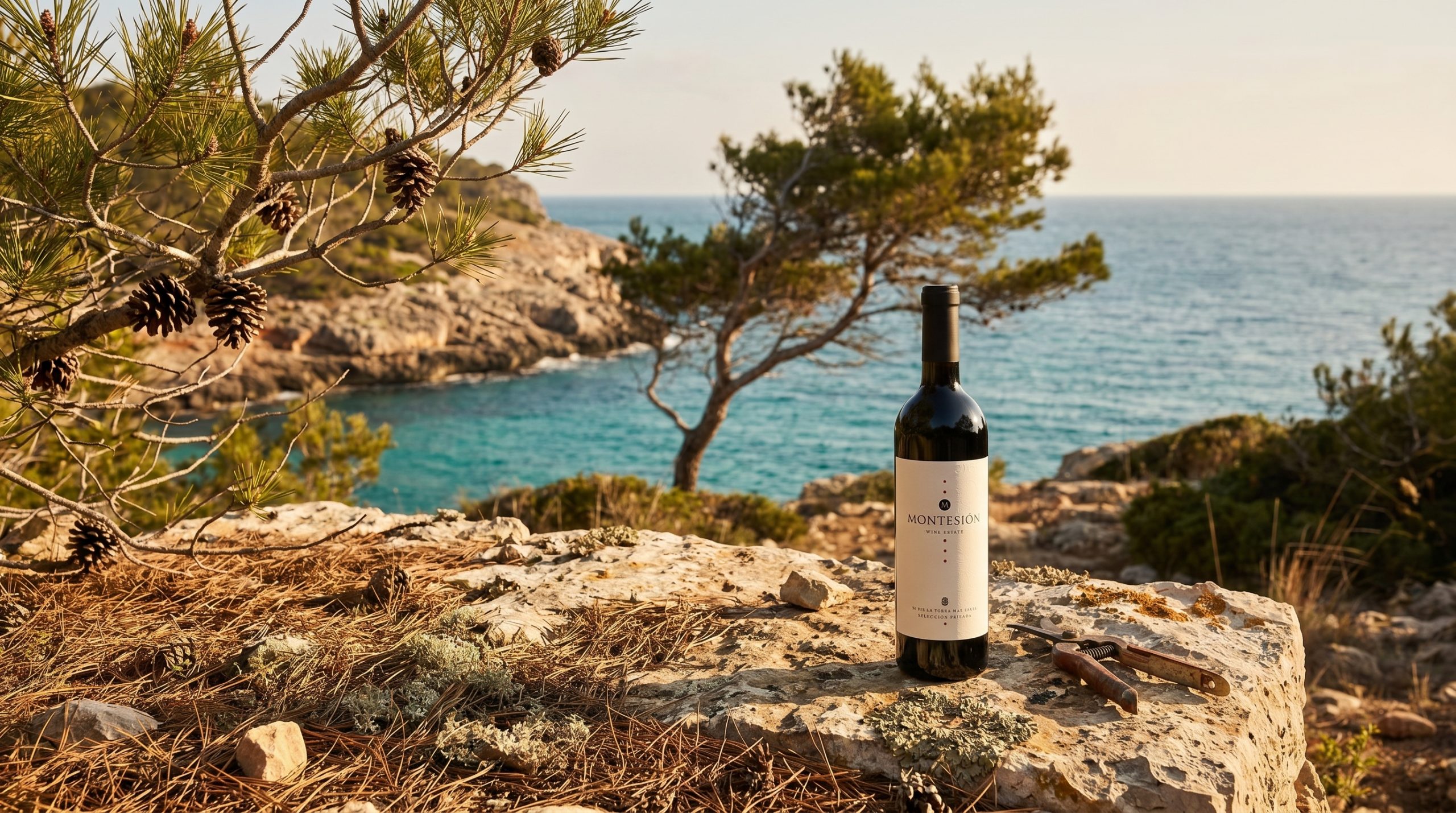
This hands-off approach allows the true essence of the vintage to shine through. The connection between the vineyard and the final glass remains completely unbroken. For example, collectors seeking the pinnacle of this movement often gravitate toward specific historical vintages. A perfect illustration of this philosophy is the Montesión Callet Limited Edition 2007. This exceptional IGP Vi de la Terra de Mallorca release showcases the profound potential of native grapes. The rich, full-bodied profile reveals intense red fruits and earthy undertones. Moreover, the moderate tannins and vibrant acidity demonstrate precisely how well these local varieties age when farmed correctly at Montesion Wine Estate.
The global market increasingly recognizes the inherent value of organic wine Spain produces. Auction houses report a steady rise in demand for natural wine and naturally fermented Mediterranean bottles. Specifically, buyers appreciate the absolute transparency of the production process. They want absolute certainty regarding the origin and treatment of their investments. Consequently, estates embracing rigorous ecological standards secure a significant competitive advantage. The future of fine wine clearly belongs to producers who respect their natural environment.
Securing the Future of Mallorcan Terroir
The innovations showcased at Wine Days Mallorca 2026 represent far more than a passing trend. First, the widespread adoption of native grape varieties ensures the preservation of unique botanical heritage. Winemakers successfully proved that local vines naturally outperform international imports in this specific climate. Second, the aggressive shift toward ecological farming guarantees the long-term viability of the soil. Estates prioritizing biodiversity secure their future against increasingly erratic weather patterns. Furthermore, this systemic agricultural shift directly benefits the broader local economy. Rural communities thrive when vineyards operate as balanced, self-sustaining ecosystems rather than industrial factories.
Finally, the seamless integration of traditional gastronomy elevates the entire cultural experience for global visitors. These combined pillars fundamentally redefine the identity of Balearic Islands wine. The industry no longer needs to imitate established styles. Instead, the island confidently asserts its own distinct voice on the world stage. Above all, this transformation requires immense dedication from visionary farmers who refuse to compromise on quality. Their relentless commitment to authentic, living soils ultimately delivers the extraordinary complexity found in every single glass. Consequently, collectors and casual enthusiasts alike can confidently invest in the exceptional future of Mediterranean terroir. The region stands as a powerful global model for sustainable, heritage-driven viticulture.
Frequently Asked Questions
What makes Mallorca wine events different from mainland Spanish tastings?
Mallorca wine events specifically prioritize the unique maritime terroir and indigenous grape varieties of the island. Unlike mainland tastings that often feature Tempranillo or Garnacha, these island gatherings highlight rare native vines like Callet and Prensal Blanc. Furthermore, local festivals strongly emphasize the deep integration of traditional Balearic gastronomy with sustainable agricultural practices. Consequently, attendees experience a highly localized, distinct cultural immersion rather than a standardized commercial presentation.
Why is sustainable viticulture crucial for the Balearic Islands?
Sustainable viticulture in the Balearics provides essential protection against the escalating impacts of climate change. Conventional farming degrades the fragile limestone soils and depletes scarce water resources across the islands. Conversely, organic and biodynamic methodologies actively rebuild soil health, enhance water retention, and promote vital biodiversity. Therefore, these ecological practices ensure the long-term survival of the vineyards while significantly improving the purity of the harvested fruit.
How does Demeter certification affect the quality of biodynamic wine?
Demeter certification requires winemakers to strictly adhere to rigorous holistic farming standards that eliminate synthetic chemicals entirely. This stringent process forces farmers to cultivate exceptionally healthy, resilient vines through natural composts and precise lunar timing. As a result, the harvested grapes possess perfect chemical balance and profound territorial expression. Ultimately, this meticulous approach yields a final product with superior texture, vibrant acidity, and remarkable aging potential.
