

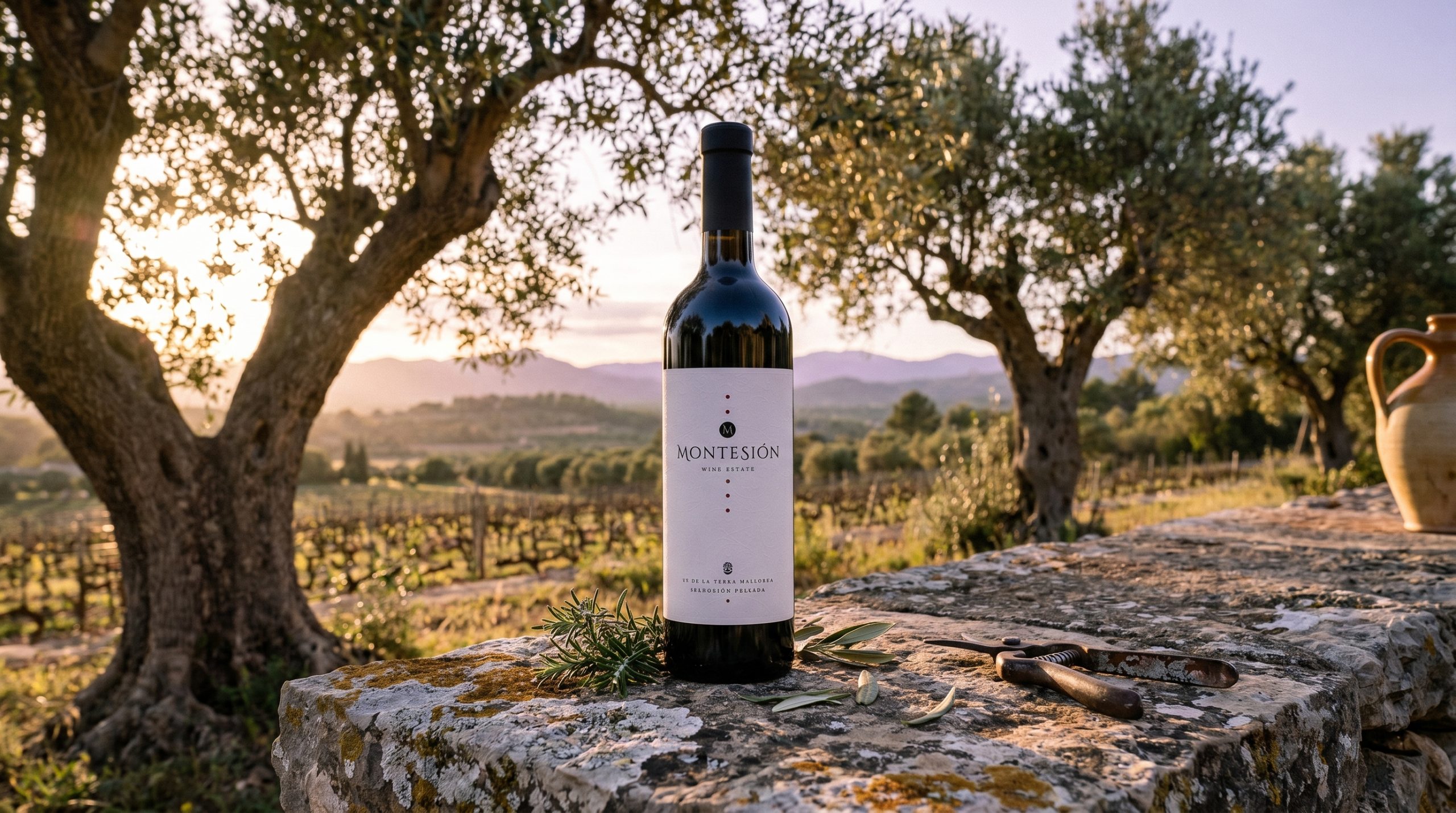
The debate between biodynamic vs natural wine often confuses consumers, but the distinction lies in certification and rigorous agricultural standards. Biodynamic viticulture follows strict, codified ecological practices governed by Demeter certification, treating the vineyard as a living ecosystem. Conversely, the natural wine category remains largely unregulated, focusing primarily on minimal cellar intervention.
Global demand for sustainable agriculture consistently transforms the beverage industry, pushing organic wine Spain searches to historic highs. Specifically, the global organic wine market steadily expands toward a projected $15 billion valuation, reflecting a massive shift in consumer consciousness. Furthermore, industry data shows sales of certified biodynamic bottles outpacing general market growth by nearly 15% annually. Therefore, buyers increasingly scrutinize labels to understand exactly what enters their glass. Montesion Wine Estate remains at the forefront of this movement, ensuring that every bottle reflects the true potential of the Balearic Islands. However, this surge in interest creates a tangled web of terminology. Buyers frequently assume that any bottle marketed with a minimalist aesthetic guarantees a pristine, chemical-free origin. Yet, a lack of legal definitions for certain categories leaves ample room for inconsistency. Consequently, understanding the philosophical and technical differences between these movements empowers enthusiasts to make truly informed choices. Discerning drinkers want absolute transparency regarding vineyard treatments, fermentation processes, and ecological impact. Thus, clarifying these categories reveals why some methods guarantee environmental stewardship while others merely suggest it.
What Defines the Unregulated World of Natural Wine?
The natural wine movement initially emerged as a rebellion against heavily manipulated, industrialized winemaking. Essentially, producers wanted to strip away artificial additives and return to a purer form of fermentation. Therefore, the core philosophy centers on adding nothing and removing nothing during the cellar process. Winemakers rely entirely on native yeasts for fermentation instead of commercial strains. Furthermore, they typically avoid filtering or fining the final liquid, resulting in a distinctly cloudy appearance.
However, the most significant challenge facing this category is the absolute lack of legal definition. Currently, no global governing body regulates what qualifies as a natural beverage. Consequently, a producer might buy conventionally farmed grapes sprayed with synthetic pesticides and still market the resulting bottle as natural. They achieve this simply by avoiding additives during fermentation. This massive loophole creates profound inconsistency for consumers seeking genuinely clean products.
For instance, exploring natural wine in Mallorca reveals passionate artisans dedicated to zero-intervention alongside opportunistic brands capitalizing on a trend. Without a standardized certification process, buyers must place blind trust in the individual winemaker. Moreover, the absence of sulfur dioxide makes these bottles highly unstable. As a result, they frequently develop unpredictable flaws, such as volatile acidity, which mask the true expression of the terroir.
How Does Biodynamic Viticulture Guarantee Ecological Rigor?
In stark contrast to unregulated movements, biodynamic farming operates under an incredibly strict, globally recognized framework. Austrian philosopher Rudolf Steiner introduced these agricultural principles a century ago, viewing the farm as a cohesive, living organism. Today, the prestigious Demeter certification guarantees that every aspect of the estate aligns with these rigorous ecological standards. Therefore, achieving this status requires years of dedication, intensive soil regeneration, and meticulous annual audits at places like Montesion Wine Estate.
Consumers frequently ask: is biodynamic wine organic? The answer is a definitive yes, but it goes much further than basic organic requirements. While organic farming merely bans synthetic chemicals, biodynamics actively rebuilds soil vitality. Farmers utilize specific herbal and mineral preparations, such as fermented chamomile and silica, to stimulate microbial life. Consequently, the vineyard develops a robust immune system capable of resisting disease naturally.
Furthermore, this methodology integrates livestock, biodiversity corridors, and lunar cycles into the daily farming schedule. For example, pruning and harvesting align with specific cosmic rhythms to maximize plant vitality. This holistic approach ensures that the land remains fertile for future generations. Ultimately, the resulting grapes possess an extraordinary concentration of flavor and a profound connection to their specific environment. The Demeter seal provides an uncompromising guarantee of this environmental stewardship.
Where Do These Two Winemaking Philosophies Clash?
The primary conflict between these two approaches lies in the balance between agricultural discipline and cellar intervention. Biodynamic estates focus intensely on cultivating pristine, resilient fruit through exhaustive manual labor in the field. Because the grapes arrive at the crush pad in perfect health, the winemaker rarely needs to intervene during fermentation. Thus, the classic biodynamic wine characteristics include vibrant aromatics, structural elegance, and flawless terroir transparency.
Conversely, some natural producers prioritize absolute non-intervention in the cellar, even if the grapes suffer from rot or imbalance. This dogmatic refusal to use minimal protective measures often leads to spoiled batches. Meanwhile, a certified estate might use a tiny, strictly regulated amount of sulfur to ensure the liquid survives transport and aging. This pragmatic decision preserves the authentic taste of the vineyard without compromising ecological integrity.
To illustrate this commitment to quality, consider the Montesión Callet Limited Edition 2007. This exceptional Mallorca wine demonstrates how rigorous vineyard management yields a rich, full-bodied profile with earthy undertones. Creating such a profound expression of indigenous grapes requires the disciplined framework of vino biodinámico, rather than leaving the outcome entirely to chance. Indeed, the assurance of a healthy, living vineyard resonates powerfully with educated buyers seeking authentic Balearic Islands wine.
| Feature | Biodynamic Viticulture | Natural Winemaking |
|---|---|---|
| Regulation | Strictly governed by Demeter | Unregulated, no legal definition |
| Farming | Holistic, regenerative, organic base | Varies widely, sometimes conventional |
| Cellar Approach | Minimal intervention, flawless hygiene | Zero intervention, high risk of flaws |
| Consistency | Highly reliable, terroir-driven | Unpredictable, highly variable |
| Certification | Global Demeter seal | None universally recognized |
Securing the Future of Authentic Viticulture
Navigating the complex landscape of modern viticulture requires a clear understanding of farming philosophies. First, the crucial difference between biodynamic vs natural wine lies in accountability and agricultural rigor. While the natural category champions minimal cellar intervention, it suffers from a lack of legal definitions and standardized farming protocols. Conversely, biodynamic estates operate under strict, globally recognized certifications that guarantee ecological restoration.
Second, true sustainability demands proactive environmental stewardship. By utilizing specific herbal preparations and fostering closed-loop ecosystems, certified farmers actively rebuild soil health. They achieve this rather than merely avoiding synthetic chemicals. Consequently, these methods produce exceptionally resilient vines capable of expressing their exact geographical origin.
Finally, consistency and quality remain paramount for discerning enthusiasts. Unregulated fermentation often yields unstable, flawed beverages that obscure the terroir. In contrast, disciplined ecological farming ensures pristine fruit, allowing winemakers to craft elegant, transparent profiles. Ultimately, choosing certified bottles supports a profound commitment to the earth. This dedication preserves the authentic character of the land, ensuring that future generations inherit thriving, vibrant vineyards.
Frequently Asked Questions
Is biodynamic wine always organic?
Yes, every certified biodynamic vineyard must first meet and exceed all standard organic farming requirements. While organic regulations primarily focus on prohibiting synthetic pesticides and chemical fertilizers, biodynamics introduces a proactive, regenerative approach. Farmers utilize specialized compost preparations and integrate diverse plant and animal life to build a self-sustaining ecosystem. Therefore, achieving this advanced certification guarantees that the agricultural practices are entirely organic and deeply focused on long-term soil vitality.
Does natural wine taste different from traditional wine?
Unregulated minimal intervention often results in a distinctly different, sometimes unpredictable flavor profile compared to traditional bottles. Because these producers typically avoid filtering and eschew protective sulfites, the liquid frequently appears cloudy and may develop unconventional aromas. While some batches offer vibrant, fresh fruit characteristics, others quickly succumb to bacterial spoilage or oxidation. Consequently, buyers often encounter sour or cider-like notes that completely obscure the original grape variety.
Why is Demeter certification important for consumers?
The Demeter seal provides an uncompromising, internationally recognized guarantee of both ecological purity and agricultural integrity. Without this strict certification, consumers have no reliable way to verify a brand’s sustainability claims or farming methods. The rigorous auditing process ensures that every aspect of the estate aligns with precise regenerative standards. Ultimately, this transparency allows buyers to confidently support environmentally responsible agriculture while enjoying exceptionally high-quality beverages.
