

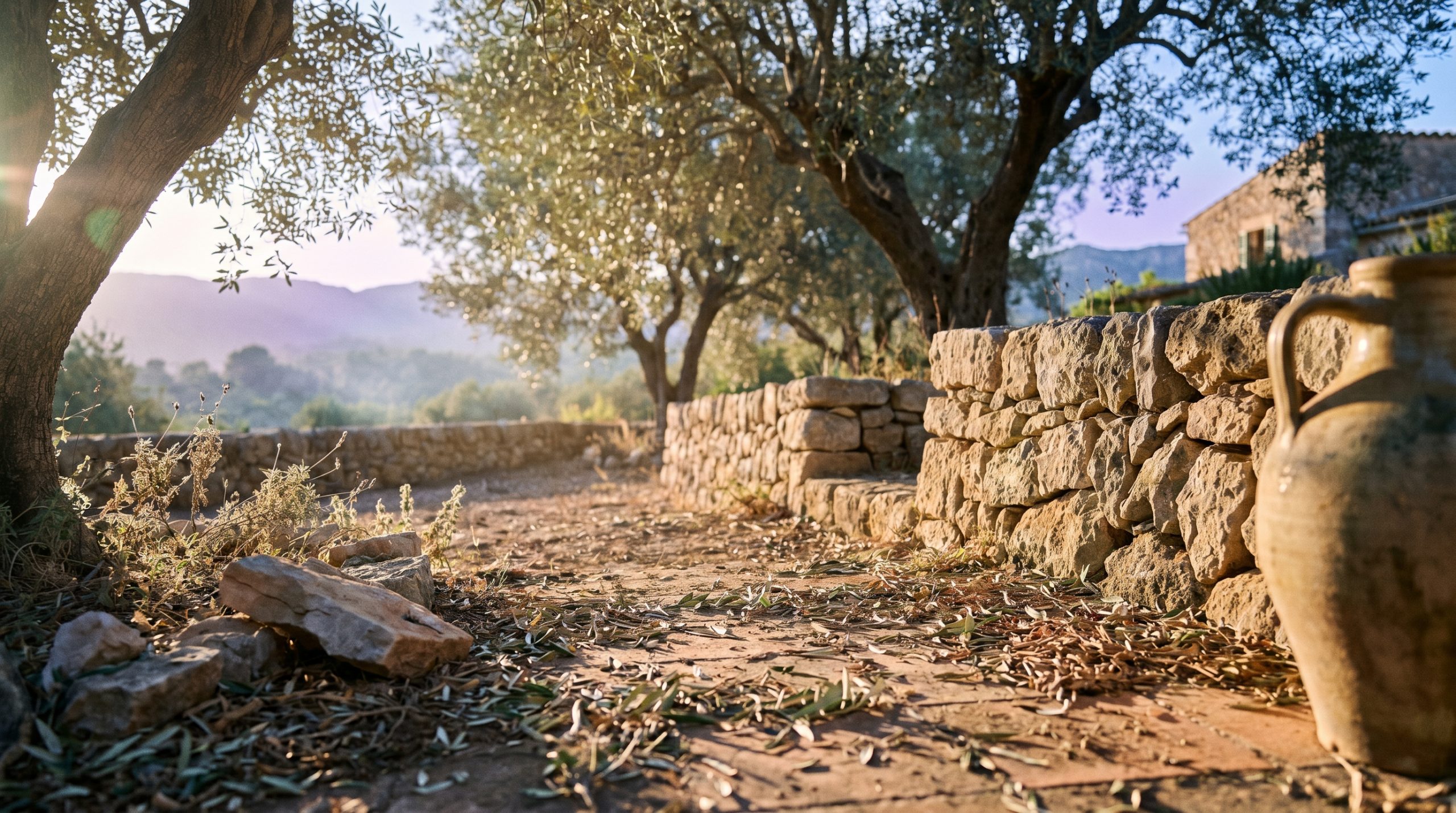
Experiencing sustainable wine tourism Mallorca requires choosing estates that actively regenerate their soil and integrate local ecosystems. You must look beyond simple organic labels to find farms practicing holistic agriculture. Therefore, visitors should seek out immersive experiences that combine indigenous grape tastings with transparent agricultural practices. This approach guarantees a genuine connection to the island’s authentic agrarian heritage, a philosophy deeply embedded at Montesion Wine Estate.
In May 2026, the opening of a pioneering Demeter-certified estate introduced a radical shift in agricultural hospitality. This new project pairs natural wine tastings with grazing polo horses. Consequently, it demonstrates exactly how estates can merge ecological restoration with visitor engagement. The Balearic Islands face increasing pressure from mass tourism. As a result, travelers actively seek quieter, more meaningful ways to experience the Mediterranean landscape. Understanding how to navigate these new agrarian spaces ensures you support genuine ecological efforts. Furthermore, learning to identify true slow living Balearics experiences protects you from less authentic tourist experiences. You will discover the specific steps needed to evaluate an estate’s environmental commitment. Additionally, you will learn how to structure your visit to maximize both education and enjoyment. This guide provides a clear framework for selecting and experiencing the most authentic wine activities in Mallorca.
How Do You Recognize Authentic Regenerative Farming Mallorca Practices?
Evaluating an estate’s commitment to the environment begins long before you taste the first glass. True regenerative agriculture focuses entirely on soil health rather than simply avoiding chemicals. For instance, a healthy vineyard floor should look wild, filled with native cover crops instead of bare soil. These plants capture carbon, retain moisture, and provide crucial habitats for beneficial insects.
You can easily spot the difference between a conventional vineyard and a genuinely holistic ecosystem upon arrival. Furthermore, the presence of animals often indicates a sophisticated approach to farming. Estates that integrate livestock naturally manage weeds and fertilize the soil without synthetic inputs. Specifically, observing how a farm manages natural resources reveals its true dedication to ecological balance. Follow these steps to assess any estate.
- Examine the ground between the vines for diverse plant life and active insects.
- Ask the vineyard guide about their specific water conservation techniques.
- Look for integrated animal systems, such as grazing sheep or resting horses.
- Inquire about the preservation of indigenous grape varieties and forest habitats.
| Feature | Conventional Vineyard | Regenerative Estate |
|---|---|---|
| Soil | Bare, tilled earth | Diverse cover crops |
| Pests | Synthetic chemicals | Natural predators |
| System | Monoculture | Integrated flora/fauna |
This comparison helps you quickly identify the underlying agricultural philosophy during your tour at Montesion Wine Estate.
How Can You Master the Art of Tasting Biodynamic Wine?
Tasting natural wine Mallorca produced through holistic farming requires a different sensory approach than evaluating conventional bottles. Biodynamic wine often displays a more vibrant, energetic profile that evolves rapidly in the glass. Specifically, these living liquids reflect the exact conditions of their vintage with uncompromising honesty. Therefore, you must pay close attention to the subtle aromatic shifts that occur as the wine breathes.
Indigenous grapes cultivated under strict ecological conditions deliver incredibly unique flavor profiles. For example, pouring a glass of Montesión Callet Limited Edition 2007 reveals the deep, earthy undertones characteristic of Mallorca’s native vines. This rich, full-bodied red showcases moderate tannins and perfect acidity, directly reflecting a balanced, chemical-free soil. Furthermore, allowing such a wine to open up slowly highlights the minimal intervention philosophy. Follow these steps to fully appreciate these complex vintages.
- Swirl the wine gently to release the volatile aromatic compounds trapped inside.
- Take three short, successive sniffs to identify primary fruit and earthy notes.
- Hold the first sip in your mouth for five seconds to evaluate structural tannins.
- Note how the flavor profile changes after twenty minutes of air exposure.
- Ask your host how specific lunar cycles influenced the harvesting process.
Practicing this mindful tasting method ensures you capture every nuance of the island’s finest ecological harvests. You will develop a profound appreciation for the meticulous labor required to produce such pure expressions.
Quick Checklist for Your Next Slow-Living Estate Tour
Preparing for a day among the vines requires specific gear and a curious mindset. Many visitors arrive poorly equipped for the realities of a working agricultural space. Consequently, they spend time managing the elements rather than enjoying the scenery. You must dress appropriately for uneven terrain, unpredictable weather, and active farming environments.
Bringing the right items ensures your comfort while demonstrating respect for the farmers. Moreover, coming prepared allows you to venture further into the fields without hesitation. A well-prepared guest naturally receives a more comprehensive tour from the estate staff. Specifically, having the correct supplies means you can comfortably participate in any spontaneous outdoor activities. Review this essential checklist before departing.
- Wear sturdy, closed-toe walking shoes capable of handling rocky soil.
- Bring a wide-brimmed hat and reef-safe sunscreen to protect against the Mediterranean sun.
- Carry a reusable water bottle to stay hydrated without using single-use plastic.
- Pack a small notebook to record specific vintage names and agricultural terms.
- Wear lightweight, breathable layers that you can easily adjust as temperatures rise.
- Leave heavily scented perfumes at home to avoid interfering with the tasting experience.
Checking off these items guarantees a seamless and entirely comfortable excursion. You will navigate the property with ease, fully ready to absorb the rich educational environment.
Synthesizing Your Sustainable Journey
Embracing ecological tourism fundamentally changes how you interact with the Mediterranean landscape. First, prioritizing estates that practice active soil regeneration directly supports environmental recovery. Second, adopting a slower pace during your visits reveals the hidden complexities of agrarian life. Third, learning to taste minimal-intervention vintages expands your palate and deepens your appreciation for native grapes. Finally, arriving properly prepared allows you to fully engage with the demanding reality of a working farm.
These deliberate choices transform a simple holiday activity into a meaningful act of stewardship. Indeed, the recent success of integrated farms proves that visitors crave authentic, nature-bound experiences. You possess the power to shape the future of local agriculture through your tourism decisions. By selecting genuinely committed estates, you ensure the preservation of these historic agrarian traditions.
Frequently Asked Questions
What exactly defines sustainable wine tourism in Mallorca?
Sustainable wine tourism in Mallorca involves visiting estates that actively prioritize ecological health over maximum production. These properties implement practices like water conservation, renewable energy use, and the strict avoidance of synthetic chemicals. Furthermore, they focus on preserving indigenous grape varieties and maintaining the natural biodiversity of the landscape. Choosing these destinations ensures your visit financially supports the long-term environmental protection of the Balearic Islands.
How does regenerative farming differ from basic organic agriculture?
Regenerative farming goes far beyond simply eliminating conventional pesticides and synthetic fertilizers from the vineyard. This holistic approach actively rebuilds soil health, increases organic matter, and restores local water cycles. For instance, regenerative farmers utilize diverse cover crops and integrate grazing animals to naturally stimulate the ecosystem. Consequently, this method actually reverses environmental degradation rather than merely sustaining the current state of the land.
When is the best time of year to book wine activities in Mallorca?
The optimal time to explore agrarian estates on the island is during the harvest season in September and October. During these months, the vineyards buzz with activity, offering visitors a firsthand look at the crucial picking processes. Alternatively, visiting in May provides beautifully mild weather and the chance to see the vines in spring growth. Regardless of the season, booking morning tours consistently guarantees the most comfortable temperatures.
Why are indigenous grape varieties important for ecological vineyards?
Cultivating native grapes like Callet and Prensal Blanc is crucial because these plants have naturally adapted to the local climate over centuries. They require significantly less water and naturally resist endemic pests better than imported international varieties. Therefore, farmers can cultivate them successfully without relying on heavy irrigation or aggressive chemical interventions. Ultimately, drinking wines made from these indigenous grapes provides the most authentic expression of the island’s unique terroir.
