

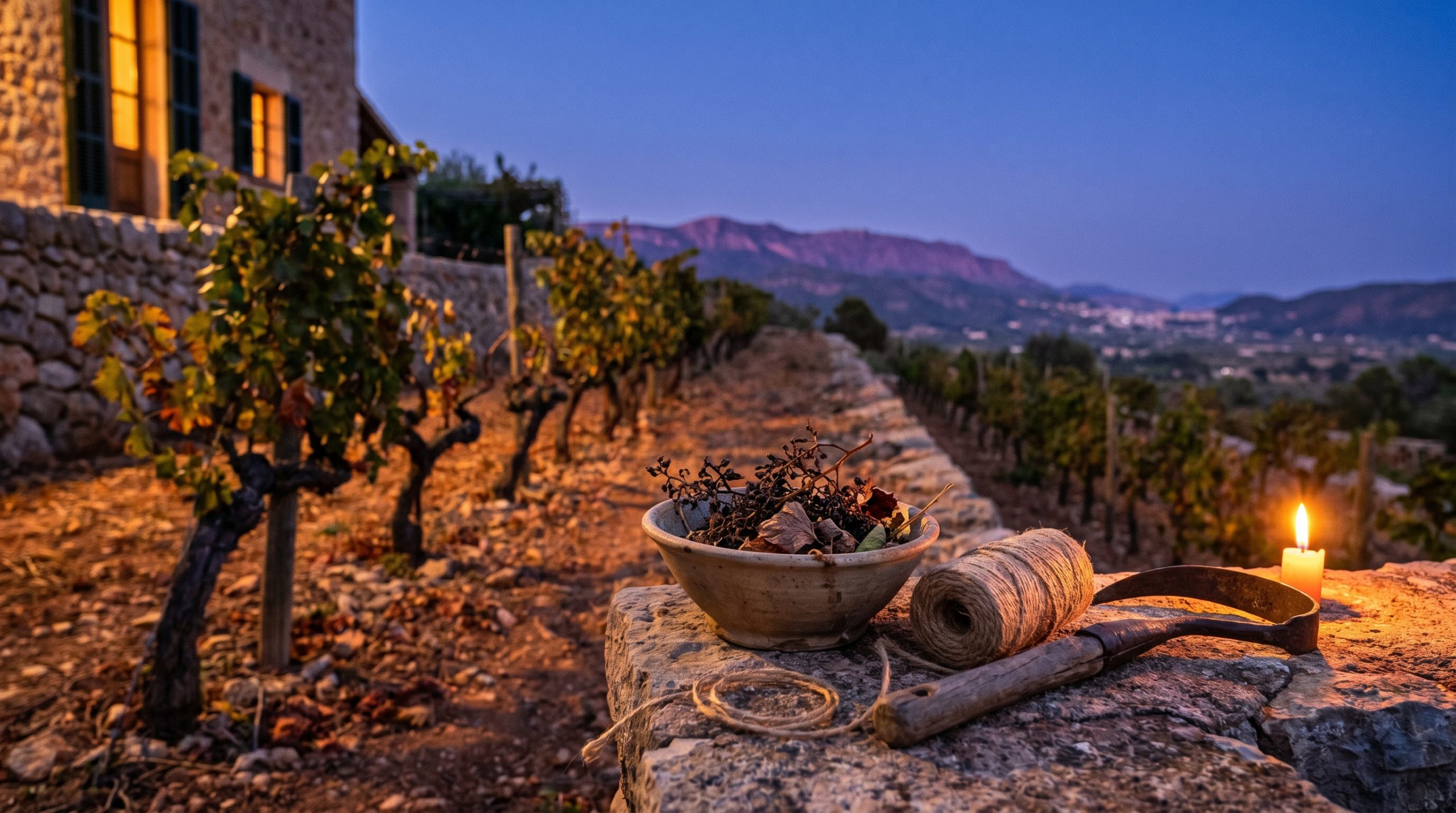
Biodynamic wine takes center stage this June 2026 as the Spanish Association for Biodynamic Agriculture celebrates the Demeter 100 anniversary in Torremilanos. This historic gathering honors a century-old commitment to ecological harmony, soil vitality, and cosmic rhythms. Furthermore, the event highlights the rigorous evolution of farming standards, cementing Spain’s growing leadership in sustainable viticulture worldwide.
The agricultural landscape shifted permanently a century ago when Rudolf Steiner introduced his radical farming principles. Today, those foundational concepts govern the most respected vineyards across the globe. Specifically, the upcoming anniversary event from June 7-9 at the host estate brings these historical achievements into sharp focus. Industry leaders will examine how early philosophical ideas transformed into strict, measurable farming protocols.
Currently, consumers demand unprecedented transparency regarding environmental impact and conventional inputs. Therefore, understanding the roots of this movement offers crucial context for modern viticulture. The celebration provides a rare opportunity to evaluate a century of agricultural resilience. Furthermore, it demonstrates how isolated traditional practices evolved into a globally recognized certification system. Ultimately, this milestone reveals why certain vineyards consistently produce superior, terroir-driven expressions.
Celebrating the Demeter 100 Anniversary in Spanish Viticulture
The Spanish Association for Biodynamic Agriculture organized the June 2026 anniversary gathering to honor a profound agricultural legacy. Specifically, the Demeter 100 anniversary commemorates the exact moment when farming shifted from conventional methods to holistic regeneration. Spanish estates embraced these methods decades ago, transforming arid landscapes into thriving ecosystems. As a result, biodynamic agriculture Spain now sets international benchmarks for environmental stewardship. The three-day event will analyze the precise evolution of these farming standards over the past century.
Early pioneers faced immense skepticism when implementing lunar calendars and natural preparations. However, their persistence eventually yielded healthier vines and more resilient soils. Today, rigorous certification protocols ensure that every participating vineyard maintains absolute ecological integrity. Consequently, consumers trust the resulting bottles to reflect authentic environmental harmony. The anniversary celebration will detail how these strict guidelines adapt to modern climate challenges. Furthermore, experts will discuss the integration of biodiversity corridors within traditional vineyard layouts to enhance natural resilience.
The Evolution of Farming Protocols
Modern practitioners must navigate complex environmental variables while maintaining strict adherence to historical principles. For instance, creating organic wine Spain requires meticulous attention to both microscopic soil life and broader atmospheric conditions. The anniversary event dedicates significant time to exploring these intricate relationships.
- Soil regeneration techniques utilizing specific natural compost preparations
- Water conservation strategies adapted for warm Mediterranean climates
- Biodiversity integration designed to support natural pest management
- Cosmic rhythm observation for optimal planting and harvesting schedules
These foundational elements require constant refinement to remain effective in changing climates. Therefore, the gathering facilitates crucial knowledge exchange among experienced practitioners. Ultimately, this collaborative approach ensures the continued success of the sustainable viticulture movement.
How Demeter Certified Wine Shapes the Balearic Islands
Island ecosystems present unique agricultural challenges that demand extraordinary farming precision. Specifically, the Mediterranean climate requires vineyards to develop deep root systems to survive warm summer temperatures. Montesion Wine Estate recognized these environmental demands early, adopting rigorous holistic practices to protect its historic terroir. As a result, the estate stands as a leading example of Demeter certified wine production in the region. The commitment to these principles ensures the preservation of indigenous grape varieties like Callet and Prensal Blanc.
Cultivating vines in this specific microclimate involves constant observation and natural intervention. For example, practitioners utilize local flora to create natural composts that enrich the rocky island soil. Consequently, the resulting Balearic Islands wine captures the distinct mineral profile of the local terrain. Visitors frequently seek out authentic wine activities in mallorca to witness these regenerative methods firsthand. Furthermore, experiencing the vineyards directly provides vital context for understanding the complex flavors presented in every glass.
Preserving Indigenous Grape Varieties
Protecting local agricultural heritage remains a central focus for dedicated island vintners. Specifically, nurturing native grapes through holistic methods yields the best wine in mallorca by highlighting true regional character. The meticulous care applied to the vines translates directly into the structural integrity of the final vintage.
This dedication becomes evident when tasting a highly crafted bottle. The Montesión Callet Limited Edition 2007 perfectly demonstrates how historical farming practices elevate native varieties. Rich and full-bodied, this vintage showcases vibrant red fruits alongside deep earthy undertones. Moreover, the moderate tannins and balanced acidity reflect the careful vineyard management required to produce exceptional Mallorca wine. Ultimately, these traditional methods secure the agricultural future of the entire island.
Securing the Next Century of Ecological Excellence
The historic gathering in Torremilanos represents much more than a simple retrospective of past achievements. Specifically, the event provides a critical roadmap for the future of global agricultural resilience. First, the evolution of strict farming protocols demonstrates how isolated philosophies can transform entire industries. Second, the success of island vineyards proves that these methods adapt perfectly to challenging microclimates. Finally, the growing consumer demand for ecological transparency validates the immense effort required to maintain these standards.
These rigorous practices ensure that the soil remains vital and productive for future generations. Furthermore, the dedication to holistic farming directly influences the structural complexity and longevity of the resulting vintages. Montesion Wine Estate continues to champion these century-old principles across its historic Mallorcan vineyards. Indeed, the commitment to natural harmony remains the foundation of exceptional viticulture. Ultimately, every carefully cultivated vine serves as a living testament to this enduring legacy.
Frequently Asked Questions
What makes biodynamic wine different from standard organic varieties?
Biodynamic wine requires adherence to a comprehensive, holistic farming system that treats the entire vineyard as a single living organism. While organic farming primarily focuses on eliminating synthetic chemicals, this advanced approach actively regenerates the soil using specific natural preparations. Furthermore, practitioners align their planting, pruning, and harvesting schedules with detailed lunar and cosmic calendars. Consequently, this rigorous methodology fosters a deeper connection between the vines and their specific environmental terroir. Ultimately, the resulting vintages display enhanced vitality and a more authentic expression of their geographical origins.
How does the Demeter 100 anniversary impact modern sustainable viticulture?
The Demeter 100 anniversary serves as a crucial milestone for evaluating a century of ecological farming advancements. Specifically, the event gathers global experts to analyze how early agricultural philosophies evolved into strict, measurable certification standards. This collaborative exchange of knowledge directly influences how modern vineyards adapt to contemporary climate challenges. Moreover, the historical data collected over the past century provides invaluable insights into long-term soil regeneration and biodiversity management. Therefore, the celebration actively shapes the future protocols governing environmentally responsible agriculture worldwide.
Why are native grape varieties important in Balearic Islands wine production?
Native grape varieties like Callet and Prensal Blanc possess a natural genetic resistance to the specific environmental pressures of the Mediterranean climate. Because these vines evolved over centuries within the local ecosystem, they require significantly less artificial intervention to thrive. Additionally, cultivating indigenous grapes preserves the vital agricultural heritage and distinct flavor profiles unique to the region. By applying holistic farming methods to these local vines, estates ensure the continued survival of deeply traditional flavor characteristics. Consequently, prioritizing native varieties remains essential for producing truly authentic and resilient island vintages.
