
Biodynamic wine production transforms how wine is made by treating vineyards as living ecosystems rather than industrial operations. This holistic approach delivers environmental benefits through enhanced biodiversity, produces wines with distinctive character and purity, and offers health advantages by eliminating synthetic chemicals. Growers who embrace biodynamic principles create self-sustaining agricultural systems that work in harmony with natural cycles.
The shift toward biodynamic viticulture reflects growing consumer awareness about sustainability and health. Unlike conventional winemaking that relies on synthetic inputs, biodynamic methods follow strict protocols established by Demeter International, the primary certifying body since 1927. These standards require organic certification as a baseline, then add biodynamic-specific practices including natural preparations, lunar cycle timing, and farm self-sufficiency. The approach produces wines that express terroir authentically while supporting ecological balance. Understanding how biodynamic production benefits the environment, enhances wine quality, and promotes consumer health reveals why this method represents the future of viticulture.
How Biodynamic Viticulture Enhances Soil Health and Biodiversity
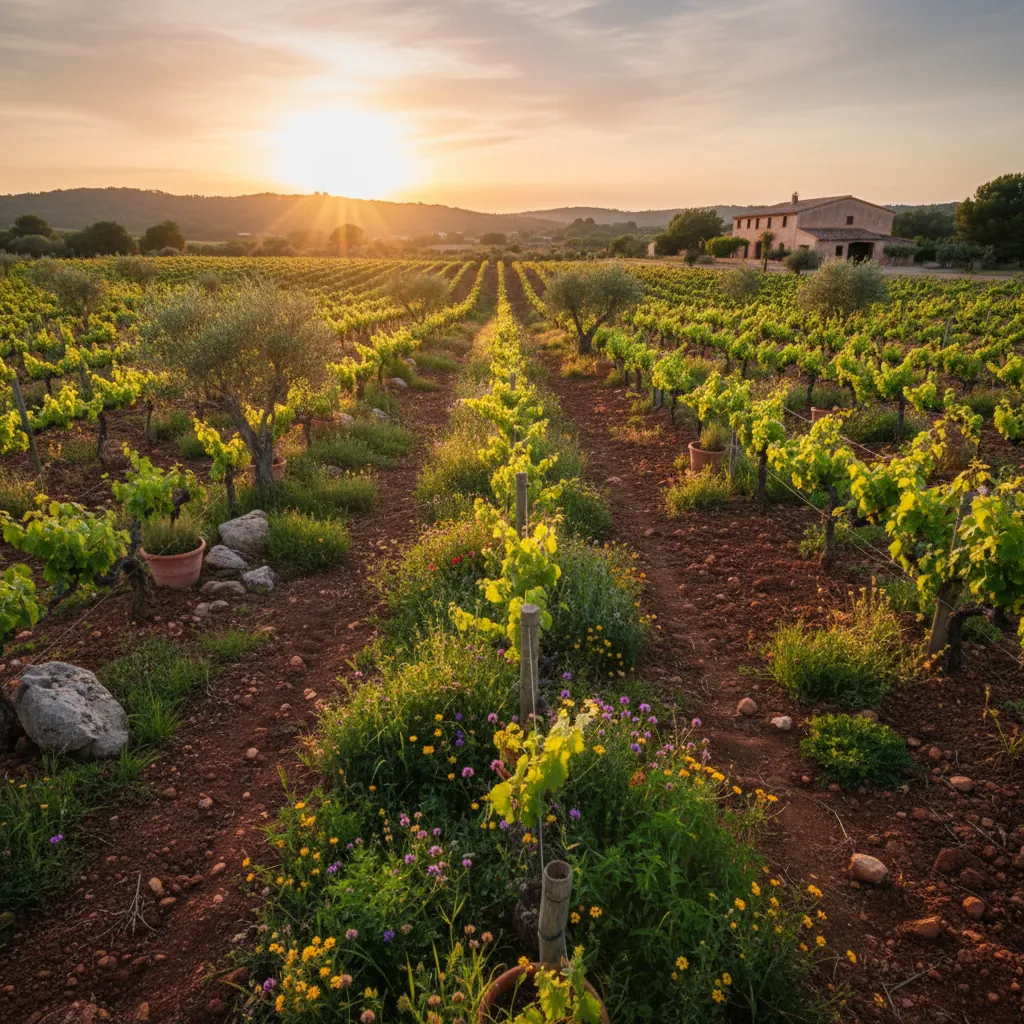
Biodynamic farming treats soil as a living organism requiring careful nurturing rather than a passive growing medium. The first step involves eliminating all synthetic fertilizers, herbicides, and pesticides from vineyard management. Instead, growers apply specific biodynamic preparations made from natural materials like horn manure (preparation 500) and horn silica (preparation 501), which stimulate soil nutrient cycling and enhance photosynthetic activity in vines.
Research demonstrates that organic and biodynamic viticulture significantly increases soil biological activity compared to conventional methods. Studies show enhanced earthworm populations in biodynamically managed vineyards, along with community shifts toward beneficial species. The absence of herbicides allows diverse cover crop mixtures to flourish between vine rows, creating habitats for predatory insects and soil microorganisms. These cover crops typically include legumes, grasses, and flowering plants selected to fix nitrogen, prevent erosion, and attract beneficial insects.
Biodiversity improvements extend across multiple trophic levels in biodynamic vineyards. Scientific trials reveal that seventeen out of twenty-four studies observed clear increases in biodiversity under organic and biodynamic management. Plant species richness rises substantially due to the absence of herbicide application, while predatory mite populations and beneficial insect communities expand. This enhanced biodiversity creates natural pest control systems, reducing the need for interventions. The vineyard becomes a balanced ecosystem where beneficial organisms keep potential pests in check through natural predation and competition.
The compost preparations used in biodynamic viticulture-numbered 502 through 507-facilitate transformation of organic matter into nutrient-rich humus. Growers apply these preparations in small quantities to compost heaps, where they accelerate decomposition and enhance nutrient availability. This process creates a closed-loop system where vineyard waste returns to nourish the soil, eliminating dependence on external inputs. Over time, soil structure improves, water retention increases, and microbial communities diversify, creating resilient growing conditions that withstand climate variability.
How Biodynamic Methods Produce Distinctive Wine Quality
Biodynamic viticulture influences wine character through multiple mechanisms that begin in the vineyard and continue through fermentation. Vines grown biodynamically typically show reduced vigor compared to conventionally managed plants, with pruning weights averaging 21% lower according to meta-analysis of scientific trials. This controlled growth concentrates flavors in smaller berry clusters, leading to wines with greater intensity and complexity.
The prohibition of synthetic yeasts in biodynamic winemaking represents a fundamental quality distinction. Fermentation occurs spontaneously using native yeasts present on grape skins and in the cellar environment. This traditional approach allows terroir expression through microbial diversity unique to each vineyard site. The resulting wines display greater aromatic complexity and textural nuance compared to wines made with commercial yeast strains engineered for predictable outcomes.
Sulfite levels provide another quality marker distinguishing biodynamic wines. While certified biodynamic wines can contain up to 100 parts per million of sulfites, most producers use significantly less, relying instead on meticulous vineyard management and gentle cellar practices to ensure wine stability. Lower sulfite levels allow fruit character to shine without the masking effect of excessive preservatives. Consumers often report that biodynamic wines cause fewer adverse reactions like headaches, though individual sensitivity varies.
The aging process in biodynamic winemaking favors traditional vessels that allow micro-oxygenation without imparting heavy oak flavors. Some producers use Italian stoneware amphorae, which provide temperature stability and gentle oxygen exchange. Montesion Wine Estate demonstrates this approach through wines that spend months in traditional vessels, enhancing textural complexity while preserving varietal character. This method complements biodynamic vineyard practices to create wines of distinctive character.
How Biodynamic Wine Benefits Consumer Health
The health advantages of biodynamic wine stem primarily from the absence of synthetic chemicals throughout production. Conventional viticulture often employs multiple pesticide applications annually, leaving residues that persist on grape skins and potentially transfer to finished wine. Biodynamic growers eliminate this exposure entirely, relying instead on cultural practices, beneficial insects, and natural preparations to maintain vine health.
The Demeter certification process ensures that biodynamic wines meet stringent purity standards beyond basic organic requirements. Growers must avoid the herbicide glyphosate (Roundup), which some organic systems permit in limited circumstances. This prohibition matters because glyphosate residues have raised health concerns among researchers and consumers. By choosing Demeter-certified wines, consumers gain assurance that no synthetic herbicides touched the vines or soil.
Biodynamic winemaking prohibits numerous additives commonly used in conventional wine production. Commercial tannins, added sugars, acid adjustments, and flavor enhancers remain forbidden under Demeter standards. Physical methods like gentle pressing and gravity flow replace mechanical interventions like reverse osmosis and micro-oxygenation. The result is wine containing only what nature provides: fermented grape juice with minimal sulfites for preservation.
The nutritional profile of biodynamic grapes may offer additional benefits, though research continues in this area. Some studies suggest that biodynamically grown produce contains higher levels of beneficial compounds like polyphenols and antioxidants compared to conventionally grown crops. These compounds contribute to wine’s potential cardiovascular benefits when consumed in moderation. While more research is needed to confirm these advantages definitively, the absence of synthetic chemicals alone provides compelling health reasons to choose biodynamic wines.
Quick Checklist: Key Benefits of Biodynamic Wine Production
Environmental advantages that make biodynamic viticulture sustainable:
- Enhanced soil biological activity through natural preparations and compost
- Increased biodiversity across plant, insect, and microbial communities
- Elimination of synthetic pesticides, herbicides, and fertilizers
- Reduced diesel consumption through manual labor and minimal mechanical intervention
- Creation of self-sustaining farm ecosystems requiring fewer external inputs
Quality characteristics distinguishing biodynamic wines:
- Spontaneous fermentation with native yeasts for authentic terroir expression
- Lower sulfite levels preserving natural fruit character
- Concentrated flavors from controlled vine vigor
- Traditional aging methods enhancing textural complexity
- Prohibition of additives and artificial flavor manipulation
Health benefits for conscious consumers:
- Zero synthetic pesticide or herbicide residues
- Minimal sulfites reducing potential adverse reactions
- No added sugars, tannins, or commercial yeasts
- Potentially higher levels of beneficial polyphenols and antioxidants
- Demeter certification ensuring comprehensive purity standards
Implementing biodynamic practices requires commitment and knowledge, yet the benefits extend far beyond the vineyard. Producers who adopt this holistic approach create wines that honor tradition while embracing sustainability. Consumers who choose biodynamic wines support agricultural systems that regenerate rather than deplete natural resources, while enjoying wines of exceptional purity and character. The future of viticulture increasingly points toward biodynamic methods as the gold standard for quality, sustainability, and health.
Frequently Asked Questions
What makes biodynamic wine different from organic wine?
Biodynamic wine follows stricter standards than organic wine, requiring Demeter certification in addition to organic certification. While both prohibit synthetic chemicals, biodynamic viticulture adds specific natural preparations numbered 500 through 507, applies them according to lunar and planetary cycles, and treats the farm as a self-sustaining organism. Biodynamic winemaking also restricts additives more severely than organic standards, prohibiting commercial yeasts, added tannins, and most cellar interventions. Sulfite limits differ as well, with certified biodynamic wines allowing up to 100 parts per million compared to less than 10 parts per million for organic wine.
Does biodynamic wine taste better than conventional wine?
Biodynamic wines typically display greater aromatic complexity and purer fruit expression compared to conventional wines, though taste remains subjective. The prohibition of synthetic yeasts allows native fermentation that expresses vineyard terroir more authentically. Lower sulfite levels prevent the masking effect that excessive preservatives can create, letting natural grape character shine through. Controlled vine vigor from biodynamic practices concentrates flavors in smaller berry clusters, producing wines with greater intensity. Many wine professionals and consumers report that biodynamic wines show more distinctive personality and sense of place compared to conventionally produced wines from the same region.
How long does conversion to biodynamic viticulture take?
The transition period to certified biodynamic viticulture requires three years minimum in the United States, European Union, and Australia. During this conversion period, growers must follow all biodynamic practices while the soil recovers from previous synthetic chemical applications and builds biological activity. Vines gradually adjust to the new management system, with benefits like enhanced soil structure and increased biodiversity becoming more pronounced over time. Most producers report that vineyard health and wine quality continue improving for several years beyond the initial certification period as the ecosystem reaches full balance.
Are biodynamic wines more expensive than conventional wines?
Biodynamic wines generally command higher prices than conventional wines due to increased labor costs, lower yields, and premium market positioning. Hand harvesting, manual vineyard work, and meticulous attention to lunar cycles require more labor hours than mechanized conventional viticulture. Yields average 18% lower in biodynamic vineyards according to scientific meta-analysis, reducing the volume of wine produced per hectare. However, many consumers willingly pay premium prices for biodynamic wines because of their environmental benefits, health advantages, and distinctive quality characteristics that justify the investment in sustainable agriculture.
