
Mediterranean wine terroir represents one of the world’s most compelling expressions of place. The combination of limestone soils, maritime influence, and indigenous grape varieties creates wines that taste distinctly of their landscape. Understanding what makes these wines different requires exploring the geological, climatic, and cultural layers that define a region’s character.
Terroir is the French term for the complete natural environment where grapes grow. It encompasses soil composition, climate patterns, elevation, and the human decisions that shape viticulture. In Mediterranean regions like Mallorca, terroir isn’t merely a marketing concept-it’s the fundamental reason why wines from one hillside taste markedly different from another, even when separated by just a few kilometers.
How Limestone Soils Shape Mediterranean Wine Character
Limestone dominates the soil profile across Mediterranean wine regions, and this geology profoundly influences what ends up in your glass. The Balearic Islands terroir, particularly around Mallorca’s wine regions, sits on limestone-rich bedrock peppered with marine fossils-a geological signature that speaks to ancient seas and millions of years of mineral accumulation.
When vine roots penetrate limestone soils, they access a complex matrix of minerals that directly transfer into grape composition. Limestone naturally limits vine vigor, forcing roots to dig deeper in search of water and nutrients. This stress, paradoxically, concentrates flavors in the fruit. Smaller berries develop higher sugar content and more intense phenolic compounds-the compounds responsible for color, tannin structure, and aging potential.
The mineral content of limestone soils contributes to wines with pronounced freshness and a chalky, stony minerality on the palate. White wines from limestone regions typically display crisp acidity and a distinctive saline edge. Red wines gain firm structure and fine-grained tannins that age gracefully. This minerality isn’t imagined-it’s a measurable consequence of how limestone chemistry translates into grape metabolism.
Mediterranean Climate and Maritime Influence as Terroir Amplifiers
Climate is the second pillar of Mediterranean terroir, and the maritime influence fundamentally distinguishes coastal wine regions from continental areas. The Mediterranean climate is characterized by warm, dry summers and mild winters, but proximity to the sea creates crucial microclimatic variations that shape grape ripening and aromatic development.
Warm days accelerate sugar accumulation in grapes, while cool nights-moderated by sea breezes-preserve acidity and aromatic compounds. This temperature differential is essential. Grapes that ripen under constant heat develop high alcohol and low acidity, resulting in heavy, unbalanced wines. The moderate temperature swings in maritime Mediterranean regions create optimal conditions for balanced ripeness without excessive alcohol.
Sea breezes perform multiple functions beyond temperature moderation. They dry the vineyard canopy after dew or light rain, dramatically reducing fungal pressure and disease risk. This natural disease management aligns perfectly with biodynamic farming principles, which emphasize working with natural cycles rather than chemical intervention. Clean, healthy fruit requires less intervention in the cellar, allowing the wine’s true terroir expression to emerge without masking layers of corrective winemaking.
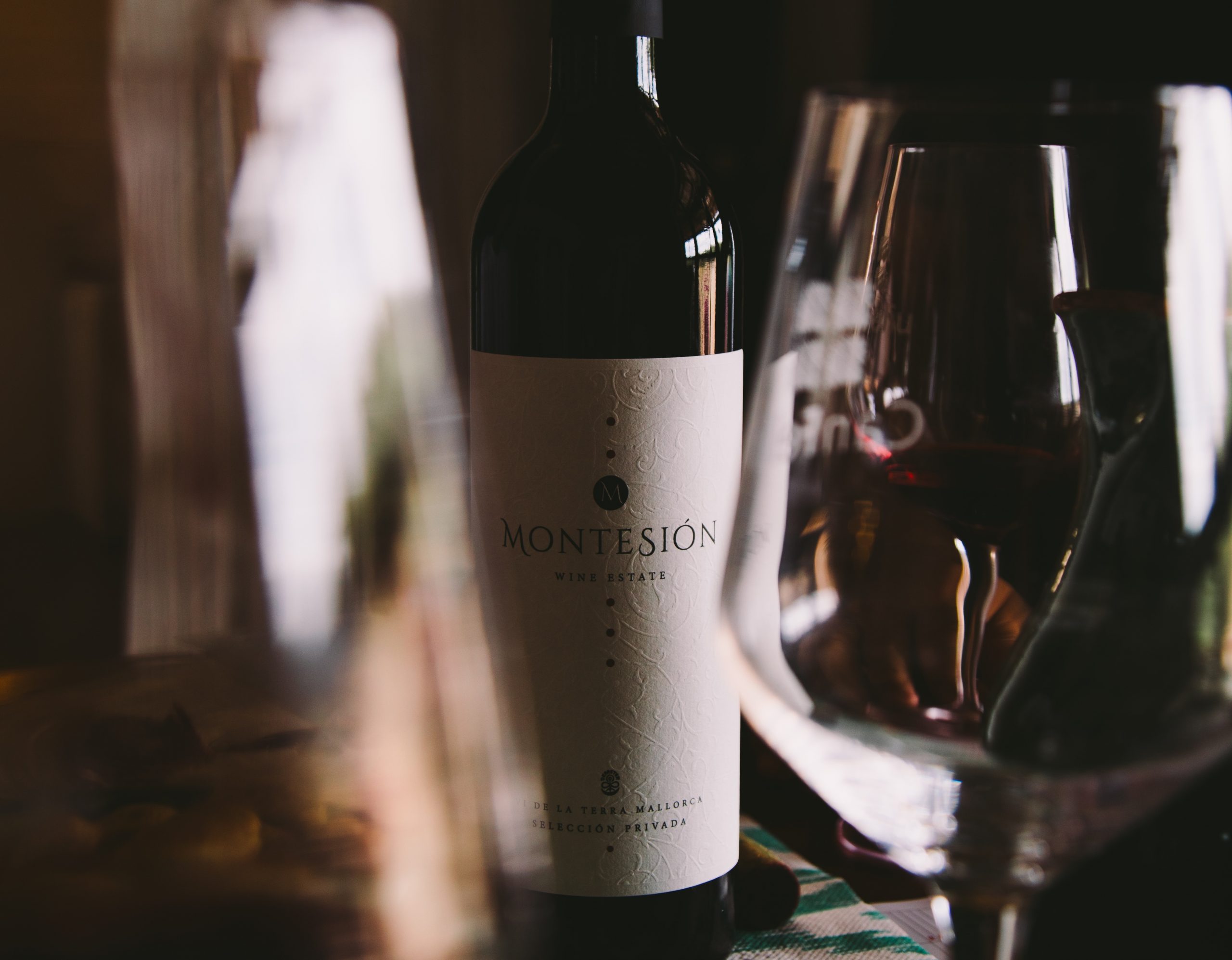
Featured: Montesión Selección Privada 2021
You’ve explored how limestone, maritime climate, and indigenous varieties converge to create wines of distinctive character. The Montesión Selección Privada 2021 embodies this terroir philosophy-a wine born from Mallorca’s unique geology and crafted through biodynamic principles that honor the vineyard’s natural expression. This is a wine that tastes unmistakably of place, aged 24 months in French oak to develop complexity while preserving the mineral clarity that defines Demeter-certified production.
Indigenous Varieties as Terroir Translators
Terroir expression depends critically on grape variety selection. Indigenous varieties-grapes that have adapted to a specific region over centuries-are the most authentic terroir translators. Mallorca’s native varieties, particularly Callet and Prensal Blanc, evolved under local conditions and possess genetic traits perfectly suited to local soil and climate.
Callet, a red variety native to Mallorca, produces wines with bright red fruit character, gentle spice, and a stony, mineral finish. These characteristics aren’t accidental-they’re the result of thousands of years of natural selection. Callet vines have developed root systems optimized for limestone soils, leaf structures adapted to intense Mediterranean sun, and berry chemistry that expresses local mineral character with clarity.
Prensal Blanc, the traditional white variety, similarly reflects terroir with precision. These wines display the crisp acidity, floral aromatics, and saline minerality characteristic of Mallorca’s maritime limestone environment. When winemakers work with indigenous varieties using minimal intervention techniques, the wines speak directly about place.
Viognier, while not indigenous to Mallorca, has become established in the region and demonstrates how non-native varieties can adapt and express local terroir when given time and appropriate viticulture. Its aromatic intensity-tropical fruits, florals, and stone fruit-takes on a distinctive Mediterranean character in Mallorca’s climate, distinct from Viognier grown in France’s Rhône Valley.
The choice of variety matters profoundly because different grapes extract different minerals from soil and respond differently to climate. A limestone soil planted with Callet produces a different mineral profile than the same soil planted with Cabernet Sauvignon. This is why terroir-focused regions maintain traditional variety plantings-not from nostalgia, but from understanding that certain varieties and certain places create irreplaceable combinations.
The Complete Picture: Where Geology, Climate, and Culture Converge
Terroir ultimately represents the convergence of three irreducible elements: geology, climate, and human decision-making. Mediterranean wines taste different because the limestone soils, maritime climate, and indigenous varieties create a specific combination that cannot be replicated elsewhere. Understanding this connection deepens appreciation for Mediterranean wines and explains why certain regions achieve consistent excellence.
Mallorca’s wine regions exemplify this principle completely. The Balearic Islands terroir-limestone bedrock, Mediterranean climate, indigenous varieties, and biodynamic stewardship-creates wines that taste unmistakably of place. Montesion Wine Estate represents this commitment to terroir-driven production, where every decision in vineyard and cellar honors the landscape’s unique character. These are not generic Mediterranean wines; they are specific expressions of Mallorca’s unique geography and the winemakers’ dedication to authentic place-based winemaking.
When you taste a Mediterranean wine, you’re experiencing the accumulated influence of soil minerals, climate patterns, and centuries of viticultural adaptation. The freshness, minerality, and balance characteristic of these wines are direct consequences of place. This is why terroir matters-it’s the reason why wine, unlike almost any other agricultural product, tastes fundamentally different depending on where it grows and how it’s made.
Exploring Mediterranean terroir through wines that genuinely express their origin-produced with respect for natural processes and indigenous varieties-offers insight into how place shapes flavor. These wines tell the story of their landscape in every sip.
