
When evaluating the most rewarding activities in Mallorca, discerning travelers consistently prioritize immersive enotourism. Wine tasting mallorca offers a profound connection to the island’s agricultural heritage, far removed from crowded coastal resorts. Specifically, visiting a biodynamic wine estate like Montesion Wine Estate provides an unparalleled sensory education into how indigenous grapes shape exceptional vintages.
A profound shift is transforming Mediterranean travel. Visitors no longer measure a trip by hours spent on a beach. Instead, they seek out authentic experiences that reveal the true soul of the land. Inland agricultural estates have quietly become the epicenter of this cultural renaissance. The island possesses a rich, centuries-old viticultural history that remains largely undiscovered by the mainstream tourist. Consequently, exploring organic wine Spain initiatives offers a rare glimpse into traditional agrarian life. Travelers crave genuine interactions with the environment. Therefore, understanding the meticulous processes behind natural wine production satisfies this desire for depth. Agricultural tourism provides a sustainable alternative that actively preserves rural landscapes. Above all, tasting indigenous grape varieties grown in living, chemical-free soils delivers a narrative of place that no museum can replicate.
Why Enological Exploration Is Redefining Slow Travel
The global tourism landscape is undergoing a fundamental realignment. Industry data consistently indicates that experiential travel, particularly enotourism, expands by approximately 15% annually across Southern Europe. This statistical growth reflects a broader desire for meaningful cultural exchanges. Visitors actively seek environments where time slows down. Therefore, agricultural estates offer the perfect sanctuary from high-paced modern life. Exploring vineyards allows guests to engage directly with the rhythms of nature.
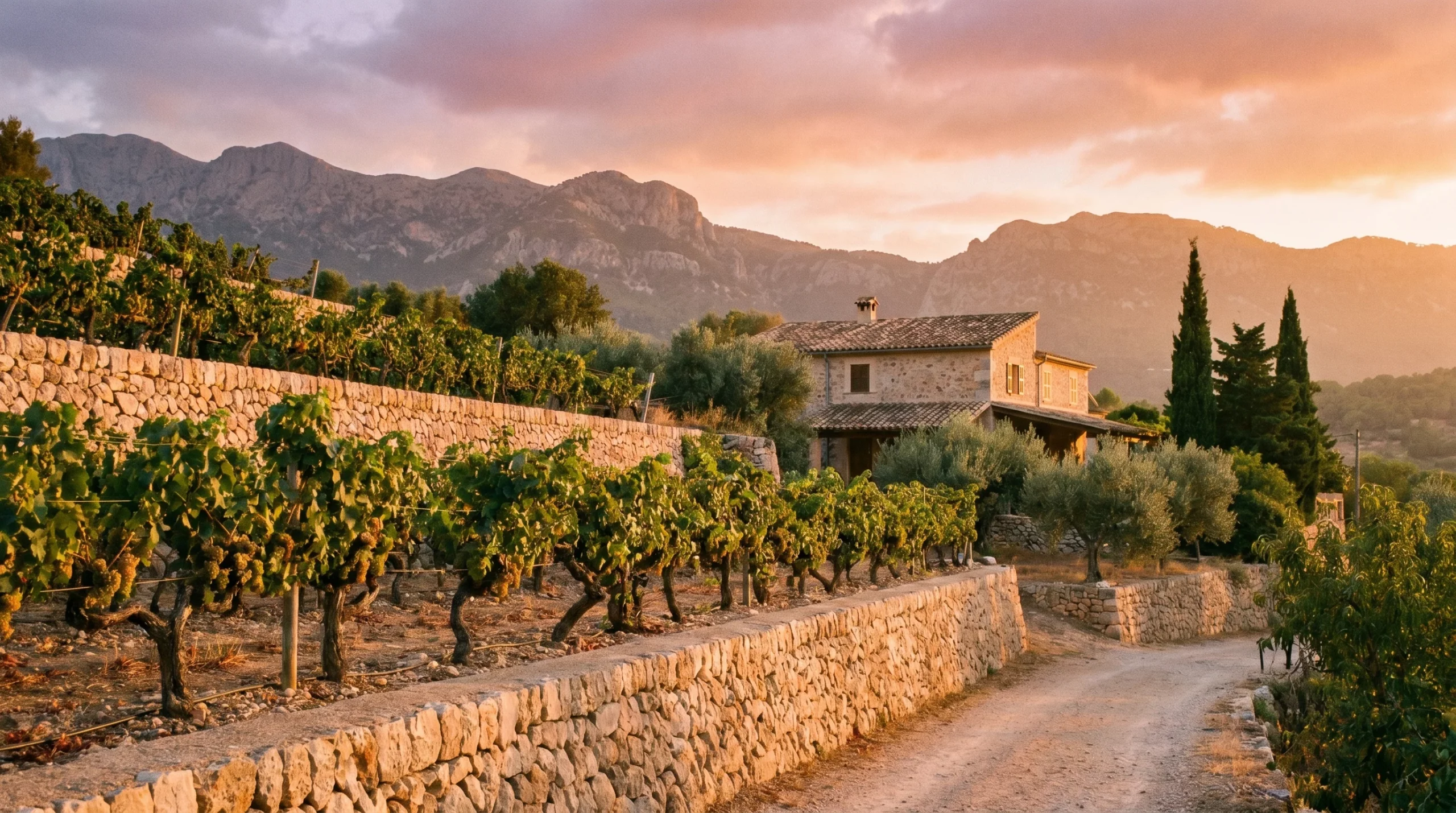
Furthermore, the geography of the island naturally supports this transition. The central plains and mountain foothills harbor ancient vines protected from harsh coastal winds. These microclimates produce grapes with extraordinary concentration and complexity. As a result, travelers who venture inland discover a completely different ecosystem. They encounter quiet villages, traditional stone architecture, and farmers dedicated to preserving ancestral techniques.
Moreover, participating in a tasting session requires immense presence and focus. Guests must engage their senses fully to identify subtle aromas and textures. This mindful engagement forms the core of the slow travel philosophy. Specifically, it transforms a simple vacation into an educational journey. Visitors leave with a deeper comprehension of how climate, soil, and human dedication intersect beautifully. Indeed, this level of immersion creates lasting memories that superficial sightseeing simply cannot provide.
The Sensory Impact of Demeter Certification on the Palate
A conventional vineyard often functions as an isolated factory. In contrast, a biodynamic wine estate operates as a self-sustaining, living organism. This profound difference in philosophy directly translates into the glass. Demeter certification requires strict adherence to holistic farming principles that eliminate synthetic chemicals completely. Consequently, the vines root deeper into the earth, drawing up complex minerals that define the regional terroir. The resulting wines display a vibrancy and energetic tension rarely found in mass-produced bottles.
For instance, tasting the Montesión Callet Limited Edition 2007 reveals the true potential of this meticulous approach. This rich, full-bodied red showcases red fruits and earthy undertones, perfectly balancing moderate tannins and acidity. The aging process in French oak barrels respects the delicate nature of the indigenous Callet grape. Therefore, every sip communicates the specific conditions of the vintage and the vitality of the soil.
Additionally, natural wine production demands minimal intervention in the cellar. Winemakers rely on wild yeasts present on the grape skins to initiate fermentation. This spontaneous process introduces unique flavor profiles that commercial yeasts cannot replicate. As a result, each bottle becomes an unrepeatable expression of its origin. Enthusiasts increasingly recognize that true luxury lies in this level of authenticity. They understand that genuine quality begins with uncompromising ecological standards in the vineyard.
Comparing Conventional and Holistic Vineyard Practices
Understanding the underlying agricultural methods greatly enhances the tasting experience. Visitors often express surprise at the stark contrasts between different farming paradigms.
| Feature | Conventional Viticulture | Biodynamic Viticulture |
|---|---|---|
| Soil Management | Synthetic fertilizers | Compost preparations and cover crops |
| Pest Control | Chemical pesticides | Natural predators and herbal sprays |
| Fermentation | Inoculated commercial yeasts | Spontaneous wild yeasts |
| Focus | Maximizing crop yield | Ecosystem health and biodiversity |
This table illustrates why holistic methods demand significantly more labor and observation. However, the reward is a resilient landscape and a superior agricultural product.
Essential Elements of Authentic Mallorca Experiences
Identifying truly exceptional activities in Mallorca requires looking beyond glossy brochures. The most memorable encounters prioritize education over simple commercial transactions. Typically, a premium visit begins in the vineyard itself, rather than the tasting room. Guides explain the specific characteristics of the local soil composition, often characterized by iron-rich red earth. This foundational knowledge completely changes how guests perceive the final product.
Next, visitors explore the production facilities to understand the journey from grape to bottle. They learn how indigenous varieties like Montesión Cuvée Blanc 2025 and Montesión Viognier 2025 adapt to the intense Mediterranean heat. These grapes retain essential acidity while developing intense aromatic profiles. Furthermore, the architecture of the cellar often plays a crucial role in temperature regulation. Thick stone walls and subterranean chambers provide a naturally stable environment for aging.
Finally, the tasting itself must offer context and narrative. A knowledgeable host will guide guests through a curated selection of vintages. They explain how seasonal variations influence the final flavor profile. Indeed, a visit to Montesion Wine Estate exemplifies this highly educational approach. Guests receive detailed explanations of astronomical planting calendars and natural preparations. Consequently, they develop a profound respect for the immense dedication required to produce genuine Balearic Islands wine. This transparent sharing of knowledge builds a powerful bond between the producer and the consumer.
Beyond the Glass: A Lasting Connection to the Land
The true value of agricultural tourism extends far beyond the immediate sensory pleasure of a tasting. It fosters a profound appreciation for the delicate balance between human cultivation and natural ecosystems. Visitors leave with a clear understanding of why holistic farming practices are essential for environmental preservation. Furthermore, they recognize the immense effort required to produce wines of genuine character and integrity.
Supporting these dedicated farmers actively contributes to the survival of traditional agrarian landscapes. It ensures that indigenous grape varieties continue to thrive safely in their native habitat. Moreover, this mindful approach to travel transforms tourists into informed advocates for sustainable agriculture. They return home with stories of dedication, craftsmanship, and respect for the earth. Ultimately, selecting the right activities in Mallorca provides an incredibly authentic lens through which to view the region’s heritage.
Frequently Asked Questions
What makes wine tasting in this region different from other European destinations?
The geographical isolation of the island has preserved unique indigenous grape varieties that do not exist anywhere else in the world. Varieties like Callet and Prensal Blanc have adapted perfectly to the specific Mediterranean microclimates and iron-rich soils. Furthermore, the strong shift towards biodynamic farming creates an incredibly pure, energetic flavor profile. Visitors experience a rare combination of ancient viticultural history and cutting-edge ecological practices.
How long should I allocate for a proper vineyard tour and tasting?
A comprehensive educational experience typically requires between two and three hours to complete fully. This duration allows sufficient time to walk through the vineyards, understand the soil composition, and observe the production facilities. Afterward, the guided tasting portion demands unhurried attention to appreciate the nuances of each vintage. Rushing this process prevents guests from truly absorbing the complex philosophy behind holistic agriculture.
Do I need prior knowledge to enjoy visiting a biodynamic estate?
Absolutely no prior enological expertise is necessary to appreciate a holistic agricultural tour. In fact, many visitors find that arriving with an open mind enhances the educational aspect of the visit. Expert guides specialize in translating complex farming concepts into accessible, engaging narratives. The primary requirement is simply a genuine curiosity about nature, sustainability, and authentic artisanal craftsmanship.
